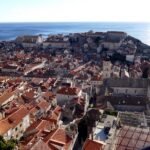
Pile Gate sets the tone for your walk. This guided Dubrovnik Old Town tour blends iconic stops with the small details that make the city feel real, including Pile Gate/Stradun storytelling and a spice tasting finish. One caution: you’ll face steps and uneven, slippery spots in the old streets, so plan around that if mobility is an issue.
I like how the route keeps moving without feeling rushed. You start at Nautika Restaurant behind the statue of Aphrodite and Pan, you loop through the major churches and squares, and you end back near the walls area. The other thing to know: the Franciscan Monastery and city-walls walking can involve optional ticket decisions on site.
In This Review
- Key things I’d highlight before you go
- Starting at Nautika: a quick launch into Dubrovnik’s maze
- Pile Gate and Stradun: the spine of the Old Town
- Onofrio’s Fountains and St. Saviour Church: small breaks with real meaning
- The Cathedral of the Assumption: a landmark worth the stop
- Franciscan Monastery and the old-pharmacy idea (optional, but powerful)
- Jesuit Stairs: yes, there are steps—yes, the view helps
- Orlando’s Column and Luža Square: quick hits with story value
- City walls: photo moments are included, a guided walk is optional
- The harbor walk and spice tasting: calmer, more local, and memorable
- What you’re paying for: $26 and how the value works
- Guides on this tour: why the stories are part of the deal
- Practical tips to make the walk smoother
- Who this tour fits best (and who should choose something else)
- Should you book Dubrovnik: Pile Gate & Old Town with spices?
- FAQ
- How long is the Dubrovnik Old Town tour?
- Where do we meet the guide?
- Where does the tour end?
- What are the main stops on the tour?
- Is the Franciscan Monastery included?
- Are city walls tickets included?
- Does the tour include walking on the city walls?
- Are there steps and difficult walking surfaces?
- What languages are offered for the guide?
- What should I bring, and is cash useful?
Key things I’d highlight before you go
- Pile Gate to Stradun: you get orientation fast, plus the why behind what you’re seeing
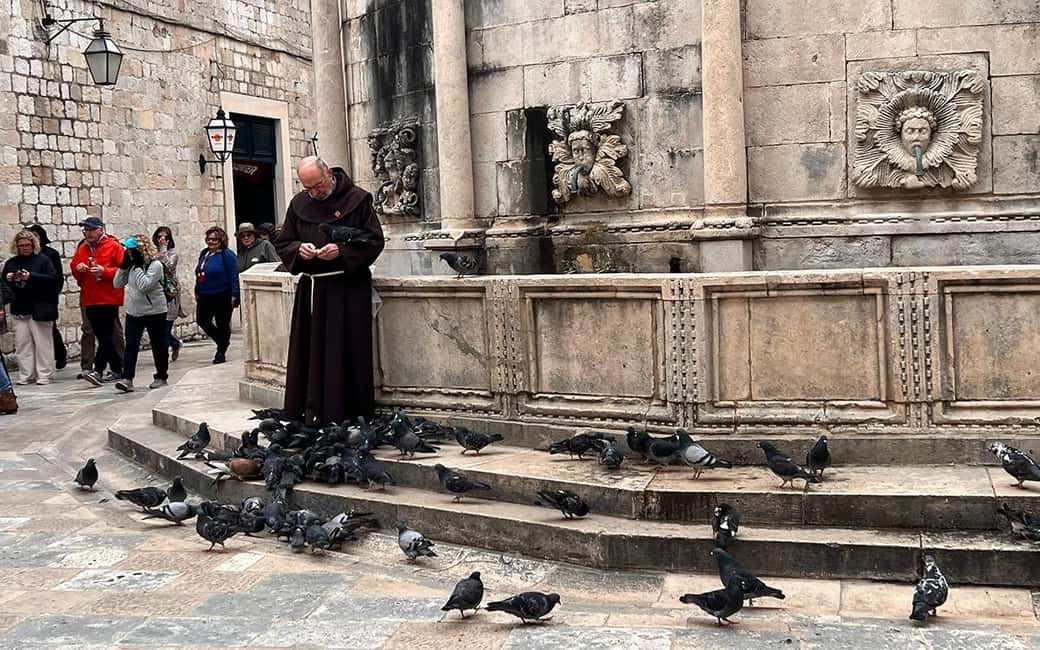
- Onofrio’s Fountains: a real photo stop, and the chance to drink the water there
- Franciscan Monastery pharmacy area: optional, but it’s one of the signature stops in Dubrovnik
- Jesuit Stairs views: expect stairs and a payoff at the top
- City Harbour + spice tasting: a calmer ending that ties the tour to daily life
- A smaller local stop: a quieter pause chosen by your guide (the city’s side alleys and corners)
Starting at Nautika: a quick launch into Dubrovnik’s maze
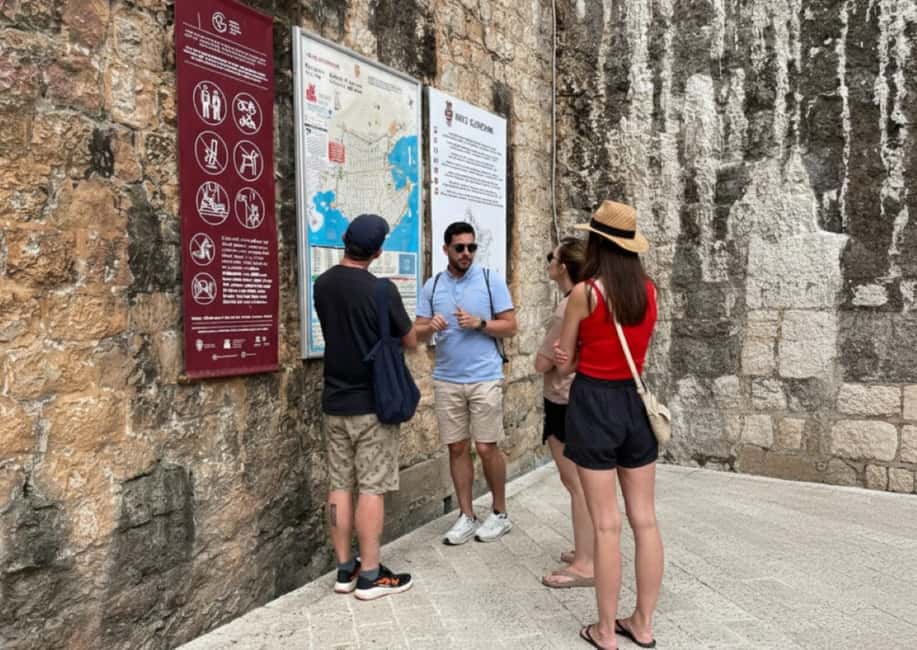
Your tour begins outside Nautika Restaurant, behind the statue of Aphrodite and Pan. That matters because Dubrovnik’s Old Town can feel like a set of beautiful hallways that all look the same at first. Starting at a clear landmark helps you get your bearings fast—and you’ll feel it when you first pass through Pile Gate.
The tour runs about 2.5 hours, which is long enough to cover the major sights but short enough to keep your energy for the rest of your day. It’s also a walking-focused experience, so it’s smart to wear comfortable shoes and treat the stone streets like what they are: old, narrow, and sometimes slippery.
If you’ve ever been in Dubrovnik on a sunny day, you know the light can be ruthless. Bring sunscreen and a hat, and don’t forget cash—not because you’ll be constantly buying things, but because optional entries (like monastery or walls) are handled at the location.
You can also read our reviews of more tours and experiences in Dubrovnik.



Pile Gate and Stradun: the spine of the Old Town
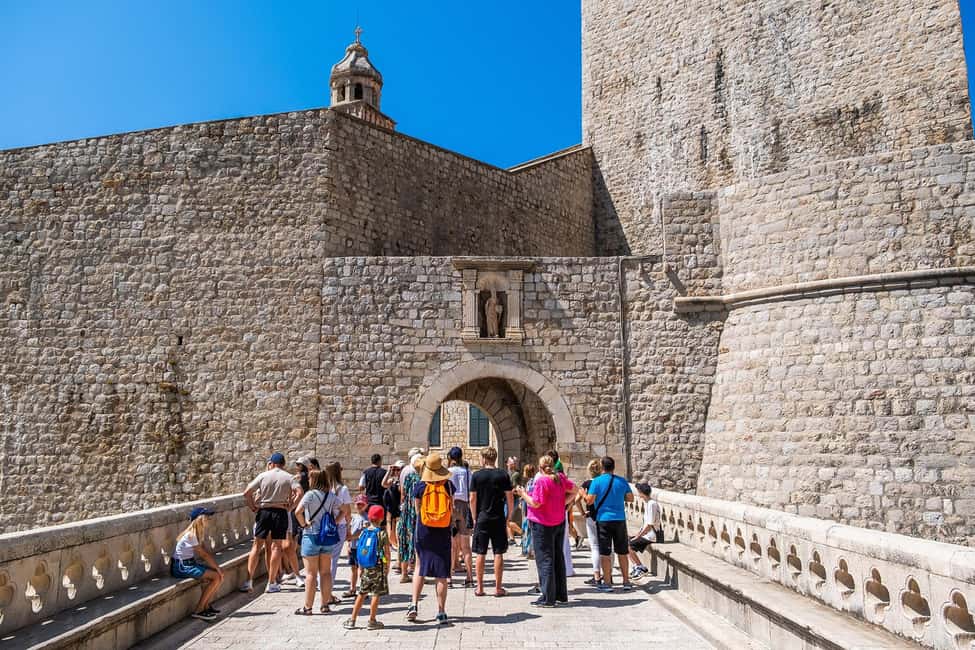
As you go through Pile Gate, you’re stepping into the ceremonial entrance of Dubrovnik’s Old Town. This is where the city starts to read like a story: walls meant to protect, gates meant to control access, and streets meant to guide people toward commerce and power.
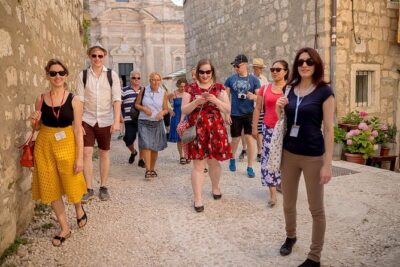
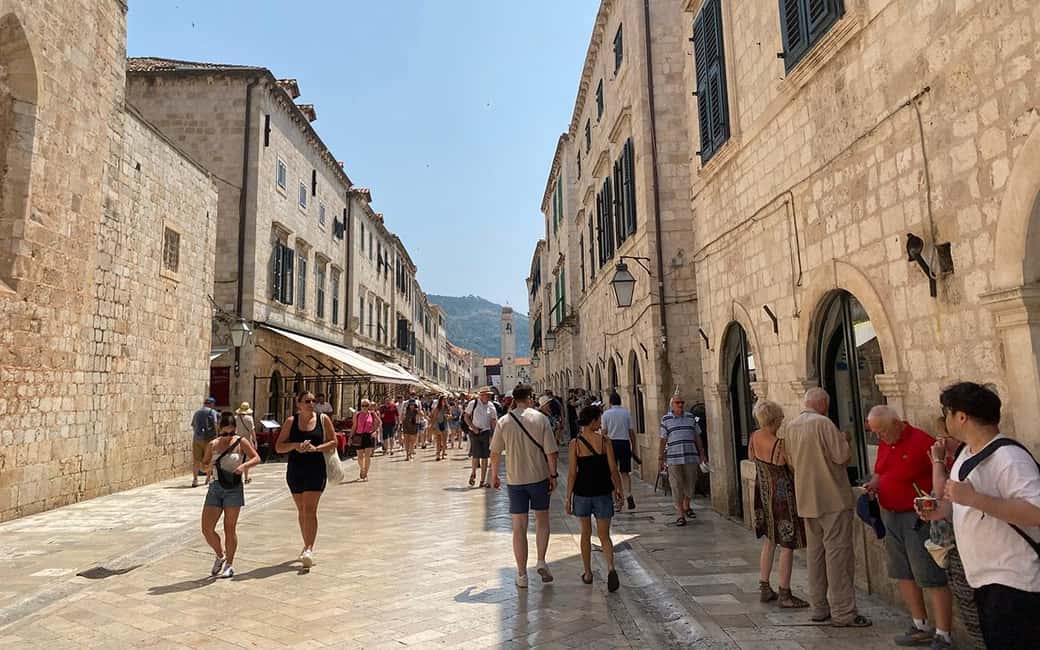
Then you hit Stradun, Dubrovnik’s main street—long, straight, and photogenic, but also busy when cruise crowds line up. The guide’s job here is useful: instead of you guessing what you’re looking at, you get context. You learn what landmarks are doing in the city plan, and why the street feels the way it does.
I also like the pacing through Stradun because it gives you momentum. You’re not just staring at buildings; you’re walking the same corridors where daily life still exists in a modern form, wrapped in medieval stone.
Onofrio’s Fountains and St. Saviour Church: small breaks with real meaning
One of the most enjoyable moments starts near the start point: a fountain where you can take a sip of water said to be fresh and drinkable. It sounds like a tiny thing, but in Dubrovnik’s heat it becomes a practical win. You stop, you cool down, you reset—then you keep walking.
Later, you’ll see Onofrio’s Fountain itself, and this is a classic reason people come to Dubrovnik’s Old Town: it’s distinctive, dramatic, and easy to photograph without trying too hard. Nearby, you also spend time looking toward St. Saviour Church.
These stops work well because they combine architecture and function. Water fountains weren’t just decoration; they were infrastructure. When you connect that to the way the street was designed for movement, the city starts to make more sense than if you just read plaques.
The Cathedral of the Assumption: a landmark worth the stop
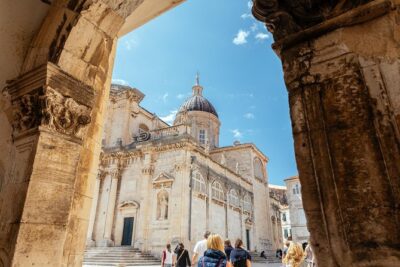
You’ll also visit the Cathedral of the Assumption. Even if you’re not a church-details person, cathedrals like this are Dubrovnik’s emotional center in a way. They’re tied to how the city saw itself—its identity, its leadership, its priorities.
What makes a guided stop valuable here is timing and direction. You get pointed toward what matters and what you can safely skip for now. That helps if you’re planning other attractions later (like more time on the walls or museum stops outside the route).
Along the way, you may also pass the Natural History Museum area, which helps you orient yourself for future wandering if you decide to return later.
Franciscan Monastery and the old-pharmacy idea (optional, but powerful)

You pass by the Franciscan Monastery, known for housing one of the world’s oldest pharmacies. This is exactly the kind of Dubrovnik detail that feels like it belongs in a film—except here it’s tied to everyday history and how people managed health.
Important: the monastery visit itself is optional. You can buy entry tickets on site if you want to go inside, and the same goes for related ticketed sites (including city walls). If you love hands-on, specific stories—medicine, trade, old-world daily life—this is the place where your guide’s explanations can make the stop feel “real,” not just impressive from the doorway.
If you’re short on time or tired from steps, you can still benefit from the exterior orientation and continue without losing the main value of the tour. The guide is setting you up to understand why the monastery matters even if you don’t enter.

Jesuit Stairs: yes, there are steps—yes, the view helps
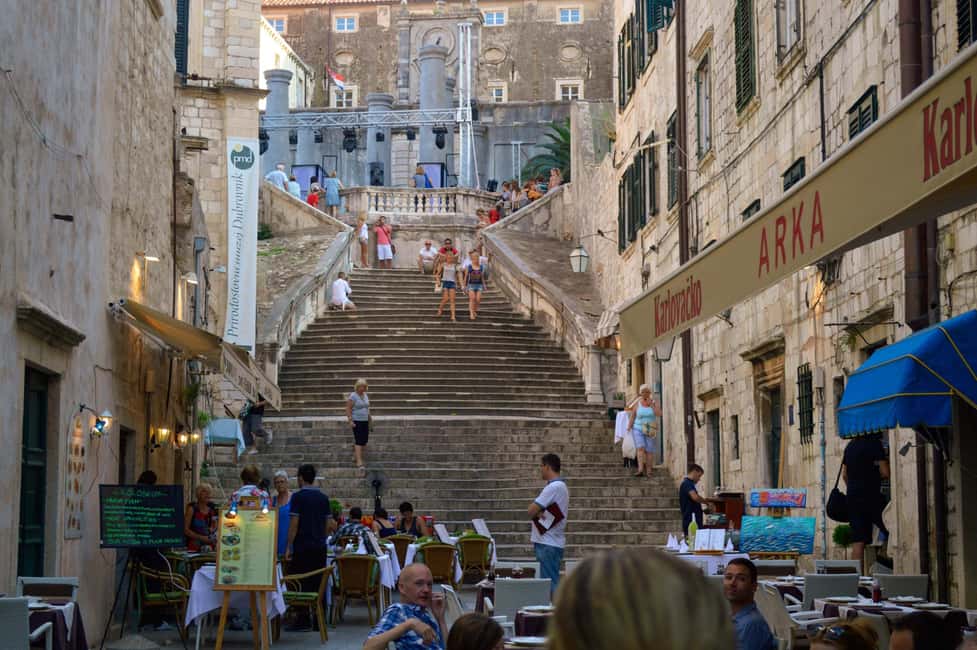
No way around it: Jesuit Stairs means climbing. Your guide includes time for a photo stop and keeps you moving so you’re not scrambling for footing.
This is also where Dubrovnik rewards you for effort. The stairs connect levels of the city, so once you reach the top, the views help you understand Dubrovnik’s geometry: layers, angles, and the way the Old Town stacks above sea level.
One useful tip for getting through this comfortably: go slow on the ascent and use the railing when it’s available. The stones can be slick, especially if the weather is cool or wet. It’s not a long climb, but it’s a climb, and being prepared makes it enjoyable rather than stressful.
Orlando’s Column and Luža Square: quick hits with story value
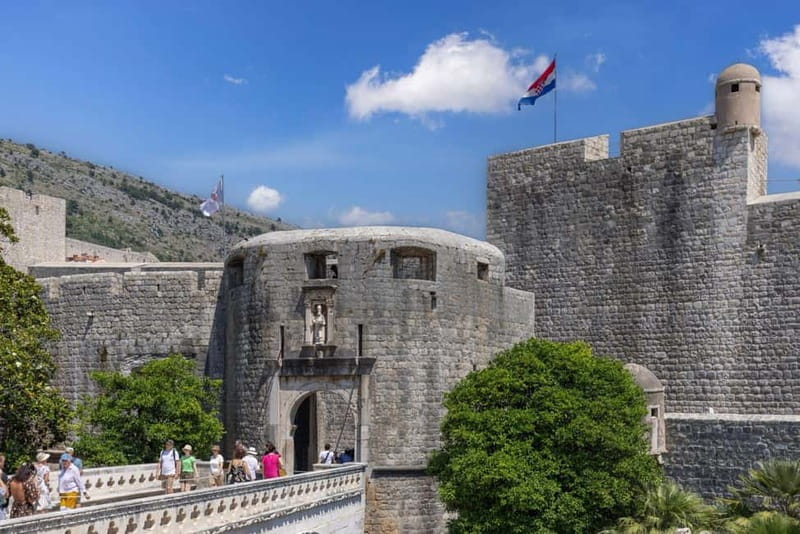
You’ll also pass Orlando’s Column and spend time around Luža Square’s Clock Tower area. These stops can feel like “just landmarks” if you’re rushing. With a guide, they turn into a quick history lesson about the city’s public life and the way power shows up in stone.
This is where good guiding matters most. The guide isn’t just reciting dates; they connect features in the square to what Dubrovnik was trying to accomplish—order, authority, and civic identity.
I like these brief stops because they let you keep the walking rhythm. You don’t feel like you’re constantly stopping for long museum-style explanations. It stays active, but you still learn.
City walls: photo moments are included, a guided walk is optional
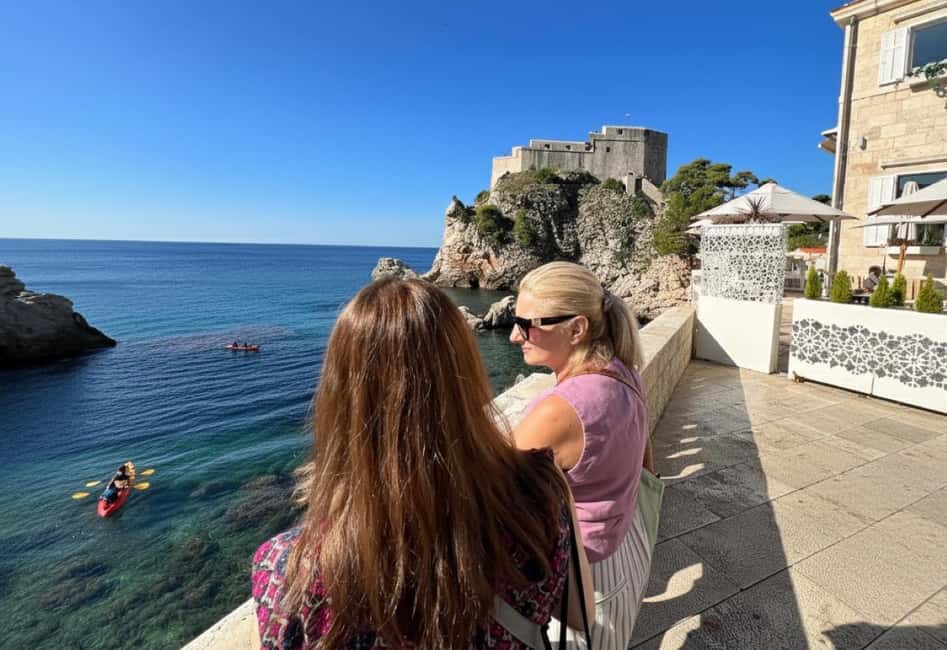
You’ll enjoy photo stops connected to the Walls of Dubrovnik area, and the tour ends near the walls. The included part here is the guided walking tour of the Old Town core, plus the street-level experience that gets you to the wall areas.
A guided walk on the city walls is listed as a private option only. Also, entry tickets for walls are not included and can be purchased on site or sometimes handled with a DU PASS. So if your dream is to walk the full wall circuit, build that time and ticket decision into your day.
If you’re the kind of person who gets overwhelmed by ticket logistics, here’s the practical approach:
- If you want the walls, decide early and plan the purchase.
- If you want the stories and views without committing to the full wall walk, the included photo stops are a solid taste.
The harbor walk and spice tasting: calmer, more local, and memorable

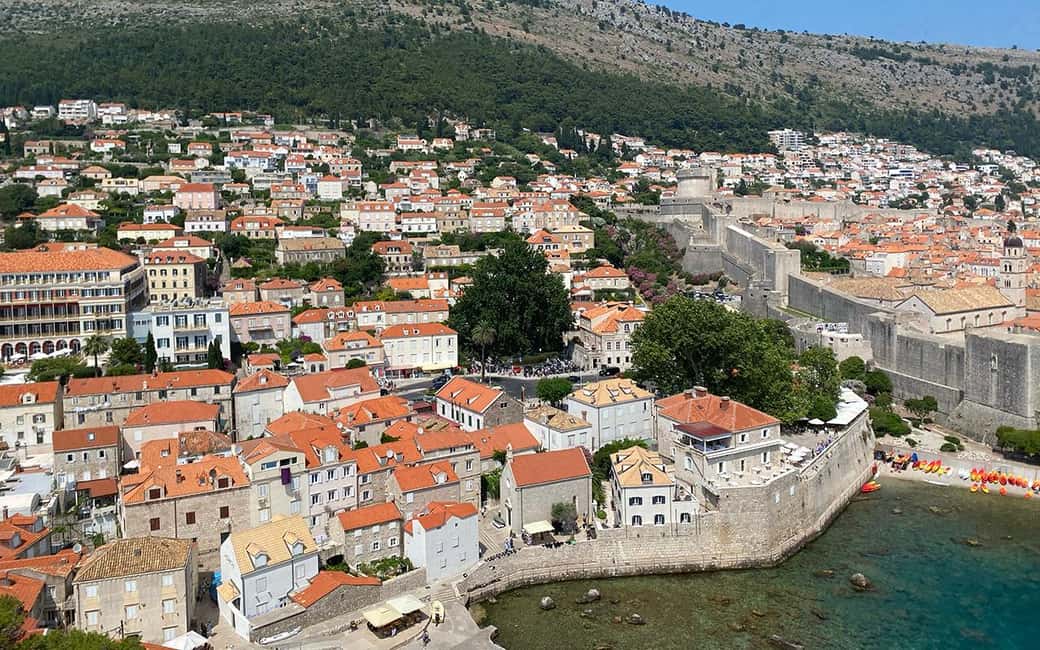
After the sightseeing core, the tour shifts tone. You get a peaceful stroll along the harbor, where the sea meets the stone walls. This is a nice contrast to the tight lanes of Stradun. Your eyes get breathing room, and you can feel how the city relates to water—protection on one side, trade and movement on the other.
Then comes the part that turns the walk into something you can take home: a local spice tasting. Even if you think you’re not a “food tour person,” it’s worth paying attention because it connects Dubrovnik’s identity to the trading world that shaped Dalmatia over centuries.
This finale also gives you a natural ending point. You’re not finishing back at a loud restaurant; you’re finishing near the walls with the sea in view, which makes Dubrovnik feel bigger than the street-by-street checklist.
What you’re paying for: $26 and how the value works
At $26 per person for about 2.5 hours, this tour sits in the “good value” zone for Dubrovnik Old Town. Why? Because you’re buying more than access to landmarks. You’re buying:
- A guided route that helps you understand what you’re seeing (and where to look next)
- Time-saving navigation through a complex area
- A finishing experience (spice tasting) that isn’t just another church photo
The cost does not automatically include everything. Optional entries (like the monastery) and ticketed wall time are separate decisions. That’s not a downside; it’s actually a chance to match the tour to your energy level. If you’re museum-fatigued, you can skip extras and still get the full story arc.
Also, you get skip the ticket line listed with the experience. That can matter if you hit optional entries later in the day, when lines form.
Guides on this tour: why the stories are part of the deal
This tour’s biggest strength is the human factor: the guiding. Past groups have been led by guides such as Petra, Dubravka, and Indira, and the common thread is clear—people like these guides explain history in a way that feels tied to daily life, not just dates.
One guide style detail I’d take seriously if you care about pop-culture connections: Petra has been praised for calling out Game of Thrones scenes spots. That can be a fun layer, even if you’re only mildly into the show.
Another recurring theme from the guiding quality is how questions are handled. If you ask things like why a gate looks a certain way or what life in the city was like, the guides you’ll encounter here are set up to answer, and they can adjust pacing for the group.
Some runs also feel small enough that your guide can tailor things a bit, which makes a short tour feel more personal than you might expect.
Practical tips to make the walk smoother
A few things will make the difference between a fun wander and a grumpy scramble:
- Shoes matter: old stone can be slick and uneven.
- Sun protection: Dubrovnik sun is real. Bring sunglasses and hat.
- Skip bulky gear: baby strollers aren’t allowed, and luggage or large bags aren’t the right call.
- Don’t plan on a relaxed pace with wheel access: the tour is not suitable for wheelchair users.
- Bring cash: optional tickets are handled on site.
- Weather helps you decide: cool or rainy weather is still doable, but watch footing around stairs and narrow lanes.
Who this tour fits best (and who should choose something else)
This is a great fit if you want a guided Old Town overview without spending your whole day buried in details. It’s also ideal if you’re visiting Dubrovnik for the first time and want the major anchors—Pile Gate, Stradun, key churches, and the harbor area—plus a memorable ending with spices.
Choose something else if you:
- Need a wheelchair-friendly route (this one is not suitable)
- Hate stair-heavy walking and steep steps
- Want a full, self-paced city-walls circuit as the main event (this tour includes photo stops and places walls time as optional/ticketed)
Should you book Dubrovnik: Pile Gate & Old Town with spices?
Book it if you want a smart, short guided walk that covers the Old Town core and gives you a few moments you’ll remember for reasons beyond photos—water at the fountain, stairs with a view, and spice tasting by the harbor.
Skip or pair it differently if your top priority is a full city-walls walk on your own terms. In that case, plan the walls entry separately and use this tour for the storytelling and the streets-level orientation.
If you’re doing Dubrovnik for the first time, I’d say this tour is a solid starting move. It helps you understand the city quickly, and that makes everything else you do afterward feel easier.
FAQ
How long is the Dubrovnik Old Town tour?
The tour lasts about 2.5 hours.
Where do we meet the guide?
Meet your guide in front of Nautika Restaurant, behind the statue of Aphrodite and Pan.
Where does the tour end?
The tour ends back at the meeting point.
What are the main stops on the tour?
You’ll see Pile Gate, Onofrio’s Fountains, Stradun, St. Saviour Church, the Franciscan Monastery area (optional entry), the Cathedral of the Assumption, Jesuit Stairs, Orlando’s Column, Luža Square’s Clock Tower area, and finish near the Walls of Dubrovnik with a harbor walk and spice tasting.
Is the Franciscan Monastery included?
The monastery visit is optional and not included. Entry tickets can be purchased on site.
Are city walls tickets included?
Entry tickets for the city walls are not included. You can purchase them on site, and a DU PASS may cover entry.
Does the tour include walking on the city walls?
A guided walk on the city walls is available only as a private option. Regular included parts include stops near the walls and photo moments.
Are there steps and difficult walking surfaces?
Yes. The old city streets and areas can be slippery and narrow at times, and there are stairs (including Jesuit Stairs). It is not suitable for wheelchair users.
What languages are offered for the guide?
The live guide is available in English, Spanish, and German.
What should I bring, and is cash useful?
Bring sunglasses, a sun hat, sunscreen, comfortable clothes, and cash.