REVIEW · DUBROVNIK
Dubrovnik to Athens; Semi – Private tour with Tour Leader & Car
Book on Viator →Operated by Choose Balkans · Bookable on Viator
Dubrovnik to Athens is not a straight shot. It’s a 14-day Balkan road trip that strings together Bosnia, Montenegro, Albania, Kosovo, North Macedonia, and Greece with UNESCO sites you’ll actually walk through.
Two things I love: the small group feel (max 10) with a professional tour leader, and the fact that this is built around real places—old bridges, Ottoman houses, monasteries, bazaars, and viewpoints—rather than a slideshow. You get hotel pickup in Dubrovnik Town too, with a driver who handles the logistics, including border timing.
One consideration: a few days involve longer drives, so you’ll want to pack patience (and water) for the road time. It’s worth it, but it’s not a light, slow vacation.
In This Review
- Key highlights at a glance
- First, the Dubrovnik to border start: pickup, meeting point, and how the day flows
- Mostar and Bišćevića Kuća: Stari Most, the Old Bazaar, and Ottoman home life
- Sarajevo on foot: Latin Bridge, war marks, and Ottoman-style coffee timing
- Blagaj to Kotor: spring water in Albania-adjacent Bosnia, then Montenegro’s UNESCO old town
- Montenegro coast to Albania north: Budva, Sveti Stefan, Shkodra, and handmade masks
- Slow food in Mrizi i Zanave and Prizren’s mosque, fortress views, and food culture
- Gjakova bazaars, Decan monastery frescoes, and wine country around Rahovec
- Kruja: medieval bazaar streets, fortress shopping, and the Albanian resistance story
- Tirana food tour: Byrek, markets, second-hand finds, and grape raki
- Ohrid and Lake views: St. John at Kaneo, 365 churches, and handmade paper
- St. Naum, Tushemisht, and Drilon: monastery springs and quiet park time
- Berat’s 1001 windows: castle walls, Onufri museum, and hilltop neighborhoods
- Gjirokastër and the Stone City effect: fortress homes, folklore timing, and The Barrels winery lunch
- Meteora and the endgame: Ioannina old streets and monasteries on rock
- Price and logistics: why this costs what it costs
- Who should book this Balkan road trip from Dubrovnik to Athens?
- Book or skip: my take on the Dubrovnik to Athens choice
- FAQ
- What language is the tour offered in?
- How many travelers can be on the tour?
- Where do I get picked up in Dubrovnik?
- Are attraction entry tickets included?
- What’s included for meals?
- Is the trip refundable if I cancel?
Key highlights at a glance
- Hotel pickup in Dubrovnik Town, with a driver that shuttles you to the border area where you meet the tour leader
- UNESCO day after day, from Stari Most to Kotor, Ohrid, Berat, Gjirokastër, and Meteora
- Ottoman and Islamic architecture focus, including Mostar’s bridge and Sarajevo’s coffee stop plus Ottoman-style house at Bišćevića Kuća
- Food moments built in, like the Ottoman coffee in Sarajevo and the Tirana food tour with Byrek and grape raki
- Plenty of guided structure but time to wander, including free afternoons in Kotor, Prizren, and multiple towns
First, the Dubrovnik to border start: pickup, meeting point, and how the day flows
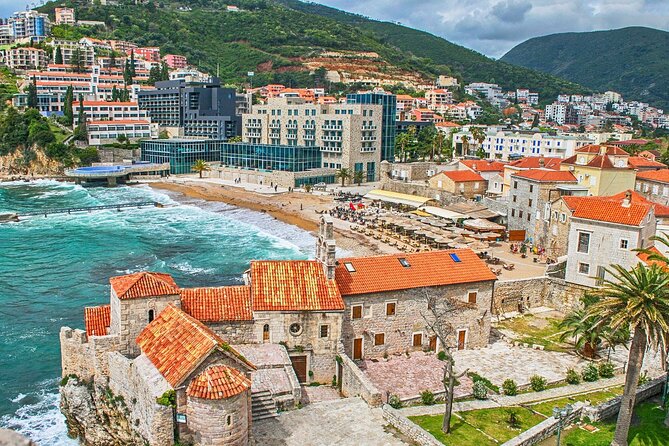
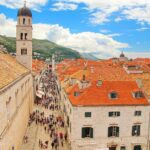
The tour starts bright and early at 7:30 am, meeting at Platska ul. 7 in Dubrovnik. After you explore Dubrovnik on your own, your driver or local representative picks you up from the nearest possible spot in Dubrovnik Town. Cars may not enter some parts of the historic center, so expect a short shuttle adjustment before you’re on the move.
From there, the drive heads toward the border area. This is when you meet your tour leader for the rest of the trip. It’s a smart way to avoid chaos: you don’t have to figure out transportation, and you can focus on the first big stop once you’re across.
You can also read our reviews of more private tours in Dubrovnik
Mostar and Bišćevića Kuća: Stari Most, the Old Bazaar, and Ottoman home life
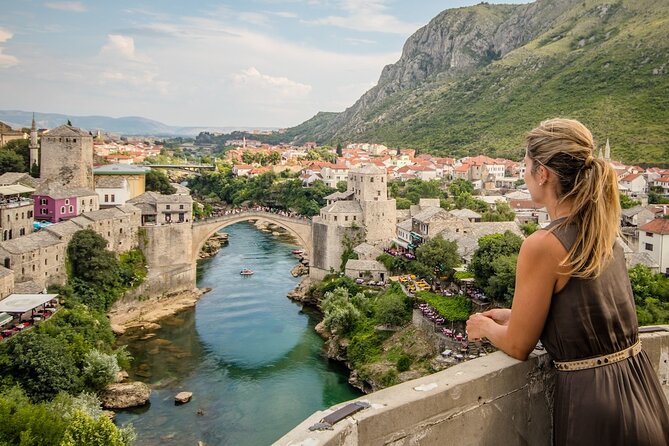
Crossing into Bosnia and Herzegovina, you’ll land in Mostar with Stari Most (the Old Bridge) as the anchor stop. The bridge sits inside a UNESCO setting, and you’ll get the iconic view while also learning why the area matters historically and architecturally. If you like places where cultures overlap, Mostar delivers—Ottoman-era streets meet newer city layers as you wander.
Then you’ll walk through the Old Bazaar, where the atmosphere feels very lived-in: cobbled lanes, colorful shops, old mosques, and that “maze” effect that makes you turn corners just to see what’s next. The tour also notes the memorial stones with Don’t Forget messages, which gives the visit a grounded, human context beyond the postcard.
After that, you’ll visit Bišćevića Kuća (Biscevic House), a preserved Ottoman riverside residence from the 17th century. This is the kind of stop I like on multi-country tours because it slows you down. You can picture how wealthier families lived—right there in the architecture and layout—and it makes the Ottoman theme feel tangible, not theoretical.
Sarajevo on foot: Latin Bridge, war marks, and Ottoman-style coffee timing
Sarajevo arrives after breakfast, and the first thing you’ll notice is how walkable history can still be visible. The tour includes time on uneven terrain and references ruins and reminders from the Yugoslav War, including bullet holes and cannon marks you can see around town.
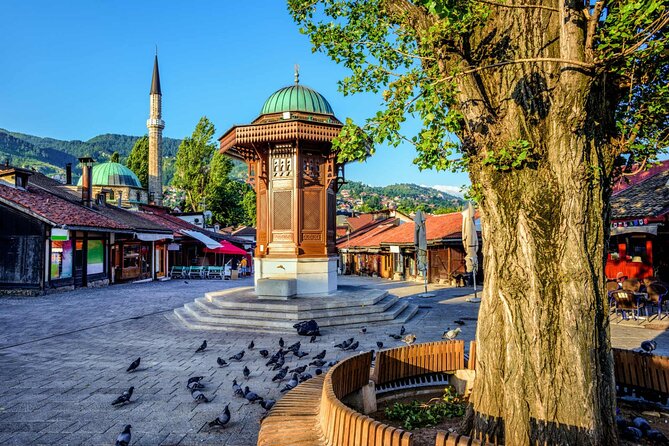
You’ll also get a guided look at how Sarajevo formed through different eras: medieval Bosnian Kingdom roots plus Ottoman and Austria-Hungarian influences. That matters because Sarajevo is often described in big-brush terms, but here you’ll see the mix in markets, bazaars, mosques, churches, and synagogues.
A highlight is the Latin Bridge stop, tied to the story of how World War I was triggered in this area. It’s the kind of detail that makes you look at a structure and then ask what happened beyond the stone.
And yes, there’s a break: the tour includes one complimentary Ottoman-style coffee or tea at Caffe Divan. It’s built at a good moment—after the major walking and before you move on—so you can reset.
Blagaj to Kotor: spring water in Albania-adjacent Bosnia, then Montenegro’s UNESCO old town
Day 3 turns scenic. You’ll visit Blagaj, just outside Mostar, where the Buna spring and the cliff setting create a calm, almost cinematic arrival. The tour frames it as a small Ottoman medieval town, so even when you’re looking at nature, you’re also reading the human story in how the area developed.
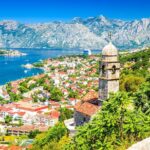
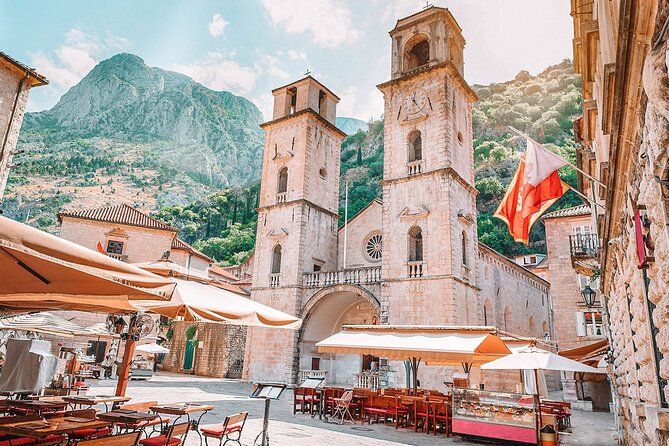
Then you drive onward to Kotor, Montenegro—another UNESCO stop. The old town’s street plan feels chaotic at first, but you’ll learn it was intentional. It was designed to confuse intruders who tried to plunder the town, and today that pattern is part of why the streets feel so fun to explore.
You’ll wander the old town maze, and you’ll also visit Saint Luke’s church, which holds special local meaning as a symbol of unity. The tour then leaves you with time to explore on your own, which I appreciate because Kotor rewards slow wandering: short alleys, plaques, and tiny views around every corner.
Montenegro coast to Albania north: Budva, Sveti Stefan, Shkodra, and handmade masks
Budva starts the day with the split between modern and old. You’ll have a guided look at Old Budva, including key churches like St. Ivan and St. Mary, plus medieval features inside the historic core. It’s a useful contrast after Kotor—same Adriatic region feel, but with a different urban personality.
Next is a brief stop near Sveti Stefan, famous for its resort history. The island itself is no longer accessible, but standing near the shoreline gives you that iconic photo view. This one is short on purpose, and that works because you’re not wasting time—you’re grabbing the moment, then moving north.
From there you head to Shkodër, one of Albania’s oldest cities with history that runs deep into Illyrian and Venetian-influenced periods. You’ll visit Rozafa castle, with big views over the lake and three rivers meeting toward the Adriatic. Even if you don’t love long viewpoints, it’s one of those stops where the perspective helps you understand why cities developed where they did.
The day also includes a cultural craft stop at the Venice Art Mask Factory in Albania. You’ll see papier-mâché masks made by hand and decorated entirely by hand—this is the kind of workshop stop that’s easy to remember later because you can connect it to real objects, not just buildings.

Slow food in Mrizi i Zanave and Prizren’s mosque, fortress views, and food culture
Day 5 is where the tour shifts from monuments to everyday life. You’ll visit Mrizi i Zanave (Restorant Agroturizëm), described as one of the best slow-food agro-tourism farms in the Balkans. You’ll take a farm tour focused on how regional bio products are collected, preserved, and shared, plus how the business created jobs in the surrounding area.
This is also a meal-friendly stop. You’ll have free time to enjoy lunch there or buy local produce. I like this kind of break because it gives you real fuel for the next driving day.
In the afternoon you continue to Prizren, often described as Kosovo’s cultural capital. The walk is centered on the old town and river setting, with bridges and historic architecture tied to Illyrian, Byzantine, and Ottoman crossroads history. It’s a place where religious tolerance is part of what you experience in the city layout.
You’ll visit the Sinan Pasha Mosque for interior pattern and color. Then you’ll get fortress views at Kalaja Fortress, with a panorama from above the city. That’s usually the point where the whole day makes sense—you look down, and it becomes clear how the streets and bridges connect.
Gjakova bazaars, Decan monastery frescoes, and wine country around Rahovec
Day 6 is three strong stops, and they each have a different “feel.”
First is Gjakova, known for the oldest and largest bazaar in Kosovo. The tour notes that it was destroyed during major conflicts but rebuilt to its former form. When a bazaar survives and returns like that, it turns shopping time into something more meaningful than souvenirs—it becomes continuity.
Next is the Monastery of Deçan, known for its white look and for living Orthodox monks still making fresh organic food on-site, including cheeses. The monastery is part of UNESCO (since 2004), with frescoes that portray 14th-century life and the Palaeologan renaissance in Byzantine painting. Even if you’re not an art-history person, it’s a powerful stop because it’s lived-in, not frozen.
Then you drive to Rahovec, described as the viticulture capital of the Prizren region. Vineyards in the hills around 350–520 meters above sea level help explain why wine matters here. You’ll also get the time and seasonal note about a wine festival in September.
You finish the day with an overnight in Prizren, so you can return to dinner and a relaxed walk instead of rushing right back onto the road.
Kruja: medieval bazaar streets, fortress shopping, and the Albanian resistance story
Day 7 focuses on Kruja, a symbol of Albanian resistance against Ottoman expansion during the 15th century. The tour takes you through the Medieval Old Bazaar, with narrow lanes and wooden houses that make the city feel like a step into earlier centuries. The altitude setting also helps you feel how defensible this place was.
You’ll then visit Kruja Castle and get a guided look at how the location helped protect the city. The tour also mentions hidden paths locals used to leave the castle without being noticed during enemy pressure. It’s a detail that turns the castle walls from scenery into strategy.
There’s time to shop and eat. The castle stop includes a note that you’ll find souvenirs here, including handmade items like carpets and jewelry. If you like craft shopping, this is one of your best days to pick up something that looks like it was made slowly, with care.
Tirana food tour: Byrek, markets, second-hand finds, and grape raki
Day 8 becomes a “local life” day in Albania’s capital. The tour includes discovery with a local companion and food as a core thread. It’s structured enough to keep you moving, but it still feels like you’re learning the rhythm of the city.
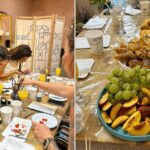
You’ll start with Tregu Çam and a chance to try Byrek, the classic Albanian pastry with thin layers and fillings like cheese, meat, or spinach. The tour also includes time in the Çam bazaar area where you can buy goods and bargain.
Then you move through neighborhoods and stop at Pazari i Ri. Here you’ll visit a lively market known for second-hand goods. I like this stop because it gives you a different kind of souvenir option: you’re not just buying a small replica; you might find an item with a story.
The day finishes with a traditional Albanian meal and tasting Albanian grape raki. You’ll also be told to come hungry. That’s not a joke—by the time the meal is served, you’ll want that fuel.
Ohrid and Lake views: St. John at Kaneo, 365 churches, and handmade paper
Day 9 heads into North Macedonia with Struga as the first quick stop by the Drini River. It’s a short break that helps you stretch your legs and reset your travel brain before arriving at the UNESCO site of Ohrid.
In Ohrid, the tour includes a visit to Church of St. John at Kaneo, giving you a viewpoint over the lake. You’ll also learn why Ohrid became important for Orthodox believers, and the well-known claim that there are 365 Orthodox churches, one for each day of the year.
The architecture gets attention too. During the Ottoman era, houses were built in ways that created narrow streets, tunnels, and tiny yards on the hilly terrain—so even dense neighborhoods had lake views.
There’s also a small but memorable cultural stop: the National Workshop for Handmade Paper Ljupcho Panevski, a paper museum. You’ll learn about handmade paper techniques and have the chance to buy handmade paper as a souvenir.
St. Naum, Tushemisht, and Drilon: monastery springs and quiet park time
Day 10 starts with St Naum, located near the source of the Crni Drim River and connected to the Galicica area. The tour frames it as a protected natural setting with crystal-clear spring water reflecting greenery and peaks. This is one of the stops where the timing and setting make the photos better, but the real value is the quiet and atmosphere.
You’ll then cross back toward Albania, stopping at Tushemisht for handmade product vendors—preserves, honey, herbs, and small souvenirs made by locals. It’s short, but it’s good for a conversation-style stop if you like meeting sellers.
The day also includes Drilon National Park, with springs forming a small lake and a relaxing shoreline scene with weeping willow trees. It’s the kind of break that makes the long-drive days feel less exhausting.
Berat’s 1001 windows: castle walls, Onufri museum, and hilltop neighborhoods
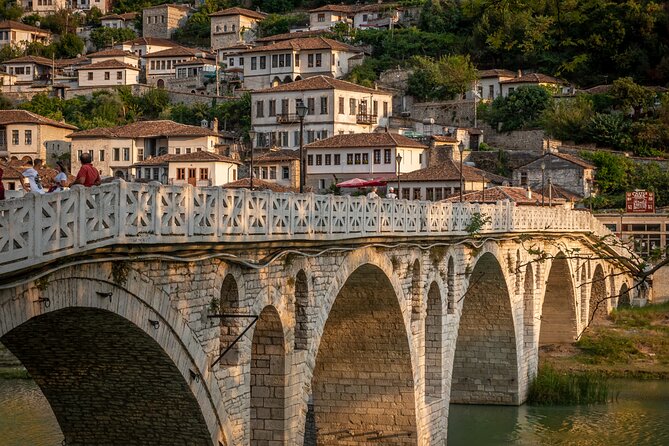
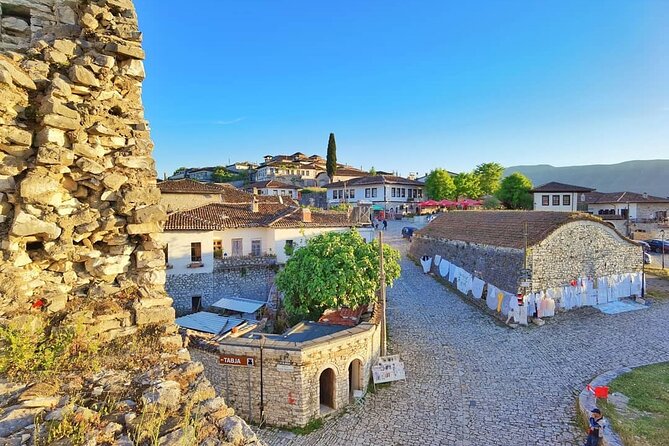
Day 11 brings you to Berat, UNESCO-listed as the town of 1001 windows. Walking through narrow stone streets lets you see medieval houses stacked on steep hillsides, with windows visually layered like steps.
The tour also visits Berat Castle, where you’ll find ancient churches and mosques, plus a lively lower town, museums, and even references to communist-era remnants. You’re getting more than one era in a single footprint.
Then you’ll stop at the National Iconographic Museum Onufri, tied to the painter Onufri and his reddish color used in churches across the Balkans. Even if you only remember one art detail, it’s a good pairing with the window-and-wall feel of the city.
The day also includes a visit to Gorica Bridge and the Gorica neighborhood, giving you extra perspective beyond the castle and central areas.
Gjirokastër and the Stone City effect: fortress homes, folklore timing, and The Barrels winery lunch
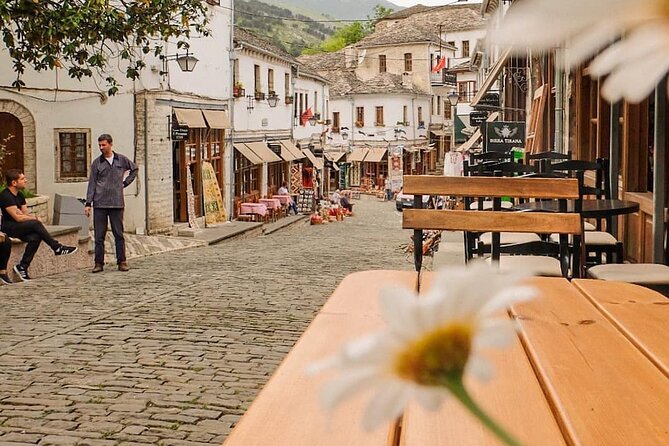
Day 12 is Gjirokastër, called the Stone City. You’ll learn how the city resembles a fortress, and how the castle area connects to the origins and the preservation of medieval architecture. This is one of those towns where the shape of the hillside does a lot of the storytelling for you.
The tour includes time in the old town and mentions that every five years the city becomes the Albanian capital of folklore and traditional music. Even if you’re not there during that specific cycle, the lesson matters: this place isn’t just old walls; it has living cultural rhythms tied to music and costume.
You’ll pass by the medieval bazaar and visit a best-preserved house where everything is original and authentic. That’s the practical value: when the town is this steep and stone-heavy, the house visit helps you understand how daily life worked.
Finally, you’ll go to The Barrels Winery for free time around a family-run vineyard and lunch in the countryside setting. It’s a relaxed finish before the final leg of the trip.
Meteora and the endgame: Ioannina old streets and monasteries on rock
Day 13 starts with Ioannina, where the tour focuses on cobbled old-town streets and visible Byzantine and Ottoman-era architecture. You’ll visit Ioannina Castle, with labyrinth-like narrow streets inside. It’s a good day for cafes and lingering because the route gives you time to wander and choose where to stop for food.
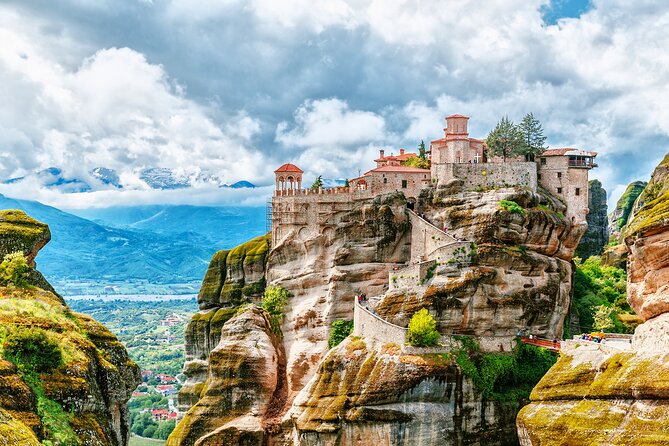
Then comes Meteora, another UNESCO highlight. The monasteries sit atop dramatic rock formations, and the tour includes a focus on a standout sunset moment. That’s one of the rare chances in this part of the world where your planning pays off in lighting, timing, and views all at once.
Day 14 ends with drop-off in Athens, or in a variant where you’re dropped at Igoumentisa Port and take a ferry (tickets included) to Corfu port. Either way, you finish with a clear next transport step handled for you.
Price and logistics: why this costs what it costs
At $6,020.56 per person for a roughly 14-day experience, the price looks high until you break down what’s happening. You’re paying for a long multi-country route with private transportation, professional leadership, and real guided visits with entry tickets included for the sites that are visited.
You also get 3-star hotel accommodations with breakfast on multiple nights (13 breakfasts are listed), plus tourist taxes. Add the items that are often forgotten in DIY travel—international car insurance, road taxes, and petrol—and the value math gets clearer.
One more practical detail: the price is calculated for double/twin/triple/quad occupancy in 3-star hotels. If you’re traveling solo, your total may not match what you see advertised for shared rooms, since the specific occupancy basis is stated.
In short: you’re not just buying views. You’re buying transportation time, guided context, and the peace of not having to coordinate borders and day-to-day movement.
Who should book this Balkan road trip from Dubrovnik to Athens?
This tour fits best if you want:
- A multi-country sampler with enough guided context to make the places stick
- A mix of major UNESCO stops plus smaller architecture and craft moments
- A semi-private feel with max 10 people, so you’re not swallowed by a giant bus day
- Time to wander on your own, not just checklists
It may not fit if you hate road time. If you want mostly city hopping with minimal driving, you’ll feel the pace more than someone who likes long scenic segments.
Book or skip: my take on the Dubrovnik to Athens choice
I’d book this if you like learning while walking—bridges, monasteries, bazaars, and the stories behind each place. The best part is how the trip keeps switching modes: architecture to food, fortresses to markets, viewpoints to monastery quiet. You get enough structure to understand what you’re seeing, then enough free time to experience it at your own speed.
Skip it only if your priority is light, short days with minimal transfers. This is a road-trip style experience. Plan your energy like you would for a backpacking route: comfortable shoes, snacks between meals, and a relaxed attitude when the schedule moves on.
FAQ
What language is the tour offered in?
The tour is offered in English.
How many travelers can be on the tour?
The tour has a maximum of 10 travelers.
Where do I get picked up in Dubrovnik?
Pickup is offered from the nearest point of your hotel within Dubrovnik Town. Cars may not enter some parts of Dubrovnik Town.
Are attraction entry tickets included?
Yes. Entry tickets for the sites that will be visited are included.
What’s included for meals?
Breakfast is included (13 breakfasts are listed). Lunches, dinners, drinks, and snacks are not included, except for a few set food moments like the Sarajevo Ottoman coffee and the Tirana food tour meal.
Is the trip refundable if I cancel?
No. This experience is non-refundable and cannot be changed for any reason. If you cancel or request an amendment, the amount paid is not refunded.