REVIEW · STON
Wine tasting on Peninsula Pelješac wine tour from Dubrovnik
Book on GetYourGuide →Operated by Ragusa Tours · Bookable on GetYourGuide
Wine and walls in one day. I like that this trip links Ston and Mali Ston (medieval walls, salt, oysters) with real Pelješac winery visits, not just a quick drive-by. I also like the coast-first route from Dubrovnik, with plenty of chances to stop and look out over the Adriatic. One thing to watch: the headline price doesn’t cover wine tastings in the way you might expect, since tastings are paid separately.
You start with hotel pickup from Dubrovnik, ride in an air-conditioned vehicle, and head out toward the Pelješac peninsula across the modern Franjo Tudman Bridge. Along the way, your guide shares context about what you’re passing, including ancient fishing villages and the culture tied to the sea.
Ston is where the day slows down for walking, optional sights, and lunch at your own pace. If you’re the type who wants to do everything inside Ston (like the city walls or salt pens), budget extra time and money, because those entrances aren’t included.
In This Review
- Key moments that make this tour worth your time
- Pelješac Day Trip From Dubrovnik: Why This Route Works
- Hotel Pickup to Franjo Tudman Bridge: The Easy Start
- Ston and Mali Ston: Walls, Salt, and Oysters
- A practical note about optional Ston entrances
- Lunch in Ston: Fuel Without Losing the Day
- Pelješac Drive: Coastal Views and Photo Stops You Can Actually Use
- Family-Run Wineries On Pelješac: How the Tastings Fit In
- What to look for while tasting
- Trstenik Stroll: A Quiet Finish Before Dubrovnik
- Price and Logistics: What $71 Really Covers
- Best budget mindset
- Who This Tour Is Best For (And Who Should Skip It)
- Should You Book This Pelješac Wine Day Trip?
- FAQ
- How do I get to the Pelješac peninsula from Dubrovnik?
- What parts of the tour are guided?
- Is wine tasting included in the tour price?
- How much time is spent in Ston?
- Are lunch and entrance tickets included?
- What language is the tour in?
- Can I reserve without paying right away?
Key moments that make this tour worth your time
- Ston and Mali Ston walking focus with the medieval walls stretching about 7 km (4.3 miles)
- Oysters tied to local legend, including the story of Roman emperors shipping them to Rome
- Salt wealth story from an old salt factory area that made the region famous in southern Europe
- Family-run winery stops on Pelješac with wine tasting included as a paid add-on (not in the base price)
- Coastal photo stops along scenic roads toward Trstenik
- Trstenik stroll that gives you a quieter, village feel before heading back
Pelješac Day Trip From Dubrovnik: Why This Route Works
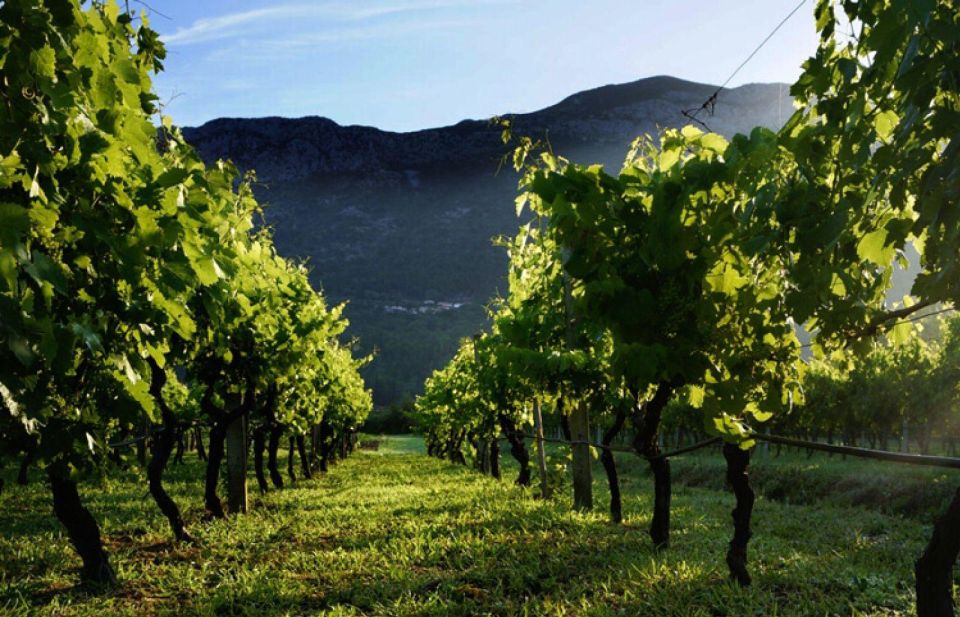
This is the kind of day trip that makes sense if you want more than one “wow” per hour. You get history you can actually walk through (Ston’s walls area), then you switch gears to wine country on Pelješac, where the peninsula’s reputation isn’t just marketing.
I like that it feels purpose-built: Ston sets the stage with salt and sea food, and Pelješac follows with grape growing and local wine culture. You’re also not stuck staring out a window the whole time. There are stops for views, photo moments, and guided walking.
The main trade-off is time. With a full day packed between Dubrovnik and the peninsula, you’ll want to keep lunch and any optional entrances simple so you don’t feel rushed later.
You can also read our reviews of more tours and experiences in Ston.


Hotel Pickup to Franjo Tudman Bridge: The Easy Start
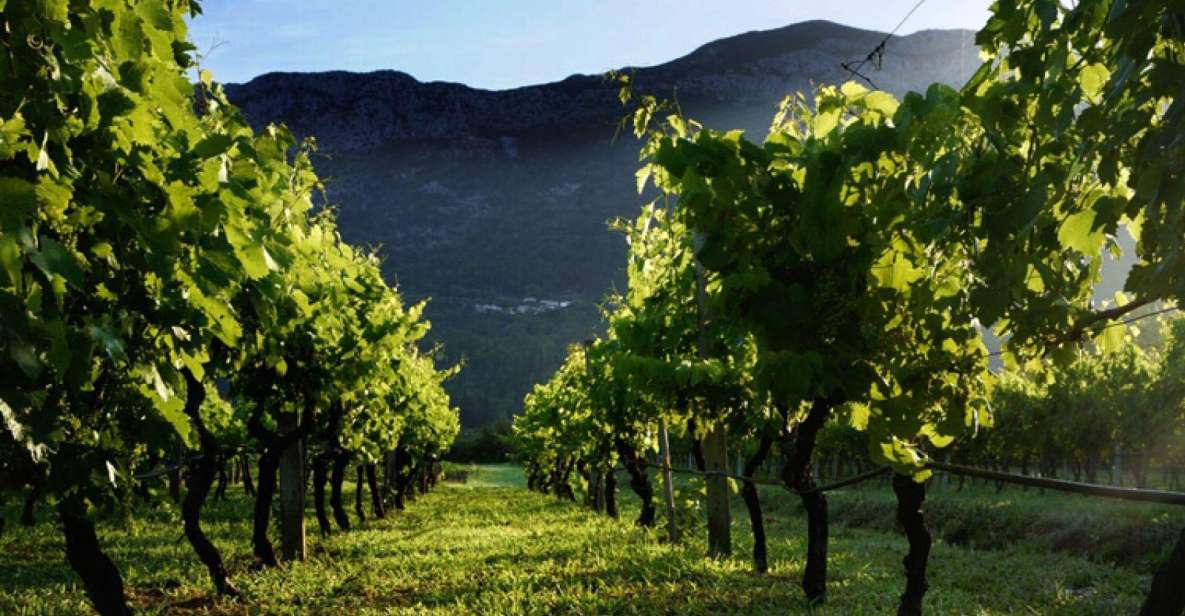
The day begins with pickup from your hotel in Dubrovnik. From there, you’re on the road for about an hour to reach the Pelješac peninsula, crossing the contemporary Franjo Tudman Bridge early on.
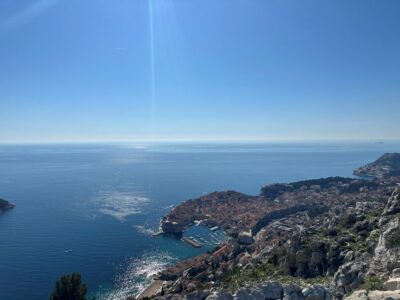
That first drive matters because it sets expectations: you’re not just “going to wineries,” you’re touring a working coastal region. Expect scenic roads and the kind of coastal villages that look like they’ve always been there, especially the fishing settlements you pass on the way.
The tour uses an air-conditioned vehicle, which is a real comfort point in warmer months. Also, the tour runs in English, so you won’t be stuck guessing what you’re seeing when the guide explains the area’s culture and winemaking heritage.
Ston and Mali Ston: Walls, Salt, and Oysters
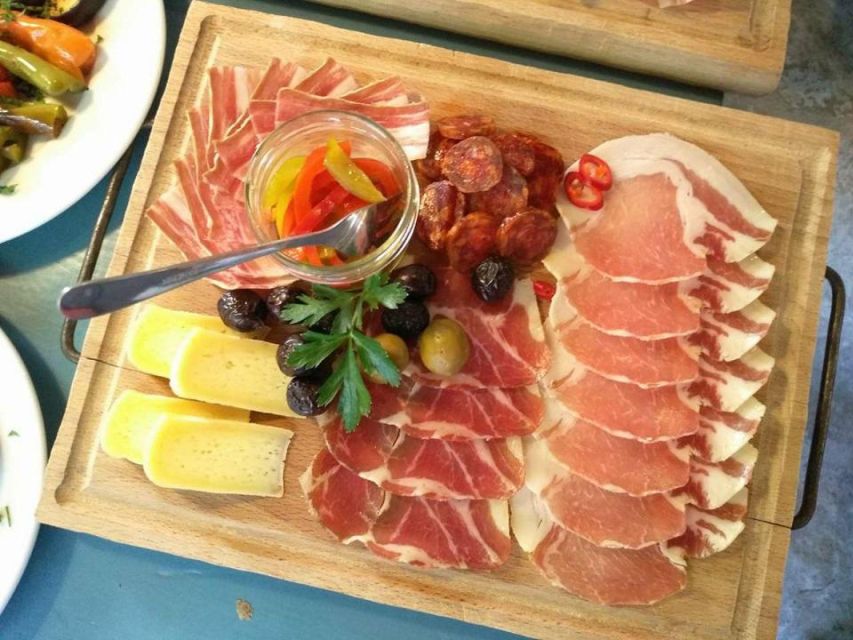
Ston is the heart of the morning. You’ll do a guided walking tour, and it’s not just a pretty stroll—there’s a clear story to what you see.
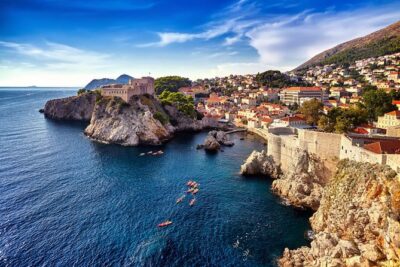
Start with Mali Ston (the smaller sibling area). This is where the medieval wall facts show up. The walls are roughly 7 km (4.3 miles) long, one of those measurements that makes you pause and think about medieval logistics. It’s easier to appreciate once you’re on the ground instead of reading about it.
Then comes salt and money, which is the part many people don’t expect. You’ll visit an old salt factory area where salt production was valuable enough to make the region wealthy and well known across southern Europe. If you like understanding why a place became powerful, Ston delivers.
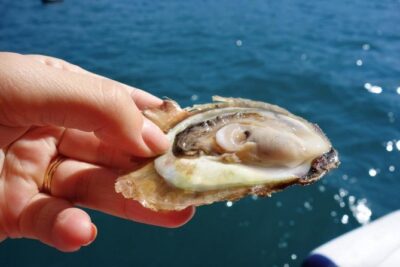
And yes, oysters are part of it. You’ll also hear about the area’s famous oysters, including the story that Roman emperors shipped them to Rome. Even if you don’t order oysters, the way the guide connects them to the local sea-food culture helps the day feel more grounded.
A practical note about optional Ston entrances
Entrance tickets for things like Ston city walls or the salt pens are not included. If those are your must-dos, decide early—because adding optional stops can shift the timing for lunch and winery time.
Lunch in Ston: Fuel Without Losing the Day
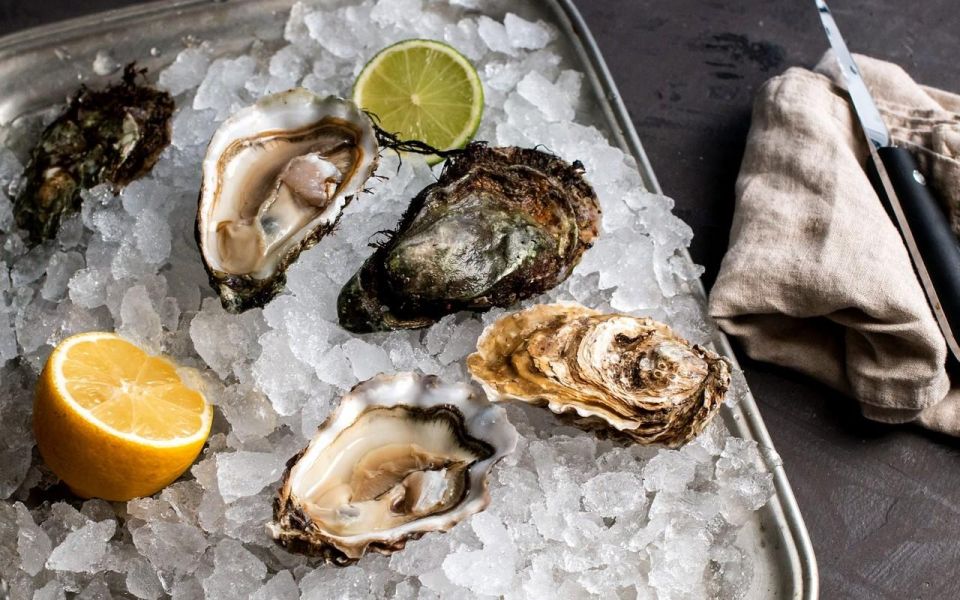
Lunch is at your own expense in Ston. That’s a good setup if you want control over what you eat, but it also means you’re the one who decides how long you stay.
Here’s what I suggest: choose something quick and local, then keep an eye on the clock. The tour needs to cover the peninsula and reach winery stops later, and it’s easy to lose time if you treat lunch like a second morning.
If oysters are calling your name, Ston is the place to try them since they’re specifically tied to the area’s reputation. If not, don’t force it. You’ll still get the salt and wall story, which is the bigger value for many people.
Pelješac Drive: Coastal Views and Photo Stops You Can Actually Use
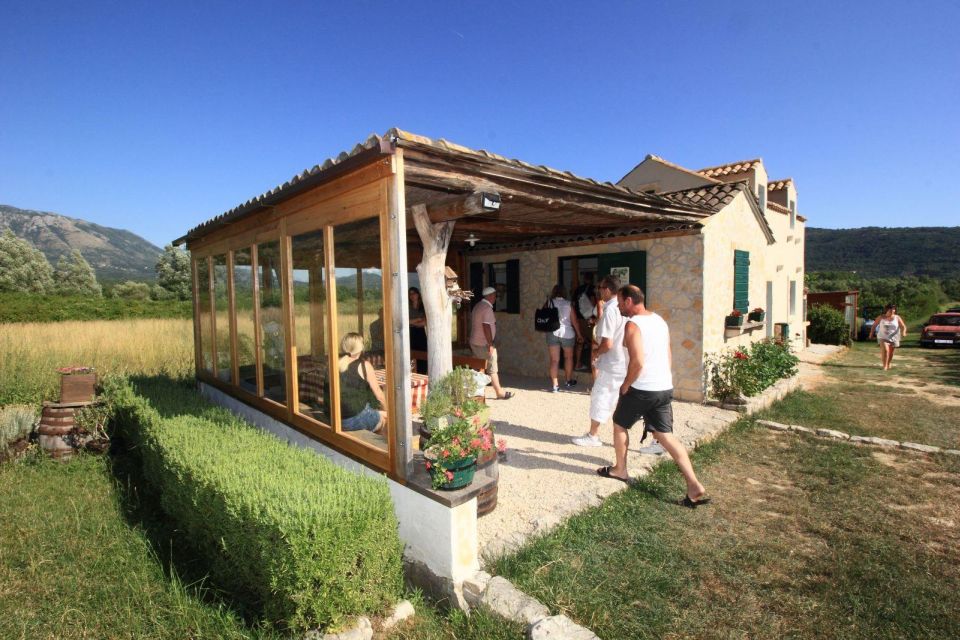
After Ston, you head down the Pelješac peninsula along scenic coastal roads. This part of the day is about travel with context, not just travel to the next stop.
Your guide adds information about winemaking heritage as you go, and the route passes along coastal scenery that’s built for quick snapshots. The tour includes several stops along the way for postcard-perfect vacation photos.
I like this format because it prevents the most common day-trip problem: sitting on a bus wishing you had time to see things. Here, you get a rhythm—drive, brief stop, look around, move on.
Family-Run Wineries On Pelješac: How the Tastings Fit In
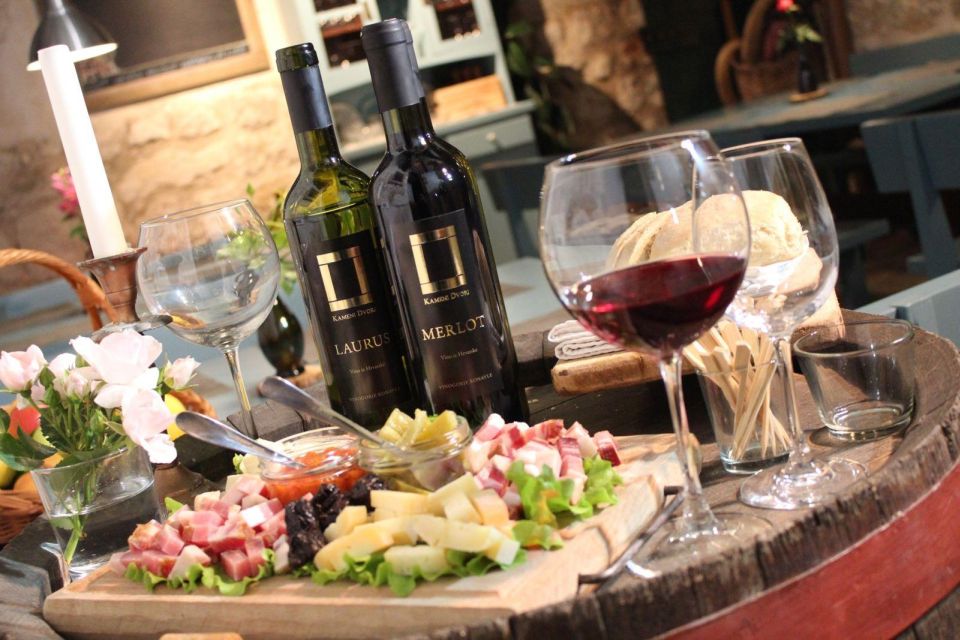
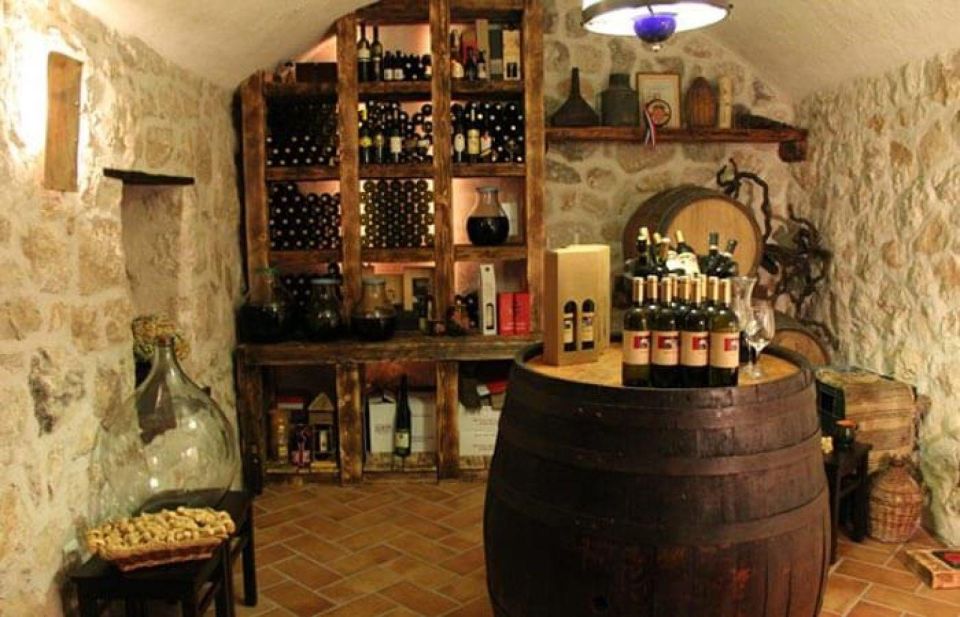
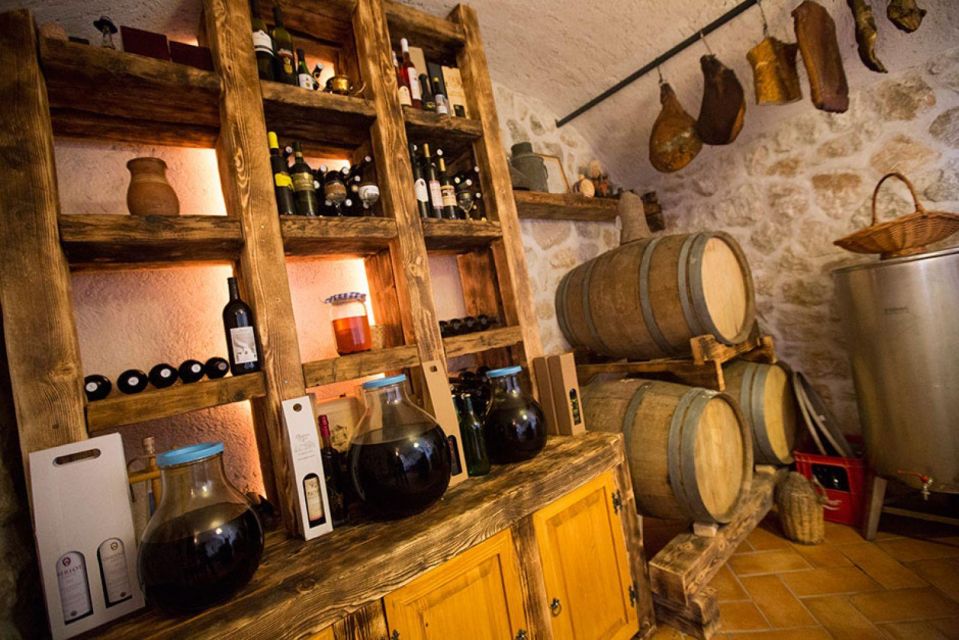
Pelješac is known for wine production, and the tour focuses on that with multiple winery visits. You’ll stop at family-run wineries, and you’ll sample local varietals during guided tastings.
One detail you should know clearly: wine tasting in 2 wineries isn’t included in the base tour price. The day-trip cost you see covers the tour experience, guide, and transport, but you’ll pay tasting-related expenses separately.
Also, the plan includes stops at different family-run wineries (more than two). So the experience isn’t only “two tastings and out.” You should expect time to talk with the people behind the wines, get a sense of how family operations work, and taste enough to compare styles.
What to look for while tasting
When you’re at those family-run stops, use the tasting to learn the local logic:
- Ask what grapes are most typical for Pelješac and what makes them different from what you’ve had elsewhere.
- Pay attention to how the winery talks about the area, not just the wine.
- If you’re buying anything, taste slowly. A fast pour plus a busy schedule leads to impulse buys you’ll regret.
And because you’re on a day trip from Dubrovnik, pace yourself. You’ll likely still have driving and a stroll after the winery part.
Trstenik Stroll: A Quiet Finish Before Dubrovnik
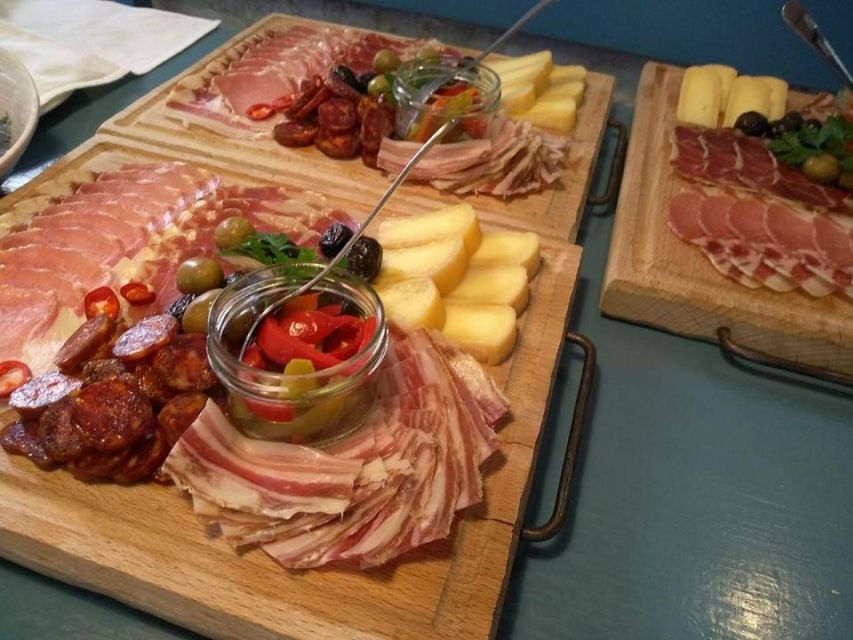
After the final winery stop, the tour continues to Trstenik, described as a tiny village. This is where you slow down again and take a scenic stroll.
I like adding this kind of finish because it gives you a change of pace. By this time, you’ve walked in Ston, eaten lunch, tasted wine, and spent hours driving—so a shorter village stop feels like a reward instead of another checklist item.
The tour also includes several stops during the later driving portion for photos. That helps you capture the coastline and village feel without needing to turn the whole day into independent travel.
Then you head back to Dubrovnik with drop-off at your hotel, bringing the day to a clean end.
Price and Logistics: What $71 Really Covers
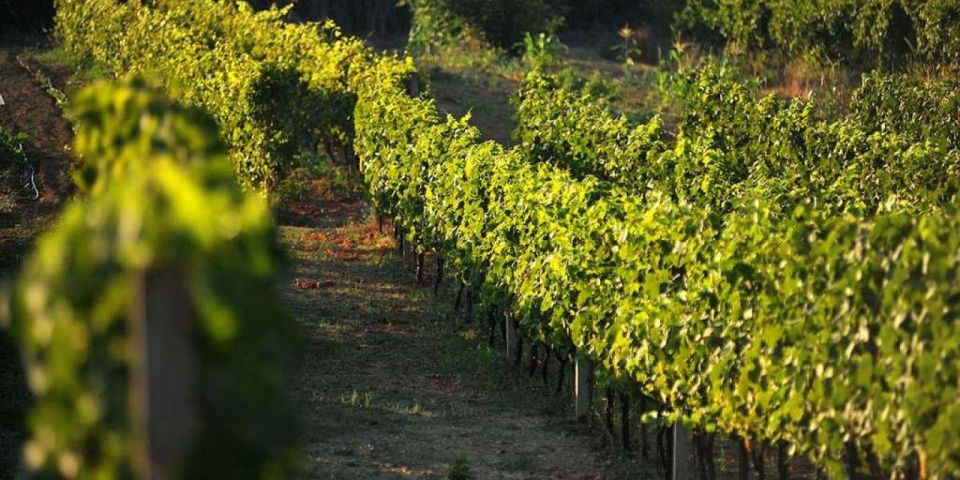
The tour is listed at $71 per person, and that number is useful as a baseline. But here’s the catch: you’ll need to pay to the guide driver 100 euros per person so he can cover wine tasting and organize the tour.
So, in real-world terms, think of the $71 as the transportation + guided day structure, and think of the 100 euros as the part that turns this into the tasting-heavy experience. If you want to treat the day as a straightforward “book it and done” purchase, you’ll be disappointed. If you’re okay with a separate on-the-day payment for wine tasting, it’s more reasonable.
Also note the minimum group detail: to organize the tour, there needs to be at least two people. That doesn’t mean you can’t go solo as a traveler, but it does mean the operator may need another booking to run your departure as planned.
Best budget mindset
If you’re planning financially, plan for:
- the published tour price, plus
- the 100 euros per person paid to the guide driver for tastings and tour organization, plus
- lunch in Ston at your own expense
- optional entrance tickets in Ston if you want city walls or salt pens
- and gratuity, since it’s not included
Once you account for that, you can judge value based on what you actually care about: guided walking in Ston, winery tastings, or both.
Who This Tour Is Best For (And Who Should Skip It)
This tour fits you best if you want a classic Dalmatian coast day that mixes food culture and wine. It’s a good choice if you like guided explanations, short stops that add meaning, and you don’t mind paying extra on the day for tastings.
You’ll also enjoy it if you don’t want to manage the logistics yourself—Dubrovnik to Pelješac is not the hardest drive, but it becomes a headache when you add wineries and tasting schedules.
Skip it if:
- you want wine tastings fully included in one simple price,
- you dislike optional paid entrances that can steal time,
- or you hate the idea of paying an extra per-person amount on the day.
Should You Book This Pelješac Wine Day Trip?
I’d book it if you care about the combo of Ston’s salt-and-walls story plus Pelješac wine culture. This is the kind of itinerary where the driving isn’t wasted because there are real moments to stop for and real places to walk, not just long stretches with nothing happening.
I’d also book it if you’re practical about budgeting: you’ll need money for lunch, and you should expect tasting-related costs on top of the base fare. Once you accept that, the day feels like it earns its keep through guided walking and multiple winery stops.
If you want an easy win, try it when you’re in the Dubrovnik area anyway and want one full day away from the city. And if you’re set on Ston city walls or salt pens, plan for optional entrances so you don’t end up choosing in the moment.
FAQ
How do I get to the Pelješac peninsula from Dubrovnik?
The tour includes hotel pickup and drop-off in Dubrovnik and transport by an air-conditioned vehicle. The journey to Pelješac takes about an hour.
What parts of the tour are guided?
You get a tour guide for the day, including a guided walking tour in Ston and guidance during the winery stops and other time on the route.
Is wine tasting included in the tour price?
Wine tasting in 2 wineries is listed as not included. You’ll need to pay the guide driver 100 euros per person so he can cover wine tasting and organize the tour.
How much time is spent in Ston?
You’ll visit Ston and Mali Ston for a guided walking tour, then take a lunch break in town at your own expense. The optional entrance tickets for Ston city walls or Ston salt pens would add time.
Are lunch and entrance tickets included?
Lunch is not included (the guide can recommend restaurants). Entrance tickets for Ston city walls or Ston salt pens are also not included if you choose to visit them.
What language is the tour in?
The tour is in English.
Can I reserve without paying right away?
Yes. The booking mentions reserve & pay later, meaning you can book your spot and pay nothing today, with flexibility on plans.