REVIEW · DUBROVNIK
Dubrovnik Old City Private Tour
Book on Viator →Operated by My Dubrovnik Tours · Bookable on Viator
Walled Dubrovnik tells its story fast. I love the private group format, because you get a smoother walk and plenty of chances to ask questions as you move through Old Town. I also love the way the guide connects the big sights to Dubrovnik’s history up to the 1990s conflict. One drawback to plan for: the tour includes two museum entrance fees, but which museum you get can swap depending on timing and seasonal closures.
This is a focused 2 hours 30 minutes, starting at Nautika (Brsalje ul. 3) and ending at Luža Square near St. Blaise. Expect a real orientation through the places you’ll keep seeing in photos: Pile Gate, Stradun, Rector’s Palace, and the harbor fortifications. Multiple guides have been praised for making the route feel personal, with names like Vlaho, Antun, Tea, Paolo, Paula, and Frank showing up in past experiences.
In This Review
- Key Highlights Worth Your Time
- Why This Private Old Town Tour Works Better Than a Self-Guided Walk
- The Core Route: From Nautika Meeting Up to Luža Square Finish
- Nautika and Kolorina Bay: Setting the Stage Before the Big Gate
- Pile Gate and the Minčeta Tower: Dubrovnik’s Western Wall Statement
- Franciscan Church and Monastery: Where the Old Pharmacy Adds a Human Touch
- Stradun and Onofrio’s Fountain: The City’s Main Street as a Stage
- St. Ignatius of Loyola and the Hidden Streets: How Side Alleys Tell the Story
- Cathedral of the Assumption and the Republic Treasury: Power, Faith, and Records
- Rector’s Palace: Where Dubrovnik’s Government Lived
- City Harbor Fortresses, Lazareti Quarantine, Revelin, and Ploče Gate
- Luža Square and the Old City Civic Center: Closing the Walk at St. Blaise
- Price and Value: What $133.03 Gets You (and When It Feels Like a Deal)
- Practical Tips to Get the Most From Your 2.5 Hours
- Should You Book This Dubrovnik Old City Private Tour?
- FAQ
- How long is the Dubrovnik Old City Private Tour?
- Where is the meeting point and where does the tour end?
- Is this a private tour?
- What language is the tour offered in?
- What’s included in the price?
- Are museum tickets included?
- What happens if weather is bad or you need to cancel?
Key Highlights Worth Your Time
- Private guiding for your group: You control the pace more than on big group tours.
- History that reaches the 1990s: It’s not just medieval postcard stuff.
- Monasteries and churches along the main spine: Franciscan, Jesuit, and Cathedral stops shape how you read the city.
- Stradun and its fountains: Onofrio’s Fountain is the visual center of the Old Town story.
- City harbor defenses route: Fortresses, gates, and the quarantine area show how Dubrovnik protected itself.
- Museum entries that may be substituted: Two entrances are included, but the exact pairing can vary.
Why This Private Old Town Tour Works Better Than a Self-Guided Walk
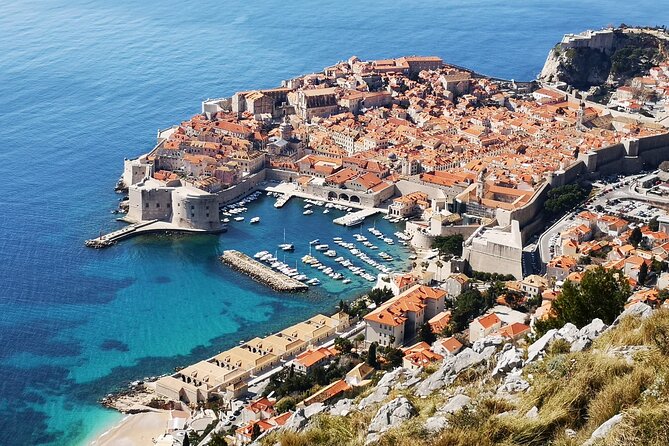
Dubrovnik’s Old Town can feel like a perfect shell: beautiful stone, thick walls, and streets that all seem to lead to more stone. The trick is understanding what you’re looking at. This tour is built for that. You’re not just passing landmarks. You’re hearing what they were for, who used them, and how the city defended itself and governed itself over time.
Two things make this especially useful for most first visits. First, the format is private for your group, so you’re not fighting for space at every corner. Second, the guide’s story runs from ancient times through the 1990s conflict, which adds emotional and historical context that most people miss when they only chase views.
The route is also smart: it starts with the edges of the Old Town and works toward the civic center and harbor defenses. That means your mental map builds as you go. By the end, you’ll know which streets are ceremonial, which buildings were political power, and which areas existed because Dubrovnik had to defend itself.
You can also read our reviews of more city tours in Dubrovnik
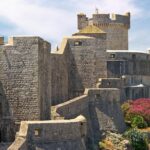
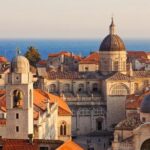
The Core Route: From Nautika Meeting Up to Luža Square Finish
You meet in the area of Nautika, at Brsalje ul. 3. From there, the walk moves along the harbor-side and toward the western entrance points of the Old Town. This matters because Dubrovnik’s walls and gates don’t just look dramatic. They show how the city shaped movement in and out.
As you go, you’ll cover a sequence of Old Town “zones” that travel apps often flatten into one loop. You’ll start with a calmer harbor-related section, then move into the gate and wall area, then into the central ceremonial street (Stradun). After that, you work through major religious and civic sites, and finally you end with the harbor fortifications and Luža Square.
The tour is about 2 hours 30 minutes on the clock, and it’s designed to keep you moving without rushing you out the door. Still, it’s Old Town walking. Some streets slope and there are steps. If you’re used to easy strolls, plan for slower moments and comfy shoes.
Nautika and Kolorina Bay: Setting the Stage Before the Big Gate
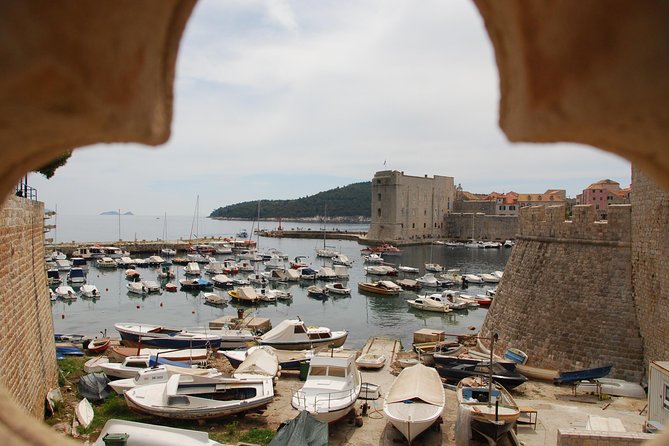
Even before the main gate, this tour gives you context. You begin with a short welcome and orientation. Then the route includes Kolorina Bay, plus stops where you can see how the city’s defensive setup meets the coastline.
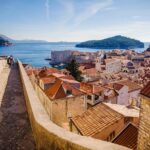
This portion is useful because it changes how you view Dubrovnik. From the bay area and nearby fortress viewpoints, the Old Town walls don’t look like decoration. They look like infrastructure. You start to notice why certain entrances existed where they did, and how the city could control access.
You’re also getting time to settle in. The first 20–30 minutes are where most guides try to set expectations: what you’ll see, what to pay attention to, and how the history connects from ancient times through modern conflict. If you enjoy learning while you walk, this early pacing is a good match.
Pile Gate and the Minčeta Tower: Dubrovnik’s Western Wall Statement
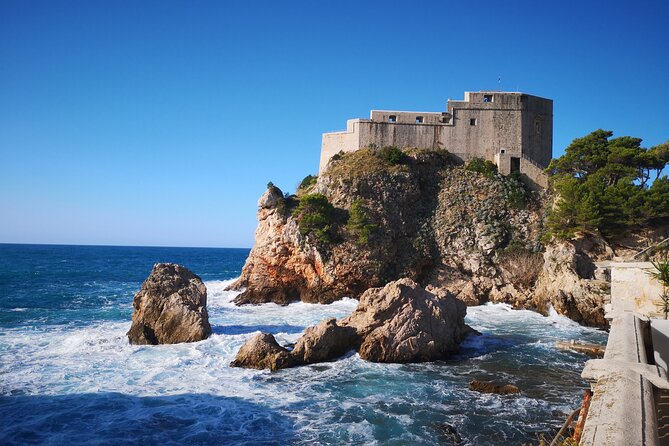
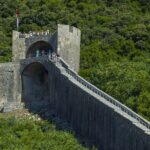
Next comes the Pile Gate area, one of the main western entrances to the Old Town. This is where the walls become the star. The stop focuses on the gate and the surrounding fortifications, including the Tower of Minčeta.
If you’ve seen Dubrovnik from afar, you’ve likely seen the wall line. Up close, it clicks. The gate isn’t just an archway. It’s a threshold designed for control and defense. The tower adds scale and helps you picture watch points and movement along the walls.
One practical tip here: pause when the guide calls out specific angles. The walls and towers can look repetitive until you understand how sight lines and routes work. A guide can show you where the city’s strategy shows up in plain sight.
Franciscan Church and Monastery: Where the Old Pharmacy Adds a Human Touch
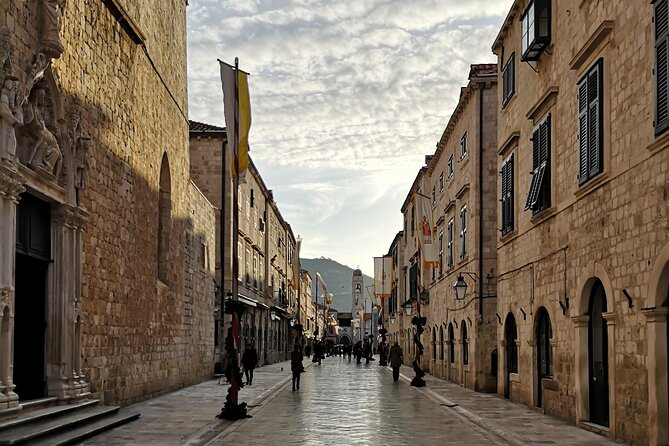
A major highlight is the Franciscan Church and Monastery area. This stop includes the museum side, and it’s here that Dubrovnik stops feeling like a theme park and starts feeling like lived-in history.
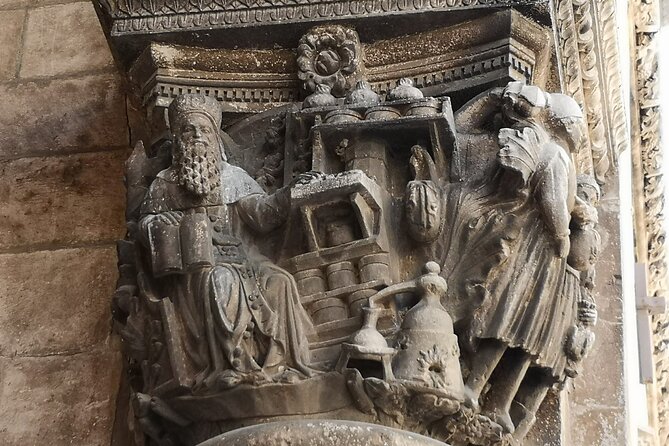
You’ll hear about Dubrovnik’s development and learn through the museum and the old pharmacy. That pharmacy detail matters more than you might expect. It puts a face on daily life: medicine, trade, and how communities handled health before modern systems.
There’s one money detail you should know. Museum timing and inclusion can vary. The tour states that the Franciscan Church and Monastery museum admission is not always listed as included, but the overall tour does include two museum entrance fees in general, sometimes substituting depending on the season and opening hours. If museums are closed, funds are refunded.
So your best move is simple: treat this stop as a likely museum moment, not a guaranteed one. Plan to enjoy the church space and the stories even if the museum timing doesn’t land exactly as expected.
You can also read our reviews of more private tours in Dubrovnik


Stradun and Onofrio’s Fountain: The City’s Main Street as a Stage
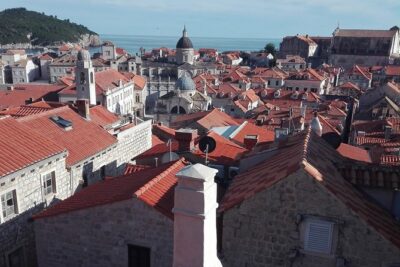
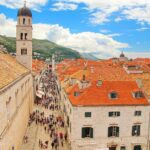
Then you hit Stradun, the famous main street of the Old Town. It’s wide enough to feel like a promenade, but it’s still tightly framed by historic walls and buildings. Stradun is where Dubrovnik feels most cinematic.
Along the way, you’ll see Onofrio’s Fountain and the Church of the Holy Saviour. Stradun works well during a guided walk because it’s a visual anchor. Everything else starts making more sense once you know where the central axis is.
This is also a smart point in the tour for photos. But don’t just snap and run. Listen for what the guide says about the street’s role and how crowds moved through the city over time. Stradun isn’t only a backdrop. It’s part of the city’s rhythm.
St. Ignatius of Loyola and the Hidden Streets: How Side Alleys Tell the Story
After Stradun, the tour shifts into the old-school Dubrovnik maze: hidden streets, stairways, and architectural details that are easy to miss if you wander without a plan.
The walk includes the Church of St. Ignatius of Loyola, the Jesuit Church stairway, the Great Granary, and the Square of Ivan Gundulić. These stops give you a different lens on the city. You’re not only seeing defenses and government. You’re also seeing how religious orders and civic culture shaped urban life.
A big reason this part is worth doing with a guide is that the connections are not obvious at street level. A stairway or a side building might look like a random feature until you’re told what it was used for and why it matters.
Also, if you’re the type who likes practical photo tips: this is where you can often find quieter angles than the main street. Still, it’s the Old Town, so expect some foot traffic near major sights.
Cathedral of the Assumption and the Republic Treasury: Power, Faith, and Records
Next is the Cathedral of the Assumption of the Virgin Mary, plus the Treasury of the Republic. This is the kind of stop that can feel either fascinating or too formal, depending on what you’re looking for.
With a guide, it tends to work better. You get the civic and historical framing that connects church history with how the republic organized itself and documented authority. You’re also learning about how Dubrovnik’s identity was tied to governance and to the long memory of the city.
As with the monastery stop, museum and treasury entrance inclusion can vary. The cathedral treasury is listed as not included in some versions, but the tour also notes that in general two museum entrances are included and may be substituted depending on time, date, and season. If access is closed, funds are refunded.
Translation for you: don’t stress about exact tickets. Do be ready for a guided exterior-to-interior experience depending on opening hours.
Rector’s Palace: Where Dubrovnik’s Government Lived
The tour then moves to Rector’s Palace, described as the seat of government for the Republic of Dubrovnik. This stop is one of the best switches from “look at pretty buildings” to “understand how power worked.”
Rector’s Palace helps you read the city like a functioning system. It’s where decisions were made, where leadership met the practical reality of protecting trade, managing citizens, and maintaining independence. Even if you’re not a history buff, the building’s role makes the surrounding Old Town feel less random.
One smart approach here is to slow down for a minute at key viewpoints. The palace is part of the civic core, so standing back helps you see how it relates to other major squares and institutions you’ve passed.
City Harbor Fortresses, Lazareti Quarantine, Revelin, and Ploče Gate
The final stretch is the harbor defenses side of the story. This is where Dubrovnik’s walls get real meaning.
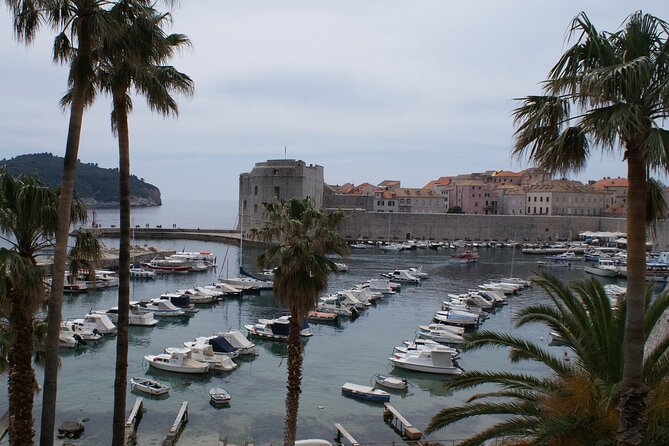
You’ll cover the Fortress of St. John, Lazareti Quarantine, fortifications of St. Luke, Revelin Fortress, East Gate Ploče, and the Dominican Monastery. That’s a lot of names, but they’re not just a checklist. Together, they show the city’s layered defense: controlling entry, protecting trade, and dealing with public health risk through quarantine systems like Lazareti.
Lazareti Quarantine is the kind of place that can change your perception of the word defense. It’s not only armies and cannons. It’s also prevention and risk management. If you like city history that feels grounded in daily life, this portion tends to land well.
This stop also helps you close the loop in your head. Earlier you learned about walls and gates. Now you’re seeing why those walls were connected to specific fortresses and gates. The East Gate Ploče and Revelin Fortress, in particular, help explain how movement and threat were managed at the edge of the harbor.
Luža Square and the Old City Civic Center: Closing the Walk at St. Blaise
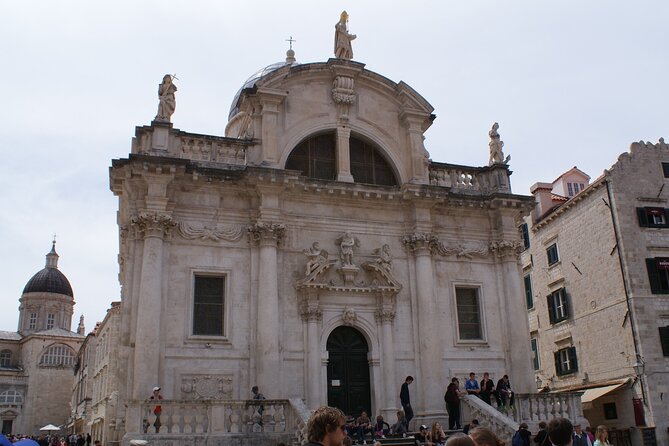
The tour ends at Luža Square, near the Church of St. Blaise at the east end of the main street Placa/Stradun.
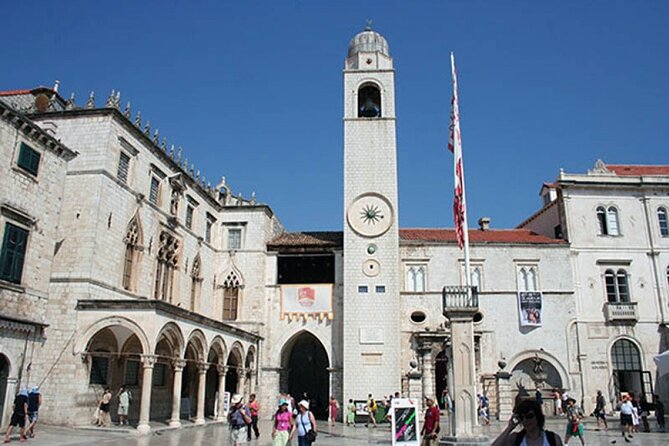
Luža Square is a fitting finish because it’s a civic crossroads. You’ll pass or see Sponza Palace, the Clock Tower, Small Onofrio’s Fountain, City Hall, and the Church of St. Blaise. This is where the whole Old Town story tightens into a final snapshot: government, commerce, ritual, and daily movement in one compact area.
If you’re planning the rest of your day, this end point is convenient. You’re near the main flow of the Old Town, so it’s easier to keep walking on your own, grab a drink, or head toward the next sight without retracing your steps.
Price and Value: What $133.03 Gets You (and When It Feels Like a Deal)
At $133.03 per person for about 2 hours 30 minutes, this is not a budget walk. But it’s also not priced like a full-day private driver tour. The value comes from three things:
First, you get professional tour guidance for a private group. That’s often the biggest difference between wandering and actually understanding what you’re seeing.
Second, the tour includes two museum entrance fees in general, though which museum you get can swap based on time/date/season. That can matter if you plan to go into museums anyway.
Third, you avoid wasted time. In a place like Dubrovnik, where major sights cluster but require careful pacing, the right route can save you from zigzagging across crowds just to find out you missed a key building.
If you’re traveling in a small group, this tour format tends to feel even better. Group discounts are listed, and private guiding means you’re not stuck listening from a distance.
Practical Tips to Get the Most From Your 2.5 Hours
This tour requires good weather, and the route can shift with crowds, events, or other exceptional reasons. So bring a flexible mindset. If weather goes bad, you’ll be offered a different date or a full refund.
Wear shoes you can walk in for a while. Dubrovnik Old Town has slopes and steps. Even if you’re fit, plan on taking breaks when the guide pauses to explain.
Also, bring a water bottle if you run hot. Food and beverages aren’t included, so budget a quick stop if you need one. If you’re sensitive to sun, aim for a hat and sunglasses. The best time management is usually to follow the guide’s pacing and take shade breaks when they happen.
Finally, since museums can vary by opening hours and timing, decide what you’d rather optimize for: the full walking route and stories, or maximizing indoor time. This tour is designed to balance both, but the exact museum mix can change.
Should You Book This Dubrovnik Old City Private Tour?
If you want Dubrovnik without guessing, I think this tour is a smart booking. It’s especially good for your first visit because you get a structured route through the gate-wall-central street-civic center-harbor defenses arc. That makes the rest of your trip easier.
Book it if you care about how the city worked: government, faith, trade protection, and defense planning. The history reaching up to the 1990s conflict is a big reason to choose a guide instead of a solo audio app.
Skip it only if you prefer ultra-light walking or you mainly want beach time and viewpoints with minimal explanations. This tour is built for walking plus storytelling, not a stop-by-stop photo sprint.
If you’re planning in peak season, consider booking early. On average, this experience is reserved about 85 days in advance, which hints at how quickly solid time slots can disappear.
FAQ
How long is the Dubrovnik Old City Private Tour?
The tour lasts about 2 hours 30 minutes.
Where is the meeting point and where does the tour end?
You meet at Nautika, Brsalje ul. 3, 20000 Dubrovnik. The tour ends at Luža Square (Luža ul.), near the Church of St. Blaise, at the east end of Placa/Stradun.
Is this a private tour?
Yes. It’s a private tour/activity, and only your group participates.
What language is the tour offered in?
The tour is offered in English.
What’s included in the price?
The price includes professional tour guidance and two museum entrance fees.
Are museum tickets included?
Two museum entrance fees are included, but which museum you get can be substituted depending on the tour time/date/period of year. If museums are closed, funds will be refunded.
What happens if weather is bad or you need to cancel?
The experience requires good weather. If it’s canceled due to poor weather, you’ll be offered a different date or a full refund. Free cancellation is available up to 24 hours in advance for a full refund.