REVIEW · DUBROVNIK
Dubrovnik: Red History Museum Regular Ticket
Book on GetYourGuide →Operated by Majeutika d.o.o. · Bookable on GetYourGuide
Communism can feel far away, until it’s in front of you. The Dubrovnik Red History Museum turns Yugoslav everyday life into a hands-on walk through design, politics, and pop culture. It’s a smart way to understand today’s Croatia by seeing what shaped the country not that long ago.
What I like most is how interactive exhibits keep you moving, not just reading panels. I also love the playful photo moments, like posing with the Yugo 45, plus the parallel-universe snacks and drinks that mimic classic brands from the era.
One thing to keep in mind: it’s a small museum, so if you want hours of wandering, it may feel short. And the virtual scanned images don’t always respond instantly unless you figure out how the system expects you to use them.
In This Review
- Key Highlights You’ll Actually Remember
- Dubrovnik Red History Museum: What You’re Walking Into
- Price and Value: Why $11 Is a Good Deal Here
- Entering the T.U.P. Factory Complex Built in 1953
- The Interactive Route: Where the Museum Really Shines
- The Yugo 45 Photo Moment: Humor With a Purpose
- Parallel-Universe Coca Cola and Fanta: How Ideology Shows Up in Shopping
- Houses, Furniture, and the Feel of the 1970s and 1980s
- Goli Otok and the Darker Side of Yugoslav Life
- Secret Agencies, Politics, and the Non-Aligned Thread
- Staff, Clear Explanations, and the Name Viktor
- Using the Virtual Scans: How to Avoid a Dead End
- Who This Museum Is Best For (and Who Might Want to Skip It)
- Should You Book This Dubrovnik Red History Museum Ticket?
- FAQ
- What is the Dubrovnik Red History Museum about?
- Where is the museum located in Dubrovnik?
- Is the museum interactive or mostly informational?
- What are the main hands-on highlights?
- Are there virtual scanned images in the exhibits?
- How much is a regular ticket?
- Can I pay later or get a refund if my plans change?
Key Highlights You’ll Actually Remember
- Yugo 45 photo moment: a famous car prop that’s part joke, part history lesson
- Parallel-universe products: communist-style Coca Cola and Fanta as a playful reality check
- Interactive house reconstruction: you get a lived-in feel, not a distant museum display
- Goli Otok information: history included, including the darker corners
- Old factory setting (T.U.P., built 1953): the building itself does some of the storytelling
- Pop culture + politics: music, design, and even secret agencies show up in the same route
Dubrovnik Red History Museum: What You’re Walking Into
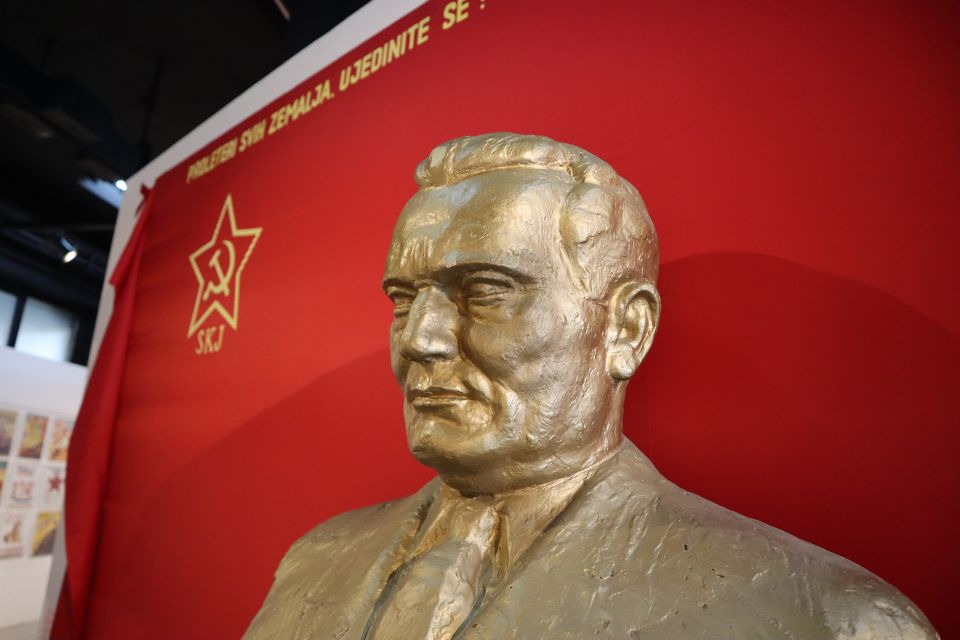
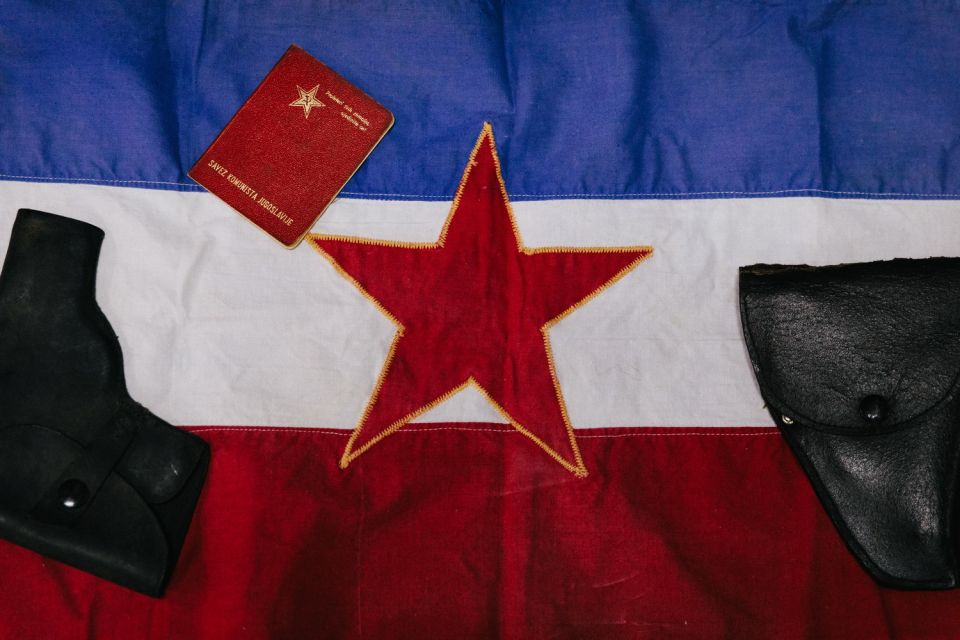
Dubrovnik isn’t only about medieval walls and seaside views. This stop brings you to the other layer of the region: the Yugoslav period, including communist rule, everyday routines, and the way power showed up in ordinary life.
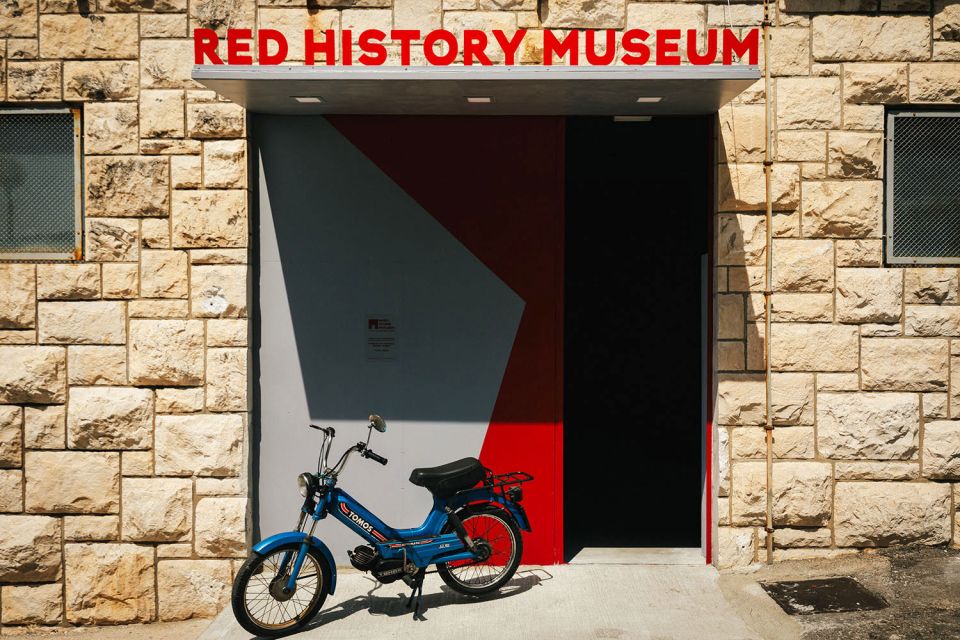
The museum sits in the last factory complex in Dubrovnik called T.U.P., built in 1953, in the port area. That matters. You’re not learning about the era in a sterile white box. You’re learning inside a real industrial space, which gives the whole experience a weighty, grounded feel.
The museum uses both newer and older technologies. The result is an interactive layout built around stories, visuals, and reconstructions. You’ll see art and design, political messaging, references to secret agencies, and the way the Non-Aligned movement fit into Yugoslavia’s position in the wider Cold War world.
You can also read our reviews of more tours and experiences in Dubrovnik
Price and Value: Why $11 Is a Good Deal Here
A regular ticket costs about $11 per person, which is excellent value for what you get: an interactive, themed walk-through that covers both the serious and the silly sides of communist-era daily life.
Many museums do one thing well. This one tries to connect dots across categories—politics, culture, and consumer life—so you leave understanding more than one topic. The pop-culture props (like communist-style Coca Cola or Fanta) might sound like a gimmick, but they’re doing real work. They help you grasp how propaganda and ideology can show up in normal purchasing habits.
Also, the museum’s strong layout and hands-on elements mean you don’t have to be a history buff to enjoy it. If you’re someone who prefers learning through experience rather than long reading sessions, this fits.
Entering the T.U.P. Factory Complex Built in 1953
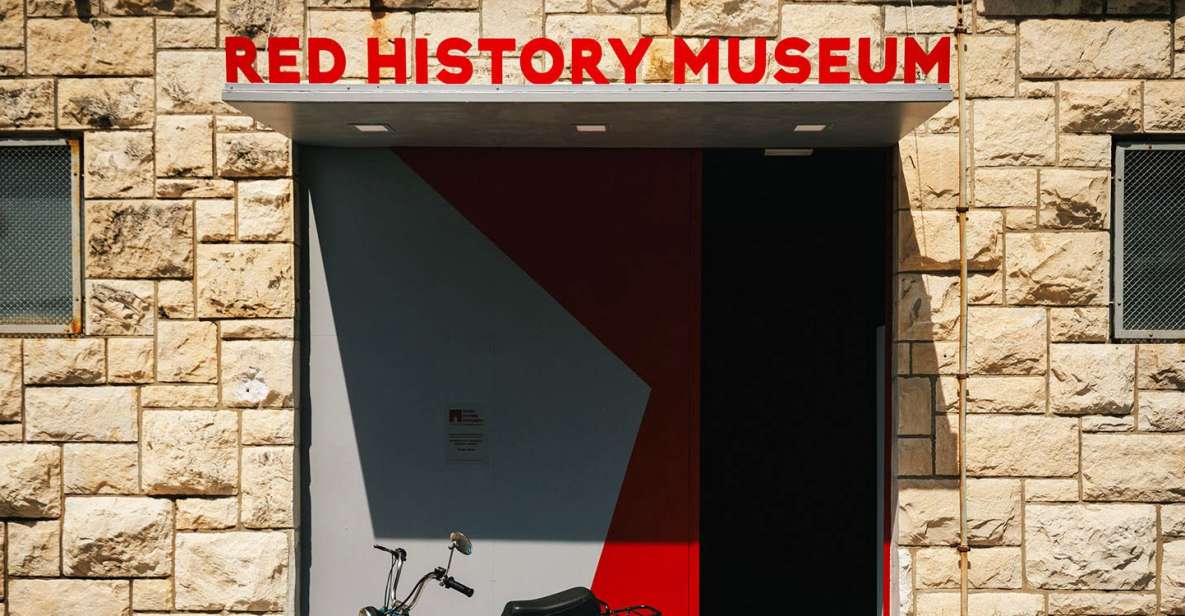
Before you even get to the main exhibits, the setting frames the story. The T.U.P. complex is from 1953, and it’s located in Dubrovnik’s port area. Factories weren’t just workplaces in that era—they were part of how a society organized labor, production, and daily rhythms.
Once inside, the museum guides you through themed areas that feel like mini-worlds. You don’t just look at posters; you move through scenes where politics, design, and personal life overlap. That’s key for making the history feel real. Instead of treating communist life like a textbook chapter, you’re seeing how it shaped objects, interiors, media, and even what people ate and drank.
There’s also an open atmosphere in parts of the experience, which helps if you don’t want everything to feel like one cramped room after another. Reviews also highlight how the layout supports browsing without info overload, which is exactly what I want from a museum built around a heavy subject.
The Interactive Route: Where the Museum Really Shines
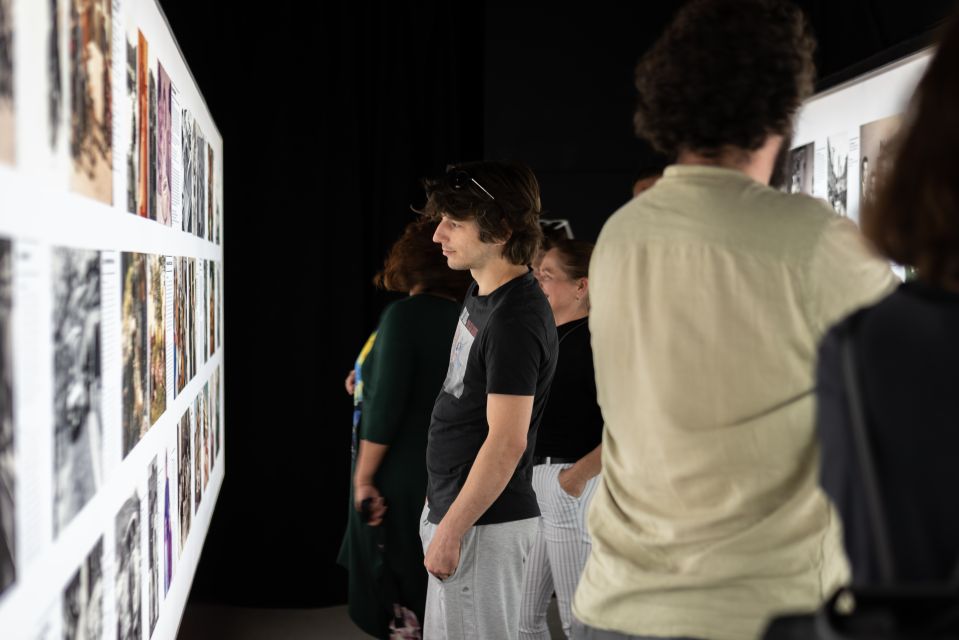
This is an interactive experience, and it shows in the pacing. You get enough hands-on moments to break up the information, so it doesn’t start to feel like homework.
You can expect interactive displays designed to make you do things—look closely, engage with visuals, and move through reconstructions. The museum includes both art/design and politics, plus sections that touch on how the Communist party operated and how that watchfulness affected daily life. You’re also listening to audio highlights from the time period, which helps transform the exhibits from static to lived-in.
One review notes that there are enough interactive bits to stop the information flow from feeling burdensome. That lines up with what I’d look for: history that you can handle emotionally, without drowning in it.
The Yugo 45 Photo Moment: Humor With a Purpose
Every museum has a signature photo spot, but this one uses humor in a smart way.
A standout highlight is the chance to take a photo with the Yugo 45, famously called the worst car ever. It’s funny, yes—but that’s the point. The exhibit uses everyday objects to show how people lived with constraints and expectations that didn’t match the consumer fantasy.
When you laugh at the prop, you’re not dismissing the era. You’re recognizing that life under communist rule included limits—some visible in technology and consumer goods, and others in how freedom worked in practice.
If you love quirky museum photo moments that still connect to the theme, this is one of the best in Dubrovnik.
You can also read our reviews of more historical tours in Dubrovnik


Parallel-Universe Coca Cola and Fanta: How Ideology Shows Up in Shopping
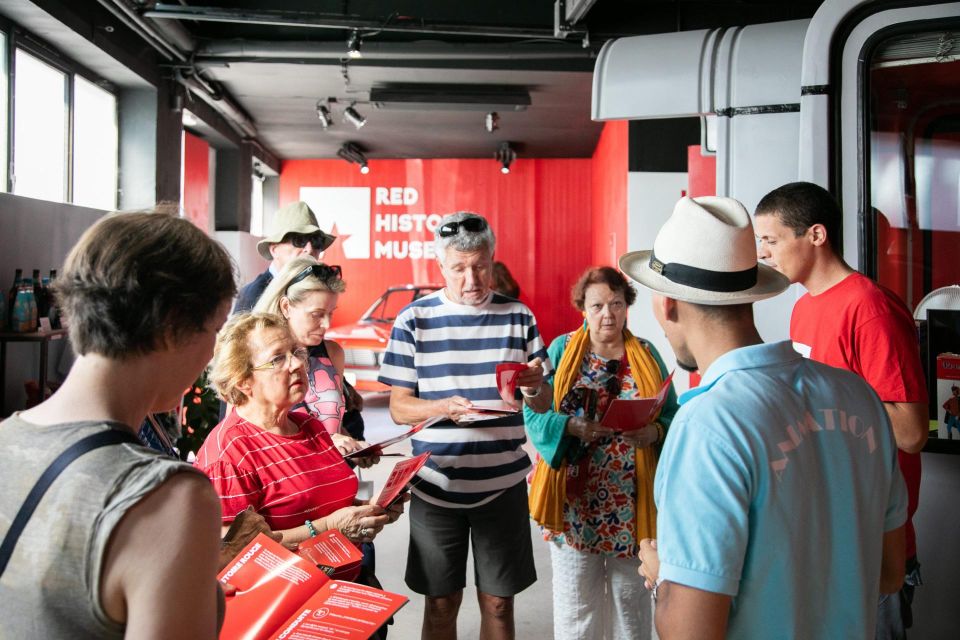
One of the museum’s highlights is the chance to try the most popular drinks and candies of the time in communist-style versions, including Coca Cola and Fanta look-alikes.
On paper, that might sound like a snack line. In practice, it’s a clever way to show how ideology can reshape everyday culture. You’re seeing how a society can mimic global brands while controlling the narrative around them. It also gives you something concrete to remember later.
And it’s fun. That matters, especially in a museum about politics and surveillance. You need small breaks—light moments that keep the story human.
Houses, Furniture, and the Feel of the 1970s and 1980s
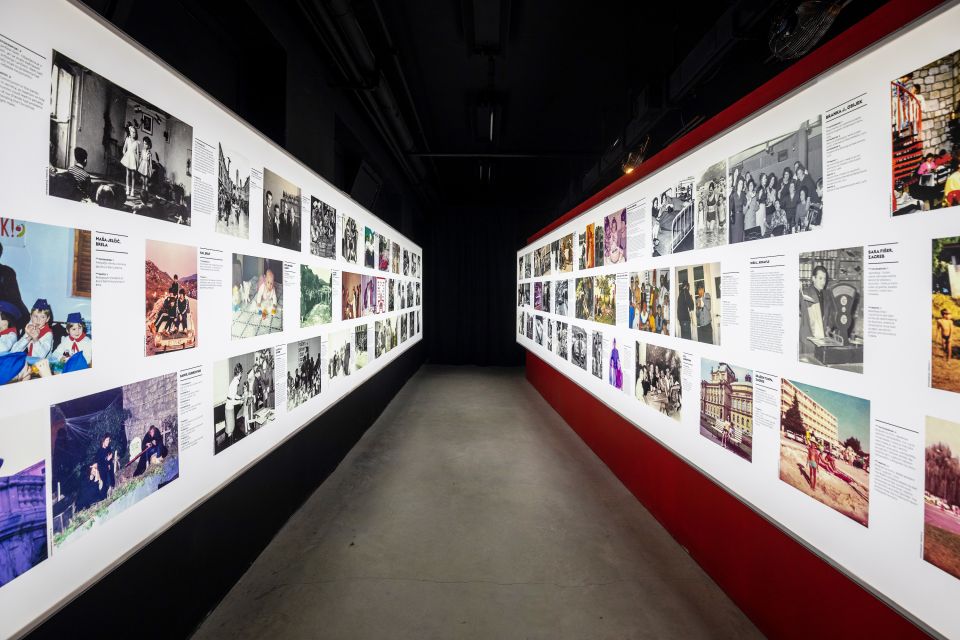
Communist history can be taught as dates and slogans. Here, the experience leans toward the details that create atmosphere.
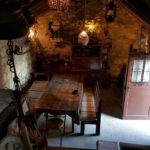
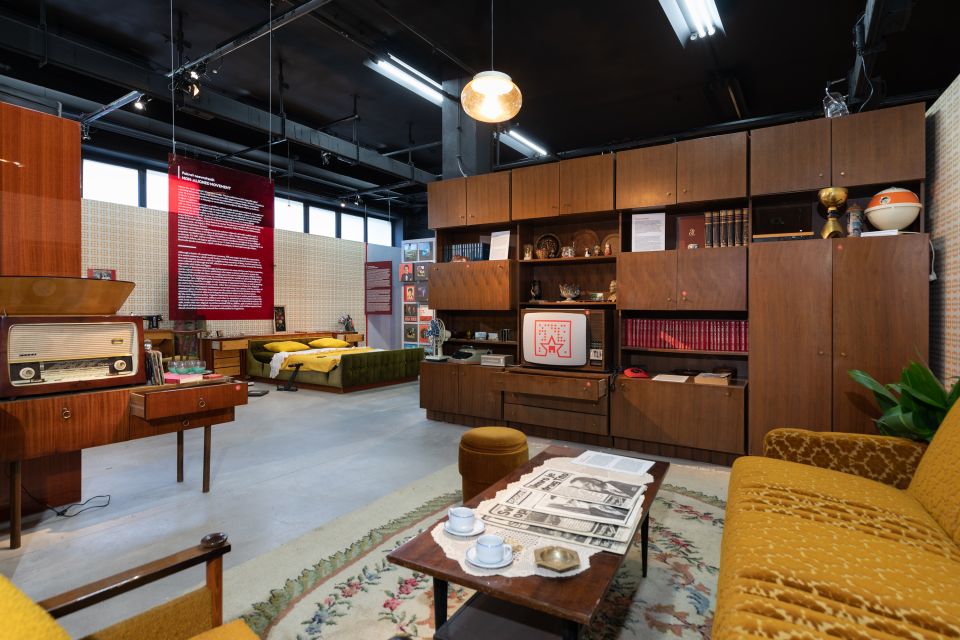
You walk through a reconstruction of a house, including old furniture that helps you picture what domestic life might have looked like. One person specifically called out how the older furniture gave a feel for life in Yugoslavia in the 70s and 80s.
That domestic scale matters because it’s where policy becomes personal. Food, furniture, routines, and household space don’t just reflect culture—they shape it. When the museum brings that scale into view, it makes the political story easier to understand.
This is also where the museum’s interactivity helps. You’re not just reading about daily life—you’re looking at it, circling it, and experiencing how it’s staged.
Goli Otok and the Darker Side of Yugoslav Life
The museum doesn’t only do light and playful.
A major point of the experience is information about Goli Otok, presented as part of what you see as you move through the exhibits. Goli Otok is referenced as a significant part of the story, described as something you learn about behind the curtains as you explore.
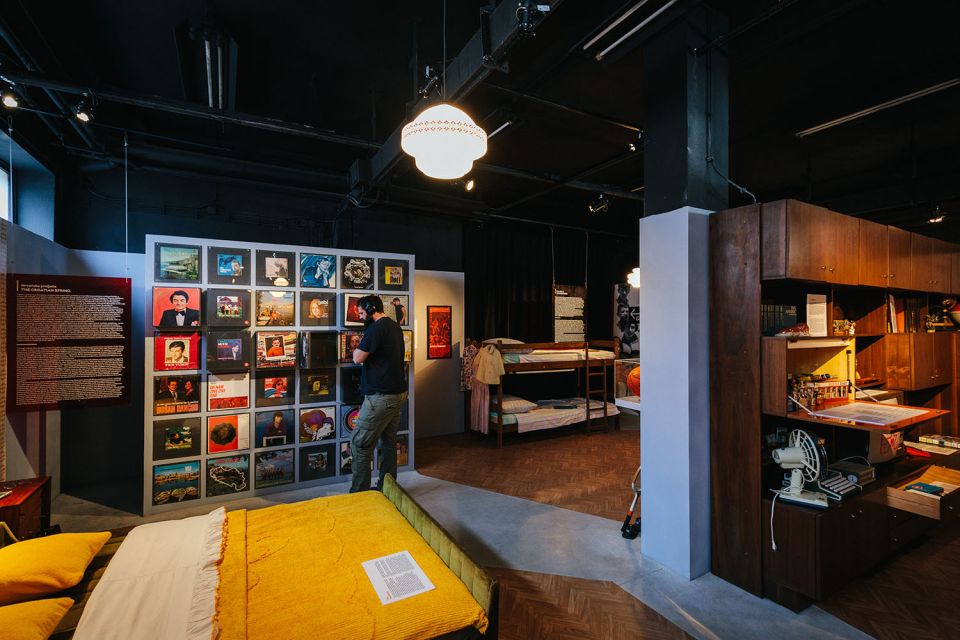
One review praised the open atmosphere and the Goli Otok information behind the scenes, plus the photo collection that comes after. That combination suggests the museum doesn’t treat difficult history as a quick footnote. It gives it space and context in the route.
If you prefer museums that don’t shy away from difficult topics, you’ll appreciate this element. Just plan for it—because even though the museum is interactive and occasionally humorous, the subject matter has real weight.
Secret Agencies, Politics, and the Non-Aligned Thread
The museum ties the story to big political themes without turning into a lecture hall.
You’ll see references to secret agencies and political messaging, along with the way of the Non-Aligned movement. Those pieces help explain why Yugoslavia didn’t fit neatly into the simplest Cold War boxes.
For you, this matters because it prevents the experience from becoming one-note. Instead of only focusing on slogans and control, you get a sense of the international chessboard Yugoslavia was playing—while also seeing how those pressures filtered down into everyday life.
Staff, Clear Explanations, and the Name Viktor
When a museum offers context, it’s often through a guide or staff member who helps translate the story into something you can actually hold in your head.
One guide/staff member named Viktor is singled out as being informative. Other comments praise knowledgeable staff and a layout that makes it easy to find supporting resources.
Even if you don’t get a guided explanation, the experience is still designed so you can navigate the story through exhibits and prompts. But if you do get help from staff, Viktor’s name keeps coming up for a reason: clear, direct explanations make the political parts land better.
Using the Virtual Scans: How to Avoid a Dead End
There are virtual scanned images placed around the museum. They’re meant to add another layer to the exhibits.
One review noted that the scanned images didn’t do anything when scanned for that visitor, and suggested that clearer instructions on how to use the virtual scans would help. I’d take that as practical advice: if a scan doesn’t trigger anything, slow down and look for instructions at the display. Sometimes the experience depends on how you hold your phone or where you position it.
This isn’t a dealbreaker. The museum still works well without the scans. But if you like interactive tech, it’s worth being patient and trying again rather than assuming it’s broken.
Who This Museum Is Best For (and Who Might Want to Skip It)
This works best for you if:
- you want a perspective on Croatia that goes past the medieval and seaside postcard
- you like interactive museums more than panel-by-panel reading
- you’re curious about Yugoslav life—both ordinary and political
- you enjoy museums that mix heavy history with human, sometimes funny props
You might hesitate if:
- you only want light, relaxed stops with zero political content
- you’re expecting a huge museum campus with lots of walking time
- you strongly dislike any mention of imprisonment or darker Cold War-era history
Also, if you’re in Dubrovnik for a few days and want one stop that adds meaning to the rest of your itinerary, this fits nicely. It’s a different lens on the region, and that kind of contrast is often what makes a trip feel complete.
Should You Book This Dubrovnik Red History Museum Ticket?
I’d book it if you want an affordable, high-impact stop that teaches you how recent history shaped everyday life in Yugoslavia and Croatia. With $11 regular pricing and a design that’s interactive, it offers a lot of value per hour. Add in the memorable photo prop (the Yugo 45) and the parallel-universe drinks, and you get both learning and moments you’ll actually remember.
Skip it only if you’re not interested in communist-era history at all, or if you’d rather spend your Dubrovnik time entirely on outdoors and old city sights.
If you can handle some heavy topics and you like museums that involve your hands and senses, this is one of the smarter buys in Dubrovnik.
FAQ
What is the Dubrovnik Red History Museum about?
It explores communist history in Croatia and Yugoslav life under the Yugoslav regime, with exhibits covering art, design, politics, secret agencies, and the Non-Aligned.
Where is the museum located in Dubrovnik?
It’s located in the last factory complex in Dubrovnik called T.U.P., built in 1953, in the port area.
Is the museum interactive or mostly informational?
It’s an interactive experience with hands-on elements, reconstructions like a house, and features designed to make the information easier to process.
What are the main hands-on highlights?
Key highlights include taking a photo with the Yugo 45 (the worst car ever) and trying communist versions of Coca Cola or Fanta, plus other interactive parts throughout the museum.
Are there virtual scanned images in the exhibits?
Yes, there are virtual scanned images placed around the museum, and you may need to use them correctly based on the instructions at the displays.
How much is a regular ticket?
The price for a regular ticket is $11 per person.
Can I pay later or get a refund if my plans change?
You can reserve and pay later. You can cancel up to 24 hours in advance for a full refund.