REVIEW · DUBROVNIK
Dubrovnik to Tirana; Semi – Private Tour with Tour Leader & Car
Book on Viator →Operated by Choose Balkans · Bookable on Viator
Dubrovnik to Tirana in 8 days sounds intense. And it is, in the best way: you’ll ride through Bosnia, Montenegro, Kosovo, and Albania with a tour leader, hop borders, and cover a lot of real street-level history fast. Day by day, you’ll move between Ottoman architecture, Austro-Hungarian-era scars, UNESCO old towns, and hands-on food culture.
What I really like is how much time you get in the places that feel lived-in, not just posed-for photos. I love the way Mostar’s Stari Most and the Ottoman rooms of Bišćevića Kuća set a tone, then Sarajevo adds context with its war-era marks and Ottoman-to-Austria-Hungary mix.
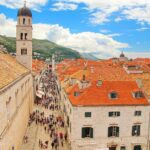
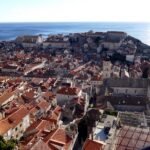
One thing to consider: this is a long road trip with uneven walking (moderate fitness level is noted), and you’ll be moving early and often. Also, cars may not enter every part of Dubrovnik Town, so you’ll start with a short shuttle from the nearest hotel-accessible point.
In This Review
- Key highlights worth knowing
- Semi-Private in a Car: How the Dubrovnik to Tirana Route Works
- Price and What You Actually Get for $3,433.11
- Days 1–2: Mostar and Sarajevo’s Bridges, Bazaars, and War Scars
- Day 1 — Mostar’s Ottoman core and the Old Bridge UNESCO moment
- Day 2 — Sarajevo’s mix of empires and the Latin Bridge story
- Day 3: Blagaj’s Spring and Kotor’s UNESCO Old Town
- Day 4: Budva Beaches, Sveti Stefan Photos, and Shkoder’s Rozafa Views
- Days 5–6: Slow Food at Mrizi i Zanave, Kosovo Bazaars, Decan Frescoes, and Rahovec Wine
- Day 7: Kruja’s Resistance Story in the Bazaar and Castle
- Day 8: Tirana by Food, Çam Bazaar, and Pazari i Ri
- Should You Book This Dubrovnik to Tirana Tour?
- FAQ
- What time is pickup in Dubrovnik?
- How many travelers are in the group?
- What meals are included in the price?
- What isn’t included?
- Is the walking easy?
- Does the tour run in English?
- Can I get a refund if I cancel?
Key highlights worth knowing
- Max 10 travelers keeps it small enough for questions and tighter pacing
- UNESCO stops like Mostar and Kotor turn this into more than a scenic drive
- Hands-on culture: Sarajevo coffee ritual and a Tirana food tour built around markets
- Ottoman-to-Venetian influences show up repeatedly in architecture, mosques, bazaars, and crafts
- Family-run slow food visit at Mrizi i Zanave adds a real taste of rural Albania
Semi-Private in a Car: How the Dubrovnik to Tirana Route Works
This is a semi-private road trip by car with a professional tour leader and pickup from Dubrovnik at 7:00am. The tour company handles transport, taxes, road costs, and petrol, and the route is designed so you’re not constantly figuring out buses, tickets, or connections on your own.
The day starts with a practical reality: Dubrovnik’s old streets don’t allow cars everywhere. You’ll be picked up from the nearest possible point in Dubrovnik Town (then shuttled to the border). It’s a small hassle, but it keeps the tour realistic and saves you from the kind of half-day scavenger hunt nobody enjoys.
Once you’re over the border, the “car + guided stops” rhythm takes over. Each day includes a mix of guided walking and free time. The itinerary is heavy on old towns and market areas, which means you should plan for cobblestones, uneven pavement, and stairs in places like Kotor and Sarajevo. Shoes matter.
With a maximum of 10 travelers, you also get a better feel for the group. You’re not lost in a crowd, and it’s easier to pause for questions when the story gets intense—especially in Sarajevo and around war history cues.
You can also read our reviews of more private tours in Dubrovnik
Price and What You Actually Get for $3,433.11
Yes, the price is high at $3,433.11 per person for an ~8-day trip. But this isn’t “just tickets and photos.” You’re paying for a guided, multi-border itinerary that bundles a lot into one package: transport, a tour leader, hotel breakfast for 7 mornings, and a long list of on-route visits.
Here’s where the value comes from:
- You get organized border-to-border logistics from Dubrovnik through Albania, rather than DIYing the hardest parts.
- You’re not paying separately for many scheduled inclusions (for example, Bišćevića Kuća, several church/mosque stops, the Venice Art Mask Factory, and the castle visit at Kruja).
- You get built-in food moments: Ottoman coffee or tea in Sarajevo and a Tirana food tour that includes the traditional meal and tasting Albanian grape raki.
Where the price doesn’t cover everything is also clear: lunches, dinners, drinks, and snacks are not included, and you’ll be doing personal spending and shopping on your own.
If you’re comparing to an “independent” trip, the main thing you’re buying is time and stress reduction. The itinerary hits several different cultural regions in one run—Mostar, Sarajevo, Kotor, Shkoder, Prizren, Kosovo sites, and Kruja—so coordination is the real cost driver.
Days 1–2: Mostar and Sarajevo’s Bridges, Bazaars, and War Scars
Day 1 — Mostar’s Ottoman core and the Old Bridge UNESCO moment
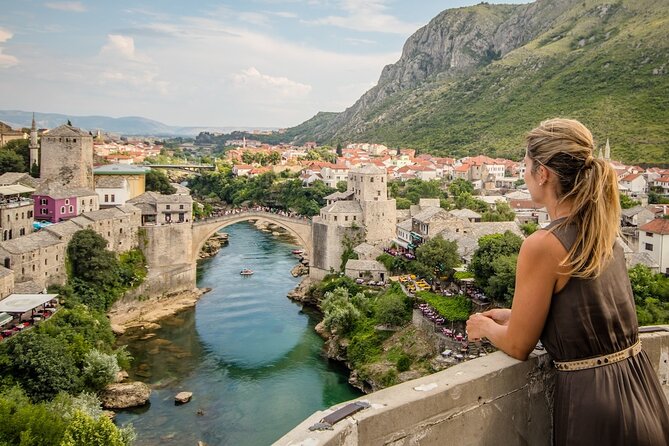
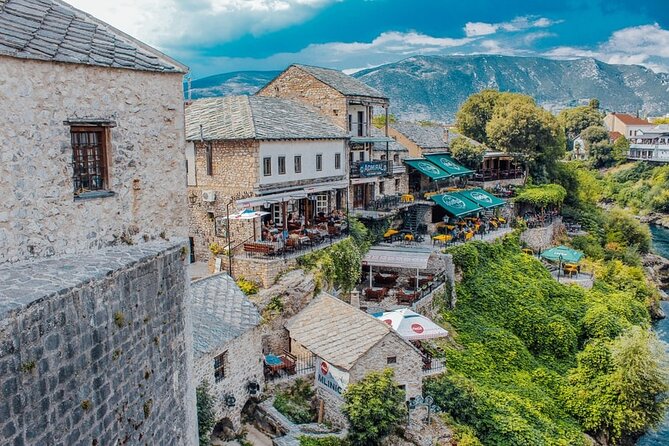
Day 1 starts with Dubrovnik-to-the-border logistics, then you meet the tour leader and drive into Mostar, Bosnia & Herzegovina. The big headline is the Old Bridge (Stari Most), part of UNESCO, known for its 16th-century Islamic architectural style. This is one of those places where you understand why bridges matter. They’re not just crossings; they’re social and political symbols.
Then you head into the Old Bazaar, with colorful, busy lanes and the feeling that the city is layered—old and newer. The itinerary also mentions those stones around town with a Don’t Forget theme, which points you to the city’s memory culture. Expect a lot of texture: cobbled paths, small mosques, and that Turkish-bazaar vibe.
You’ll also stop at Bišćevića Kuća (Biscevic House), an excellent example of Ottoman residential architecture from the 17th century. The riverside setting adds intimacy. Even though the visit is shorter, it helps you see the day’s theme shift from monumental landmarks to how people lived.
Practical tip: If you want the bridge photos without crowd chaos, plan to move with the group early, then use any extra moments to step back for a wider view.
Day 2 — Sarajevo’s mix of empires and the Latin Bridge story
On Day 2, you drive to Sarajevo, the capital of Bosnia & Herzegovina. The tour includes walking on uneven terrain and it explicitly calls out the visible reminders of the Yugoslav War—bullet holes and cannon marks. You’re not here for a feel-good postcard tour. You’re here for context, and the guide’s role is key.
You’ll see stories of Sarajevo’s origins, plus the medieval Bosnian Kingdom. Then the itinerary shifts to the Ottoman and Austria-Hungarian parts of the city, including markets, bazaars, mosques, churches, and synagogues. That mix is what people often mean when they say Europe’s history overlaps here.
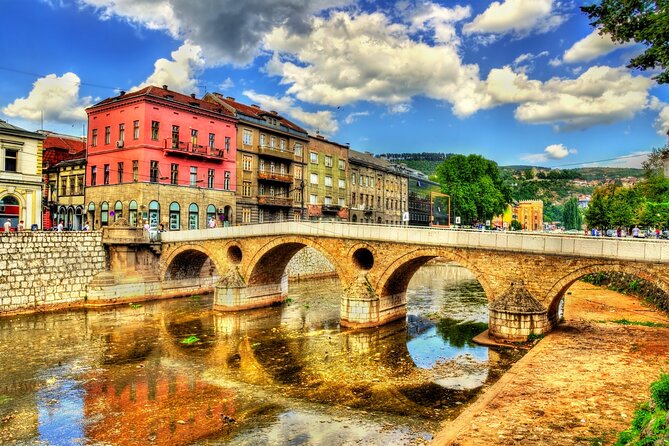
A major stop is Latin Bridge, tied to WWI trigger history. The bridge’s name comes from how it connected the right bank of the Miljacka River to the Catholic quarter, informally called Latinluk in Ottoman times. It’s one of those details that makes a place click.
And yes, you get a break: at Caffe Divan, the group enjoys Turkish coffee or tea as a complimentary treat. That pause matters because it gives you a mental reset before you keep walking in heavy historical territory.

Day 3: Blagaj’s Spring and Kotor’s UNESCO Old Town
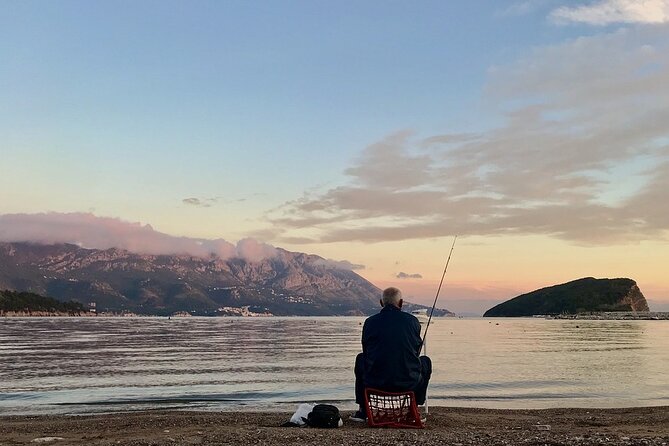
Day 3 has a smart contrast: start with Blagaj, then finish in Kotor.
In Blagaj, you’ll see the Ottoman medieval town setting under a cliff, with the spring of the river Buna in front of it. This is the kind of stop where the architecture and the water landscape work together, so your photos look good—but so does the atmosphere. It’s a breather after Sarajevo’s dense history.
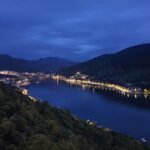
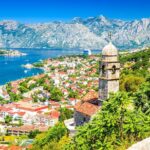
Then you continue to Kotor (Montenegro), another UNESCO site. Kotor’s old streets are a maze of narrow cobbled lanes. The itinerary even explains why the street plan is “chaotic” on purpose: it was designed to confuse intruders who came to plunder. That context turns a walk through the streets into a living defense lesson.
The guide also includes a visit to Saint Luke’s Church, called out as significant to locals because it represents unity. And you’re given time to explore the UNESCO old town on your own afterward.
Practical note: Kotor’s streets can feel steep and uneven. If your feet hate cobblestones, pack blister help and plan for slower movement when the group funnels through alleys.
Day 4: Budva Beaches, Sveti Stefan Photos, and Shkoder’s Rozafa Views
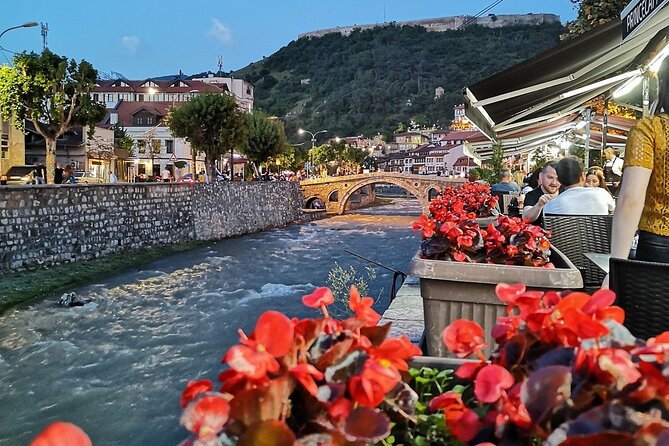
Day 4 mixes sea-side scenery with Albania-bound culture.
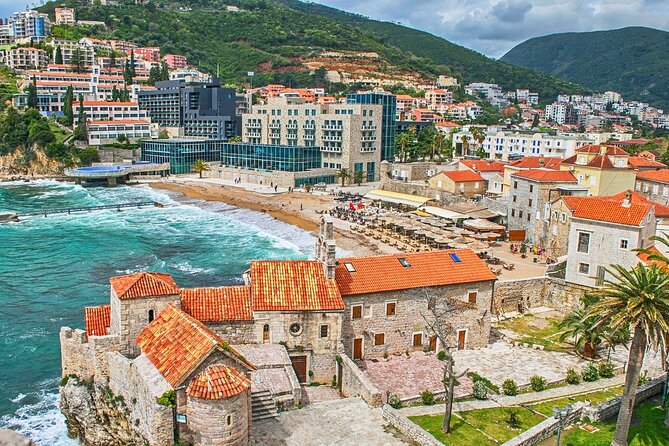
First up is Budva. The itinerary divides it into New Budva (more modern buildings, malls, restaurants) and Old Budva (the historical center). You get a stop at St. Ivan Church plus time to see the old town’s medieval structure. It’s not the kind of stop where you’ll linger forever, but it gives you a foundation for understanding why Budva is so popular.
Then you stop near Sveti Stefan, historically a small fishing town on a small island—though you can’t visit the island anymore because it became an exclusive residential resort. Still, it’s a classic coastal view stop. Treat it like a clean photo opportunity and quick breath of sea air.
Next you cross into Albania and reach Shkoder. The city is framed as one of Albania’s oldest areas, with a thousand years of habitation, and it’s tied to the biggest lake in the Balkans by name. The guided highlight is Rozafa Castle, which offers wide scenery of the lake and the three rivers that meet and flow toward the Adriatic. The itinerary also points out Venetian influence in architecture, and adds a seasonal note: if you travel in February, carnival festivities may appear, including Venetian masks believed to be handmade and produced in Shkoder.
Finally, you visit the Venice Art Mask Factory, where masks are made in papier-mâché and painted by hand. It’s a craft stop that feels purposeful because it ties back to the Venetian influence story. You’ll leave with more than a souvenir idea—you’ll understand where the idea comes from.
Days 5–6: Slow Food at Mrizi i Zanave, Kosovo Bazaars, Decan Frescoes, and Rahovec Wine
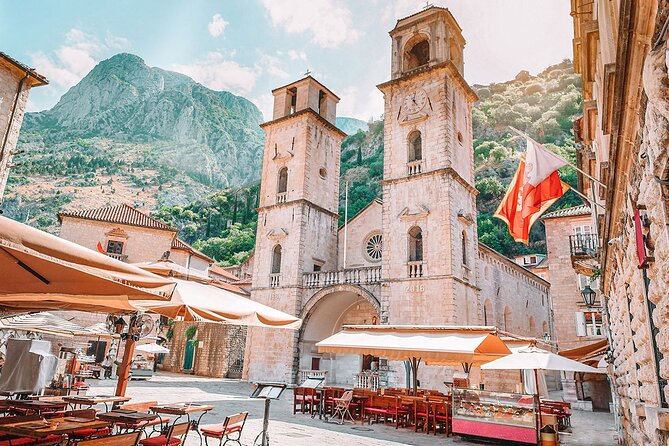
Day 5 is one of the most “different from a typical sightseeing day” stretches in the tour.
You start at Mrizi i Zanave (Agroturizëm), described as one of the best slow food agro-tourism farms in the Balkans. You’ll take a tour around the farm and hear how it created jobs for more than 400 people in the surrounding area. The focus is on collecting, preparing, and preserving regional bio fresh local products, plus adapting older communist buildings for storage. It’s practical cultural education: how a place feeds itself and sustains people.
Then there’s time for lunch on your own (or at least the chance for a traditional lunch) and you can also buy fresh produce from the farm. This is one of the best “you control the pace” segments of the itinerary.
In the afternoon you reach Prizren, often described as Kosovo’s cultural capital. The tour highlights religious tolerance, history linked to Illyrians, and the city as a crossroads of Byzantine and Ottoman empires. You’ll also walk with an eye on how the river runs through the old town and how bridges cross it.
There’s a stop at Sinan Pasha Mosque, with the itinerary noting arabesque color and pattern, and a visit to Kalaja Fortress with a panorama view. Then you get free time in Prizren, which matters because the best part of places like this is often what happens between scheduled stops—street corners, small craft work, and that moment you realize you’ve been walking without checking your watch.
Day 6 shifts north through more Kosovo sites and scenery:
- Gjakova: home to the oldest and largest bazaar of Kosovo, rebuilt after wars. Even with that history, it’s a place to eat and browse, with stores for handmade crafts and artisan workshops where you can watch traditional craft methods.
- Decan Monastery: a white monastery with Orthodox monks still living there and making fresh organic food like cheeses. It’s UNESCO since 2004 due to frescoes showing 14th-century life and the Palaeologan renaissance’s impact on Byzantine painting.
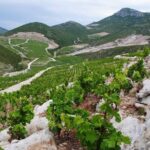
- Rahovec Valley: viticulture focus. Grapes are tied to Illyrian cultivation going back about 2,000 years. Vineyards at 350–520 meters are mentioned as part of the reason quality wines come from here. There’s also an annual wine festival in September.
If you want a tour that includes culture, but also slows down enough to show food and craft systems, Day 5–6 is where it delivers.
Day 7: Kruja’s Resistance Story in the Bazaar and Castle
Day 7 centers on Kruja, a historical symbol of Albanian resistance against Ottoman expansion during the 15th century. The city’s position on rocky mountainous terrain at about 560 meters gives the day a “look down, look up” feel.
You start with Kruja’s Medieval Old Bazaar, described as one of the biggest and oldest in the Balkans. This is your main shopping stretch in Albania. You’ll see wooden-house lanes and narrow streets, and you can look for traditional souvenirs like carpets, jewelry, and handmade items.
Next is Kruja Castle, where the itinerary notes a history going back to the 5th century A.D. The tour leader takes you through hidden paths used by locals to leave the castle unnoticed during times of siege. That detail helps you understand why the castle’s placement and design mattered. It’s history you can feel on your skin when the paths twist and climb.
After the castle, you get free time for a traditional lunch, shopping, or sightseeing at your own speed. This is an important day for pacing because it gives you a chance to “spend” the energy you’ve built up across the trip.
Day 8: Tirana by Food, Çam Bazaar, and Pazari i Ri
Day 8 finishes in Tirana, with a local companion designed to show you the city through food and daily life. The itinerary even asks you to come with an empty stomach, because the day leans hard into eating.
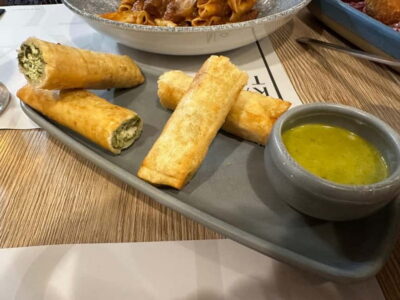
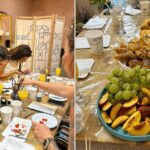
You’ll stop at Tregu Çam, a smaller local place where you try byrek—thin layers of dough with fillings like cheese, meat, or spinach. Then the route continues through Çam bazaar, where you can buy all kinds of goods, from clothes to kitchen equipment, and yes, you’ll have chances to bargain.
The tour also includes fruit and vegetable sampling and other flavors connected to seasonal produce, which is a good sign: you’re not just chasing set-piece attractions.
Later, you move through neighborhoods to Pazari i Ri, the New Bazaar district known for second-hand goods. This is one of the best “authentic browsing” styles in the whole itinerary, because your goal can be light—find something pre-loved, not just buy what’s on a shelf.
The day ends with the traditional Albanian meal prepared during the New Bazaar segment and a tasting of Albanian grape raki. That’s the kind of closing move that turns the trip from a history route into a memory you can taste.
Should You Book This Dubrovnik to Tirana Tour?
I’d book it if you want a guided, small-group road trip that covers a lot of meaningful stops without making you manage the hardest logistics. This tour works best when you like walking old towns, you enjoy architecture and markets, and you’re okay with long travel days and a moderate fitness pace.
You might skip or reconsider if you prefer slow travel, want more standalone free days, or hate cobblestones and uneven walking. Also, since lunches and dinners aren’t included, budget extra for food so you’re not surprised mid-trip.
One last reality check: the itinerary is non-refundable, so booking only makes sense if your dates are solid.
If you’re ready for an action-packed Balkan sampler with UNESCO old towns, Ottoman and Venetian influences, and real food moments, this is a strong choice.
FAQ
What time is pickup in Dubrovnik?
Pickup is at 7:00am in Dubrovnik. You’ll be collected from your hotel area, but cars may not enter some parts of Dubrovnik Town, so you’ll meet the shuttle point nearest to your hotel.
How many travelers are in the group?
The tour has a maximum of 10 travelers, which keeps it small for a semi-private experience.
What meals are included in the price?
You get breakfast for all overnights (7 breakfasts). You also get one Ottoman-style coffee or tea in Sarajevo (Day 2), plus a Tirana food tour on Day 8 that includes a traditional meal and a tasting of Albanian grape raki.
What isn’t included?
The tour price does not include lunches, dinners, drinks, snacks, or personal spending, plus anything not explicitly listed as included.
Is the walking easy?
The tour notes moderate physical fitness because you may walk on uneven terrain (including during the Sarajevo tour) and you’ll be moving through old-town streets.
Does the tour run in English?
Yes. The experience is offered in English.
Can I get a refund if I cancel?
No. This experience is non-refundable and cannot be changed for any reason; if you cancel, the amount paid is not refunded.