REVIEW · DUBROVNIK
Ston Tour: City Walls, Saltworks, Wine & Adriatic Seafood
Book on Viator →Operated by Dubrovnik Travel Service "DTS" · Bookable on Viator
Ston from Dubrovnik is a day trip that mixes big views with real food history, not just photos. I like the door-to-door convenience with private transport and live commentary, and you get a full day of contrasts: sea views, stone defenses, salt pans, then oysters and Pelješac wines. One thing to plan for: several key stops have extra entrance and tasting costs, so the total price can climb if you choose the full food-and-wine options.
The order of the day also makes sense. You start with a viewpoint over the Elaphite Islands near Dubrovnik, then head straight to Ston for the walls and salt, and finish in Pelješac country with winery time and seafood in calm coastal settings. My only caution is time and weather: there’s a lot outdoors, and the experience requires good weather to run smoothly.
In This Review
- Key highlights to know before you go
- Why Ston, saltworks, and Pelješac feel like a different world from Dubrovnik
- The scenic ride: Elaphite views and a history lesson in transit
- Ston City Walls: 5.5 km of defense tied to salt
- Ston Saltworks: traditional salt-making you can picture in your mind
- Miloš Winery cellar time: Plavac Mali and Dingač explained without making it complicated
- Oyster farm boat with Dea Fishing: what you get and what costs extra
- Seosko domaćinstvo Ficović: the long seafood stop that feels like local life
- Price and what actually drives the final cost
- Who this tour is best for (and who might want a different day)
- Should you book this Ston, saltworks, wine, and oysters tour?
- FAQ
- Is pickup from Dubrovnik included?
- How long is the tour?
- Are the city walls and saltworks admissions included?
- Is the wine tasting included in the tour price?
- Is the oyster farm boat ride included?
- Is alcohol allowed for minors?
Key highlights to know before you go
- Majkovi viewpoint: short stop with admission included and great Elaphite Island photo angles
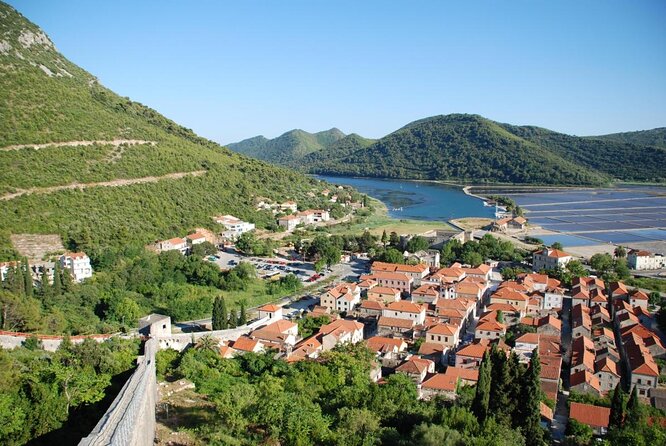
- Ston City Walls (5.5 km): Europe’s long defensive wall route, tied directly to the salt economy
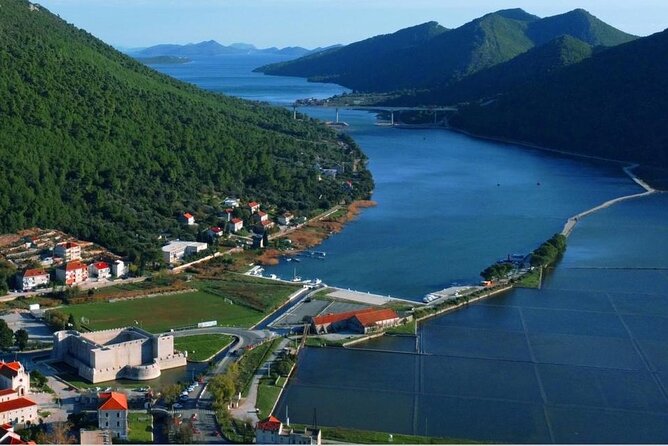
- Ston Saltworks traditions: seawater channels and sun-and-wind evaporation you can actually visualize
- Miloš Winery tasting: Plavac Mali and Dingač, plus a guided cellar visit in the Pelješac hills
- Optional oyster farm boat: fresh oysters at sea with local wine, plus buzara-style lunch as an add-on
- Ficović family farm seafood: a long, unhurried stop focused on freshly prepared fish and local life
Why Ston, saltworks, and Pelješac feel like a different world from Dubrovnik
Dubrovnik is all about walls, cliffs, and stone beauty. This trip keeps that stone theme but gives you a second side of the story: how people built power around salt and how today’s families still turn sea and land into dinner.
What I like most is that the day isn’t one-note. You’ll look outward at the Adriatic and islands, then move inward to human-scale systems: defensive walls that once guarded trade, salt pans that used simple physics, and oyster farming shaped by local waters. It’s the kind of route that helps you understand the region instead of just visiting it.
The pacing is also smart for a 7-hour day. You’re not sprinting between tiny stops; you’re spending real time where it counts: about an hour for the walls, about 40 minutes at the saltworks, and longer mealtimes where you can actually taste the place.
You can also read our reviews of more city tours in Dubrovnik

The scenic ride: Elaphite views and a history lesson in transit
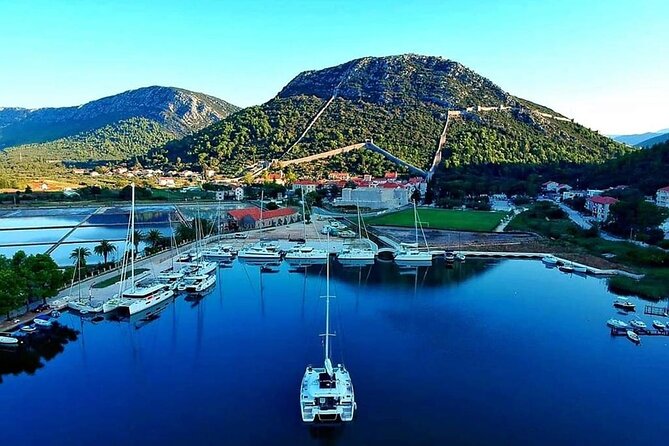
You start with pickup that’s built for real travel days. The operator offers hotel, apartment, and even cruise ship pickup options, and you ride in an air-conditioned vehicle with WiFi onboard. There’s live commentary during the scenic drive, which matters because southern Dalmatia can look similar if you only see it through a window.
The first stop is a viewpoint called Majkovi. It’s close enough that you’ll get there without losing the day, and it’s short: about 20 minutes. Admission is included, so you can focus on the view instead of paperwork. This is the moment to get your bearings fast, then shift into the Ston mindset.
It’s also where the route becomes more than driving. The sightseeing includes travel along the Adriatic coastal road, then the historic Napoleon Road, which sets a tone of old routes and strategic travel long before you reach the fortress town.
Ston City Walls: 5.5 km of defense tied to salt
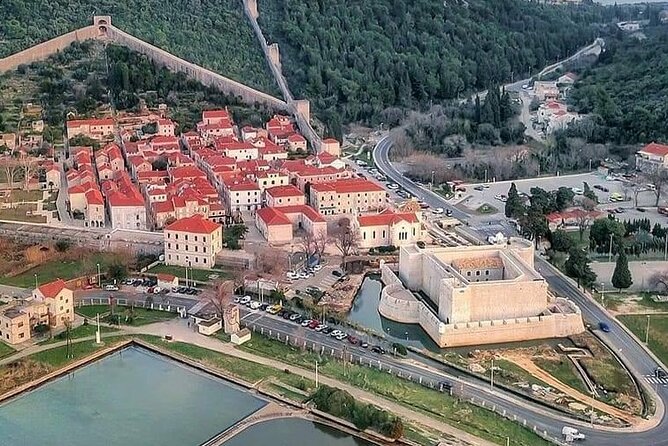
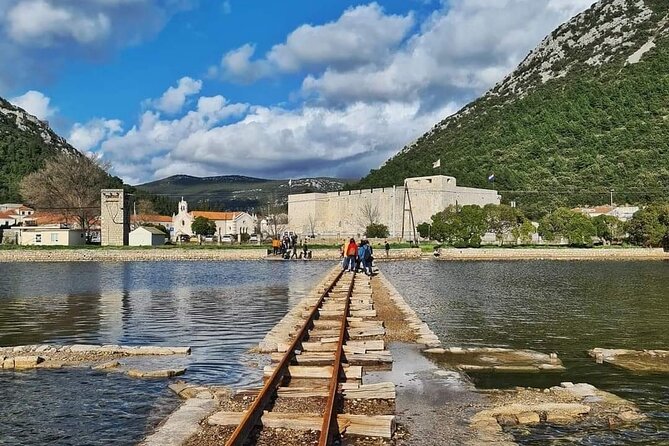
Ston’s walls are the anchor of the town, and this stop is timed for a meaningful walk. You have around an hour, and the ticket for the walls is not included in the base price. Still, it’s worth budgeting for because Ston’s walls aren’t just a pretty walk. They connect directly to one of Europe’s big food-and-trade stories: salt.
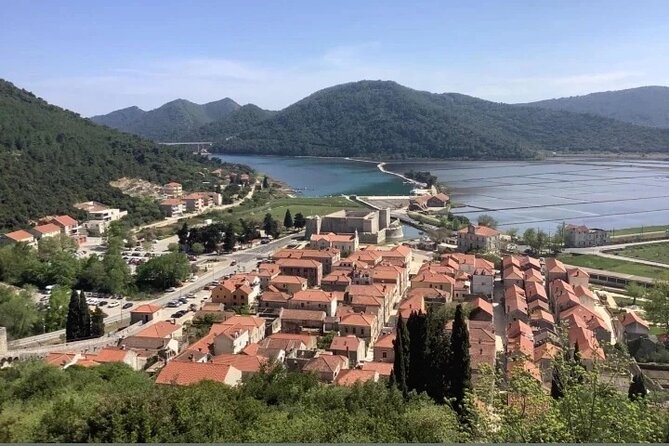
The walls stretch 5.5 km and are often nicknamed the European Wall of China. Built in the 14th century, they protected an active saltworks that’s been producing salt for centuries. So when you’re walking those stones, you’re also walking through the logic of how empires fed themselves and built wealth.
Practical tip: plan your pace. In an hour, you’re unlikely to do every possible segment at a leisurely speed. Aim for the sections that feel best with the light and your stamina, and treat the walk like a moving viewpoint rather than a strict checklist.
Also expect a food link here. Ston is known for oysters from Mali Ston Bay and for Pelješac wines, so even while you’re in a history zone, you’re mentally pairing it with what’s coming next. That payoff makes the walls stop feel less like a standalone museum moment.
Ston Saltworks: traditional salt-making you can picture in your mind
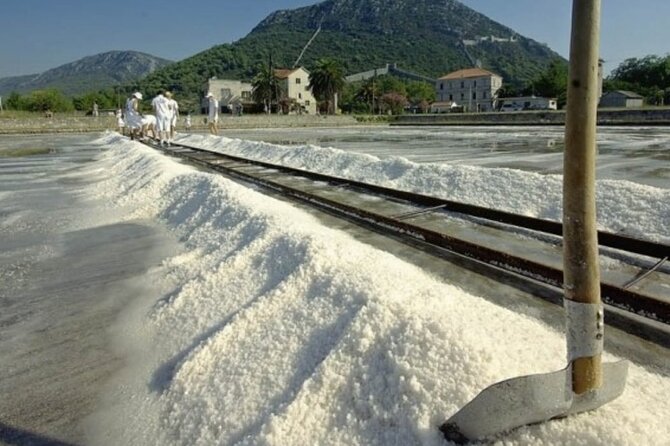
After the walls, the saltworks feel almost inevitable. This is where the region’s “why” becomes visible.
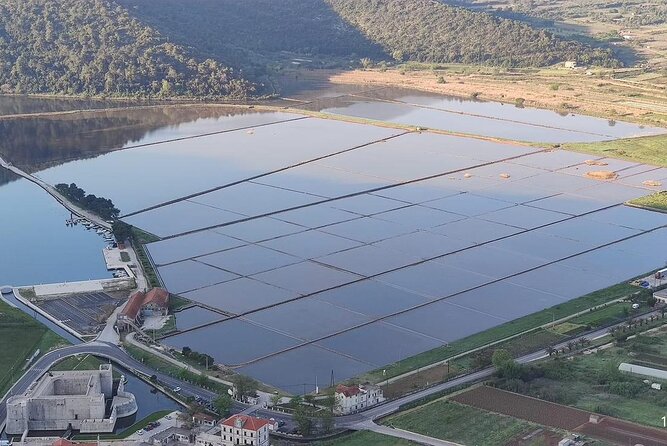
You’ll spend about 40 minutes at Ston Saltworks, and the admission fee for the salt museum area is charged separately (listed as 7€ per person). Salt production here is described as having ancient roots, with traditional methods preserved across generations. Even if you’ve seen salt flats in photos before, this place gives you something different: a working system shaped into channels and basins.
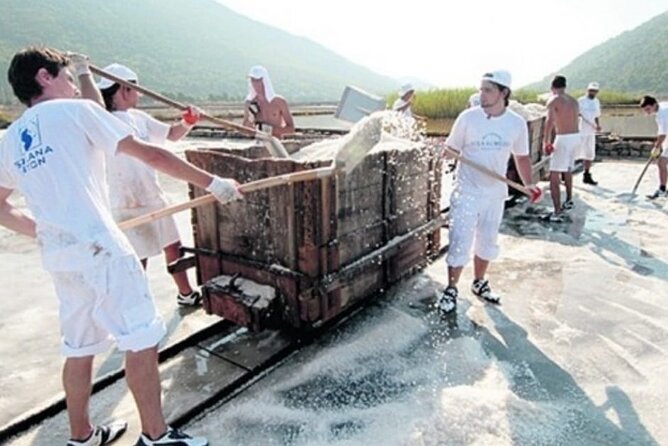
Here’s what to pay attention to as you look around. Seawater is channeled into shallow basins. Natural elements like sun and wind do the slow evaporation, leaving salt crystallized. Ston’s location, surrounded by a network of canals and channels, made it ideal for salt production. This wasn’t just a local craft; salt was valuable enough to act as a strategic resource for trade and wealth.
Drawback to consider: saltworks are a working heritage site, not an indoor show. If it’s hot, you’ll want sun protection and water. If it’s windy or wet, it can change the comfort level, even if the tour still runs.
Miloš Winery cellar time: Plavac Mali and Dingač explained without making it complicated
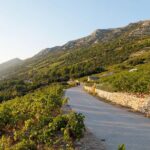
Next comes Pelješac wine country, and the stop at Miloš Winery is designed to be more than a quick tasting counter.
You’ll spend about an hour here, with the wine tasting not included. The tasting options are priced separately, listed as 10€ to 50€ per person depending on how many wines you choose and whether food is part of the experience. That range is a big clue: you can keep it simple or go deeper.
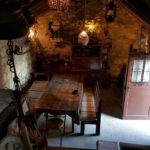
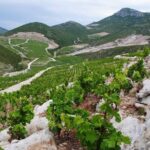
Miloš Winery is family-owned and described as producing organic wines. The winery is on the slopes of Pelješac, and aging happens in old oak barrels, which helps explain why their Plavac Mali style can be full and structured. During the guided visit, you’ll tour the stone cellar and taste wines highlighted on the route, including Plavac Mali and Dingač.
One practical angle: budget for the wine you actually want to drink. If you’re not sure, pick an option that includes enough to compare styles, but don’t automatically choose the most expensive tasting. This tour can already get you food-heavy, especially if you also add oysters by boat.
Also note the pairing concept. Oysters are often mentioned as a pairing focus, but the wine tasting is the highlight. If you like learning what makes a local grape taste like the coast, this is a good moment to slow down.
You can also read our reviews of more wine tours in Dubrovnik





Oyster farm boat with Dea Fishing: what you get and what costs extra
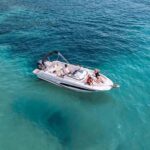
If oysters are your thing, this optional stop can be the emotional high point of the day. The boat portion and oyster farm visit are charged additionally at €30 per person.
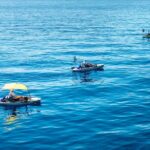
You’re looking at about an hour total for this segment, including a boat trip to the oyster farm and a presentation of how cultivation works. Then you get to taste freshly harvested oysters paired with local wine. There’s also an optional lunch possibility described as buzara-style, available for an additional cost if you want the full sea-meal day.
What makes this valuable is that it’s not just eating. The tour format gives you the process: saltwater mixing, farming methods, and how the sea itself shapes the result. It’s a good match for the morning saltworks theme—same region, different expression of water and evaporation, this time applied to oyster growth.
Consideration: weather and sea conditions matter more here than at a city wall. The overall experience requires good weather, and if conditions are rough, you may be happier knowing the boat segment is part of your optional add-ons.
Seosko domaćinstvo Ficović: the long seafood stop that feels like local life
The final food stop is a farm experience with a fishing-bay setting. You spend about two hours at Seosko domaćinstvo Ficović, and this is where the day shifts from tastings to eating.
This family farm in Hodilje serves freshly caught and prepared fish and seafood every day. The description emphasizes tradition and generational fishing knowledge, and that’s the point: you’re not in a themed restaurant. You’re eating in a place that still functions as part of daily coastal life.
Why I think this works well after wine: it helps you round out the day with actual plates rather than more samples. You’ll get a sense of what locals choose when they’re not trying to impress anyone, just feed people well.
Practical tip: go into the last stop hungry. If you spend too much time snacking at earlier tastings, the seafood meal can feel less magical than it should.
Price and what actually drives the final cost
The base price is listed as $572.47 per group (up to 6) for about seven hours, with private transportation and pickup/drop-off included. That structure can be good value if you’re traveling as a small party, because many costs that other tours hide in per-person tickets are here built into the day: air-conditioned vehicle, WiFi, live commentary, and door-to-door pickup.
But the extras are real, so here’s the practical way to think about it:
- City walls: entrance fee is 10€ per person (not included)
- Salt museum: entrance fee is 7€ per person (not included)
- Wine tasting: 10€ to 50€ per person depending on chosen option
- Oyster farm boat segment: €30 per person (not included)
- Lunch: lunch can be reserved at suggested restaurants or arranged as part of the oyster experience, but it’s not included in the tour price
So the final cost depends on how much you want to drink and how much you want the full seafood-and-oyster program. If you keep it to the essential heritage stops and choose a lighter wine tasting, you’ll pay less on top. If you do everything, expect to add up entrances plus the oyster segment and higher-tier tastings.
The good news is that the structure is transparent. You’re not guessing what’s included; you can pick your level.
Who this tour is best for (and who might want a different day)
This tour is a strong fit if you want a one-day arc that covers history and food with minimal travel stress. It’s also ideal when you appreciate a guide who can connect the dots between salt, walls, wine, and oysters.
It’s especially good for:
- Couples or small groups who want private transport
- Wine lovers who specifically want Pelješac grape names like Plavac Mali and Dingač
- Seafood fans who like the idea of oysters linked to farming methods
- People who want more than a single “sightseeing box” day
It might be less ideal if:
- You’re trying to keep costs very low, since entrances and tastings are separate
- You dislike outdoor walking in heat or wind, since the walls and saltworks are outdoors
- You don’t want alcohol costs on top of the base tour price (wine tasting options vary)
Should you book this Ston, saltworks, wine, and oysters tour?
I’d book it if you want one day that combines Ston’s defenses, working salt heritage, and Pelješac food culture without the hassle of arranging transport yourself. The private pickup and live commentary make the logistics easier, and the pacing gives each stop a real chance to land.
Don’t book it if you’re aiming for a simple, low-extra-cost sightseeing day. Entrance tickets and tastings add up fast, especially if you choose the oyster boat and a higher-tier wine tasting.
If you’re on the fence, pick your priorities first: walls and salt for the heritage angle, Miloš Winery for the wine focus, and the oyster farm segment for the food-as-craft experience. This tour lets you build the day around what you care about most.
FAQ
Is pickup from Dubrovnik included?
Yes. The tour includes hotel pickup and drop-off, apartment pickup and drop-off, and cruise ship pickup and drop-off, plus transportation by air-conditioned vehicle.
How long is the tour?
It runs for about 7 hours.
Are the city walls and saltworks admissions included?
No. The entrance fee for the city walls is charged separately (10€ per person), and the entrance fee for the Salt Museum is also charged separately (7€ per person).
Is the wine tasting included in the tour price?
No. The wine tasting at Miloš Winery is charged additionally, with options ranging from 10€ to 50€ per person depending on the tasting selection.
Is the oyster farm boat ride included?
It is charged additionally at €30 per person. The boat tour includes a presentation and fresh oyster tasting paired with local wine, with buzara-style lunch available for an extra cost.
Is alcohol allowed for minors?
The minimum age requirement for alcohol consumption is 18 years old.