REVIEW · DUBROVNIK
Taste & Tradition of Dubrovnik Countryside
Book on GetYourGuide →Operated by KOMPAS TOURIST AGENCY · Bookable on GetYourGuide
Dubrovnik gets a quieter side. This half-day trip to the Konavle Valley (about 20 km south) is all about hands-on tastes and everyday traditions, from sweet Prošek and fresh olive oil to the working rhythm of a water-powered mill. I like that it’s structured like a real route, not a random food stop, and I also like how the guide explains what you’re seeing in plain language.
One thing to consider: the stops are tasting-heavy, and the winery finale can feel short on explanation compared with the time spent on earlier traditions.
In This Review
- Quick hits you’ll care about
- Konavle Valley tastings in 5 hours: the big picture
- Čilipi olive oil and Prošek: starting with the local rhythm
- A note on pace and participation
- Kameni mlin Stone Mill: water power, flour milling, and wool work
- Mlinica (Đivanović) snacks: what’s included and how to pace it
- Practical tip: pace your tastings
- Agrotourism & Winery Brajković: wine liqueur and a vineyard walk
- The only consistent drawback: the winery explanation feels brief
- Logistics that matter: pickups, coach time, and comfort
- Walking and what to wear
- Who should skip (or plan differently)
- Price and value: is $93 worth the tastings?
- Who this Konavle countryside tour fits best
- Should you book this Dubrovnik-to-Konavle tasting tour?
- FAQ
- How long is the Dubrovnik countryside tasting experience?
- Is hotel pickup and drop-off included?
- Where in the region does the tour take place?
- What tastings are included during the tour?
- Is there a guided component, and what language is it in?
- How much walking should I expect?
- What should I bring for the tour?
- Are there restrictions on who can join or what’s allowed during the tour?
Quick hits you’ll care about
- Čilipi olive oil + Prošek first: sweet dessert wine and fresh oil right at the start, in a family setting
- Kameni mlin hands-on history: flour milling and even the wool process, shown during a guided visit
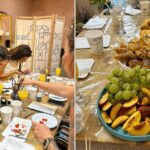
- Big snack spread at the mill area: prosciutto, cheese, olives, cucumbers, candied almonds, orange peels, plus wines and water
- Brajković winery views at the end: local wine liqueur plus white and red with a vineyard stroll
- Hotel pickup convenience: multiple Dubrovnik-area hotels and one-hour-ish blocks of tasting time over the day
Konavle Valley tastings in 5 hours: the big picture
This tour is designed for a half day, and it moves with purpose. You leave Dubrovnik by coach, do short transfers between three family-run stops, and spend most of the time where it counts: eating, drinking, and learning how local products are made.
The Konavle region is known for small-scale agriculture—olive trees, vines, and traditional crafts that used to rely on what the landscape provided. The whole experience focuses on that practical reality: water power for milling, local ingredients for spreads and snacks, and winemaking in the everyday, not in some fancy museum way.
At about $93 per person for 5 hours, the value depends on one thing: how much you enjoy structured tastings. If you like meeting people, sampling multiple products, and getting context while you eat, this is a good fit. If you prefer long winery conversations or lots of scenic walking, you might want to pair it with more time on your own later.
You can also read our reviews of more tours and experiences in Dubrovnik.

Čilipi olive oil and Prošek: starting with the local rhythm
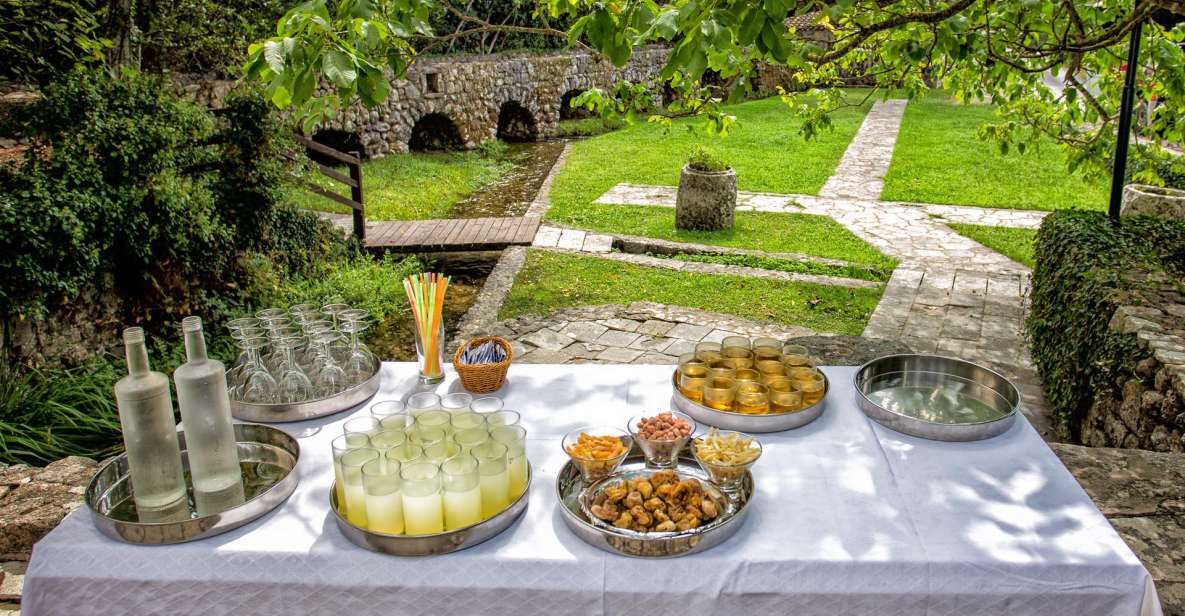
The tour begins at a family estate in Čilipi, and it sets the tone fast. You get a focused introduction to traditional olive oil—how it’s produced and how families keep the craft going. Then comes Prošek, a sweet dessert wine made in the style associated with the region.
I especially like this opening because it’s not just a sip-and-move-on routine. You’re tasting something that locals see as part of daily life, and the guide ties it to the landscape and the work behind it. Even if you think you already know what olive oil tastes like, freshly produced oil usually hits differently—peppery, fresh, and clearly tied to the harvest.
A note on pace and participation
Expect the experience to be warm and interactive. One review flagged that the olive oil presentation felt awkward for some visitors, with an owner turning participation into something more personal than expected. If you’re not a fan of forced involvement, just know you may have to stay a bit more attentive and present during the pitch. You can still enjoy the tasting—just keep your boundaries in mind.
Kameni mlin Stone Mill: water power, flour milling, and wool work
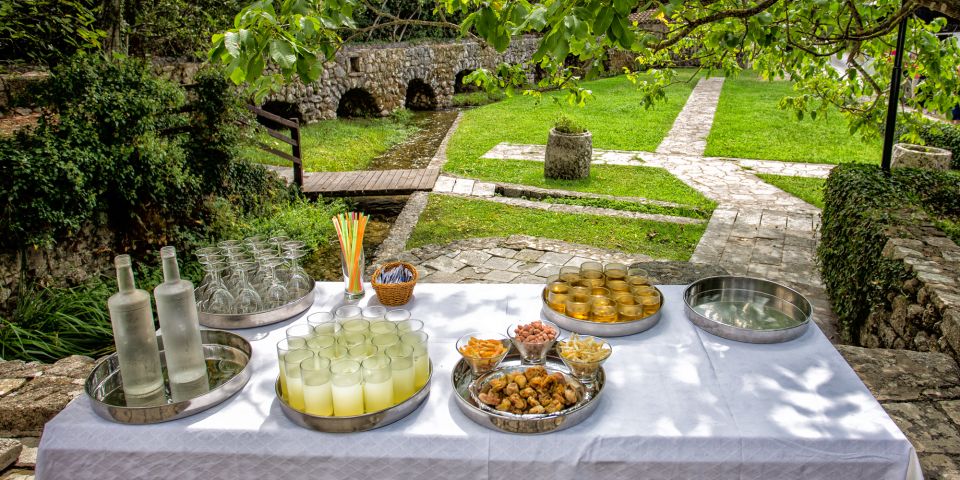
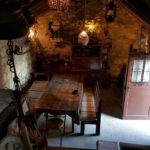
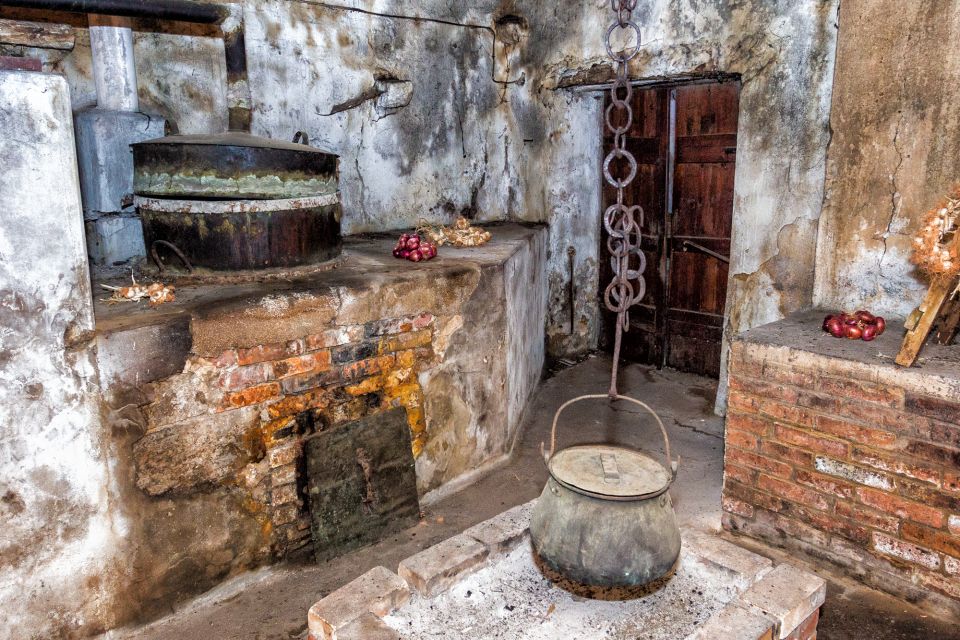
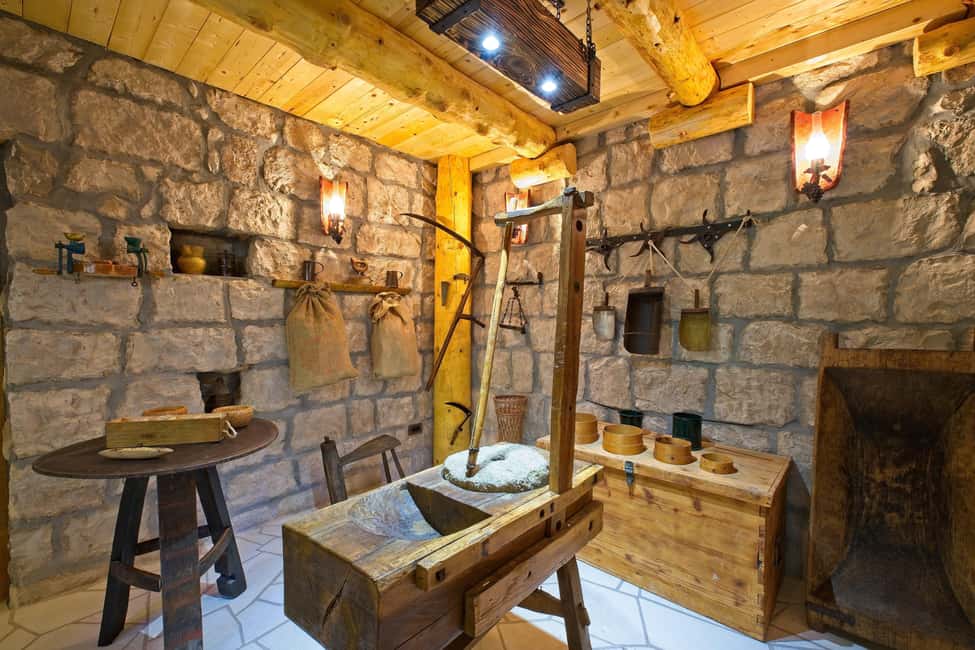
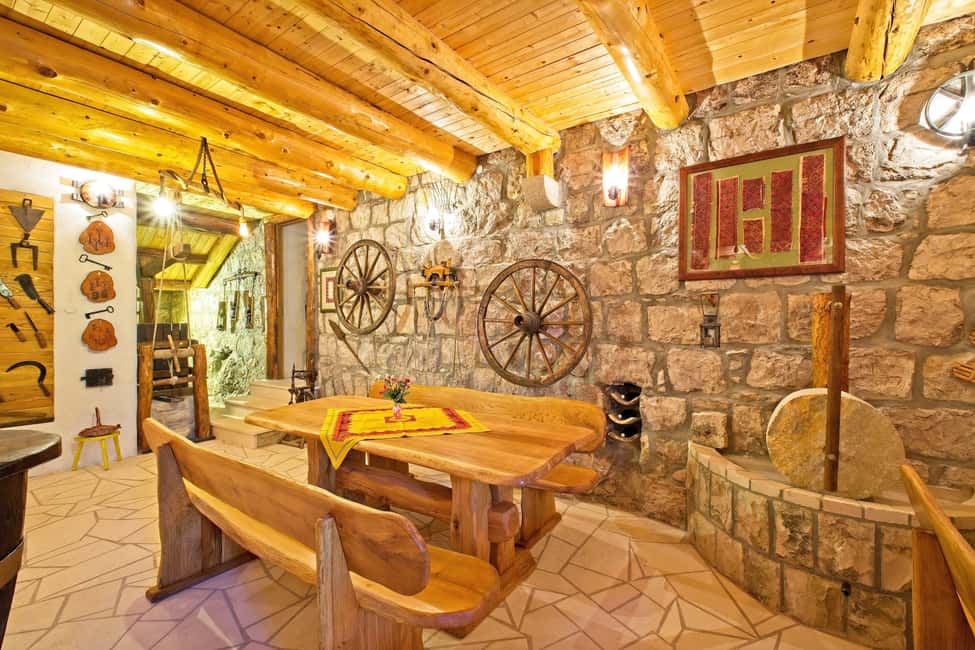
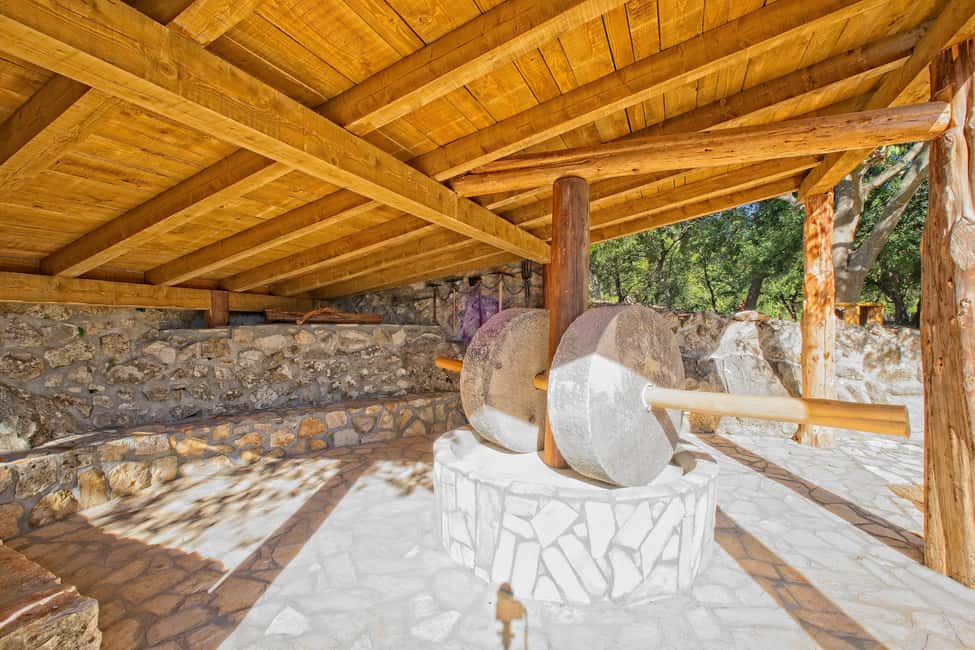
Next up is Kameni mlin, the stone mill stop (about a 45-minute guided visit). This is where the tour shifts from tasting to technique—how water-powered mills shaped everyday food production.
You’ll also learn about a craft layer that many visitors miss when they only think of Croatia as beaches and old stone walls: wool processing. The guide explains the processes around milling and wool work, and you’ll follow along while the setting shows why this mattered. Water power made the work more reliable, and the mill tied different trades together in one place.
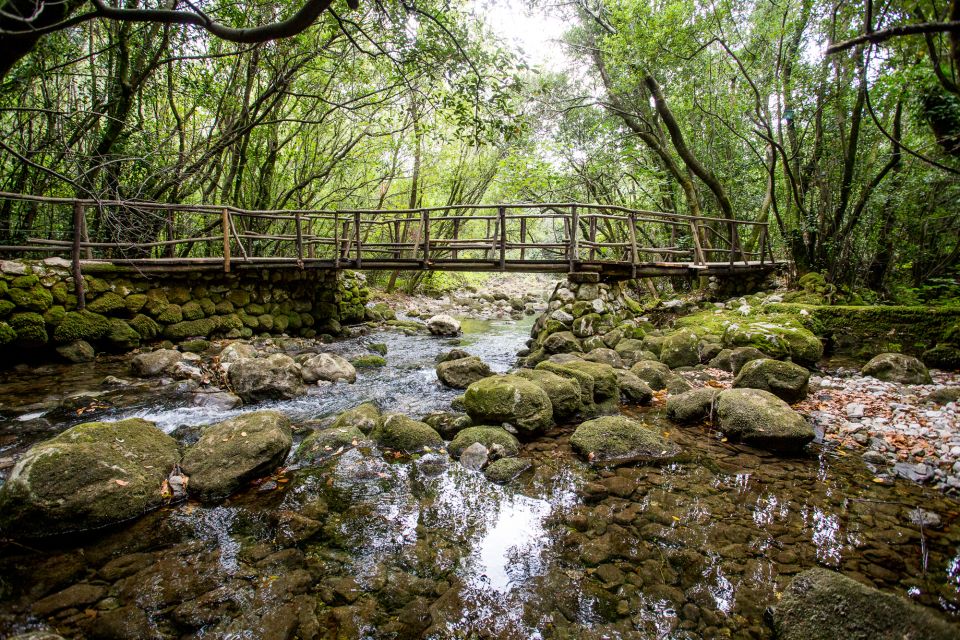
There’s also a short nature stroll that leads you toward the mill area. It’s not a hike, but it breaks up the day so you aren’t stuck inside for everything. You’ll come out of this stop with a better sense of how “local tradition” is really a system: water, animals, crops, and tools working together.
Mlinica (Đivanović) snacks: what’s included and how to pace it
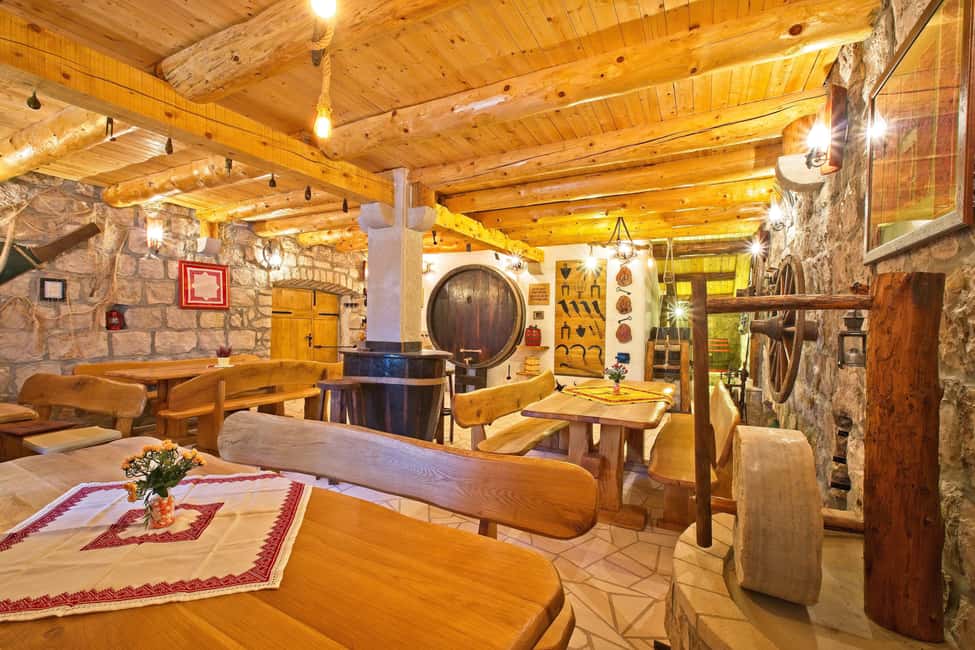
After Kameni mlin, you head to the mill area known as mlinica (Đivanović). This is where the tour becomes noticeably more like a food-and-drink break—aperitif, guided tour elements, and local snacks.
You get a guided tasting table with a solid mix of salty and sweet. The list is detailed, so you can plan around it:
- candied almonds
- orange peels
- prosciutto
- cheese
- olives and cucumbers
- homemade liqueurs
- sparkling and still water
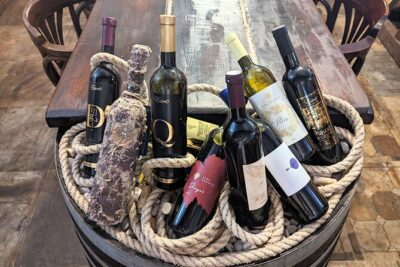
- a selection of white and red wines
This part matters because it’s not just about alcohol. The snacks are anchored to local ingredients and preserved flavors—things that work well with wine and liqueurs, not random tourist bites.
Practical tip: pace your tastings
With so many items in sequence, I recommend a simple rhythm: eat a bite, then sip, then wait a moment. It keeps your palate from flattening out. If you’re the type who wants to try everything, it’s still doable—but go slower than you think. You’ll enjoy the variety more, and you’ll feel better on the drive back.
The itinerary includes some free time in the mill area (about 45 minutes). Use it to look around calmly, take photos, and give your stomach a break if you’ve been tasting steadily.
Agrotourism & Winery Brajković: wine liqueur and a vineyard walk
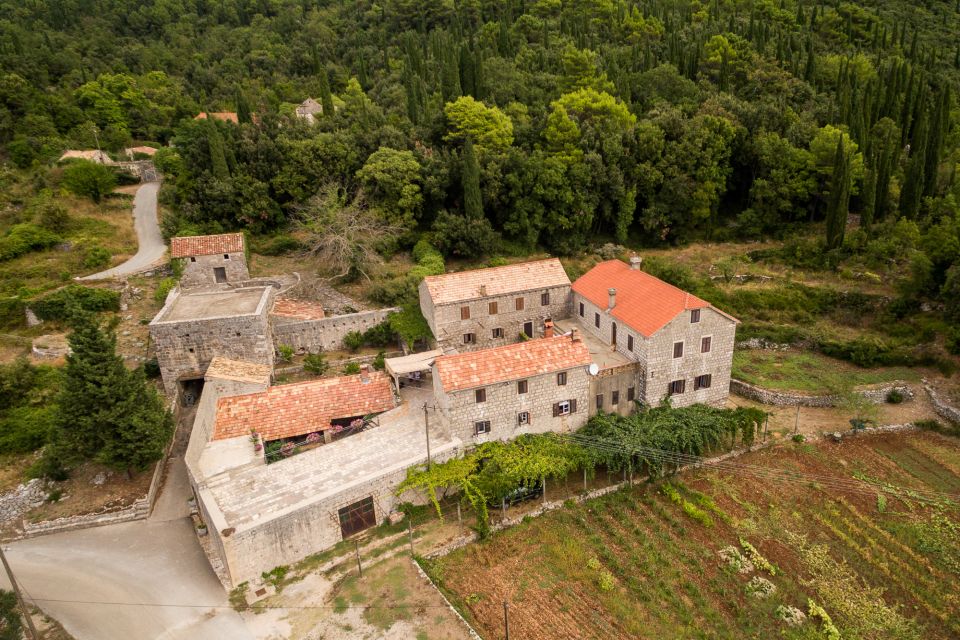
The final stop is the Brajković family winery. You’ll visit the agrotourism property for a guided tour and tasting (around 45 minutes), with welcome refreshments.
Here’s what you can expect in the tasting set:
- local wine liqueur
- white wine
- red wine
- plus the views of the valley from the winery setting
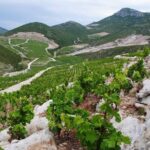
There’s also a leisurely walk through the vineyard to finish the experience. This is the “slow down and look” part of the day, and it gives context for what you’ve been tasting. If earlier stops were about how food and craft survive, this one is about how vines and winemaking keep that tradition alive.
The only consistent drawback: the winery explanation feels brief
One review described the winery portion as a bit disappointing because the tasting felt limited (tiny sips) and the process tour didn’t go as deep as expected. Another commented that the winery visit was slightly weak compared with the earlier stops.
That doesn’t make it a bad ending—just manage expectations. Treat this as a tasting and a view moment, not as a long, technical winery seminar.
Logistics that matter: pickups, coach time, and comfort
This tour includes hotel pickup and drop-off, and there are multiple Dubrovnik-area options. That matters because Dubrovnik traffic and parking can be a headache. You’ll be picked up from places like Dubrovnik President Valamar Collection Hotel, Hilton Imperial Dubrovnik, and several Lapad-area hotels, plus a nearby bus stop option. Then you’re dropped back at several hotel locations in Dubrovnik.
The timing is built around short coach transfers between stops:
- a transfer period after the first mill/craft segment
- another short ride before the winery
Walking and what to wear
The experience is not described as a hiking day, and the walking you do is light-to-moderate: a short nature walk to the mill plus a vineyard stroll at the end. Still, bring comfortable shoes, and add sunglasses and a hat for sun.
Also note what’s not allowed: no pets, no smoking, and no luggage or large bags. If you’re carrying a day bag, keep it small and easy.
Who should skip (or plan differently)
The tour isn’t suitable for wheelchair users and isn’t listed as suitable for pregnant women. If either of those applies, ask for alternatives before booking.
Price and value: is $93 worth the tastings?
For about $93 per person, you’re paying for four things:
- transport (coach from multiple hotels)
- a live English guide with explanations during stops
- multiple guided tastings across three family settings
- a structured half-day schedule (so you don’t have to plan driving)
The tastings are the big value driver. You’re not just trying one product. You’re sampling olive oil and Prošek, then moving into a meal-like spread with liqueurs, cheeses, cured meats, olives, cucumbers, candied almonds, orange peels, plus wines and water. Finally, you get another tasting at the winery with wine liqueur and both red and white.
If your goal is to taste widely and learn the “why” behind local production, this pricing makes sense. If your goal is deep winery education only, you might feel the last stop is too short and too focused on quick sips.
Who this Konavle countryside tour fits best
This works best for:
- people who enjoy guided tastings more than long scenic wandering
- food and drink lovers who like learning small-process details (water mills, craft links, how traditions are kept alive)
- visitors staying in Dubrovnik who want an easy, organized way to reach Konavle Valley without hiring a car
It’s less ideal if:
- you hate any situation where you might be asked to participate during a presentation
- you expect a long, technical winery tour at the end
- you’re traveling with needs not supported by the tour (wheelchair users, pregnant women)
Should you book this Dubrovnik-to-Konavle tasting tour?
I’d book it if you want a half day that feels like real regional life: olive oil and Prošek to start, then a mill that explains how work was powered and made, followed by a proper snack-and-wine spread and a calm vineyard finish.
I’d think twice if you’re mainly chasing a long winery lesson or if you’re very sensitive to presentations that feel personal or demanding. In that case, you can still enjoy the earlier mill and olive oil stops, but you should go in with your expectations adjusted for a quicker end at the winery.
If your schedule allows only one countryside food-and-drink outing, this one is a strong contender because it packs three distinct family experiences into a single 5-hour format.
FAQ
How long is the Dubrovnik countryside tasting experience?
The tour lasts about 5 hours.
Is hotel pickup and drop-off included?
Yes. The tour includes hotel pickup and drop-off, with multiple pickup and drop-off locations around Dubrovnik and nearby areas.
Where in the region does the tour take place?
It focuses on the Konavle Valley area, about 20 km south of Dubrovnik, in Dalmatia, Croatia.
What tastings are included during the tour?
You’ll taste homemade Prošek and olive oil at the start, then you’ll have a tasting with homemade liqueurs, candied almonds, orange peels, prosciutto, cheese, olives, cucumbers, plus white and red wines and sparkling and still water. The winery stop includes wine liqueur plus white and red wine.
Is there a guided component, and what language is it in?
Yes. There is a live tour guide, and the tour is in English.
How much walking should I expect?
The walking is described as limited, with short strolls including nature access to the mill and a leisurely walk through the vineyard.
What should I bring for the tour?
Bring comfortable shoes, sunglasses, a sun hat, and a camera.
Are there restrictions on who can join or what’s allowed during the tour?
Pets are not allowed, smoking is not allowed, and luggage or large bags are not allowed. The tour is noted as not suitable for wheelchair users and pregnant women.