REVIEW · DUBROVNIK
Dubrovnik Old Town: Easy paced and accessible History tour
Book on GetYourGuide →Operated by Get Lost in Dubrovnik · Bookable on GetYourGuide
Dubrovnik without the stair fight is rare. This easy paced, accessible Old Town history tour links the big sights with a story you can actually follow at a comfortable speed. You start near Onofrio’s Fountain and wind through the center like a guided walk with context, not a rushed checklist.
I especially like that it stays stairs-free, with a route designed for wheelchairs and seniors. I also love the guide style: certified local storytelling in English, with lots of practical tips and human details, not just dates and plaques.
One possible drawback: if you want a faster, feet-moving tour that maximizes sights in every minute, this format is intentionally gentler. It is built for people who prefer less effort, so don’t expect a marathon pace.
In This Review
- Key Things to Know Before You Go
- Dubrovnik Old Town, but With an Easy Pace
- Where You Start: TIC Dubrovnik and Onofrio’s Fountain
- Stradun and the Main Spine of Old Town
- Franciscan Church and Monastery: Faith and City Identity
- Orlando’s Column and the Old Port: Power in Stone
- Cathedral Area and the Civic Heart: What the Buildings Tell You
- Fortresses of Revelin and St. John: Defense Lessons with Views
- Guide Quality: Why Names Like Nino, Pero, and Frano Matter
- Pacing and Comfort: What Easy Really Means Here
- Price and Value: Is $16 Worth It?
- Who Should Book This Tour
- Should You Book It?
Key Things to Know Before You Go

- Stairs-free route: Built to keep mobility stress low in a town famous for steps.
- Certified local guides in English: You’ll get stories about how Dubrovnik worked, not just what you’re seeing.
- Major Old Town stops in 1.5 hours: From Stradun to the Cathedral area and the Old Port.
- Accessible and senior-friendly focus: The pacing is relaxed, and the plan aims for flat, easy-going movement.
- Small-group flexibility: In at least one case, the guide still ran the tour when only one booking showed up.
- Local best-practice tips: You can ask for food and practical advice at the end.
Dubrovnik Old Town, but With an Easy Pace
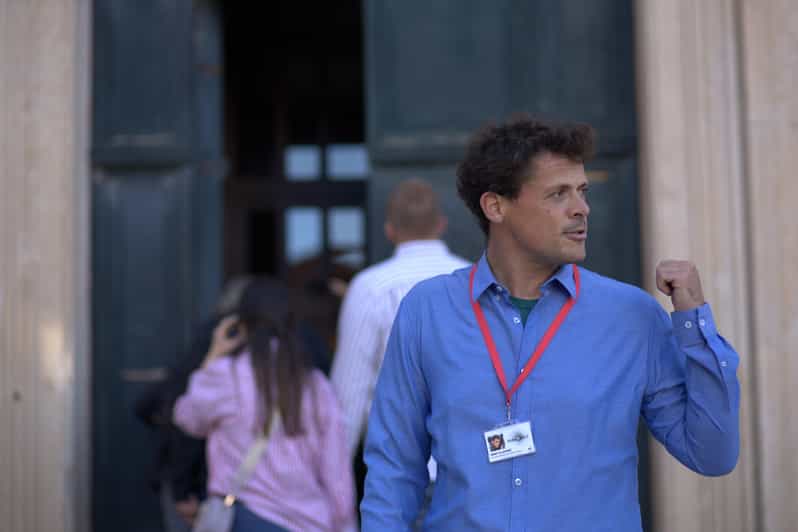
Dubrovnik Old Town can be exhausting fast, even if you’re young and fit. The walls, the viewpoint hunger, and the stone steps add up. This tour is built to make the same essential sights feel doable, especially if stairs or long climbs are the problem.
The big idea is simple: you still get the history and the landmarks, but the walking style is calmer. The tour is described as an easy paced and accessible history stroll, and that shows in the kind of route it follows. Instead of forcing you to power through, the guide keeps things relaxed and interactive so you’re not just shuffling along.
The 1.5-hour duration matters too. It’s long enough to get your bearings and understand what makes the Old Town tick, but short enough that you’re not deciding between sightseeing and recovery. For Dubrovnik, that balance is a big deal.
You can also read our reviews of more historical tours in Dubrovnik
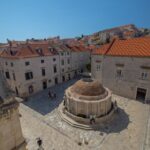
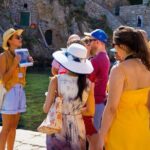
Where You Start: TIC Dubrovnik and Onofrio’s Fountain
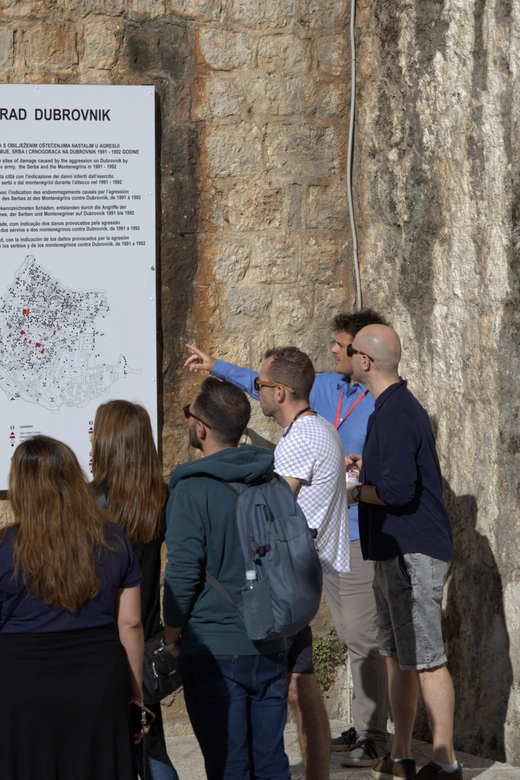
Your meeting point is at TIC Dubrovnik Ltd., right next to Large Onofrio’s Fountain. The instructions say to look for the spot by the two yellow mailboxes—an oddly specific detail, but exactly the kind that saves you time when you’re arriving in a crowd.
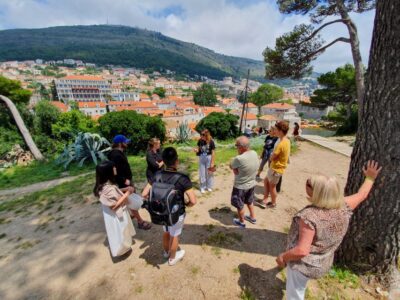
Starting here is smart. Onofrio’s Fountain is a natural landmark, and it’s also a good place to begin getting oriented. Once you’re gathered, the guide sets the tone: you’ll hear how the city functioned in the past and how life looks now, with short stories you can remember as you walk.
Bring a hat and water. Dubrovnik can get hot even when you’re only moving at an easy pace. And because this tour is meant to feel comfortable rather than intense, having basic sun protection keeps the whole experience pleasant.
Stradun and the Main Spine of Old Town
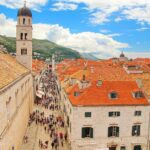
One of the best parts of the tour is how it uses Stradun as a central reference point. Stradun is the main pedestrian street, and seeing it with a guide changes how it feels. You’re not just looking at a pretty street—you’re learning what the space represents and how it fits into Dubrovnik’s city design.
You’ll walk through the Old Town in a way that stays readable. That means you’re not only seeing individual buildings; you’re seeing how the street connects the power centers and religious spaces. It’s the difference between seeing landmarks and understanding the plan.
If you’re the kind of traveler who likes to make sense of where you are, this approach helps. You start linking neighborhoods, institutions, and the logic of the city right away. Even if you’ve never been to Dubrovnik, after you’ve spent time on Stradun, the Old Town feels less like a maze.
Franciscan Church and Monastery: Faith and City Identity
The tour includes a stop at the Franciscan Church and Monastery. This is one of those places where a guide’s pacing really helps. In a “no stairs” tour, you’re not cutting off the important stops—you’re just spending more time understanding them without the physical burden.
What you get here is the human side of Dubrovnik’s structure. You hear about long and turbulent history and how different life is today. That context matters because it explains why religious institutions are so prominent in Old Town city layouts. They aren’t decoration; they’re part of how the republic organized meaning, community, and authority.
A guide also helps you notice details you might otherwise skip—like small architectural cues that hint at different eras. Even without a deep technical lecture, the tour frames what you’re looking at so your brain knows what to pay attention to.
Orlando’s Column and the Old Port: Power in Stone
Next up is Orlando’s Column, followed by the Old Port. These two stops work well as a pair because they point to different kinds of influence: symbolism and practical maritime life.
Orlando’s Column is a famous emblem, and on this tour you’re not just hearing that it is important. You get the story behind Dubrovnik’s political culture—plus a few entertaining details. One of the most memorable themes mentioned in the tour description is the city’s tradition of liberty and the sometimes oddly specific habits of its diplomats, including the story about crying lessons. Even if that sounds strange at first, it’s the kind of detail that makes history feel like people, not textbooks.
Then you shift to the Old Port. This is where you remember Dubrovnik’s identity as a maritime power. The guide ties the architecture and the city’s position to why people built and defended this place the way they did. The port area helps you connect the economy and the fortifications, which makes later viewpoints make more sense.
If you like a tour that connects the dots, Orlando’s Column to the Old Port is a strong arc.




Cathedral Area and the Civic Heart: What the Buildings Tell You
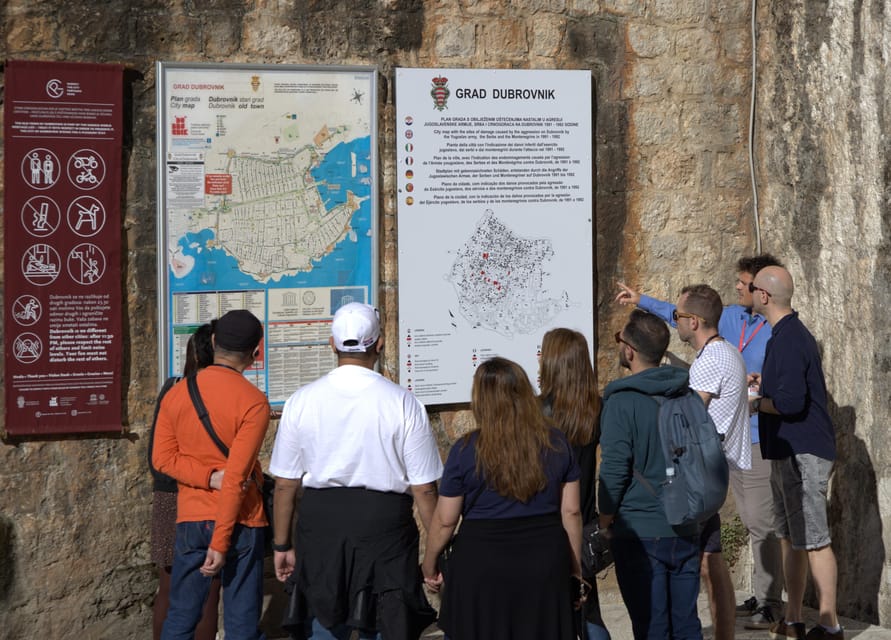
The tour heads to Dubrovnik Cathedral and continues through major central sites around the same civic core. You’ll see highlights connected to the Cathedral area and the historic institutions that give the Old Town its character, including the Rector’s Palace and Sponza Palace.
Even if you’re not a museum person, this stop is worth it because historic architecture is part of the storytelling. The tour description specifically emphasizes the importance of historic architecture along the way, and that lines up with what you’ll notice when a guide points out patterns: how public power and religious authority are expressed in stone.
You also hear the story of how Dubrovnik’s long history still shows up in the street-level details. A cathedral visit can be passive if you’re left to read signs alone. Here, the guide keeps it interactive and paced, which is helpful if you prefer to listen while you walk.
One practical perk: because the tour is designed to be accessible, you’re less likely to arrive at the most important-looking building exhausted. That keeps your attention sharp when the guide explains why these structures mattered.
Fortresses of Revelin and St. John: Defense Lessons with Views
The tour includes the fortresses of Revelin and St. John as part of its major-sights coverage. Even without turning it into a viewpoint hiking expedition, this kind of stop adds the missing piece to Dubrovnik’s story: defense.
Dubrovnik’s fortifications weren’t built for decoration. They were the logic of survival, trade protection, and political independence. In a short 1.5-hour format, you need the guide to translate that quickly, and the tour aims to do exactly that.
If you’re the type who likes to understand why a city is shaped the way it is, the fortress element will click. The architecture and the geography start to feel connected—why the walls matter, why the city needed maritime protection, and why power was guarded.
Because this is an accessible tour, the fortress component is framed without forcing you into a punishing climbing session. Still, Dubrovnik Old Town is old and stone-paved, so wear comfortable shoes even if the route is described as flat and stairs-free.
Guide Quality: Why Names Like Nino, Pero, and Frano Matter
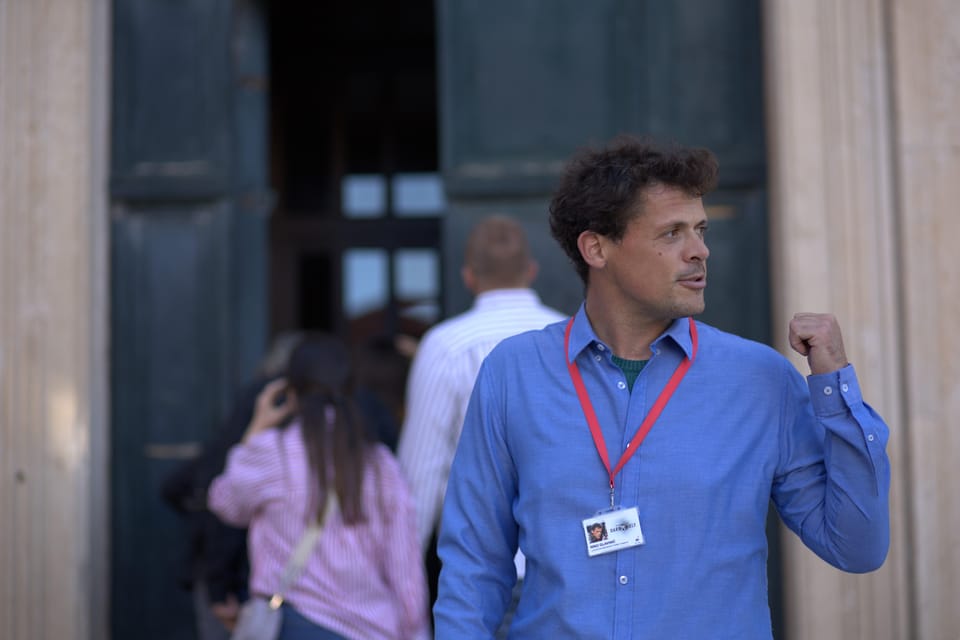
The tour is led by certified local guides, and the guide quality shows up in how people describe the experience. English-language guidance is the standard, and the tone is friendly and approachable.
You may meet guides including Nino, Pero, or Frano. Across the descriptions, a few traits come up again and again:
- They explain sites in a way that feels conversational, not like a lecture.
- They’re willing to adjust if you need a slower pace.
- They answer questions and can add personal context about living and working in Dubrovnik.
In one case described, there were only two people on the tour, and the guide even stuck around afterward to chat about where to eat and what to do next. That’s a real advantage in a short tour. You get the basics plus a chance to ask for practical recommendations.
There’s also mention of fun, local nuggets—like how Dubrovnik ties into pop culture discussions (including mentions tied to Game of Thrones in the guide’s conversation). Again, that’s not something you should expect as a guarantee, but it tells you the guide won’t keep the conversation locked in a museum box.
Pacing and Comfort: What Easy Really Means Here
This tour is explicitly designed to avoid stairs, and that’s the headline for anyone who usually struggles in Old Town Dubrovnik. The tour is also described as wheelchair accessible and senior-friendly, and the route is planned as a comfortable stroll rather than a hard push.
One recurring theme in feedback is the feeling of control. The guides keep it slow and steady. They make sure everyone can participate, including people with mobility difficulties and even families with infants.
Because the tour includes multiple stops—Onofrio’s Fountain, the Franciscan Church and Monastery, Stradun, Orlando’s Column, the Old Port, and the Cathedral area—you want the walk to feel like a sequence, not a sprint. Here, the structure seems built to support that. You’re moving, learning, and pausing when needed.
A quick note: stairs-free doesn’t mean zero walking. You still have to cover ground through the Old Town. If you have limited stamina, consider pacing yourself and carrying water from start to finish.
Price and Value: Is $16 Worth It?
At $16 per person for about 1.5 hours, this is a budget-friendly way to get oriented in Dubrovnik without paying for a more expensive private guide. For the price, you’re not only buying access to major Old Town stops—you’re buying interpretation.
Here’s what makes it feel like good value:
- It hits a cluster of important sites in one outing, so you’re not trying to piece together a self-guided route while tired.
- The guide format is built around accessibility, which often means you get a calmer experience compared with tours that expect everyone to climb stairs at speed.
- You also get best local tips, including suggestions for where to eat and what to do next.
The only reason the price might not feel like value is if you strongly prefer self-directed walking. If you don’t want storytelling at all, you could do a free route on your own. But if you’re trying to understand the Old Town fast and comfortably, $16 is an easy yes.
Who Should Book This Tour
This tour fits best if one of these describes you:
- You want Old Town highlights but you need low-stress mobility.
- You’re traveling with a wheelchair user, a senior, or anyone who avoids stairs.
- You like a guided explanation that keeps things interactive and not rushed.
- You prefer a relaxed walking pace and time to ask questions.
It’s also a good choice for first-time Dubrovnik visitors. You get a strong overview early, which makes later solo exploring easier.
If you’re a power walker who wants maximum territory covered at speed, you might feel the pace is too gentle. But for comfort-first sightseeing, this is exactly the kind of tour that prevents Dubrovnik from turning into a physical grind.
Should You Book It?
If your top priority is seeing the main sights of Dubrovnik Old Town without fighting stairs and fatigue, I think this tour is an excellent booking. Starting at Onofrio’s Fountain and flowing through Stradun, the Old Port, the Cathedral area, and key architectural landmarks gives you a clear mental map in just 1.5 hours.
Book it if you value accessible pacing and a guide who connects buildings to human stories—plus practical local advice you can use right after the tour. Skip it only if you want a fast, aggressive walking schedule designed for people with zero mobility limits.