REVIEW · DUBROVNIK
Wine, food and olive oil by PhD student
Book on Viator →Operated by DeliciousDubrovnik · Bookable on Viator
Dubrovnik tastes like the Adriatic. This 3-hour tour mixes olive oil tasting with Old Town sightseeing, guided by Dom (an enologist with a master’s degree, plus a PhD student in wine). You get a food-focused route that also explains how Dubrovnik shaped its own tastes.
I love that it’s hands-on right away: you’ll do a guided evaluation of extra virgin olive oil with a licensed Olive Oil Sommelier. You also get a clear, practical way to recognize what quality tastes like, not just what it is on a label.
The wine and food portion is nicely structured, which is great for most people, but it may feel a bit fixed if you want the tour to swing wildly toward your own idea of unusual food or drink.
In This Review
- Key highlights you’ll care about
- Dubrovnik’s best 3-hour plan for food lovers (with Dom)
- Olive oil tasting at the start: the fastest way to taste smarter
- Four wines, four dishes: how the pairings actually help you
- Walking Old Town while the food story gets explained
- The granary and the politics: why Dubrovnik’s system mattered for eating
- What you’re really eating (and what to expect from each stop)
- Price and value: is $205.59 per person worth it?
- Timing, meeting point, and how to plan your afternoon
- Who this tour fits best (and who might want a different plan)
- Booking tips that make the experience smoother
- Should you book the Dubrovnik wine, food and olive oil tour?
- FAQ
- What is the duration of this Dubrovnik wine, food and olive oil tour?
- Where does the tour start and end?
- What time does the tour start?
- How many people are in the group?
- What’s included with the food and drinks?
- Do I have to be 18 to drink the wine?
- Is the tour language English?
- Is transportation or mobility an issue?
- What if the weather is bad?
- What is the cancellation policy?
Key highlights you’ll care about
- Olive oil, explained like a skill: a short guided “recognize the main characteristics” session, then tasting.
- Four wine pairings across two restaurants: fish and seafood plus meat courses matched with local varietals.
- One Old Town plan that hits major sights and quieter streets without turning it into a full day march.
- Dubrovnik Republic context built into the walk: politics, threats, and engineering at the Republic’s peak.
- A small group max of 12 with a guide who can answer questions on the spot (Dom is known for that).
Dubrovnik’s best 3-hour plan for food lovers (with Dom)
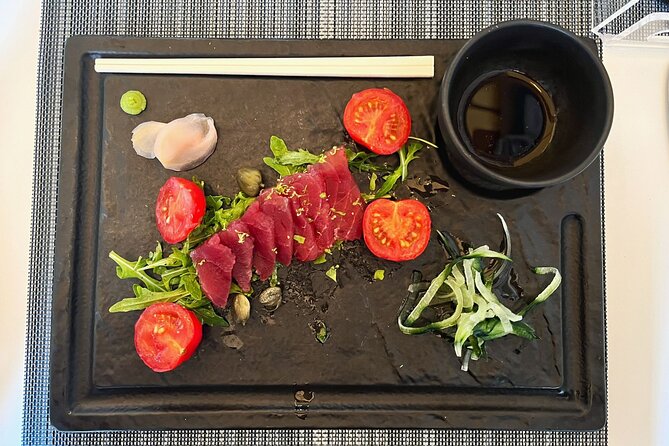
Dubrovnik can be sightseeing-heavy fast. This tour keeps you moving, but it does it with purpose: olive oil first, then wine and food in family-run spots, while you walk past the city’s big landmarks and some less crowded corners.
Dom’s role matters here. He’s not just giving history notes from the sidewalk—this experience is built around wine education (with his enologist background and PhD-student training) and olive oil tasting done by a licensed specialist. That mix is why it feels more like learning and eating at the same time, instead of just “checking off” a few tastings.
Also, it’s a good length. Around three hours gives you enough variety (seafood, meat, dessert) without turning the evening into a slog.
You can also read our reviews of more food & drink experiences in Dubrovnik
Olive oil tasting at the start: the fastest way to taste smarter
You begin where a lot of visitors first get their bearings: Onofrio’s Large Fountain area. From there, the day’s main skill kicks in quickly. You’ll visit the first family-run place and do a short, guided evaluation of olive oil—about 15 minutes focused on how to spot the main characteristics of extra virgin olive oil.
This is the kind of lesson I like because it’s practical. You’re not being asked to memorize complicated tasting jargon. Instead, you’re being guided to understand what “extra virgin” should mean in flavor and feel, and how to separate good oil from merely “edible” oil.
Then you go one step beyond basics with the oils you’re presented to taste. The tour includes samples of Croatian extra virgin olive oils that were awarded in the NYIOOC. That matters for your experience because award-winning oils usually give you a clear contrast for what quality tastes like.
If you’ve ever bought olive oil at home and wondered why it tastes different once you’re in Croatia, this is the start of the answer.
Four wines, four dishes: how the pairings actually help you
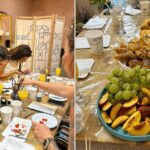
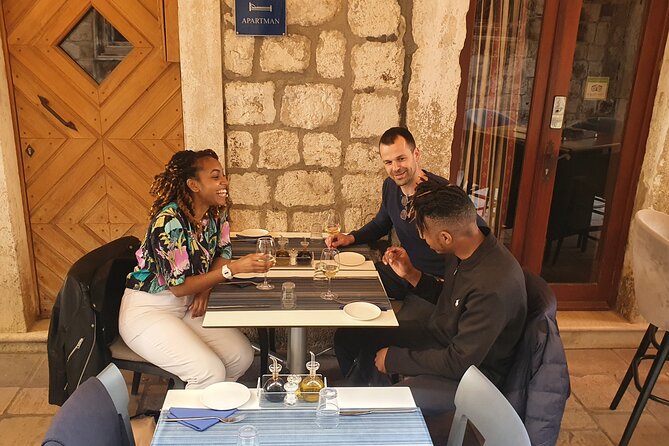
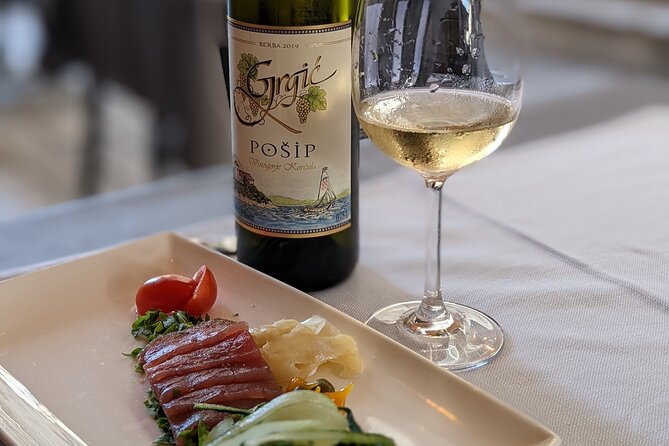
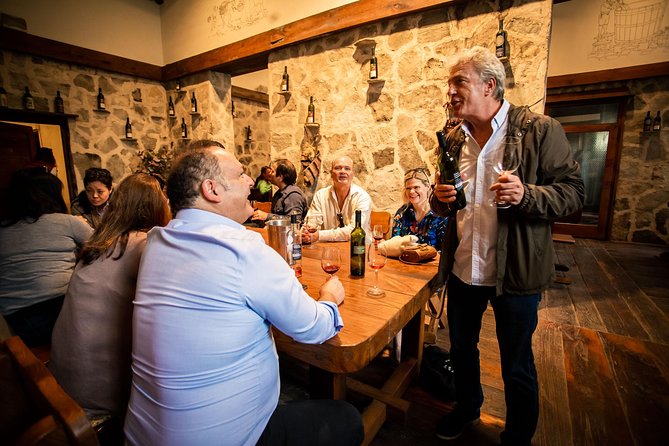
After the olive oil lesson, the tour shifts to two restaurant stops for wine and food pairing. In total, you’ll taste four wines paired with four dishes across about 60 minutes.
What I like about this setup is pacing. You get multiple pairings, but the structure keeps it from feeling like a blur of glasses. Each dish has a pairing logic, so even if you’re not a wine nerd, you’ll start noticing how the flavors behave together.
Here’s what the sample menu tells you about the variety you’ll get:
- Starter: two samples of extra virgin olive oil, including presentation and tasting of Croatian oils recognized at NYIOOC
- Main: fish with a Croatian white wine (a varietal recognized by Decanter in 2021)
- Main: seafood with a Croatian white wine (again, a Decanter-recognized Croatian varietal)
- Main: meat dish with a white wine (paired with a locally produced varietal recognized by Decanter in 2017)
- Main: meat dish with red wine (from Croatia’s oldest protected winegrowing zone near Dubrovnik)
- Dessert: dessert
A subtle win here is the range of food styles. You’re not only eating “seafood in one way.” You get fish and seafood, then meat courses with both white and red wine. That’s what makes this tasting feel like it covers Croatian flavors instead of staying in one lane.
Walking Old Town while the food story gets explained
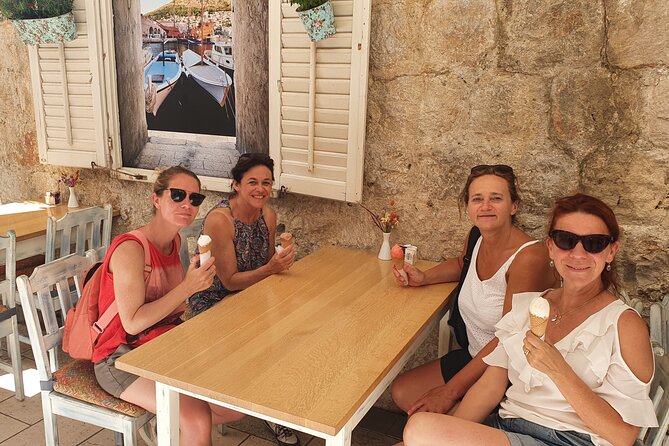
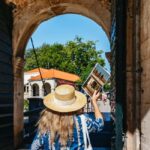
You’ll spend the walking time doing more than moving between tastings. The route threads together major landmarks with context about how Dubrovnik worked at its peak.
As you pass through the Old Town, you’ll go by big names and classic photo stops such as:
- Revelin fort
- Ploče gate
- Lazareti
- Franciscan monastery
- Rupe museum
- Farmers market
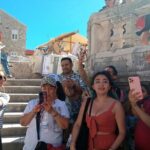
- Jesuit stairs
- Rector’s Palace
But you also get the more “inside baseball” version of sightseeing. At Large Onofrio’s fountain, the guide talks about the Republic’s peak time and the engineering projects of that era. That’s useful because it turns a famous fountain-and-stones moment into a clue about why the city had the resources and mindset to build big.
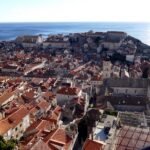
On another stretch, you’ll head through off-the-beaten-path parts of the Old City and see rooftops from a different angle—then spot a key museum tied to Dubrovnik’s food-and-trade story: the 16th-century granary of Dubrovnik.
Even the route between places becomes a history lesson: why certain political decisions mattered, and how the Republic’s aristocracy navigated threats from stronger opponents. If you enjoy history but get bored when it’s just dates and walls, this is the kind of walking tour where the stories connect to daily life—food, trade, and taste included.
The granary and the politics: why Dubrovnik’s system mattered for eating
Food doesn’t live in a vacuum. Dubrovnik’s location and its political setup shaped trade routes, supply, and what kinds of ingredients and wine traditions could take root.
That’s why stopping near the granary museum feels more than decorative. The granary is tied to storage and provisioning—how a city manages food security over time. In a place like Dubrovnik, where seasonal supply and maritime connections mattered, that kind of infrastructure affects what shows up on plates.
Then the tour adds the politics angle. You’ll hear about the Republic’s political system and why it was successful, including the tricks the aristocracy used to stay ahead of threats from stronger opponents. It’s the kind of explanation that helps you understand why a city could fund projects and maintain stability long enough for culture (and cuisine) to develop.
It all adds up to a tour that doesn’t treat food like an accessory. It’s part of the city’s survival story.
You can also read our reviews of more tours and experiences in Dubrovnik
What you’re really eating (and what to expect from each stop)
Let’s translate the menu into a “what might it feel like” guide. Exact textures and seasoning aren’t provided, but the food categories are clear, and you can plan your appetite.
You’ll likely start with olive oil tasting that sets your palate—so subsequent wines and dishes won’t feel random. After that, the tour delivers:
- Fish + Croatian white wine (Decanter-recognized varietal, 2021)
- Seafood + Croatian white wine (another Decanter-recognized Croatian varietal)
- Meat dish + locally produced white wine (Decanter-recognized varietal, 2017)
- Meat dish + red wine (from the oldest protected winegrowing zone near Dubrovnik)
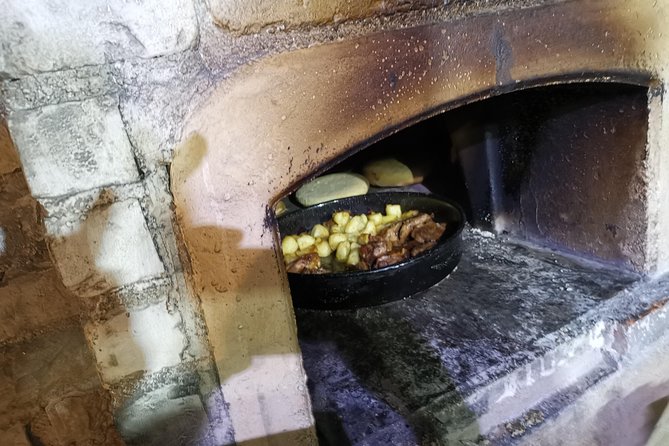
One especially interesting detail is that one meat course is prepared from a very old recipe, from the 16th century. That’s a big deal because it means you’re eating something with continuity, not just modern restaurant “inspired by” flavor.
And don’t skip dessert. Dessert is included as the final stop, which gives the tour a proper landing point instead of stopping right after the last glass.
Price and value: is $205.59 per person worth it?
At $205.59 per person for about three hours, this isn’t a bargain-basement tasting. But it’s also not priced like a fancy sit-down meal where you only get one course.
Your value comes from several things happening together:
- A small-group format (maximum 12 people)
- A guided olive oil evaluation by a licensed Olive Oil Sommelier
- An enologist guide who’s also studying wine at a PhD level
- Four wines paired with four dishes across two restaurant stops
- Food made from locally produced ingredients
- Alcoholic beverages included (wines from the Dubrovnik region, with varietals recognized by Decanter and oils recognized at NYIOOC)
- A walking Old Town route that touches major sights and adds context
Also, the tour tends to book ahead. On average it’s reserved about 77 days in advance. That usually signals consistent demand for a format that’s both educational and easy to fit into a visit.
If your goal is simply to drink a little and eat a snack, you could do that cheaper on your own. If your goal is to understand what you’re tasting—olive oil quality, pairing logic, and Dubrovnik’s food context—this price starts to make more sense.
Timing, meeting point, and how to plan your afternoon

The tour starts at 4:00 pm, and it runs for about three hours. You’ll meet at Onofrio’s Large Fountain area (Poljana Paska Miličevića), then end at Rector’s Palace.
That end point is handy. Rector’s Palace sits right in the Old Town core, so you won’t feel stranded miles away when you finish your last taste.
It also helps that the tour is offered in English, and you’ll get a mobile ticket. If you like structure, that matters. If you hate waiting around with no plan, this format gives you a clear path from fountain to tastings to finish.
One more practical reality: the tour requires good weather. Since the experience is mostly walking, plan for the fact that rainy or bad conditions could shift scheduling or trigger a different date option.
Who this tour fits best (and who might want a different plan)
This is a strong choice if you:
- Want to learn how to taste olive oil beyond the label
- Like pairing food with wine in a guided, not-chaotic way
- Enjoy Old Town walking but don’t want a full-day history marathon
- Prefer a small-group experience with a guide who can answer questions
It may be less ideal if you:
- Want total freedom to pick stops or styles on the fly
- Expect the conversation to be mostly about something other than wine, olive oil, and the linked food story
- Have very specific dietary needs not mentioned in the tour details you received
In other words, this one is built for the food-and-wine theme. If that’s your sweet spot, you’ll probably enjoy how focused it stays.
Booking tips that make the experience smoother
A few small moves can help you get more from this kind of tasting tour:
- Eat a light meal before you start. Even with lunch and tastings, you’ll enjoy the pairings more with less heavy hunger.
- Bring a phone charger or low-power mode. You’ll be moving through classic Old Town areas and you’ll likely want to keep photos and maps handy.
- If you have wine questions, ask them. Guides like Dom are known for responding to questions, even when people reach out later with curiosity.
If you’re doing Dubrovnik for the first time, this is a smart day-one or early-evening pick. It helps you get your bearings and understand the city’s food angle before you start wandering on your own.
Should you book the Dubrovnik wine, food and olive oil tour?
Yes, book it if you want a focused, small-group tasting with real education behind it. The olive oil evaluation, the structured four-wine pairings, and the way the city’s political and engineering story connects to food make the experience feel purposeful—not random sampling.
Skip it only if you strongly prefer customization, or if you’re looking for a food tour that breaks away from wine and olive oil as the core theme.
If you’re balancing sightseeing with something hands-on and delicious, this is one of the easiest ways to do both in under half a day.
FAQ
What is the duration of this Dubrovnik wine, food and olive oil tour?
It lasts about 3 hours.
Where does the tour start and end?
You meet at Onofrio’s Large Fountain (Poljana Paska Miličevića 2000, Dubrovnik) and end at Rector’s Palace (Ul. Pred Dvorom 3, Dubrovnik).
What time does the tour start?
The start time is 4:00 pm.
How many people are in the group?
The tour has a maximum of 12 travelers.
What’s included with the food and drinks?
The experience includes local guide services, a guided olive oil evaluation, and a lunch with four dishes made from locally produced ingredients. Alcoholic beverages are included as well, featuring awarded Dubrovnik-region wines.
Do I have to be 18 to drink the wine?
Yes. Wine tasting is available to customers 18 years of age and above only.
Is the tour language English?
Yes, it’s offered in English.
Is transportation or mobility an issue?
Service animals are allowed, it’s near public transportation, and most people can participate.
What if the weather is bad?
This experience requires good weather. If it’s canceled due to poor weather, you’ll be offered a different date or a full refund.
What is the cancellation policy?
You can cancel up to 24 hours in advance for a full refund. If you cancel less than 24 hours before the start time, the amount you paid will not be refunded.