REVIEW · DUBROVNIK
Wine tour Peljesac
Book on Viator →Operated by Feel Dubrovnik · Bookable on Viator
Pelješac wine turns a day trip into a story. This half-to-full-day outing pairs native-grape tastings with a stop in Ston, known for ancient salt pans and the Walls of Ston.
I love the Plavac mali focus across vineyards on Pelješac (including famous Postup and Dingač locations) and I love that the tastings are guided with alcoholic beverages included, up to four wines per winery. One drawback to think about: it’s a long 7 to 8 hour day, and Ston gets about 30 minutes.
In This Review
- Key highlights worth knowing
- How the 7–8 hour Pelješac Wine Tour flows from Dubrovnik
- Broce Winery: native Plavac mali and Rukatac near Ston
- Potomje Winery: steep Pelješac slopes and Plavac mali from Postup and Dingač
- Boljenovići Ponikve: third-generation wines with liqueurs to taste
- Ston stop: ancient salt pans and the Walls of Ston
- Wine tastings and what’s actually included in your day
- Price and value: what $270.36 buys you (and why it can be fair)
- How to plan lunch in Ston after the tastings
- Who this Pelješac wine tour suits best
- Should you book the Wine Tour Pelješac from Dubrovnik?
- FAQ
- What time does the Pelješac wine tour start?
- How long is the tour?
- Is pickup included, and where does it pick up from?
- How many wineries and stops are included?
- What’s included in the wine tasting?
- Is there free cancellation?
Key highlights worth knowing
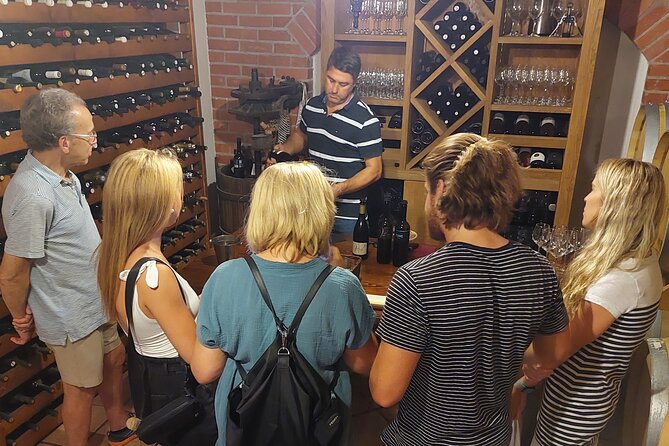
- Small group size (max 8) means less waiting and more talk time with the people pouring wine.
- Up to 4 wines per winery with a guided tasting, plus additional tasting like liqueurs at the last stop.
- Real Pelješac grape sites: Plavac mali from Postup and Dingač is a big deal here.
- Ston on the same day: ancient salt pans and the Walls of Ston (the Great Wall of Europe).
- Pickup from port, hotels, apartments, and villas keeps your day simple and stress-free.
How the 7–8 hour Pelješac Wine Tour flows from Dubrovnik
This tour runs from a 10:00 am start, with pickup offered from the port and from hotels, apartments, and villas. You’ll be in an air-conditioned vehicle, and the whole day is designed to move efficiently without feeling like a whip-through.
The group stays small, with a maximum of 8 travelers. That matters on a wine day because you’ll likely have time to ask questions, and the driver-guide interaction tends to be more personal. The tour is offered in English, and you’ll also get a mobile ticket.
Plan on a full day pace. Even with four set stops, travel time is part of the deal on Pelješac, so you’ll have limited free time to wander between points. If your ideal day is slow and flexible, you may feel the clock; if you’re happy with a structured tasting route plus one main sightseeing stop, it works well.
One practical note: it helps to eat lightly beforehand. Not because the tour includes lunch (it doesn’t), but because you’ll be tasting wine at multiple wineries and then shifting gears to Ston’s walking and viewing.
You can also read our reviews of more wine tours in Dubrovnik


Broce Winery: native Plavac mali and Rukatac near Ston
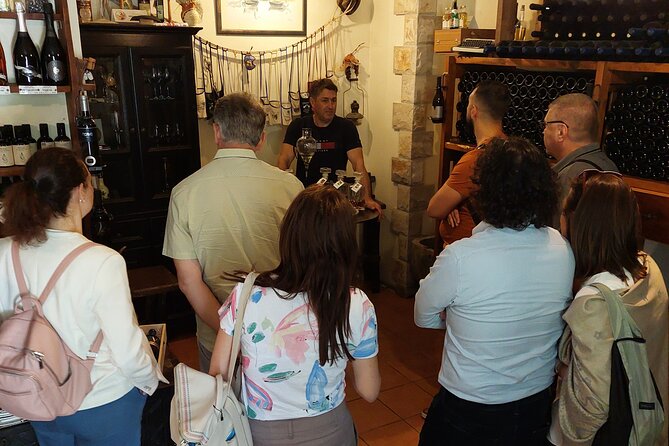
The first winery stop is in Broce, just a few minutes drive from Ston. This is a small family operation with a tradition of producing native Plavac mali and Rukatac, and the tasting experience is built around that local identity.
This is the kind of opening stop that sets expectations. Instead of starting with a generic sampler, you’re introduced to the grapes that define Pelješac. The winery’s selection goes beyond wine too: they produce liqueurs, brandy, vinegar, and olive oil. That variety makes the tasting feel less like a checklist and more like a tour of a working family food-and-wine business.
Timing is about 1 hour here, with admission listed as free. In practice, that’s enough time to taste, ask what they’re proud of, and get a feel for how they explain their wines. If you’re the type who likes to understand what you’re drinking, this first stop gives you a framework before the route gets more site-specific.
Possible drawback: because it’s a shorter start stop, you may want to pace your questions. Don’t wait until the last 10 minutes to ask what matters most, especially if you’re curious about Plavac mali or how Rukatac fits into their lineup.
Potomje Winery: steep Pelješac slopes and Plavac mali from Postup and Dingač
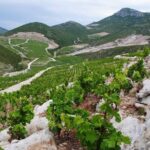
Next up is Potomje, on the south side of Pelješac where vineyards sit on steep slopes. This stop is built around generations of wine producers working with Plavac mali from specific locations: Postup and Dingač, taken exclusively from their own plantations.
What I like about this stop is that it connects grape and place. You’re not only tasting; you’re hearing the story of why those vineyard areas matter and why their wines can be harder to find. The tour information points out that their wines are limited in quantity, and the approach is quality over quantity—so the scarcity is part of the logic, not an afterthought.
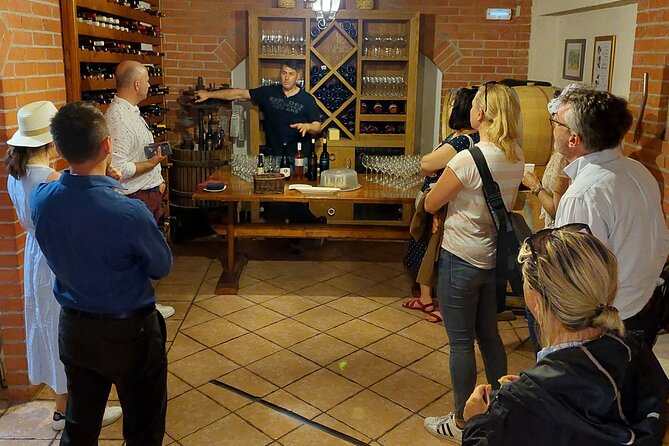
You’ll get about 1 hour here, and admission is listed as free. That hour usually strikes a good balance: long enough to taste multiple wines with a guided explanation, without dragging so much that you feel rushed during the drive.
The other nice part: Potomje gives you a contrast to Broce. Same general theme (native Pelješac grapes), different emphasis (specific Plavac mali areas and the “own plantations only” focus). That makes the day feel like progression instead of repeating the same tasting format.
Consideration: steep-slope vineyards are the reason these wines are tied to their sites, but they also remind you this is not a flat, easy-going setting. You’ll likely want to keep an eye on your footing if you move around at all during the tasting.
Boljenovići Ponikve: third-generation wines with liqueurs to taste
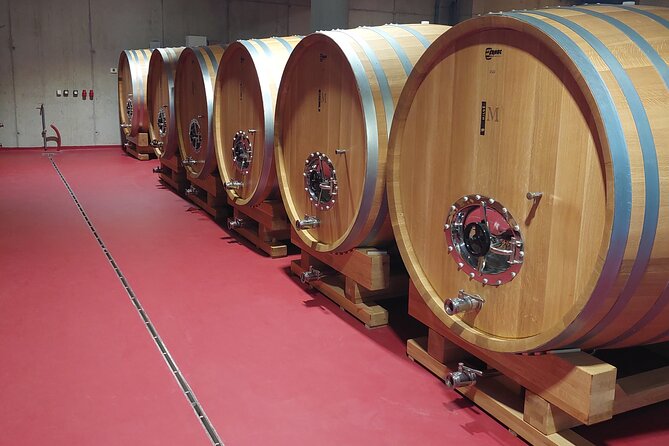
The last winery stop is Boljenovići Ponikve (Pelješac). This one is run by third-generation wine producers, and their description leans hard into identity and autochthonism—essentially, making wine that’s specific to their land and grape story. They also mention a fruit-flavored wine, described as robust with aromas typical to the variety and the land it grows on.
This is also where the experience shifts slightly toward extra tastings. Guests are invited to taste different kinds of liqueurs, which helps break up the wine-only pattern and adds variety at the end of the route. If you like finishing your day with something different—something sweet or aromatic rather than more dry wine—this stop can be a pleasant landing.
Time here is shorter, about 45 minutes, with admission listed as free. That means you’ll want to keep your energy for the liqueurs tasting and the final guided pour. Also, since it’s the last winery, it’s a good moment to ask questions you saved: how their style differs from the earlier wineries, what they’d recommend if you were choosing bottles for a dinner back home, and how they explain that “identity” idea in plain terms.
From the overall vibe people talk about, this stop is often where the day feels most rewarding. It’s the end of the tasting arc, and it tends to leave you with a more complete sense of what these families are making beyond just one grape.
Ston stop: ancient salt pans and the Walls of Ston
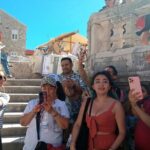
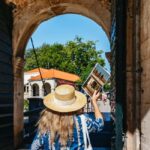
After the wineries, the day includes a 30-minute visit in Ston. Ston is medieval and best known for its ancient salt pans, described as the oldest active salt pans in the world. It also features the monumental Walls of Ston, the longest fortification wall in Europe, built in the 14th century—and referenced here as the Great Wall of Europe.
This stop is short, but it’s a smart pairing with a wine tour. Salt pans are a reminder that the Pelješac area isn’t just about grapes. It’s about sea resources and old industry too, and the walls add a dramatic sense of scale that wine days often miss.
You’ll likely want to prioritize a quick loop: find a good viewpoint, then decide if you want to focus on the salt-pan area or on the wall views. With only 30 minutes, trying to do everything can turn into stress, so pick what grabs you most.
Practical tip: wear comfortable shoes. Even if you’re not planning a big hike, Ston’s sights involve walking, and good traction makes the short visit more enjoyable.

Wine tastings and what’s actually included in your day
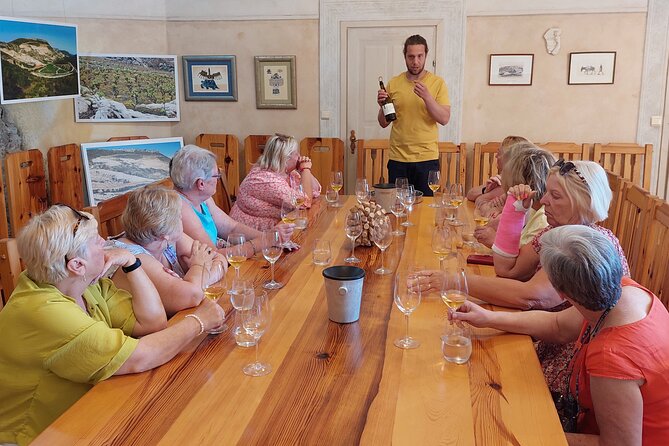
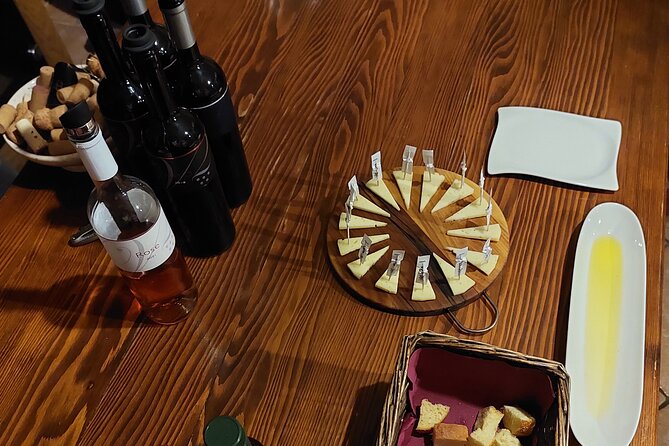
The included wine part is straightforward: you get guided wine tasting of up to four wines in each winery. Alcoholic beverages are included, and the tour covers all fees and taxes.
That inclusion matters for value. A lot of wine tours advertise tastings, but the big cost creep usually happens with additional pours, tasting fees, or surprise line items. Here, the structure is clear: the tasting is part of the price, and you can expect to spend real time tasting and listening instead of paying per sip.
Because the tour includes alcohol, pacing is on you. If you want to enjoy Ston after the wineries, keep your taste order sensible. I’d suggest using the guided explanations as your “why,” then treat each next pour as a chance to compare, not just keep drinking.
Also, take advantage of the guided format. Even when you know wine basics, guides can explain the local logic: what makes their Plavac mali distinct, why Postup and Dingač get attention, and how their families describe their land. That context is often the difference between a good tasting and a memorable one.
Finally, remember lunch is not included. The day is built around wineries and Ston time, so if you’re hungry after the tastings, you’ll need a plan.
Price and value: what $270.36 buys you (and why it can be fair)
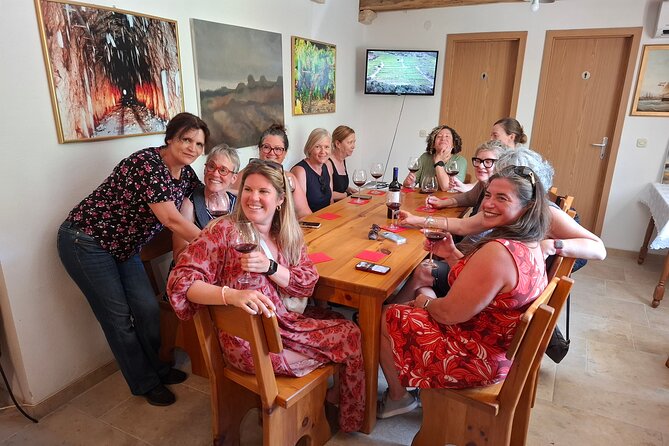
At $270.36 per person, you’re paying for more than wine. You’re paying for:
- transportation in an air-conditioned vehicle,
- a small-group experience capped at 8,
- guided tastings at three wineries (up to four wines per winery),
- and all fees and taxes.
When you price this kind of day out, the tastings plus alcohol are usually the anchor cost, and the driver/guide time and logistics are the other big variable. Here, those are bundled. That’s why the value can feel strong for a day that also includes Ston’s salt-pans and walls.
The small-group cap matters too. If you’ve been stuck on larger tours where you’re herding people and rushing through each stop, you’ll appreciate the calmer pace. You also tend to get better interaction—less time waiting for the group to regroup.
Where the value might feel less perfect is timing. Because the day is busy, you’re not buying an all-day wandering experience. If you want long, slow time in one place—either deep Ston sightseeing or long winery time—this is a “do the highlights well” format, not an open-ended one.
How to plan lunch in Ston after the tastings
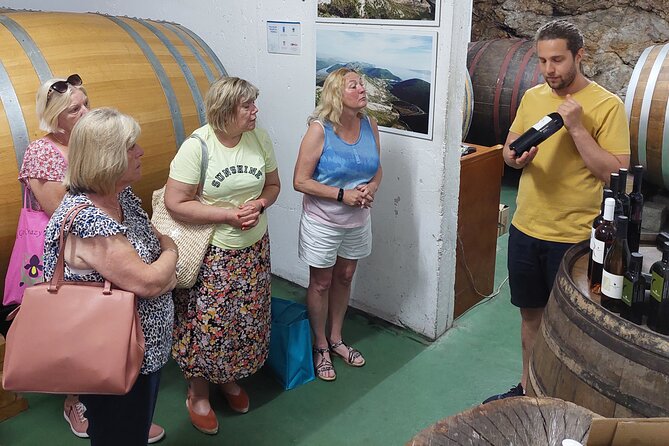
Lunch isn’t included, but the tour clearly expects you’ll eat nearby. If you want to make the day smoother, ask your driver for a seafood-focused restaurant option. In the praise people share about this route, Ordan gets singled out for arranging a table at a standout seafood restaurant with views.
That kind of suggestion can save you time and helps you end the day without guessing. When you book, ask whether there’s a reliable lunch stop they recommend nearby, and aim to eat in a way that doesn’t beat you up too much before your return ride.
Because the day already has guided tastings, your lunch is mainly about comfort and taste. Fresh fish, lobsters, mussels, and other seafood are specifically suggested for this area, so if that’s your thing, Ston and the surrounding Pelješac region can be a strong match.
Who this Pelješac wine tour suits best
This tour is a good fit if you:
- want a structured wine day with guidance (up to four wines per winery),
- like Pelješac-native grapes and want to hear about specific Plavac mali areas like Postup and Dingač,
- enjoy combining wine with one high-impact sightseeing stop.
It’s also ideal if you’re short on time in Dubrovnik. You get a full-day taste of the region without needing to plan your own transport and route.
Most travelers can participate, so you don’t need to be an extreme wine expert. You also don’t need a deep wine background to enjoy it. The tasting format is designed to explain what you’re seeing and drinking, and the small group helps the conversation land.
If you dislike alcohol tastings or prefer non-alcohol-focused tourism, you might find the schedule a mismatch. And if you’re the type who wants unhurried time in one town, the 30-minute Ston window may feel tight.
Should you book the Wine Tour Pelješac from Dubrovnik?
I think this is a solid book for people who want a high-quality day without building logistics. You’re getting guided tastings at three wineries, with alcohol included and a small group size that keeps it friendly. Add Ston’s salt pans and the Walls of Ston, and you’ve got a day that mixes taste with a real sense of place.
Skip it only if you hate the idea of a packed schedule, or if you want a deep dive into Ston itself. For most visitors, the timing works because it hits the big themes: Pelješac grapes, family wineries, and an iconic medieval stop.
If you do book, a smart move is to go in with a couple of questions ready for the wineries. Ask what they consider most representative about their Plavac mali, and ask how Postup and Dingač change the wine. You’ll get more out of the guided tastings, and your souvenirs will be stories, not just bottles.
FAQ
What time does the Pelješac wine tour start?
The tour starts at 10:00 am.
How long is the tour?
It runs about 7 to 8 hours.
Is pickup included, and where does it pick up from?
Yes. Pickup is offered from the port, hotels, apartments, and villas.
How many wineries and stops are included?
You visit three wineries: Broce (about 1 hour), Potomje (about 1 hour), and Boljenovići Ponikve (about 45 minutes), plus a stop in Ston (about 30 minutes).
What’s included in the wine tasting?
Wine tastings are guided, with alcoholic beverages included. Each winery includes tastings of up to four wines.
Is there free cancellation?
Yes. You can cancel for a full refund up to 24 hours before the experience start time.