REVIEW · DUBROVNIK
A walk through life in communist Yugoslavia
Book on Viator →Operated by Red History Museum · Bookable on Viator
A museum that feels like a watchful neighbor. The Red History Museum turns Yugoslavia’s communist years into an interactive, room-by-room experience, with everyday details that make the era feel immediate. What I like most is the interactive exhibits that mix art, design, and politics into one easy-to-follow story, plus the comfort of prebooked entry.
I also appreciate the practical payoff: you lock in your day and you can avoid ticket-counter lines, so you spend your time inside the museum instead of waiting outside. One possible drawback to keep in mind is that the museum seems to spend more time on how the system worked than on the final collapse years, so you may feel the ending gets less attention.
In This Review
- Key things to know before you go
- Red History Museum in Dubrovnik: a compact time capsule
- What the interactive rooms actually cover
- Secret police and watchful control: what you’ll learn
- Yugoslavia’s unusual position: Non-Aligned context in plain language
- Planning your timing: how long it takes and when to fit it in
- Price and value: is $211 worth it?
- Who should book this museum experience?
- Practical tips for getting the most out of your visit
- FAQ
- FAQ
- Where is the Red History Museum in Dubrovnik?
- What’s the duration of the museum experience?
- What does the ticket include?
- Is admission prepaid?
- Do I need to buy tickets on arrival?
- When will I get confirmation?
- How big is the group size?
- Are service animals allowed?
- Is the museum near public transportation?
- What’s the cancellation window for a full refund?
- Is the experience suitable for most people?
- Should you book the Red History Museum?
Key things to know before you go
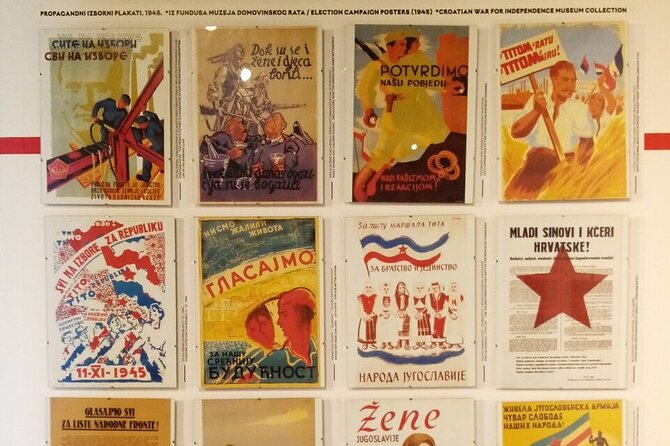
- Prebooked admission for the day you choose, so you don’t have to buy tickets on arrival
- Interactive room sets built to feel like everyday life under communist Yugoslavia
- Secret police and politics are part of the story, not just background info
- Non-Aligned movement context helps explain Yugoslavia’s unusual position during the Cold War
- Compact size (300 square meters) makes it an easy add-on in Dubrovnik
- Smallish museum feel with a quirky, time-capsule vibe rather than a huge building maze
Red History Museum in Dubrovnik: a compact time capsule
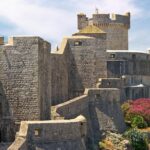
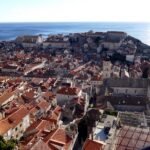
Dubrovnik is famous for medieval walls and sea views, so it’s a nice twist to spend your time with something 20th-century instead. The Red History Museum is set up in a 300 square meter space, which matters more than it sounds. A smaller museum usually means you won’t lose the thread, and you can finish while still having energy for the rest of your day in Croatia.
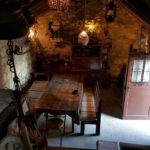
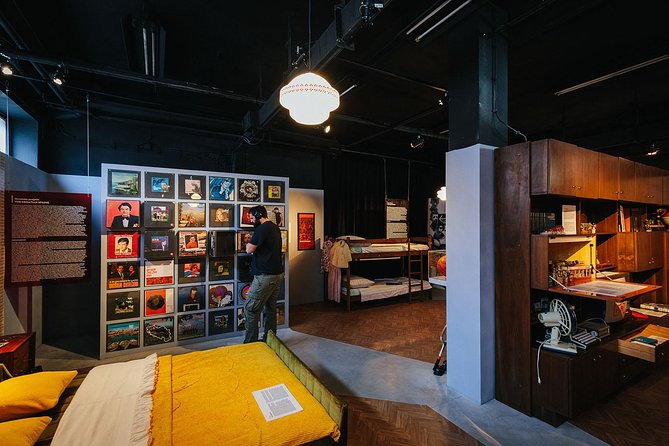
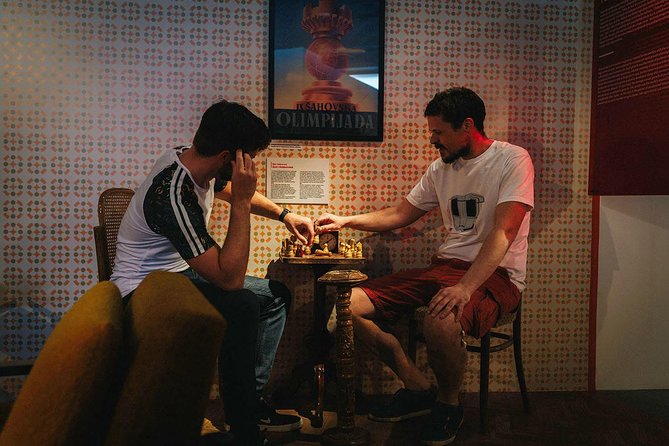
The concept is simple: you’re not just reading panels. You’re moving through themed rooms and displays that recreate what day-to-day life could feel like under the watch of the communist party. Expect a mix of older and newer tech used to bring scenes to life, plus lots of attention to design and everyday objects—not just slogans and big political speeches.
Because it’s interactive, you’ll get more out of it if you pay attention to the small stuff: how rooms are arranged, what objects are placed where, and how the museum connects personal routines to the state’s control. It’s less about memorizing dates and more about understanding how a system feels when it’s built into daily life.
You can also read our reviews of more walking tours in Dubrovnik

What the interactive rooms actually cover
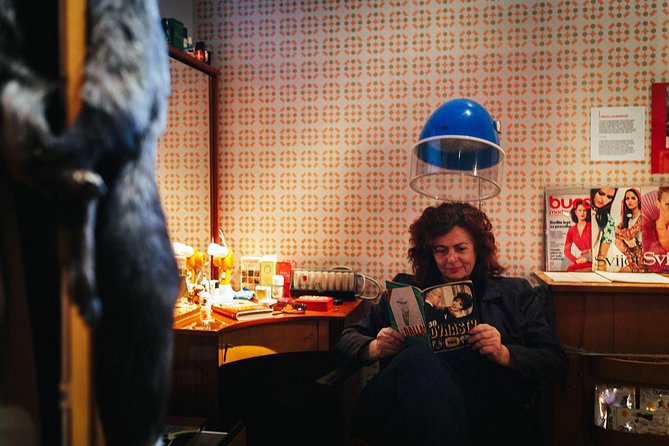
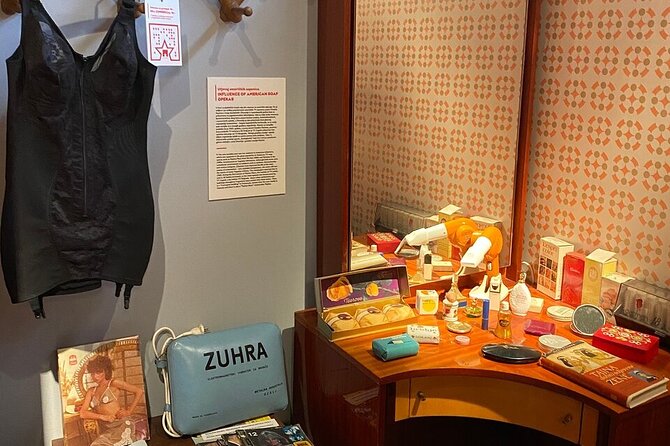
The heart of the experience is the museum’s room sets and displays. Think of it as a staged walk through the era, with everyday items given context so they don’t feel random. You’ll see 20th-century materials and props that help paint a picture of how people lived—what they used, what they heard, and what shaped their choices.
A key part of the experience focuses on the way communist society worked through everyday culture. That includes:
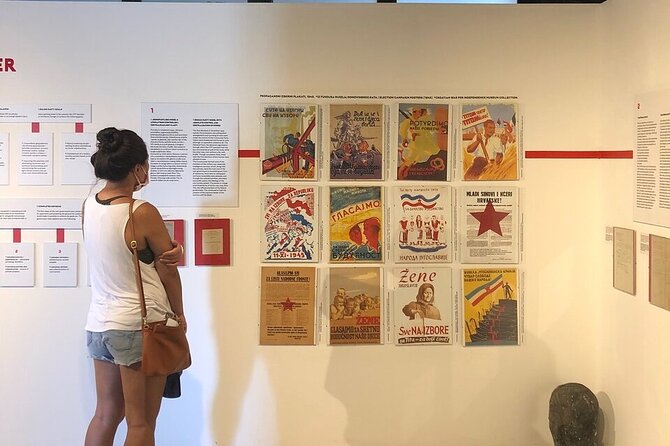
- Art and design, which shows how a regime can influence taste and public identity
- Politics, explained in practical terms rather than only as abstract ideology
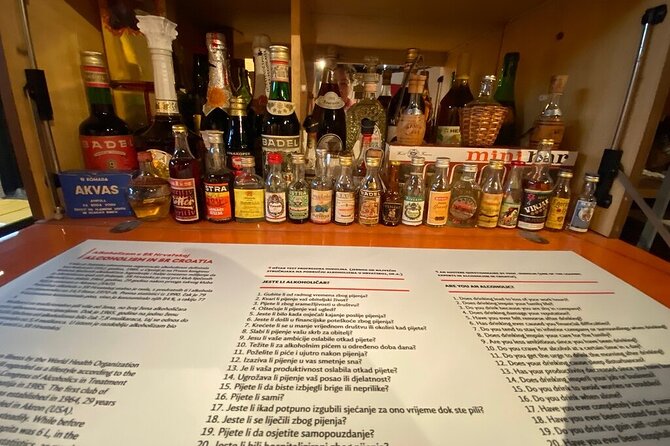
- Everyday objects, which are often where the most surprising details hide
Another thing I like here is the museum’s willingness to connect cultural life to power. It doesn’t treat politics as something that stayed in government buildings. Instead, it shows how the party’s presence could shape social life, communication, and even what felt safe to discuss.
You can expect some audio elements as well—there’s mention of listening to the greatest hits of the time—so plan to slow down. This isn’t a speed-run museum. If you rush, you’ll miss how the exhibit builds meaning from small cues.
Secret police and watchful control: what you’ll learn
One of the most talked-about parts of this museum experience is how it addresses totalitarian control, including the secret police. That topic can sound heavy on a brochure, but the museum frames it as part of a real-life environment rather than as a distant historical concept.
Here’s what that usually does for you as a visitor: it shifts the question from what the ideology claimed to what it required in practice. When a state is watching, daily behavior changes. People self-edit. Relationships shift. Even routines can become political.
This is also where the museum earns its place for people who think they already know the basics. It’s not only about naming institutions. It’s about showing how control can be felt through the atmosphere of a system—through rules, fear, and the idea that you’re never fully off the record.
If you’re sensitive to tense themes, plan your pace. You don’t have to force it. Since the museum is compact, you can step back, regroup, and return to the rooms when you’re ready.
Yugoslavia’s unusual position: Non-Aligned context in plain language
Yugoslavia wasn’t simply locked into one Cold War bloc the way some other countries were. The museum highlights the Non-Aligned approach, and that’s a smart inclusion for anyone trying to understand Yugoslavia beyond stereotypes.
This part helps you see why Yugoslavia’s communist era had its own flavor. Instead of treating the period as a single uniform storyline, you get a clearer sense of how politics, alliances, and ideology could overlap and shift.
In a lot of Europe history stops, the Cold War becomes a “big map story.” Here, it’s more like a “life story.” That’s valuable because it helps you connect international positioning to what a person might experience at ground level: identity, messaging, and the balancing act between influences.
Planning your timing: how long it takes and when to fit it in
The experience runs about 50 minutes to 1 hour 35 minutes. That wide range matters because this museum rewards different reading speeds. If you like to skim, you might end closer to the shorter time. If you like to pause and take the rooms in slowly, plan for the longer end.
What I’d do in your shoes is pair it with a sensible Dubrovnik route. Since the museum ends back at the starting point, it’s easy to plug into your day without complicated transfers. You can go before lunch, then continue wandering the Old Town, or do it later after you’ve gotten your bearings outdoors.
Also note the museum’s maximum group size: it’s capped at 200 people. That doesn’t mean you’ll be alone, but it does suggest a well-managed operation. You’ll usually get a smoother experience in a venue that isn’t designed for massive crowds.





Price and value: is $211 worth it?
At $211, this isn’t a budget add-on. The value comes from what’s included and what you avoid. Your admission is prepaid, and you’re guaranteed entry for your chosen day. That means you’re not stuck figuring out ticket lines in a busy destination.
In practice, prepaid admission is about reducing decision stress. You pick the day, show up, and get in. That matters in Dubrovnik because your time on-site can be tight if you’re also trying to fit in views, walking routes, and other must-dos.
What you’re paying for is not just access—it’s a guided-style structure built into the exhibits. The museum uses both old and new technologies and features room sets, everyday items, and themes like secret police and politics. If you want an experience that’s more than scrolling through photos, this is the kind of museum where the “interactive” part changes the feel.
If you only want a quick look at a few panels, you may feel the cost is higher than you need. But if you like immersive, room-based storytelling—especially when it connects culture, design, and power—then the price can make sense.
Who should book this museum experience?
This is a great pick if you:
- Want a human-scale way to understand Yugoslavia’s communist era
- Like interactive museums that use room sets and everyday details
- Prefer learning about history through atmosphere and artifacts, not only timelines
- Are curious about political control themes like secret police, without it being only textbook material
It can be a weaker fit if you’re mainly hunting for a detailed, end-to-end breakdown of the breakup years. One note to keep in mind from the way the museum is experienced: the later collapse period may not get as much space as the earlier years of how the system worked.
Practical tips for getting the most out of your visit
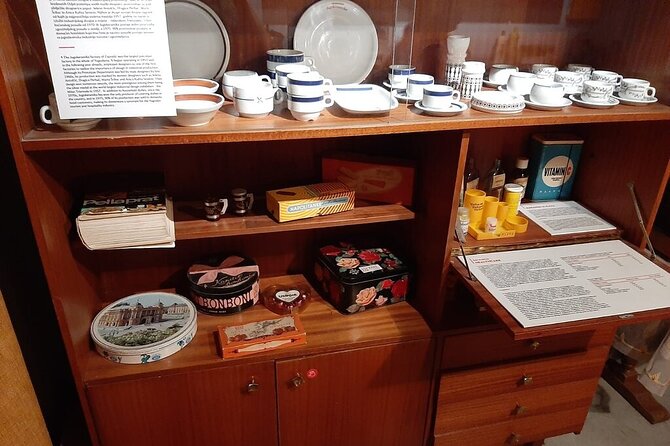
I’d treat this museum like a focused stop, not a casual stroll. Give yourself time to notice the objects and how the rooms are built. That’s where the museum’s message lives.
A few practical ideas:
- Go with a “what changed in daily life?” mindset, not only “who was in charge?”
- Slow down in rooms tied to power and surveillance themes
- If you’re short on time, choose a few major themes to track rather than trying to absorb everything equally
Also, you’ll want to arrive at the meeting point: Red History Museum, Ul. Svetog Križa 3, 20000, Dubrovnik. The activity ends back at the same place, which makes it easy to plan a clean route after your visit.
FAQ
FAQ
Where is the Red History Museum in Dubrovnik?
It’s at Ul. Svetog Križa 3, 20000, Dubrovnik, Croatia.
What’s the duration of the museum experience?
The visit runs approximately 50 minutes to 1 hour 35 minutes.
What does the ticket include?
Your admission ticket is included.
Is admission prepaid?
Yes. You prebook your admission and secure entry for your chosen day.
Do I need to buy tickets on arrival?
No. Prebooking is designed to help you bypass ticket-counter lines.
When will I get confirmation?
Confirmation is received at the time of booking.
How big is the group size?
The activity has a maximum of 200 people.
Are service animals allowed?
Yes, service animals are allowed.
Is the museum near public transportation?
Yes, it’s near public transportation.
What’s the cancellation window for a full refund?
You can cancel up to 24 hours in advance for a full refund.
Is the experience suitable for most people?
Most people can participate.
Should you book the Red History Museum?
If you want a history stop that feels like more than a lecture, I’d book it. The prepaid entry and line-skip value are real, and the room sets plus interactive approach make the Yugoslav communist era easier to grasp than a typical museum visit.
I’d hesitate only if you’re specifically after the final collapse years in maximum detail, or if you prefer museums that are strictly chronological and heavily text-based. For most people looking for an honest, thought-provoking contrast to Dubrovnik’s medieval side, this is a strong pick.