REVIEW · DUBROVNIK
Dubrovnik: Walls and Wars Walking Tour
Book on GetYourGuide →Operated by Dubrovnik Walks & Sea Kayaking · Bookable on GetYourGuide
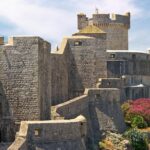
Walls tell Dubrovnik’s real story. In just 2 hours, you’ll walk the fortified circuit with a licensed guide and headsets, learning how this small republic stayed standing through medieval threats and later conflict. You’ll also get breathtaking wall views of the Old Town and the harbor as the fortifications guide you from viewpoint to viewpoint.
I especially like that the tour explains what you’re seeing, not just where to stand for photos. Guides often bring both humor and sharper context—some even share firsthand perspectives from the 1991 period, which makes the history hit differently. One drawback to plan for: stairs are a deal-breaker for some people, and the big City Walls entry ticket isn’t included in the $29 price.
If you can handle the climb and want the story behind the stone, this is one of Dubrovnik’s smartest “pay once, understand more” experiences.
In This Review
- Key Points I’d Prioritize
- Dubrovnik’s Walls and Wars Tour: What You’re Really Buying With $29
- Meeting Up at Brsalje 8 and Finding Dubrovnik Walks Fast
- The Big Reminder: The Walls Entry Ticket Is Separate (Budget for It)
- Your 2-Hour Route: How the Walk Stays Interesting
- Revelin Fortress: The City’s Defense Logic in One Structure
- Minceta Tower and the Art of Strategic Height
- Lovrijenac Fortress: The Dramatic Side of Defense
- Walls Views: Old Town and the Port, Repeated for a Reason
- Walls and Wars: From Medieval Fortification to Later Conflict
- Headsets, Group Pace, and Why It Can Feel Easy
- What to Bring (and What to Skip)
- Weather and Timing: When the Walls Feel Most Comfortable
- Price Reality Check: Does a Guided Walls Tour Make Sense?
- Should You Book Dubrovnik’s Walls and Wars Walking Tour?
- FAQ
- Is the Dubrovnik City Walls entrance ticket included in the tour price?
- How long is the Walls and Wars walking tour?
- What’s included with the $29 price?
- What should I bring for this tour?
- Are baby strollers allowed?
- Is video recording allowed?
- Where do I meet the guide?
- Where does the tour end?
- What languages are the tours offered in?
- Who should avoid this tour?
- Can I cancel for a refund?
Key Points I’d Prioritize
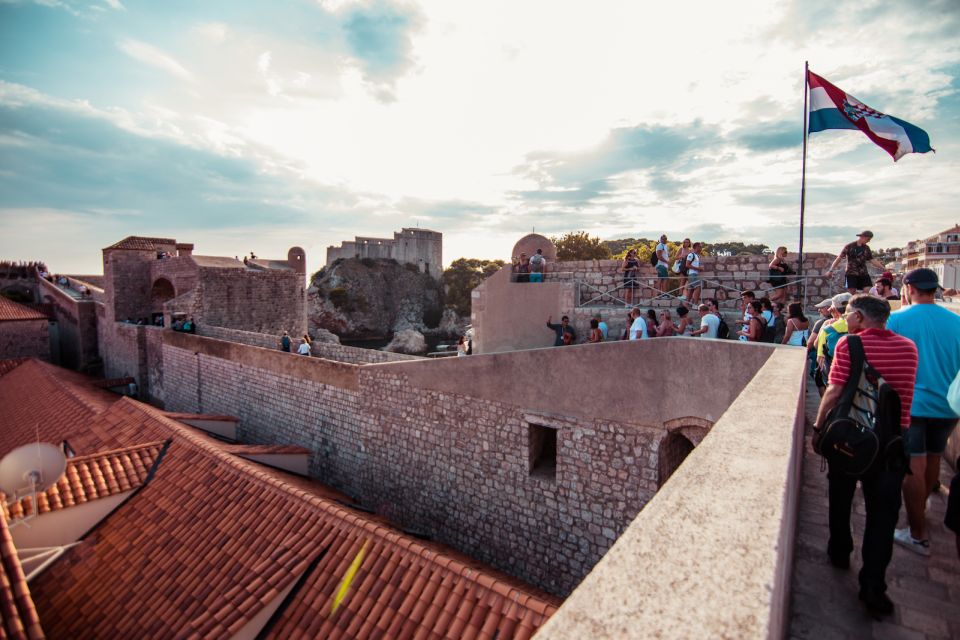
- Licensed city-wall guide: Ministry of Tourism approved, so you’re getting the real interpretive angle on the fortifications.
- Headsets included: Makes it easier to follow the guide along a line of walkers (and helps on windy stretches).
- War stories with local weight: Some guides connect medieval defense to the Homeland War with personal detail.
- Iconic stops: Expect to pass key structures like Revelin Fortress, Minceta Tower, and Lovrijenac Fortress.
- Panoramas built into the route: Old Town and the port show up again and again from the wall circuit.
- Ticket math matters: You’ll still pay the separate wall admission (€40 adults / €15 kids 7–18).
Dubrovnik’s Walls and Wars Tour: What You’re Really Buying With $29
This tour sells something simple: time plus context. You’re not just walking a scenic loop—you’re learning why Dubrovnik’s leaders invested in stone, towers, and controlled chokepoints to protect a valuable port city.
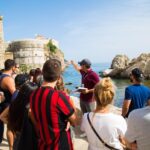
The $29 price is for the guided walking experience. You get the guide, plus headsets, which is a big deal on the walls where wind, crowds, and distance can make it hard to hear a person giving explanations at full volume. The walking time is about 2 hours, and the tour focuses on defensive and political challenges that shaped Dubrovnik’s survival as an independent republic.
The separate cost is the Dubrovnik City Walls entry ticket, which is mandatory to enter the walls. Based on the details you have here, that’s €40 per adult and €15 per child aged 7–18. It’s a steep add-on, but it also means your fee goes to restoration and upkeep of the fortifications you’re touring. The guide helps you get more value from that entry—otherwise you’re paying for access without the “why.”
You can also read our reviews of more walking tours in Dubrovnik
Meeting Up at Brsalje 8 and Finding Dubrovnik Walks Fast
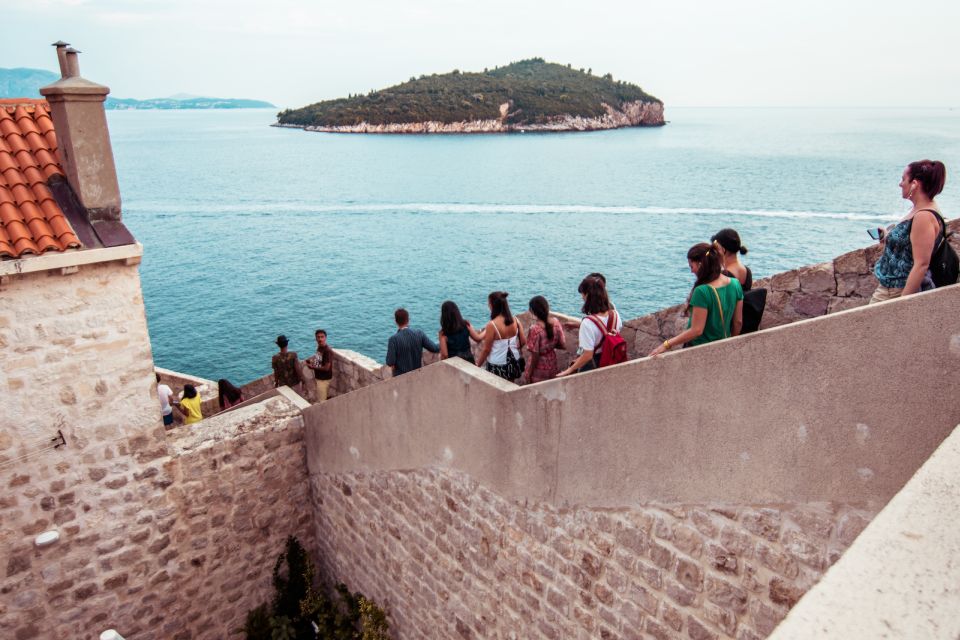
You’ll meet at Dubrovnik Walks (Brsalje 8), and the easiest visual marker is a representative holding an orange umbrella. This start point is also described as being by the Pile local bus stop area, the last stop before you reach Old Town.
Why this matters: Dubrovnik’s Old Town is compact, but the surrounding streets can feel like a maze when you’re trying to catch an organized start time. The orange-umbrella cue helps you avoid the “where exactly is it?” scramble.
You’ll end near the Old Town port, so the walk finishes close to where you’ll likely want dinner afterward.
The Big Reminder: The Walls Entry Ticket Is Separate (Budget for It)
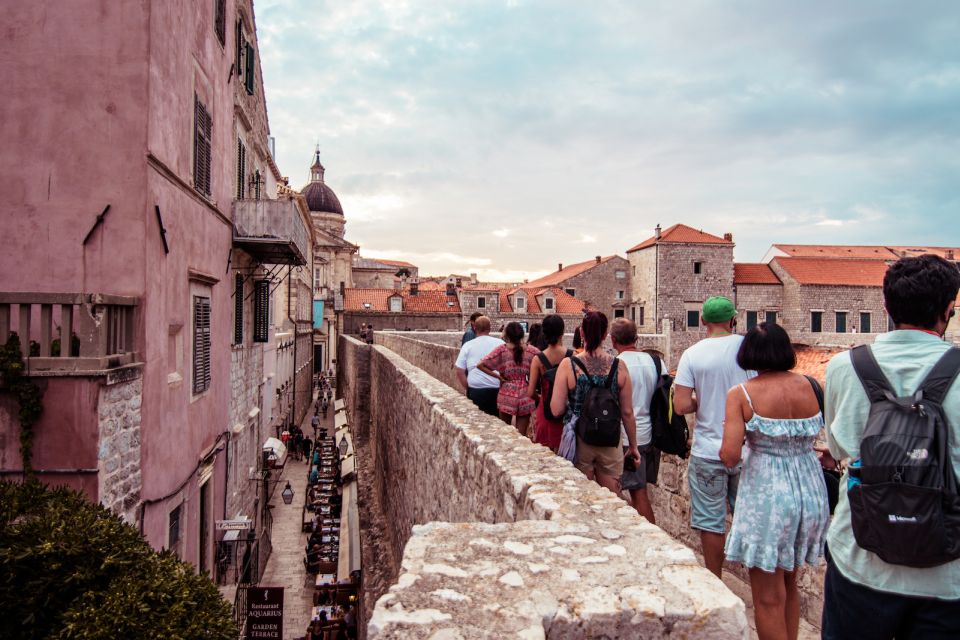
The price you’re quoted for the tour does not include the wall entrance ticket. That ticket is a separate, required admission that you can purchase at the entrance, in advance, or with a Dubrovnik Pass.
Here’s the practical way to think about value:
- Without a guide, you can still see the walls.
- With a guide, you understand the defensive logic—where the city wanted eyes and fire, where it wanted controlled access, and what each tower or fort was built to do.
- Paying the wall admission means you’re already paying for the main experience; the tour fee is what turns that admission into a guided lesson instead of a quiet walk.
One more budgeting note: bring a way to pay and some flexibility. You’ll be climbing stairs in real conditions, and you’ll want water, comfortable shoes, and ideally a hat.
Your 2-Hour Route: How the Walk Stays Interesting
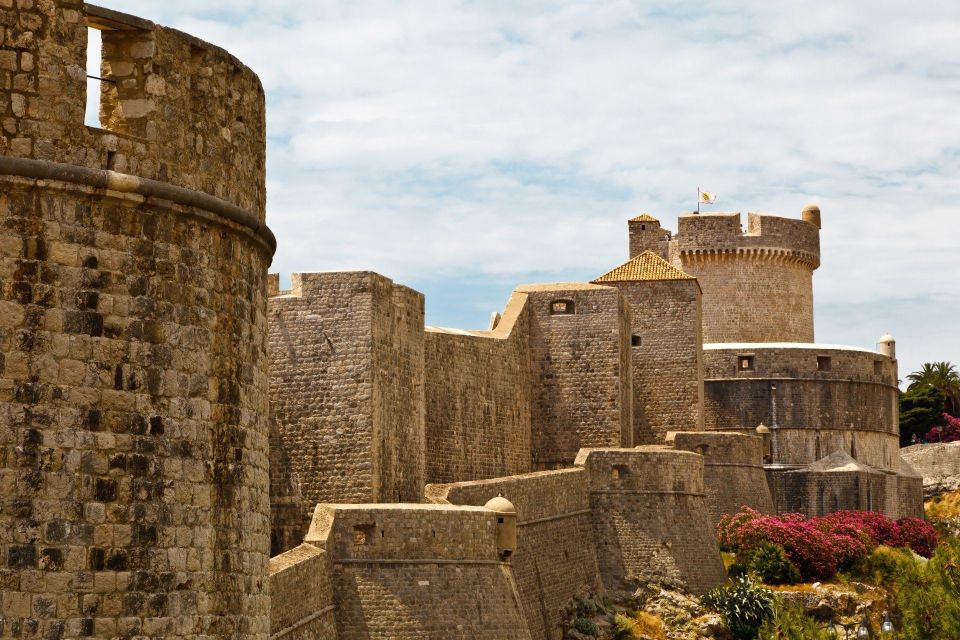
This tour is structured around moving through the wall circuit and hitting the stops that explain both medieval and later defense strategy. Expect a mix of photo opportunities, guided stops, and steady walking. The tour is described as including ascents to Dubrovnik’s fortifications, and you’ll spend time learning at key points rather than being rushed straight to the next viewpoint.
You’ll also be given headset devices so you can hear the guide better, especially when the group stretches out across a long stretch of wall.
What makes the route work: the fortifications don’t just create views—they create perspective. As you gain height and move along the parapets, the guide can point out how the city’s design helped leaders manage risk from the sea and from approaching enemies.
If the weather turns—wind or rain—the walls can still be doable. One guide-led experience noted windy conditions and still described it as very worthwhile, which matches the reality that you can’t control the Adriatic air, but you can control whether you show up prepared.
Revelin Fortress: The City’s Defense Logic in One Structure
One of the named stops is Revelin Fortress. Even if you’re not an architecture person, this is the kind of fortification where a guide’s explanation makes the place snap into focus.
Here’s what the structure likely communicates during your walk: Dubrovnik’s leaders didn’t rely on one “big wall.” They relied on layered defense. Fortresses like Revelin were part of the system that helped control movement—so attackers couldn’t simply flood in once they found a route.
If you like history that connects directly to physical space, you’ll enjoy this stop. You’ll be able to look at the walls and start thinking like a defender: Where would you want barriers? Where would you want chokepoints? Where would you want visibility?

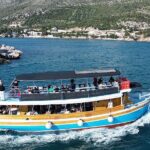



Minceta Tower and the Art of Strategic Height
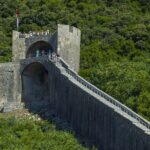
Next up is Minceta Tower. Towers matter because height changes what you can see and what you can control. On the walls, you feel this immediately: viewpoints open up and the city looks different as you look down at rooftops and out across the harbor.
The guide’s job here is to translate the stone into strategy. Expect talk about why towers were positioned to support defense and how they fit into the wider political story of Dubrovnik—an independent republic that couldn’t rely on big empires to protect it.
It’s also a place where panoramic views naturally become part of the lesson. You don’t just take photos; you learn what defenders wanted to observe—ships, approaches, and threats in the distance.
Lovrijenac Fortress: The Dramatic Side of Defense
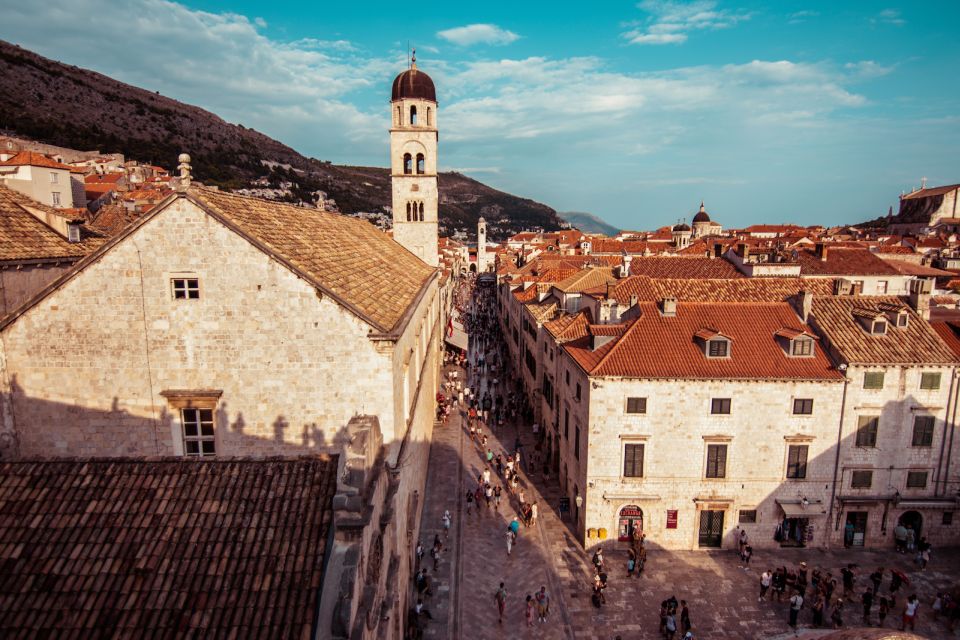
Lovrijenac Fortress is famous for its commanding position. On this kind of tour, it’s usually where the “walls and wars” theme gets especially real: fortifications aren’t only about medieval danger; they’re about a city’s long habit of expecting threats.
You’ll likely get context that ties fort design to the survival mindset of Dubrovnik. That’s the part I like most on this walking style: you start seeing the walls as a political statement. A republic that maintained its independence needed infrastructure that supported resistance—stone that could buy time, visibility, and control.
If you’re someone who enjoys places with both beauty and edge, this is where that balance feels most complete.
Walls Views: Old Town and the Port, Repeated for a Reason
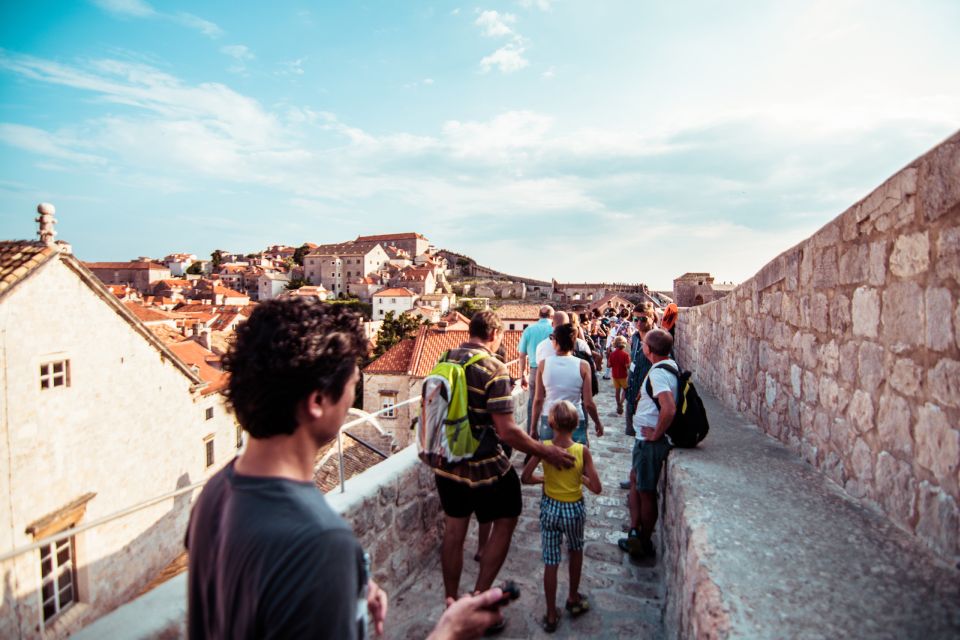
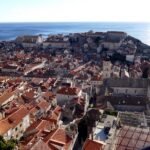
The tour promises breathtaking views of the port and Old Town, and that repetition is useful. You’re not just walking past scenic stretches—you’re seeing the city from angles that help you understand defense.
From the walls, Old Town looks like a carefully protected interior. The harbor looks like a zone the city could never ignore. That combo—high walls plus sea access—explains why diplomacy and defense worked together here.
Practical photo tip: if it’s windy, hold your camera steady and brace yourself on windy stretches. If it’s hot, keep an eye on hydration and take the breaks your guide builds in. One guide pacing note from an experience in very hot weather said the guide found shady spots when possible, which tells me the best guides try to manage comfort without killing the momentum.
Walls and Wars: From Medieval Fortification to Later Conflict

The name of the experience is doing important work: it isn’t only about medieval walls. The tour is set up to explain defensive and political challenges Dubrovnik faced and its struggle for survival as a small independent republic.
What elevates it: some guides bring personal connection to later conflict. Several experiences tied to the 1991 period highlighted guides who lived through the era or had family ties to veterans. That kind of perspective can make the “walls” theme feel less like a museum walkthrough and more like a living lesson in why people strengthen what they’ve built.
Even if you know the basics of Croatia’s modern history, you’ll still gain a clearer sense of how places remember conflict. Stones aren’t neutral. They’re decisions made by people trying not to lose everything.
Headsets, Group Pace, and Why It Can Feel Easy
One of the best “small” inclusions here is the headset. It keeps you tied to the guide’s voice when the line of walkers stretches along the wall. Multiple experiences noted this as helpful, especially for understanding the guide clearly.
There’s a downside to mention honestly: if the group gets larger, headset reception can be patchy for some people along the route. The fix is simple—stay close enough to hear clearly, and don’t stop wandering behind the group too long. The walls are too long and narrow to “wait and catch up later” without losing the thread.
Pacing is another theme in the experiences you have here. A good guide will control it so you’re not sprinting between viewpoints, and you’re not stuck standing still for long stretches in the sun.
What to Bring (and What to Skip)
This is an active, stair-heavy walk. From the practical details given, bring:
- Comfortable shoes
- Hat
- Water
- Credit card (useful if you need to buy tickets on arrival)
And don’t bring:
- Baby strollers
- Anything you’d use to record video (video recording isn’t allowed)
One extra reality check: expect lots of steps. One experience mentioned climbs of about 1,150 steps. Another set of notes warned that the wall walk has very little shade, especially in peak heat.
If you’re sensitive to heights or have vertigo, take the “not suitable” list seriously. People with vertigo, people afraid of heights, wheelchair users, and those with heart or respiratory issues are flagged as not suitable. It’s not a suggestion. It’s a safety call.
Weather and Timing: When the Walls Feel Most Comfortable
Dubrovnik’s walls are exposed. Wind happens. Sun happens. Rain can happen. The good news: the guide-led format helps because you can adjust your expectations on the spot—where to take breaks, how to pace, and how to keep the lesson moving even when conditions are rough.
If you have the flexibility to choose your time slot, consider:
- Evening tours can feel cooler and sometimes less crowded.
- If it’s very hot, plan for frequent short breaks and keep your water going.
Even the funniest, best guide can’t create shade where none exists, so pack for the conditions you’ll actually face.
Price Reality Check: Does a Guided Walls Tour Make Sense?
This is the part I’d help you decide on quickly.
You pay:
- $29 for the guide and headsets
- Plus the City Walls ticket (€40 adult / €15 child 7–18)
That might sound expensive at first, but here’s the practical value argument:
- The wall ticket is the entry to the core experience.
- The guided portion is the “meaning engine.” It explains strategic features you’d otherwise miss.
- The headsets help you actually follow the story without straining your voice or forcing the group to stay unnaturally close.
Several experiences in your details also criticized the idea of doing it alone because you miss the “full experience.” Even if you prefer self-guided travel sometimes, the walls are the kind of place where a guide helps you understand what you’re looking at—especially for the forts named on the route and the wars theme tied to the city’s survival.
Should You Book Dubrovnik’s Walls and Wars Walking Tour?
Book it if you:
- Want the walls with story and strategy, not just a view
- Appreciate guides who can connect fortifications to political survival and later conflict
- Can handle stairs and don’t mind an exposed walk with limited shade
- Want headsets so you can hear explanations while walking
Skip or reconsider if you:
- Have mobility limits or vertigo/height anxiety
- Know you struggle with long stair climbs, hot sun, or long periods of sustained walking
- Are hoping for a mostly flat stroll (this isn’t that)
If you’re fit, curious, and you like history that connects directly to the physical place, this tour is a strong value. You’re paying for access anyway; the guide helps you make that access count.
FAQ
Is the Dubrovnik City Walls entrance ticket included in the tour price?
No. The City Walls entry ticket is not included in the $29 tour price, and it’s listed as €40 per adult and €15 per child aged 7–18.
How long is the Walls and Wars walking tour?
The tour lasts about 2 hours.
What’s included with the $29 price?
The price includes a guide, a city walls walking tour, and headset devices to hear the guide better.
What should I bring for this tour?
Bring comfortable shoes, a hat, a credit card, and water.
Are baby strollers allowed?
No, baby strollers are not allowed.
Is video recording allowed?
No, video recording is not allowed.
Where do I meet the guide?
Meet at Dubrovnik Walks, Brsalje 8, Dubrovnik. Look for representatives holding an orange umbrella (meeting point is near the Pile local bus stop area).
Where does the tour end?
The tour ends near the Old Town port in Dubrovnik.
What languages are the tours offered in?
The tour guide language is English.
Who should avoid this tour?
It may not be suitable for pregnant women, people with mobility impairments, wheelchair users, people with heart problems, people afraid of heights or with vertigo, people with respiratory issues, people over 80, and people with low fitness levels.
Can I cancel for a refund?
Yes. Free cancellation is offered up to 24 hours in advance for a full refund.