REVIEW · DUBROVNIK
Full-Day Peljesac Wine Tour
Book on GetYourGuide →Operated by Super Tours Travel Agency · Bookable on GetYourGuide
Vine rows and sea salt make this day memorable. This full-day Pelješac tour in Dalmatia pairs a one-hour walk through Dingac vineyards with three winery tastings, plus a Ston break for salt and shellfish country. You get a real feel for how Croatia turns sun, stone, and tradition into wine.
I especially like the way the guide connects the dots between place and wine. You’ll hear the grape-growing culture goes back around 4,000 years to ancient Greek influences, and you’ll walk through Dingac with that context in mind. I also like that the tastings aren’t just a quick pour-and-go; you’ll sample standout local styles, including Plavac Mali.
One possible drawback to factor in: lunch isn’t included, and the day can run tight on timing. Some tours end up with lunch late in the afternoon, so if you’re a slow starter, plan your hunger level ahead of time. Timing is the one thing you should keep flexible.
In This Review
- Key Things You’ll Notice on This Pelješac Tour
- Pelješac Wine Country, Explained the Way It Feels
- The Road Day Pace: Comfortable Transport for a 7-Hour Hit
- Ston: Salt Works, Oyster Farms, and a Calm Reality Check
- The Dingac Vineyard Walk: Why One Hour Matters
- Three Wineries and Tastings: How to Taste Without Feeling Rushed
- Lunch Not Included: Plan for Energy Between Wine Stops
- Price and Value: Is $153 a Good Deal?
- What You’ll Learn (Beyond Just Grapes)
- Who Should Book This Pelješac Wine Tour?
- Should You Book It? My Honest Take
- FAQ
- How long is the Pelješac wine tour?
- What’s included in the price?
- Is lunch included?
- What stops will we make during the tour?
- Is the tour available in English?
- What is the cancellation policy?
- Can I reserve without paying right away?
Key Things You’ll Notice on This Pelješac Tour
- One-hour walk through Dingac with real insight into daily vineyard life
- Tastings at three different wineries so you can compare styles
- A Ston stop focused on salt and shellfish (oysters and mussels)
- Plavac Mali tasting that makes Pelješac feel like its own world
- A snack between tastings to keep the energy steady
- Air-conditioned transport with an English-speaking guide for an easy full-day flow
Pelješac Wine Country, Explained the Way It Feels
Pelješac isn’t just another wine stop. The peninsula’s geography and climate help grapes do well here, and that’s why it’s one of Croatia’s strongest wine regions. When you see vineyards climb and spread across the land, the story makes more sense than any brochure ever will.
What I like about this tour is that it gives you both the scenery and the reason behind it. You’re not only tasting; you’re learning how a place becomes a wine culture. The tour frames grape growing as a tradition that stretches back about 4,000 years, tracing roots to ancient Greeks.
You’ll also pick up smaller, fun history facts along the way. For example, you may hear that Zinfandel’s story ties back to Croatia—one of those oddball connections that makes the whole experience feel personal, not academic.
You can also read our reviews of more wine tours in Dubrovnik


The Road Day Pace: Comfortable Transport for a 7-Hour Hit
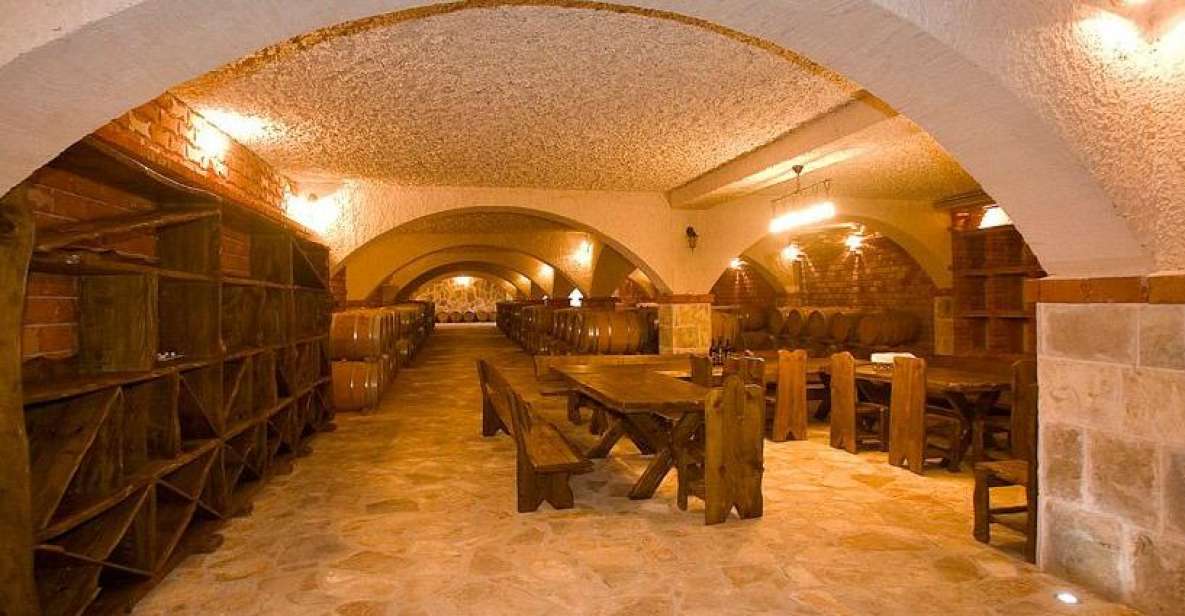
This is a 7-hour full-day tour, and the biggest practical benefit is how little effort you need to organize it yourself. You ride in an air-conditioned vehicle, with an English-speaking driver/guide who keeps the day moving.
That matters because Pelješac is a place where you’ll want your energy. A long sit-down at the wrong time can kill the day, but this tour is built around short, meaningful blocks: a walk, a town stop, then three tastings. You’re not stuck watching the clock every five minutes.
Still, you should expect a structured schedule. Wine tastings take time, and Ston needs time too, so the day can feel packed even when everything runs smoothly. If you’re the kind of traveler who loves long, slow wandering, you’ll want to balance that with the fact that you’re also here for wine.
Ston: Salt Works, Oyster Farms, and a Calm Reality Check
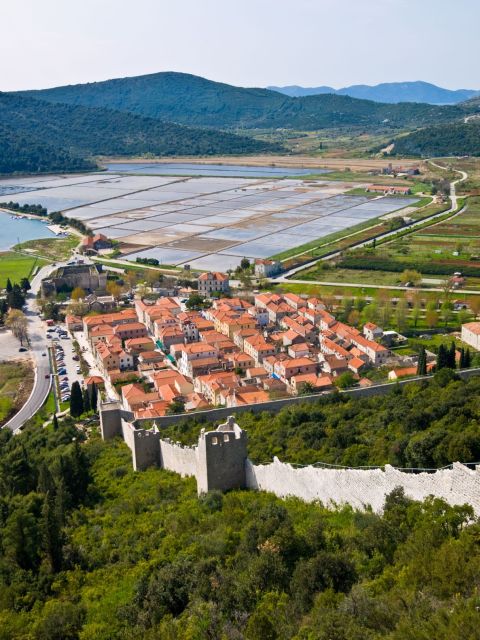
Ston is a smart pairing with wine country. It’s known for traditional salt production, and it’s also tied to oyster and mussel cultivation in a way that feels very local. After time among vineyards, Ston gives you a coastal change of pace—sea air, stone, and food culture.
You’ll have time to explore the town, and the salt story is the centerpiece. If you get the chance to see the salt works, it’s one of those places where you can connect human work to the landscape. Salt may sound like a side note, but it shaped trade and the economy of coastal Croatia for generations.
This stop also helps keep the day grounded. You’re reminded that wine is only one part of Pelješac’s food identity. Shellfish culture is another, and seeing both makes the region feel broader than a single product.
The Dingac Vineyard Walk: Why One Hour Matters
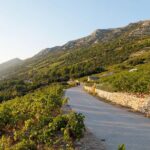
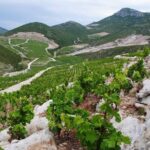
The standout “active” moment is the scenic one-hour walk through Dingac. This isn’t a vague photo stroll; it’s a walking segment through the wine-growing region, paced enough for you to actually look around and absorb what’s going on.
What’s useful here is the guide context. Along the walk, you gain insight into local life and traditions tied to the vineyards. That turns the scenery into something you can interpret: why certain areas matter, how grape growing shapes routines, and how locals think about their land.
Dingac also gives you the best kind of wine-tour memory: views you’ll remember without needing a label. Bring comfortable shoes, because you’re on your feet for a full hour. If you’re visiting in warm weather, bring water or plan on drinking when you can, since walking on sun-exposed terrain can sneak up on you.
Three Wineries and Tastings: How to Taste Without Feeling Rushed
You’ll visit three well-known wine cellars and taste wines at each stop. That structure is valuable because it helps you compare rather than just sample. One cellar may emphasize one style or producer philosophy, and another may feel totally different on the palate.
The tour includes tastings plus a snack, which helps you avoid the classic wine-tour problem: getting lightheaded before you understand what you’re tasting. Use that snack window as your reset. Take a breath, slow down, and then go back to the wines with your senses awake.
A helpful tip: don’t try to memorize every flavor note. Focus on a few basics each time:
- How the wine tastes first, then how it changes as it breathes
- Whether it feels more fruit-forward or more savory
- How it pairs with your mood after the walk
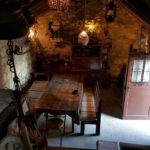
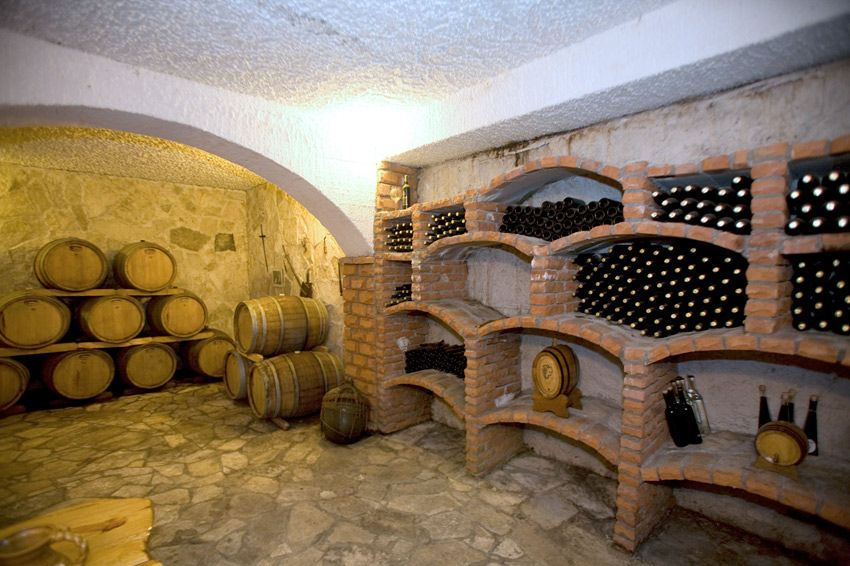
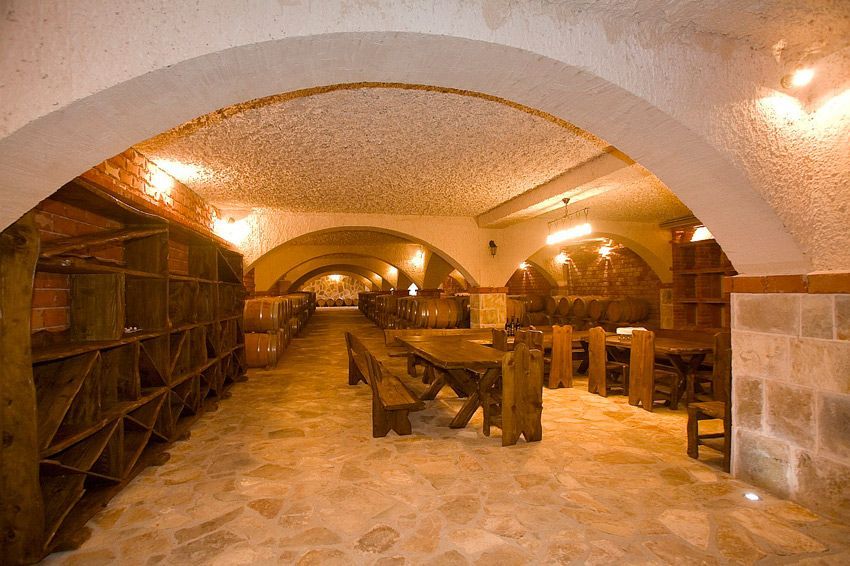
If you’re particularly into red wines, you’ll likely enjoy Pelješac favorites such as Plavac Mali—it’s the kind of grape that gives the region its own voice. And if one of the cellars includes a standout feature like a giant round tasting table, you’ll get the added bonus of seeing how tradition shows up in the space itself.
You can also read our reviews of more tours and experiences in Dubrovnik

Lunch Not Included: Plan for Energy Between Wine Stops
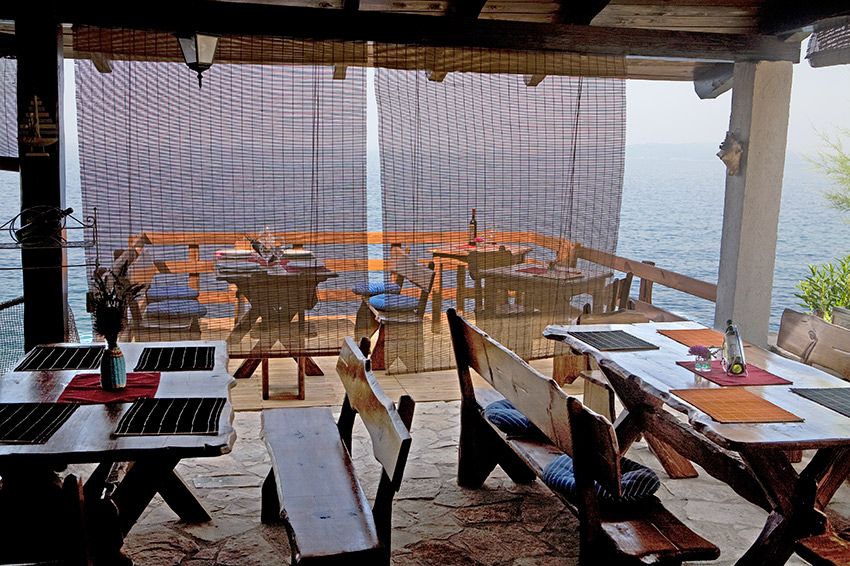
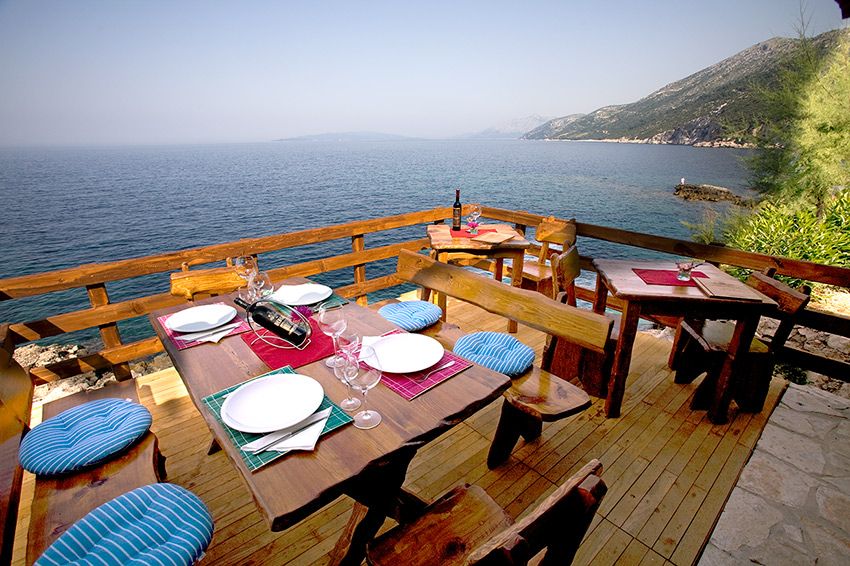
Here’s the practical point: lunch isn’t included in the tour price. The tour does include time to recharge at a local restaurant with domestic specialties, but you’ll pay for lunch yourself.
Timing can be the tricky part. One traveler experienced lunch at 15:00 and felt the schedule got tight afterward, including a rushed feeling during the last tasting. You shouldn’t assume that’s how every day runs, but it’s a real reminder to protect your comfort.
If you want the day to feel good from start to finish:
- Eat a solid breakfast before you go
- Consider grabbing something small earlier if you tend to get hungry
- Keep expectations flexible about when you sit down for lunch
The upside is that once you do get your meal, domestic specialties can add a savory, regional balance. Wine is only half the story; food is the other half that makes the flavors click.
Price and Value: Is $153 a Good Deal?
At $153 per person for a 7-hour tour, you’re paying for a full packaged day: transport in an air-conditioned vehicle, an English-speaking driver/guide, wine tastings in three wineries, and a snack. That’s the value angle—your time and logistics are handled.
The cost feels most reasonable if you compare it to what it would take to do this on your own. Hiring transport for a long day, getting wine access at multiple cellars, and doing it with English guidance adds up quickly. This tour also saves you the headache of deciding where to stop and when.
But your total spending will depend on lunch, since lunch isn’t included. So I’d treat the $153 as the cost of the structured wine day, and then budget extra for your meal at the restaurant stop. If you’re the kind of person who likes wine variety, this is one of the better ways to sample across multiple cellars without turning your day into a self-driven maze.
What You’ll Learn (Beyond Just Grapes)
This is a wine tour that tries to explain how Pelješac became Pelješac. You’ll hear that grape growing here has deep roots, with the tradition traced back around 4,000 years to ancient Greek influences. That long timeline matters because it explains why the region has a strong identity, not just a few modern vineyards.
You’ll also get small facts that make the tasting more fun. One example is the Zinfandel connection to Croatia, which adds a layer of curiosity to what you’re drinking. It’s the kind of detail you’ll remember later when you see the grape name on a menu.
And because you walk through Dingac while learning, the information sticks better. You’re not just reading about wine culture—you’re moving through the places where it happens. That’s a big reason this kind of tour can feel more satisfying than a faster “tasting-only” plan.
Who Should Book This Pelješac Wine Tour?
This works best if you:
- Want a full-day experience without arranging transport or winery appointments
- Like the idea of visiting three wineries rather than just one
- Enjoy a mix of wine and regional food culture
- Prefer guided context while walking through vineyards
You might not love it if you’re the type who wants total freedom and long, slow stops. This tour is structured, and timing can feel intense at peak moments. If you’re easily stressed by schedules, plan extra patience—Pelješac gives, but it moves.
Also, if you’re very sensitive to hunger timing, remember lunch isn’t included and could land late. That doesn’t make the tour bad; it just means you should go fed or bring your own strategy.
Should You Book It? My Honest Take
If you want a classic Pelješac day that covers vineyards, wine, and Ston’s salt-and-shellfish culture, I’d say this is a solid booking. The combination of Dingac walk + three cellar tastings + Ston stop is a smart spread, and the included snack plus English guidance helps you enjoy it instead of managing it.
I would book with a small caveat: treat lunch as your variable. Budget extra, eat early, and keep your expectations flexible if the day runs late.
If that works for you, you’ll come away with more than wine. You’ll leave with a clearer sense of how Pelješac people turn geography and tradition into something you can actually taste.
FAQ
How long is the Pelješac wine tour?
The tour duration is 7 hours.
What’s included in the price?
It includes transportation by air-conditioned vehicle, an English-speaking driver/guide, wine tastings in three different wineries, and a snack.
Is lunch included?
No. Lunch is not included.
What stops will we make during the tour?
You’ll visit the Dingac wine-growing region (including a one-hour walk), three wine cellars for tastings, and the town of Ston.
Is the tour available in English?
Yes, the tour guide is English-speaking.
What is the cancellation policy?
You can cancel up to 24 hours in advance for a full refund.
Can I reserve without paying right away?
Yes. There’s a reserve now & pay later option, meaning you can book your spot and pay nothing today.