REVIEW · DUBROVNIK
Private Dubrovnik City Walls Walking Experience
Book on Viator →Operated by Dubrovnik Walking Tours · Bookable on Viator
Dubrovnik’s walls are the quick route to understanding the city. This private, licensed English-guided walk keeps you on track while you learn why the fortifications mattered to the Republic of Ragusa, and I love how it hits the big towers without wasting your day. Two hours also means you can still enjoy Old Town afterward. The one catch: the City Walls ticket (€40 per person) is not included, so you’ll need to plan for that extra cost.
If you’ve ever stared at a wall map and felt your brain slide off like it does in the summer heat, you’ll appreciate having a guide to pace you and explain what you’re looking at. You’ll move from Onofrio’s fountain area to key defense points such as Minčeta, Bokar, St John (Sveti Ivan), and a major eastern viewpoint at Revelin—so the walk turns into a story, not just a route.
In This Review
- Key highlights you’ll actually feel on this walk
- Entering Dubrovnik’s story at Onofrio’s Large Fountain
- Why a guided walk on the City Walls beats wandering
- Minčeta Fortress: the highest tower viewpoint that changes everything
- Bokar Fortress: where western sea defense meets land approach control
- Sveti Ivan (St John) Fortress and the Mulo tower
- The Revelin Fortress viewpoint: defending the land entrance
- What you’ll learn while walking: Ragusa to later conflict
- Pace and comfort: a 2-hour wall walk that doesn’t swallow your day
- Price, City Walls ticket, and the real value check
- Where you start and finish matters more than you think
- Who should book this Dubrovnik City Walls experience?
- Should you book it?
- FAQ
- Is the City Walls ticket included in the tour price?
- How long is the Dubrovnik City Walls walking experience?
- Where does the tour start?
- Where does the tour end?
- Is the tour offered in English?
- Is this a private tour?
- How physically demanding is it?
- What should I wear?
- Do I get a mobile ticket?
- What is the cancellation policy?
- Are service animals allowed?
Key highlights you’ll actually feel on this walk
- Licensed English guide who connects the towers to how Dubrovnik defended itself
- Private setup for your group, with a small-group feel and easier pacing
- Start at Onofrio’s Large Fountain, a smart introduction before you climb into wall views
- Fortress sequence that makes sense, from Minčeta down to Bokar and over to St John
- A short 2-hour commitment, helpful if you’re trying to avoid a full-day Old Town marathon
- City Walls ticket not included, so your final price depends on adding €40 per person
Entering Dubrovnik’s story at Onofrio’s Large Fountain
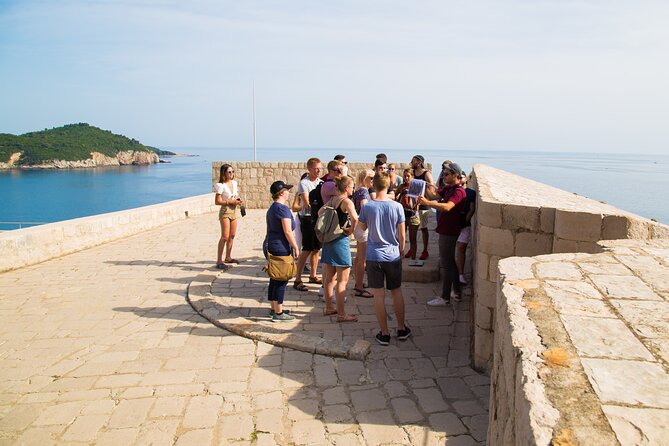
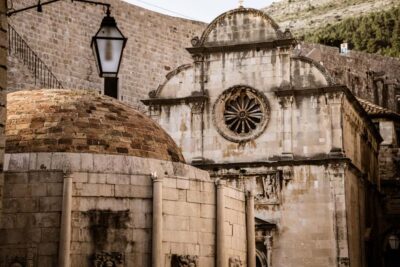
Your tour starts at Onofrio’s Large Fountain near the historic entrance area of the walls. This matters more than it sounds. The fountain is an easy landmark to find, and it gives you a clean starting point before you ever step onto the fortifications.
From there, your licensed guide sets the stage: Dubrovnik as the Republic of Ragusa, and how those walls weren’t just pretty stone. They were a working system designed to protect the city and control access. It’s the kind of intro that helps later when you’re looking at towers and wondering what their job really was. Instead of guessing, you’ll know what you’re seeing.
Also, this first stop is brief—around 5 minutes—so you don’t feel like you’re stuck in an early lecture. It’s a quick primer that gets the rest of the walk clicking into place.
What to watch for: you’re meeting where the old town wall approach is right by the fountain area, so plan to arrive with a little buffer if you’re coming by foot in busy streets.
You can also read our reviews of more walking tours in Dubrovnik

Why a guided walk on the City Walls beats wandering
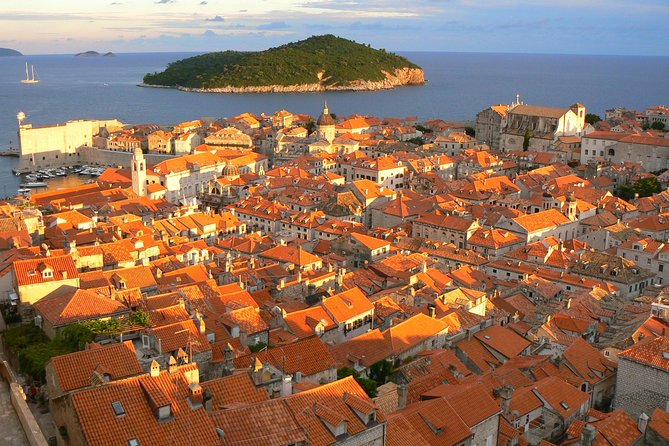
Dubrovnik City Walls can feel like a choose-your-own-adventure—until you realize you’d rather spend your energy looking outward instead of figuring out where to go next. This walk is built to prevent that. Your guide leads you from one defense point to the next, so you won’t miss the key sights along the route.
And because it’s private for your group, you’re not getting dragged forward with a large crowd that never matches your pace. In the past, guides like Edi were praised for remembering a lot and setting the tempo so people could enjoy it without feeling rushed. Another guide, Josip, was noted for being strong on explanations and even adjusting the pace when heat got to the group.
That’s the practical value here: you get to see the highlights, but you also get to understand them. The walls stop being a long stone treadmill and start acting like a defensive timeline.
One consideration: this is still a wall walk. Even with pacing, it’s challenging for anyone with walking difficulties. The tour specifically notes moderate physical fitness as a requirement, and it’s described as difficult for people who struggle with walking. If that’s you, you’ll want to think carefully.
Minčeta Fortress: the highest tower viewpoint that changes everything
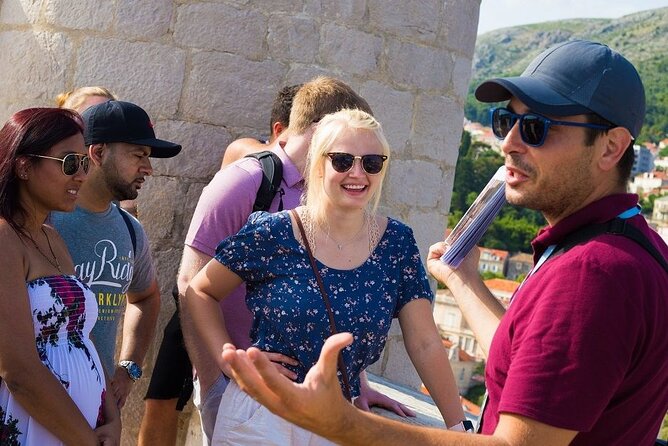
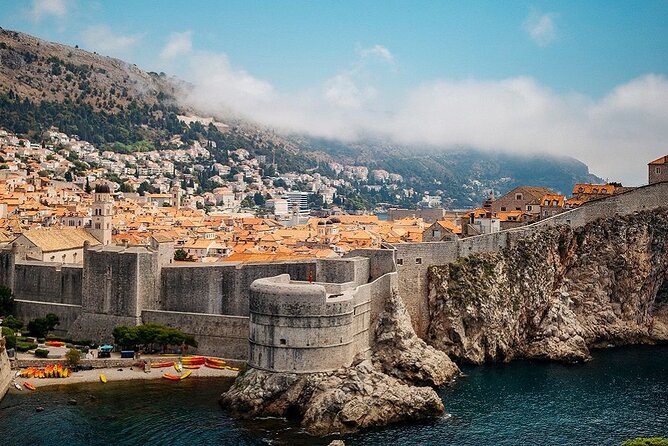
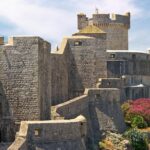
As you move along the walls, you’ll reach Minčeta Fortress, which dominates the highest north-western part of Dubrovnik’s defenses. It’s known as a large circular tower with a massive battlement supported by stone structures. This is one of those places where the guide’s explanation makes the architecture easier to read. You stop seeing a tower and start seeing a defensive position.
Minčeta also has a layered origin. The first, smaller quadrangular tower was constructed by Nikifor Ranjina in 1319. Later, the larger circular structure came into the picture—so when you look up, you’re looking at centuries stacked into one strategic point.
This stop is a major reason the tour works as a “best of” plan. Minčeta naturally becomes a viewpoint moment, but your guide also frames it as part of a broader defensive system rather than just a photo stop.
Potential drawback: if you’re expecting a slow sit-down sightseeing break, tower viewpoints can mean standing and walking on uneven or sloped wall paths. Comfortable shoes aren’t optional.
Bokar Fortress: where western sea defense meets land approach control

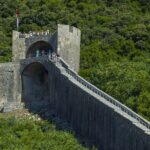
Next up is Bokar Fortress, described as the key point of defense for the western sea as well as the land approach to the town. That dual purpose is important. Dubrovnik’s walls weren’t only for storms on the water; they were for controlling who could approach the city from the outside.
Bokar’s design is credited to a well-known architect: Michelozzo di Bartolomeo Michelozzi, a Florentine. The fortress is described as a semicircular two-story building. Again, the guide helps you connect form to function. When you hear it was designed for a specific approach, the shape starts making sense.
What I like about including Bokar in this exact walk is that it helps you understand the city’s defenses as a system. You go from a high north-west defensive tower to a western sea-and-land bottleneck point, so your mental map gets clearer step by step.
Tip for your brain: as you walk, try to mentally label each fortress by its role—high tower, western approach, land entrance—because that’s how the story sticks after you leave the walls.
Sveti Ivan (St John) Fortress and the Mulo tower
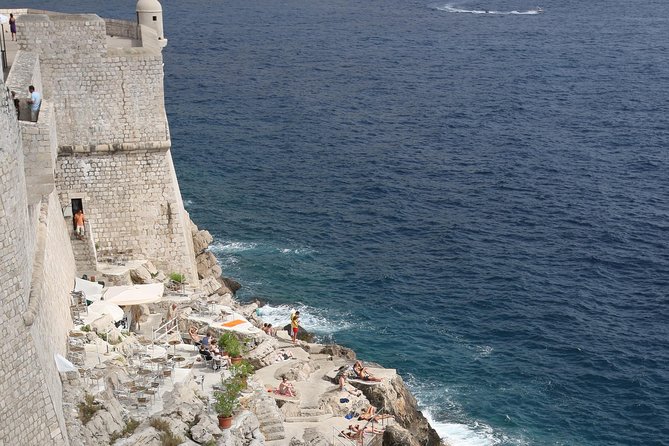
The tour then reaches the Fortress of St John, also called Sveti Ivan. This part of the wall system is described as one of the city’s impressive medieval defenses, with towers dating back to the 14th century. The main structure is described as coming from the 16th century.
It’s also often called the Mulo tower, and that name matters because you may hear it referenced around town. Your guide’s explanation ties the nickname to the broader defense complex, so you won’t feel like you’re missing context when other parts of Dubrovnik talk about it.
St John’s inclusion adds balance to the walk. It rounds out your view beyond the big headline towers and helps you see how different sections of the wall network protected Dubrovnik over time.
What to expect: you’ll likely take in both the fortress structure and what it allowed defenders to watch. It’s a great stop for connecting “when” (14th and 16th-century phases) with “why” (protecting a key part of the city).
You can also read our reviews of more city tours in Dubrovnik

The Revelin Fortress viewpoint: defending the land entrance
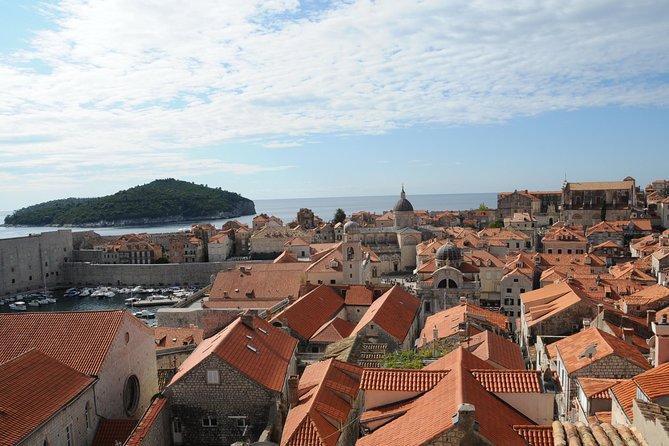
Toward the eastern side, the walk finishes at a viewpoint associated with Revelin Fortress. This fortress is described as an eastern defensive stronghold protecting the land entrance to the city.
This is a smart way to end the main wall route, because it gives you a different defensive angle than the higher north-west or the western sea emphasis. You’re getting the city’s defensive priorities from another direction—land access instead of sea approach.
Even if you’re short on time, the Revelin viewpoint helps you tie everything together. You see the city’s walls as a perimeter strategy with multiple “checkpoints,” not a single continuous barrier.
Practical note: this is still part of the walking route. If you’re planning to keep going after the tour, give yourself a little time to catch your breath and reorient before you head into Old Town streets.
What you’ll learn while walking: Ragusa to later conflict
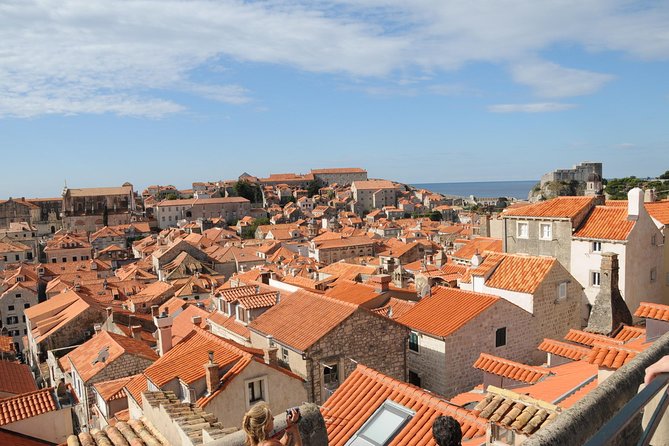
This tour isn’t only about architecture. It’s also about context: why Dubrovnik built this kind of defense, how it connected to the Republic of Ragusa and its approach to diplomacy, and how major later events shaped what the city lived through.
That matters because the walls can look like random stone if you just treat them like a sightseeing path. With the guide’s narrative, the towers become clues. You start to understand what Dubrovnik tried to control, protect, and project.
One theme that comes up in guide notes from past groups is how the story reaches into the Yugoslavian war era, not just the medieval period. That’s helpful if you want your trip to feel grounded in real history rather than stuck in postcards.
The value for you: you get a guided “why” to pair with the “what.” That pairing is what makes a short tour feel worth it.
Pace and comfort: a 2-hour wall walk that doesn’t swallow your day
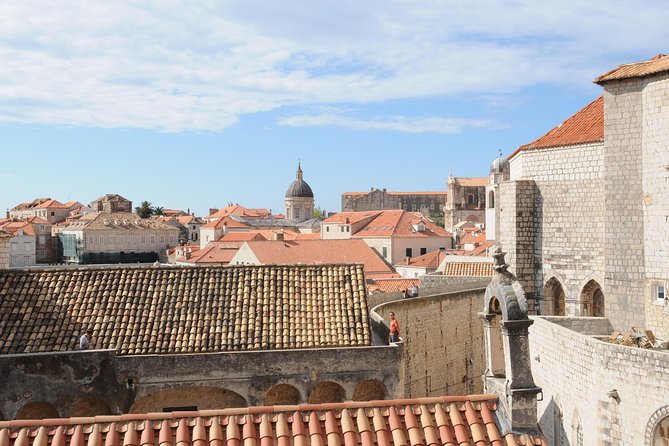
The tour runs about 2 hours. That duration is a big deal in Dubrovnik. Old Town can eat time fast—stairs, crowds, and the constant urge to stop for views. A wall walk of this length is long enough to cover major defense points, but short enough to keep your day flexible.
The guide pacing is also part of the experience. Past groups specifically praised guides for keeping a pace suitable to the heat. Even without a slow-motion pace, having someone manage your group speed makes the experience feel less like a workout and more like an enjoyable walk with a mission.
Still, the tour is flagged as challenging for people with walking difficulties. It’s not framed as a gentle stroll. If you need step-free access or long seated breaks, this won’t match your needs.
My straight advice: wear comfortable shoes, and assume you’ll be walking more than you think you will when you see a 2-hour time estimate.
Price, City Walls ticket, and the real value check
The tour price is listed at $129.40 per person. Your guide is included—specifically a licensed English speaking guide—and that’s the part that usually makes the biggest difference on a fortress walk. You’re paying for interpretation, pacing, and making sure you hit the correct wall sections.
The City Walls entrance ticket is not included and is listed as €40.00 per person. That means your total trip cost is really the sum of two things: the tour fee plus the wall entry ticket. If you’re budgeting, don’t mentally treat this as all-in.
On the positive side, the tour also notes group discounts and a mobile ticket, which can simplify logistics once you’re there. And because it’s a private tour for your group, you’re not fighting for attention in a huge crowd.
So is it good value? For me, yes, if you want:
- a guided route that covers key towers efficiently
- historical context tied directly to what you’re seeing
- a time-boxed wall experience that leaves energy for the rest of Old Town
If you already know your fortress history and you’re comfortable navigating on your own along the walls, you may decide the guide isn’t necessary. But if you want the walk to feel purposeful, the included guide is doing real work.
Where you start and finish matters more than you think
You begin at Big Onofrio’s Fountain (Placa b.b.) and end at Poljana Paska Miličevića bb. That end point is useful because it can help you flow into Old Town afterward without backtracking the same route.
Also, the tour is described as near public transportation, which can be helpful in Dubrovnik when you’re coordinating with buses, ferries, or day-trip schedules.
If you’re the type who likes to arrive early just to breathe and avoid stress, give yourself a buffer near Onofrio’s Fountain area. Starting there is straightforward, but Dubrovnik streets can get busy.
Who should book this Dubrovnik City Walls experience?
This is a great fit if you want a guided “best-of” route that explains what you’re seeing. It’s also ideal if you like walking but don’t want the mental hassle of figuring out which towers matter most.
You’ll likely enjoy it most if:
- you want a strong introduction to Dubrovnik’s wall defenses
- you prefer not getting lost and missing top sights
- you want a guide-led story from Ragusa diplomacy into later history
- you like a walk that’s long enough to matter but short enough to keep the day open
It may not be the right match if:
- you have limited mobility or significant walking difficulties
- you expect a fully seated tour
- you don’t want to add the separate City Walls ticket cost
And one more note: service animals are allowed, which is good to know.
Should you book it?
Yes, I’d book this if your goal is to understand Dubrovnik’s walls without turning your trip into a navigation project. You’re paying for a licensed English guide, a logical route through major fortress stops, and a pace that works better than wandering on your own.
But do the math first. The tour price plus the €40 City Walls ticket is the real cost of the experience. And be honest about walking ability—this is a wall walk and it’s marked as challenging for those with walking difficulties.
If you want Dubrovnik’s defenses to make sense fast, this is one of the most practical ways to get there.
FAQ
Is the City Walls ticket included in the tour price?
No. The City Walls entrance fee is not included and is listed as €40.00 per person.
How long is the Dubrovnik City Walls walking experience?
It runs about 2 hours.
Where does the tour start?
You meet at Dubrovnik Walking Tours at Big Onofrio’s Fountain, Placa b.b., 20000, Grad, Dubrovnik.
Where does the tour end?
The tour ends at Poljana Paska Miličevića bb, 20000, Dubrovnik.
Is the tour offered in English?
Yes. It’s offered in English with a licensed English speaking guide.
Is this a private tour?
Yes. It’s a private tour/activity, and only your group participates.
How physically demanding is it?
It’s recommended for travelers with moderate physical fitness and is described as challenging for people with walking difficulties.
What should I wear?
Wear comfortable shoes.
Do I get a mobile ticket?
Yes. The experience includes a mobile ticket.
What is the cancellation policy?
Free cancellation is available up to 24 hours in advance for a full refund. If you cancel less than 24 hours before the start time, the amount paid is not refunded.
Are service animals allowed?
Yes, service animals are allowed.