Olive oil tastes better with sea views. This Dubrovnik olive farm tour takes you up to Malaštica Hill to meet the people behind Vardia farm, where the day mixes a gentle hike, countryside stories, and real tastings. I like that it feels close to town but not crowded—about 15 minutes from the Old Town—and you’re already above the Adriatic by the time the learning starts.
What I really love is the olive oil tasting itself. You get to try olive oil in three different ways, with bread plus salt and vinegar, so you can taste more than one style and understand what makes each one work.
One thing to plan for: this is not a sit-down tour. You’ll do an easy hike down and back up through the olive groves, plus around 30 minutes of walking, so comfortable shoes matter.
In This Review
- Quick Hits: Olive Oil, Liqueur, and a Family Farm Near Dubrovnik
- From Old Town to an Olive Groves Classroom
- Price and value you can feel
- The Short Ride That Turns the Day Quiet
- Walking the Olive Groves: Easy Hiking, Real Footsteps
- My practical tip: wear shoes you trust
- Classroom Outdoors: What Ivica Shares About the Farm
- The Tasting Sequence: Olive Oil Three Ways, Bread, and Wine
- Why tasting three oils helps you understand the product
- Homemade Herb Brandy and Fruit Liqueur
- A note on expectations
- Timing, Group Size, and What 2 Hours 45 Minutes Means
- Who This Tour Fits Best (and Who Might Skip It)
- What to Bring for the Most Comfortable Visit
- Should You Book This Dubrovnik Olive Farm Tour?
- FAQ
- What is the duration of the Olive Farm and Village tour?
- Where does the tour take place?
- Is pickup offered?
- What time does the tour start?
- How big is the group?
- What food and drinks are included?
- What physical activity is involved?
- Is there a mobile ticket?
- What language is the tour offered in?
- Is the tour canceled if weather is bad?
Quick Hits: Olive Oil, Liqueur, and a Family Farm Near Dubrovnik
- Small group (max 8) means more time talking and asking questions.
- The hike is easy but real, with time in olive trees, an organic farm, and an old oak forest.
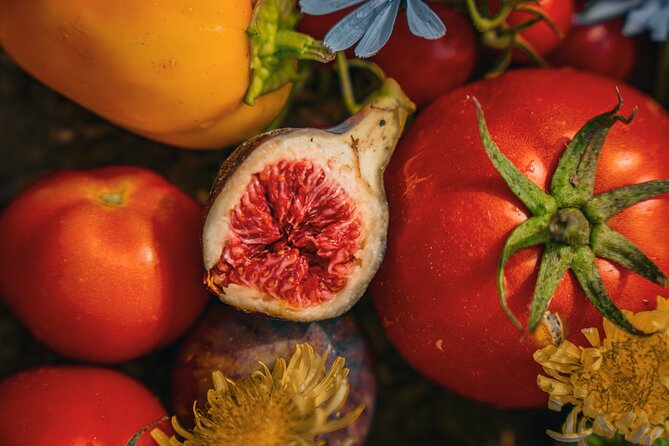
- You’ll sample olive oil three ways with bread, salt, and vinegar, plus homemade wine and liqueur.
- The view is practical and pretty: Vardia farm sits about 200 meters above the Adriatic.
- The guide, Ivica Vlašić, shares what he learned working with his father and grandfather, not just general facts.
From Old Town to an Olive Groves Classroom
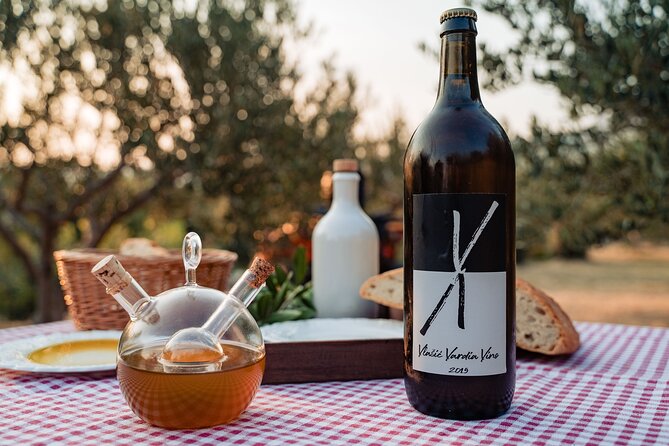
Dubrovnik is a feast for the eyes, but it can also feel intense. This tour gives you a calmer rhythm. Instead of trading one busy street for another, you trade crowds for a farm walk that starts just a short drive from town.
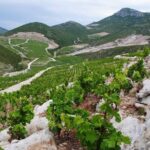
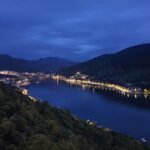
The setting is Vardia farm in Malaštica Hill, about 200 meters above the Adriatic Sea. It’s also near the border area with Bosnia and Herzegovina, which helps explain the mix of plants, land traditions, and farming patterns you’ll hear about. You’ll be picked up from your hotel or a meeting point in the Dubrovnik area, then transported to the farm for the tasting and walk.
For the price, what stands out to me is that you’re paying for more than samples. You’re paying for access—to a working family property, for time with Ivica, and for tastings that are tied to how the farm is run.
You can also read our reviews of more tours and experiences in Dubrovnik
Price and value you can feel
At $84.10 per person for about 2 hours 45 minutes, the value comes from the combination:
- pickup and return to your accommodation area
- a guided farm walk
- multiple tastings (olive oil, wine, and homemade liqueur/herb brandy)
- food included, built around what the farm grows and produces
If you only want a casual overview, you might find cheaper options. But if you want a full countryside break with hands-on tasting and a guide who explains the work behind the products, this one makes sense.
The Short Ride That Turns the Day Quiet
You meet at 8:30 am, then you’re in the car heading out of the city. The tour description mentions a scenic drive and a quick distance from Old Town—around 15 minutes—so it doesn’t feel like a half-day travel project before you even start.
Because you’ll be picked up in front of your hotel or from a meeting point, you avoid that annoying part where you spend your morning hunting buses, taxis, or exact drop-off spots. You also get to use the time before the walk in a useful way: you’ll likely get context on what you’re seeing as you move up the hill.
There’s also a practical advantage to going early. Mornings in this region tend to feel more comfortable for walking, and you’ll be better set up for a tasting afterward.
Walking the Olive Groves: Easy Hiking, Real Footsteps
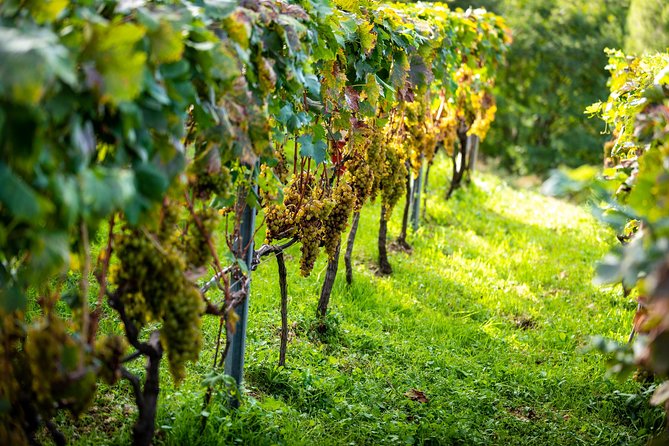
The heart of the tour is the walk. You take an easy hike down and back up through olive grooves, with time in the organic farm area and an old oak forest zone.
This is not a rugged trek. The tour info asks for moderate physical fitness and notes moderate easy hiking with about 30 minutes walking. Translation: you’re not climbing mountains, but you do need to move on uneven ground. So plan for steps, paths, and some time where your feet are doing the work.
What you’ll likely notice along the way:
- olive trees on ancient terraces (the terrain is a big part of the story)
- aromatic herbs gathered for tasting and smelling
- fruit and plant life that changes with the season, including things like pomegranate and rosemary
- details in the orchard that make the production story feel believable, not generic
In the reviews, people also mention seeing small farm animals, including goats. Even if you don’t get a long encounter, it adds that lived-in farm feeling.
My practical tip: wear shoes you trust
A few people were very clear about this. If your shoes are more for city pavement than for farm paths, switch them beforehand. You’ll feel better on the downhill sections, and you’ll be less stressed for the walk back up.

Classroom Outdoors: What Ivica Shares About the Farm
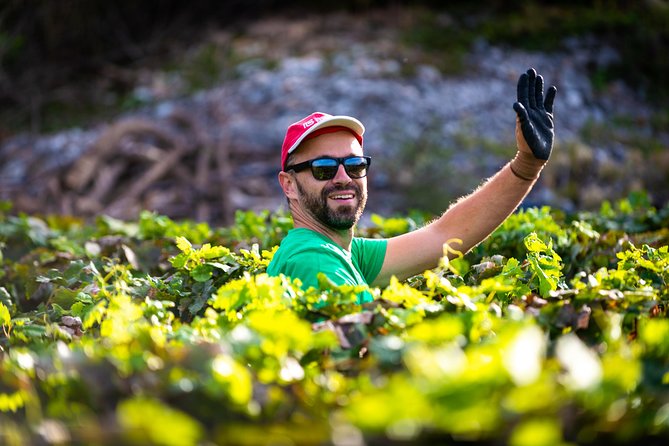
Once you’re at the farm, you’re not just tasting. You’re learning from Ivica Vlašić. He shares what he’s accumulated through education and hands-on work in the fields with his father and grandfather, and that family connection comes through.
What makes this kind of guiding work well is that it stays tied to actions. Instead of only talking about olives as a product, you’ll connect the olives to cultivation and production. When you then taste the oil, the difference between theory and reality disappears.
This matters for your own experience. If you’re even mildly curious about food culture, this is the part where the tour earns its time. You start to notice the small choices—how land is tended, how harvest and processing fit together, and how the farm’s output becomes meals and tastings.
And because this is a group capped around 8 travelers, you’re more likely to get real answers instead of listening to a monologue with no room for your questions.
The Tasting Sequence: Olive Oil Three Ways, Bread, and Wine
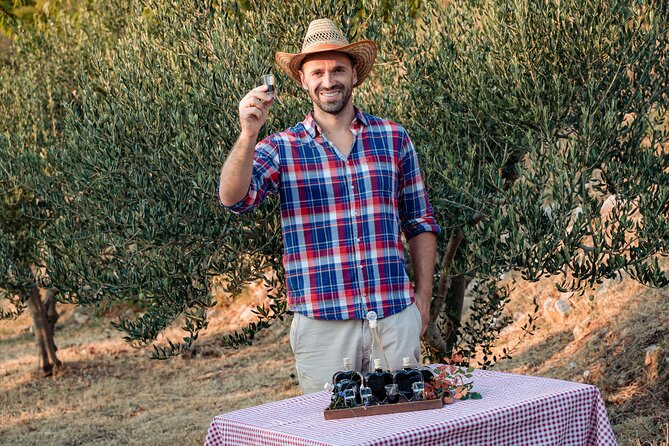
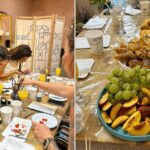
The food portion is where the tour becomes memorable. The sample menu includes olive & bread, plus tasting olive oil in three different ways served with bread, salt, and vinegar. That combination is clever: bread helps you reset your palate between tastes, while salt and vinegar give you a reference point for how each style behaves on the tongue.
After the olive oil tasting, you’ll also have:
- white wine
- homemade bread (and in some cases extra baked items)
- fruit and orchard-based ingredients that show up in the farm tasting story
In reviews, people describe bread dipped in olive oil as a standout moment, and they also mention other edible extras like sugared almonds and jams (apricot jam shows up in the descriptions). The key takeaway for you: you’re not just sampling small sips. You’re eating like you’re being hosted.
Why tasting three oils helps you understand the product
A lot of tours give you one oil tasting and move on. Here, the three-way approach helps you notice differences more clearly. You’ll get a better sense of what changes in taste can come from how the olives are treated and how the oil is made. Even if you can’t name every flavor note, your palate will start forming its own map.
Then you follow it up with wine, which gives you another comparison and a chance to unwind.
Homemade Herb Brandy and Fruit Liqueur
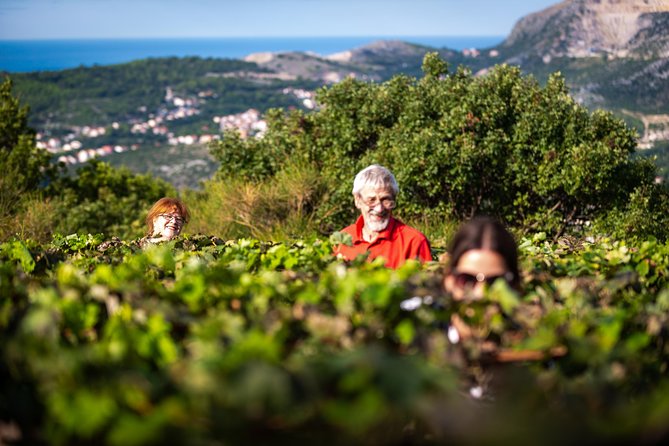
Before you finish, you’ll taste a home-made herb brandy or a liqueur made with fruits from the orchard. This is one of the most distinctive parts of the whole experience, because it ties into farm life: herbs, fruit, and traditional processing.
In reviews, people specifically mention walnut liquor (and the idea of walnut-based liqueurs). That kind of detail is useful for deciding if you’ll like this portion: if you enjoy stronger, aromatic spirits and the idea of farm-made alcohol, you’ll probably think the tastings are a highlight rather than an afterthought.
This section also gives you the chance to try flavors that don’t exist in the same form in packaged supermarket bottles.
A note on expectations
You should think of these drinks as part of the storytelling. The aim isn’t to rush you through shots. It’s more like a guided tasting where you understand what ingredients came from the orchard and why they matter.
Timing, Group Size, and What 2 Hours 45 Minutes Means
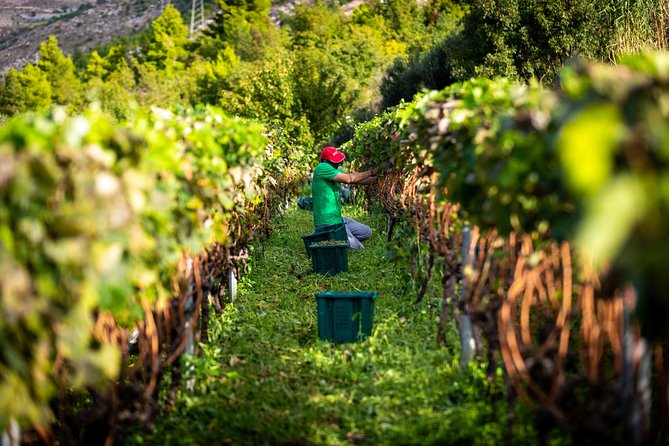
The tour runs about 2 hours 45 minutes. That’s a sweet spot for a morning country outing: long enough for a proper walk and multiple tastings, short enough that you’re back in Dubrovnik without losing your whole day.
Most people don’t want to spend hours driving and then end up with only 10 minutes of tasting. This keeps the time focused:
- drive out
- hike and stroll through the farm
- tastings and food
- walk back to the car
- return to your accommodation area
Because the group is small, you won’t feel like you’re being herded through steps. It’s more like a paced visit to someone’s working property.
Who This Tour Fits Best (and Who Might Skip It)
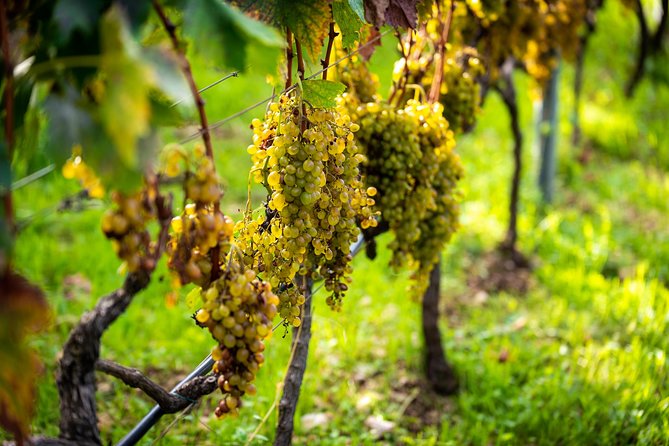
I think this tour suits you best if:
- you want a real farm experience near Dubrovnik instead of another bus-and-sit activity
- you enjoy food tastings that are connected to cultivation and production
- you like talking with a family guide rather than only hearing a script
- you prefer small groups (the maximum is 8 travelers)
You might consider skipping if:
- walking on uneven ground is a problem for you
- you’re only interested in a quick photo stop (this tour is about food, walk, and stories)
For families, the reviews suggest there are options for kids, but the tour still includes walking. So you’d want to judge it based on your own group’s comfort level.
What to Bring for the Most Comfortable Visit
The tour info is short, but the guidance from the walk is clear. Bring:
- sensible shoes for an easy hike down and up
- a light layer if you run cold in the morning
- sunscreen or sun protection, because you’ll be outdoors
- water if you tend to get dry while walking (the tour includes food and tastings, but drinking habits vary)
If you’re sensitive to strong smells, note that herbs and orchard plants are a big part of the experience. You’ll smell rosemary and other plants as part of the walk.
Also, if you’re traveling with a service animal, the tour allows service animals.
Should You Book This Dubrovnik Olive Farm Tour?
I’d book it if you’re the type of traveler who likes to trade a little city time for the feel of how food actually grows. This tour hits several points at once: farm walking, olive oil tasting in three ways, homemade bread, white wine, and herb brandy or fruit liqueur—all hosted by Ivica, with a real family story behind it.
It’s also good value for people who want pickup, small group attention, and multiple tastings without adding extra complicated logistics. If you’re staying in Dubrovnik and want one countryside morning that feels grounded in place, this one delivers.
If you’re only looking for a quick tasting without any walking, you may find it a bit more active than you want. But for most visitors who can manage gentle hikes, it’s an easy yes.
FAQ
What is the duration of the Olive Farm and Village tour?
The tour lasts about 2 hours 45 minutes.
Where does the tour take place?
It takes place at Vardia farm in Malaštica Hill, about 200 meters above the Adriatic Sea, roughly a 15-minute scenic drive from Dubrovnik Old Town.
Is pickup offered?
Yes. Pickup is organized in front of your hotel or at a meeting point in the Dubrovnik area.
What time does the tour start?
The start time is 8:30 am.
How big is the group?
The maximum group size is 8 travelers.
What food and drinks are included?
You’ll taste olive oil in three different ways with bread, salt, and vinegar, and you’ll also have home-made bread and white wine. The tour also includes a home-made herb brandy or fruit liqueur.
What physical activity is involved?
There is an easy hike down and up through the olive grooves, with about 30 minutes of walking. The tour notes a moderate physical fitness level is needed.
Is there a mobile ticket?
Yes, the tour includes a mobile ticket.
What language is the tour offered in?
The tour is offered in English.
Is the tour canceled if weather is bad?
The experience requires good weather. If it’s canceled due to poor weather, you’ll be offered a different date or a full refund.