REVIEW · DUBROVNIK
Croatian Traditional Cuisine: Peka Cooking Lesson
Book on Viator →Operated by Florio za turizam i turisticka agencija d.o.o · Bookable on Viator
Peka cooking sounds simple until you see the dome and the heat do the work. In Mokošica near Dubrovnik, this lesson puts you close to the real method: meat and vegetables slow-cooked under a bell-like Peka. I especially like that the host, Florio, turns cooking into a full-on morning of stories, food facts, and practical know-how, not just a quick demo. You also get homemade wine with lunch, which fits perfectly with the region’s no-fuss style.
What you’ll like most is the pacing and setting. This is held at OPG Vukojević in the village of Mokošica, and the small group size (up to 8) means you’re not lost in a crowd. You’ll also get a clear view of how peka is assembled and why it takes experience to get it right, from the way the food is layered to how the cooking environment is managed.
One thing to consider: this isn’t the hands-on, apron-on-everyone kind of cooking class. Expect a lot of watching and learning from the process, plus hosting and meal time, with only limited active prep. If you’re looking to do heavy chopping the whole time, you might want to set your expectations early.
In This Review
- Key things that make this peka lesson work
- Why Peka is more than a dish name in Mokošica
- Your morning starts with Florio’s hospitality (and a smart small-group feel)
- OPG Vukojević: where food facts meet real kitchen rhythms
- The Peka lesson: what you’ll learn as the dome does its job
- Lunch under the dome: timing, servings, and the real payoff
- Price and logistics: is $162.47 for 4 hours fair value?
- Who should book, and who might want a different style of class
- Should you book the Croatian Traditional Cuisine: Peka Cooking Lesson?
- FAQ
- Is lunch included?
- What time does the cooking lesson start?
- Where does the experience take place?
- Do I get picked up and dropped off?
- Is a vegetarian option available?
- How long is the tour?
- What group size should I expect?
- What is the minimum age?
Key things that make this peka lesson work
- The Peka dome method: a bell-shaped cover that traps heat for slow cooking.
- Village setting in Mokošica: held at OPG Vukojević, away from cruise-ship chaos.
- Florio’s hospitality: friendly, personal, and full of food and life stories.
- Lunch while the food cooks: homemade bread, cheese, olive oil, and wine during the wait.
- Small groups: maximum of 8 people, so the experience stays personal.
- A true peka meal focus: meat and vegetables cooked in the traditional way, plus a vegetarian option.
Why Peka is more than a dish name in Mokošica
Peka is the Croatian specialty you can’t really fake. The idea is simple on paper: meat and fresh vegetables cook under a dome. In practice, the peka style depends on the right setup—heat, timing, and how the food sits beneath the cover.
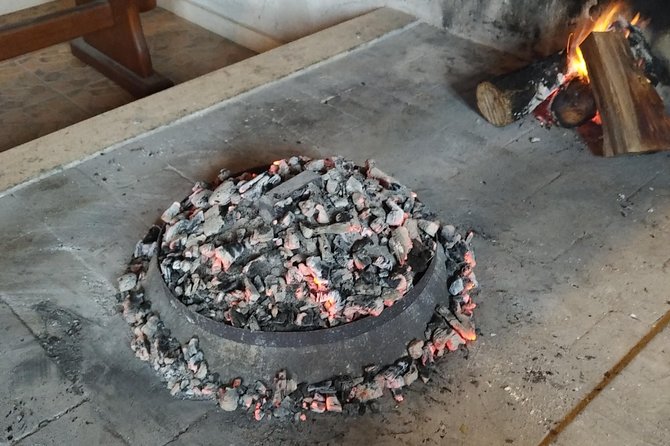
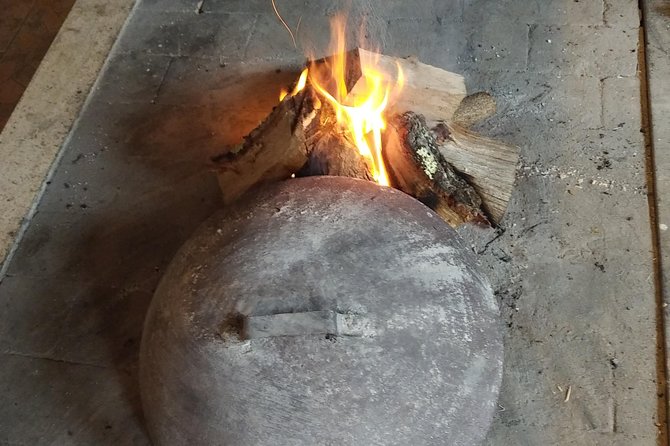
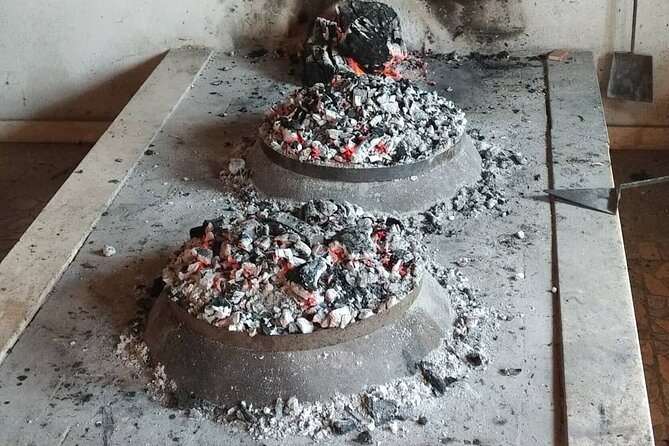
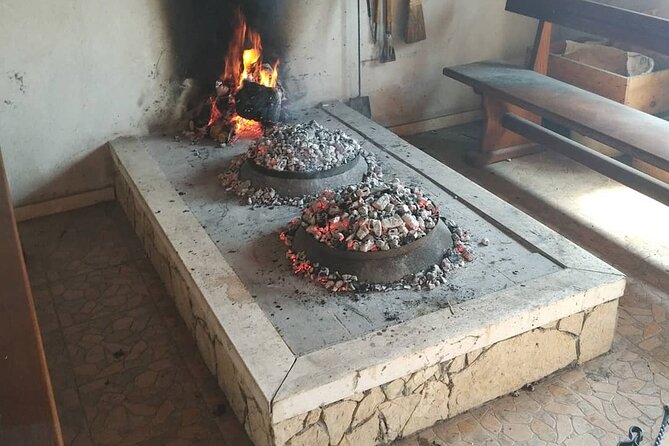
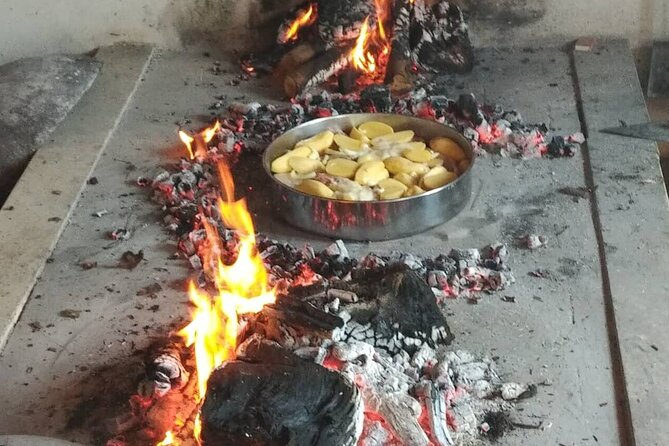
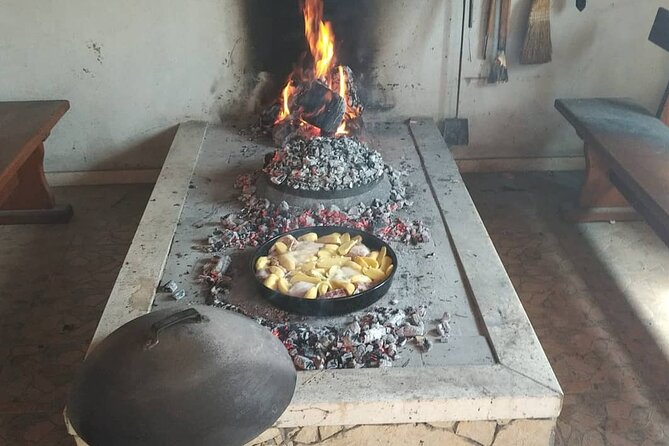
The signature piece is that bell-like lid. It can be metal or cast iron, but the real connoisseurs prefer earthenware, because it holds the heat in the way traditional cooking demands. Under that dome you’ll find a cooking space that can be a fireproof pot over coals or cooking directly on a stone slab. The dome matters because it creates an even, trapped cooking environment so the dish comes out hearty instead of dry or uneven.
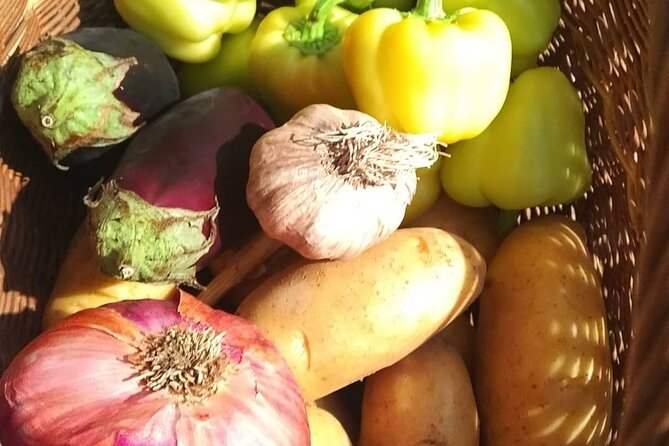
The typical peka plate is built for a slow lunch. Expect combinations like veal, lamb, or yearling beef, usually paired with potatoes and other vegetables. It looks straightforward once it’s plated, but the skill is in building it correctly and keeping the cooking steady long enough for everything to soften and mingle.
And yes, wine is part of the deal. Peka meals are commonly paired with a local red like miljas wine, and here you’ll also have homemade wine included. That pairing isn’t just tradition for tradition’s sake—it helps balance the richness of meat, potatoes, and that smoky, slow-cooked flavor.
You can also read our reviews of more cooking classes in Dubrovnik
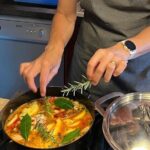
Your morning starts with Florio’s hospitality (and a smart small-group feel)
The tour runs about 4 hours, starting around 9:00 am. Your day begins when the guide meets you, with pickup described as being from your hotel or private apartment in Dubrovnik. One important note: the experience is described as having you picked up and dropped off, but private transportation is also listed as not included. So the safest move is to confirm how your pickup works for your specific booking.
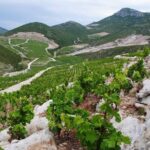
Either way, the trip out to Mokošica is part of the experience. You’ll be heading into the hills area, and the drive route can include views you don’t see from the main Dubrovnik roads—plus stories along the way. One past participant even mentioned the route passing old bunkers left over from the war, with the driver sharing context.
At the same time, the small group limit keeps things calm. With a maximum of 8 people per booking, you can actually ask questions. English is offered, and the vibe is more like being invited to someone’s home than being herded through an attraction.
One more detail that says a lot about how this is run: Florio’s help can go beyond the cooking. A participant noted that they weren’t confident navigating narrow roads in their own car, and Florio stepped in to handle the driving so they could relax. That kind of practical kindness isn’t guaranteed, but it matches the overall theme of the day—your comfort matters.
OPG Vukojević: where food facts meet real kitchen rhythms
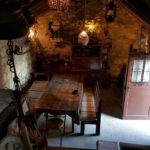
This lesson takes place at OPG Vukojević in the village of Mokošica, and that’s a big part of the value. OPG is the kind of local agricultural household space where you understand food as something grown, made, and cooked with care—less like a show, more like daily life.
When you arrive, the day centers on the peka process while food is cooking. You’re not just waiting around with a bottle of water. You’ll be served homemade bread, cheese, and olive oil while the peka cooks under the dome. This is one of the smartest pacing choices in a cooking experience: it gives you a warm-up meal, lets you taste local staples, and keeps the day from feeling staged or rushed.
Florio’s role here isn’t just host. Based on what people describe, he’s the kind of guide who answers questions in plain language and connects cooking to how Croatians live and eat. Past experiences also mention homemade additions like prosciutto, plus plenty of explanation about ingredients and the way the meal fits local culture.
You’ll also have alcohol as part of the included experience. Homemade wine is included, and reviews describe additional pours like grappa during the meal time. Not everyone will get personal take-home surprises, but you should expect a generous, friendly approach to drinks and conversation.
Also, you’re not limited to one “standard” plate in the way some group tours are. A vegetarian option is available, and you’ll want to request it at booking.
The Peka lesson: what you’ll learn as the dome does its job
The peka method is deceptively physical. Yes, there’s a dome. Yes, there are coals. But the real lesson is about how you create steady heat for a long cook, so the meat and vegetables end up tender and cohesive.
Here’s what you’ll understand better by the time the food comes out:
- How peka gets its heat: the dome traps warmth and slows down the cooking environment so the food cooks evenly.
- How ingredients are layered: typical setups use meat with potatoes and vegetables, arranged so everything finishes around the same time.
- Why the cookware matters: whether the cooking happens under coals in a pot or on a stone slab, the system is designed to hold heat.
- Why experience shows up in results: peka looks simple, but even small changes in setup can affect texture.
Even when you’re mostly watching, you’ll still learn the “why” behind the steps. That’s what makes this feel more authentic than a cookie-cutter cooking class. Instead of teaching you a recipe you could reproduce at home with the same results, the experience teaches the logic of how people in the region actually cook this way.
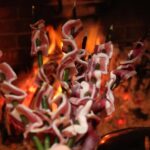
One useful expectation-setting note: people describe the format as more than a typical cooking class. You’ll likely see a demonstration of peka cooking—meats and potatoes prepared at an outdoor fireplace under a metal dome are specifically mentioned. So go in ready to learn from the process, ask questions, and enjoy the food as it cooks.
Lunch under the dome: timing, servings, and the real payoff
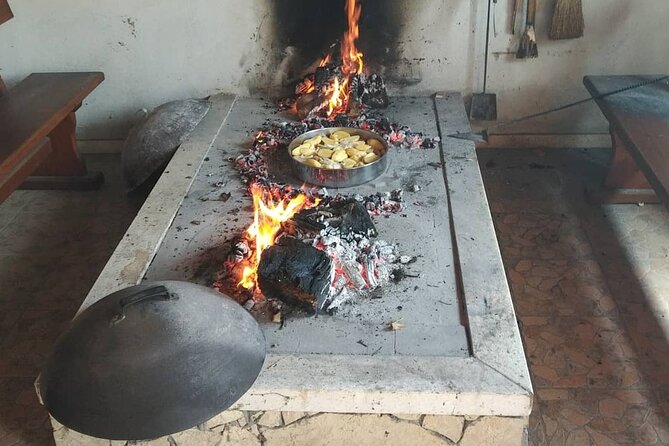
This is a lunch-centered experience. The tour includes lunch in the 01.04.2026 to 30.10.2026 season window, and the program description says lunch time is the slot for the cooking class that begins at 09:30 am. The experience is also described as flexible so you can choose what time you eat—so expect the schedule to be oriented around a midday meal, not a late dinner event.
When the peka finishes, the payoff is the meal itself. You’re looking at a hearty, slow-cooked mix—meat plus potatoes and vegetables—built for comfort and depth. The flavor is the point: it’s the kind of food that tastes like effort, even though it was cooked largely by the heat system rather than constant stirring.
Pairing matters here. You’ll have homemade wine included, and the experience context also points to local red miljas as a common match for peka meals. If you’re a wine person, this is the part that makes the morning feel like it flowed naturally rather than stopping for a snack and then a separate lunch.
If you’re vegetarian, don’t worry about being stuck on the side of a plate. Vegetarian options are available, and you’ll want to flag it when booking. Just remember: peka is built around the dome and the cooking method, so the vegetarian version likely keeps that same slow-cook logic.
One more thing I like for practical reasons: you’re eating in a way that respects the cooking timeline. Instead of a rushed “cook then eat” schedule, you’ll have time to enjoy the bread, cheese, olive oil, and conversation while you wait for the dome finish.
You can also read our reviews of more tours and experiences in Dubrovnik
Price and logistics: is $162.47 for 4 hours fair value?
At $162.47 per person for about 4 hours, this isn’t a cheap lunch. But it is also not trying to be one. The value comes from several concentrated factors:
- Small-group size (up to 8): you get personal attention and a slower pace.
- Included lunch and homemade wine: the meal isn’t add-on pricing.
- A real home-and-village setting: at OPG Vukojević, not a mass-market venue.
- A dome-cooking method you can’t replicate easily: peka relies on cookware and heat management that are hard to “learn” from a standard demo.
You also get the experience of being taught by someone who clearly cares about craft. Florio is described as making much of what you see with his own hands, and that matters. When a host builds the process around home production—food, hosting, and food knowledge—the day feels less like a transaction.
On logistics, keep one practical item in mind. Pickup/drop-off is described, but private transportation is listed as not included. That usually means the operator may arrange transport in a way that’s not categorized as a separate private car hire fee. Still, it’s worth confirming what you’ll receive so you don’t end up walking in the wrong place when the time comes.
Also note the experience is English-offered and 18+ only. If you’re traveling with mixed ages, plan accordingly.
Who should book, and who might want a different style of class
You’ll likely love this if you want:
- a traditional Croatian food experience focused on one iconic technique
- a morning with hospitality and conversation, not just instructions
- a small-group feel where questions are welcome
- a peka meal that’s clearly the center of the day
You might want to reconsider if:
- you strongly prefer a hands-on class where you do most of the cooking yourself
- you’re expecting a high-production, restaurant-style workshop
- you want a full-day food tour with many stops, not one deep cooking focus
If what you want most is the dome cooking and the meal itself, this fits well. If you want the full “classroom” feel with lots of cutting and plating, you should treat this as more of a hosted peka day than a typical take-home-recipe cooking school.
Should you book the Croatian Traditional Cuisine: Peka Cooking Lesson?
If peka is on your Croatia must-eat list, this is the kind of experience that makes the dish feel understandable, not mysterious. The biggest reasons I’d recommend it are the Peka dome cooking focus, the village setting at OPG Vukojević, and the sense that the host, Florio, runs the day like a personal invitation.
The price may look high at first. But with lunch plus homemade wine included, a max group size of 8, and a format that stays tied to local life instead of sightseeing checklists, it can feel like good spending for Dubrovnik. Go in expecting a cozy, home-hosted peka lesson where you learn by watching closely, tasting, and talking.
FAQ
Is lunch included?
Yes. Lunch is included as part of the experience during the listed season dates.
What time does the cooking lesson start?
The cooking class starts at 09:30 am, with the overall activity starting around 9:00 am.
Where does the experience take place?
It takes place at OPG Vukojević in the village of Mokošica, near Dubrovnik.
Do I get picked up and dropped off?
The experience description says you’ll be picked up and dropped off at your hotel in Dubrovnik, but private transportation is also listed as not included. It’s smart to confirm what pickup means for your specific booking.
Is a vegetarian option available?
Yes. A vegetarian option is available if you advise at the time of booking.
How long is the tour?
It’s about 4 hours (approximately).
What group size should I expect?
The tour is limited to a maximum of 8 people per booking, and it requires at least 2 people.
What is the minimum age?
The minimum age is 18 years.