REVIEW · DUBROVNIK
Pearls of the Balkans from / to Dubrovnik; Semi – Private Tour
Book on Viator →Operated by Choose Balkans · Bookable on Viator
Dubrovnik is your warm-up, then the Balkans hit fast. I like the mix of UNESCO old towns (Kotor, Ohrid, Mostar) and the fact this is a true road-trip style itinerary with a real guide. I also like that pickup and key entry tickets are handled for you. One possible drawback: the trip runs long driving days and, in at least one case, vehicle/charging trouble can throw off timing.
This semi-private tour keeps the group small (max 10 travelers), so you get more human-scale conversations than with big bus tours. You’ll also see the Balkan “in-between” countries on the map—Montenegro, Albania, North Macedonia, Kosovo, and Bosnia & Herzegovina—in one sweep. Just be ready for 3-star rooms and breakfasts that may not blow your mind.
In This Review
- Key things that make this tour work
- Dubrovnik to the Balkans: a small-group circuit with big-drive days
- Day 1: Kotor’s UNESCO maze and Budva’s Old Town charms
- Day 2: Tirana’s communist memories, Blloku cafes, and the castle walk
- Day 3: Berat’s 1001 Windows and Ohrid’s lake-and-church viewpoint
- Day 4: Skopje’s bridges and statues, then Prizren’s Ottoman stops
- Day 5: slow food farm time and Shkodra’s arts-and-heritage stops
- Day 6: Lake Skadar National Park birds, Virpazar coffee, and Podgorica evening
- Day 7: Blagaj spring waters and Mostar’s Old Bridge UNESCO icon
- Day 8: The road-trip wrap back toward Dubrovnik
- Price and logistics: where the value really shows
- Hotels, breakfasts, and room expectations on a multi-country route
- Transport reality: private car comfort, but stay flexible
- Who should book Pearls of the Balkans, and who shouldn’t
- Should you book this tour?
- FAQ
- What time is the Dubrovnik pickup?
- Where does the tour start and end?
- What’s included in the tour price?
- Are lunches and dinners included?
- Can I get a single room?
- How large is the group?
Key things that make this tour work
- Semi-private size (max 10) means quieter stops and fewer delays
- Border-to-border routing gives you variety without switching companies or re-planning
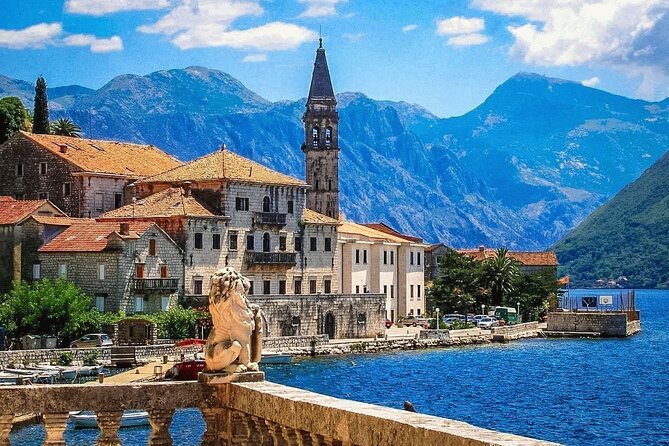
- Built-in highlights: Kotor’s old maze, Ohrid’s St. John at Kaneo view, and Mostar’s Stari Most
- Handmade and farm stops add culture you can taste and bring home (paper museum, mask factory, agrotourism lunch time)
- Guide flexibility has shown up in real situations, including backup arrangements when vehicles had issues
Dubrovnik to the Balkans: a small-group circuit with big-drive days
The tour starts in Dubrovnik with a 7:30 am pickup. From there, you shuttle to the border early enough to keep the day moving, then meet your tour leader and roll into the first leg of the trip. If you’re staying in Kotor instead, pickup can be arranged at 11:00 am, also at no cost, but you need to request it in advance.
This is a “many places, one itinerary” style tour. That’s great if you want breadth—old cities, mountain views, Ottoman architecture, lake scenery—without living out of a train schedule. It’s not ideal if you hate driving, or if you expect every day to feel perfectly timed and stress-free.
On your side, you get private transportation and a professional guide, plus hotel pickup/drop-off back in Dubrovnik or Kotor. On the ground, expect a pace that’s active: walking through old towns, climbing to viewpoints, and swapping countries frequently enough that you’ll start thinking in borders.
You can also read our reviews of more private tours in Dubrovnik
Day 1: Kotor’s UNESCO maze and Budva’s Old Town charms
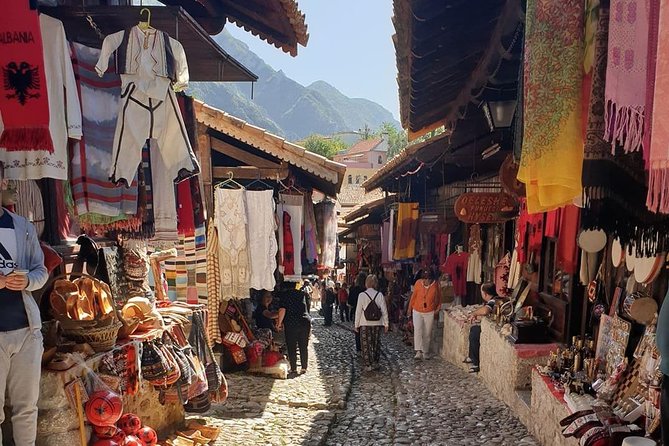
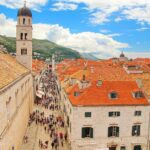
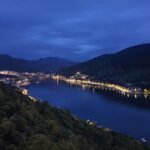
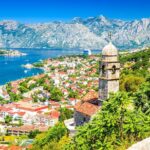
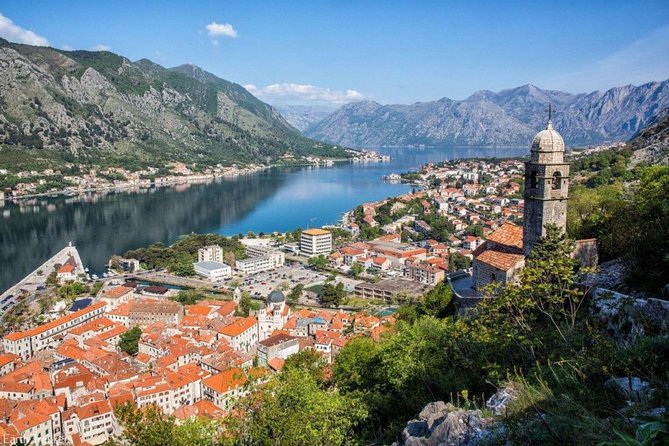
You’ll start with Kotor after crossing the border. Kotor is UNESCO-listed, and once you’re inside the old town, you can feel why people love it. The street plan looks messy at first, but it was designed to confuse intruders—so the twisting lanes are part of the story, not just bad urban planning.
You’ll wander through narrow cobblestone streets and spot little plaques on older buildings and churches with dates and original use. The stop at Saint Luke’s church is the kind of detail that makes a guided walk feel connected to local life, not just sightseeing.
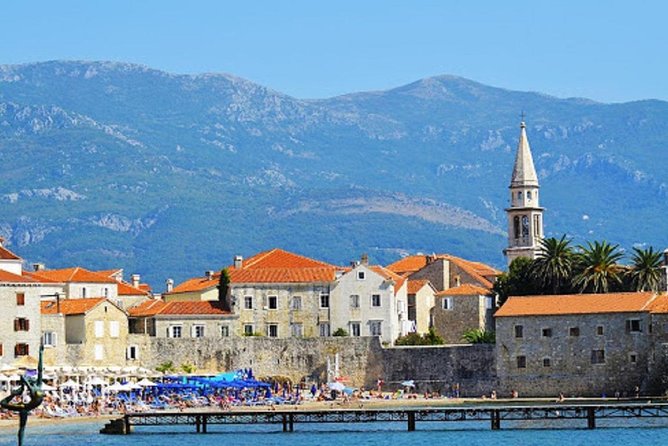
Then you drive to Budva. The city splits into Old Budva and New Budva. Old Budva is where the medieval center lives: St. Ivan church, the small church of St. Mary, and the tighter maze of streets that feel instantly more “historic” than the seaside strip. You’ll get a couple hours here—enough time to walk, snap photos, and find a calm corner to reset.
Watch your expectations for Day 1: you’re coming from Dubrovnik, so you’ll be switching modes—medieval walls to Montenegro roads to another old town—pretty quickly.
Day 2: Tirana’s communist memories, Blloku cafes, and the castle walk
Tirana is the Albania pivot, and Day 2 is built around that jump. After breakfast, you drive into the capital, check in, and then get a guided introduction to the city’s layers—communist-era isolation, political power, and today’s street life.
Your first stop is Postblloku, a memorial to Albania’s communist-era isolation, set up opposite the government building. From there you head to the Blloku Neighborhood, once restricted to the Albanian politburo and now one of the city’s liveliest areas. Street art, cafes, boutiques—this is where the “before and after” becomes visible without reading a textbook.
Next comes Skanderbeg Square, named after national hero Gjergj Kastrioti Skënderbeu. Around the square you’ll see major civic landmarks, plus the Skanderbeg Statue. From there you’ll move toward Tirana Castle, now a pedestrian area where modern and traditional sides of the city blend.
The walk also connects to Albania’s unusual historical turning point: in 1967, it was declared the world’s first atheist state. As you pass Namazgah Mosque (the largest in the Balkans, per the itinerary), Orthodox and Catholic cathedrals, you’ll see how religion later reappeared in public space.
This day can feel like a guided narrative more than a checklist. That’s a good thing—if you like understanding why a city looks the way it does.
Day 3: Berat’s 1001 Windows and Ohrid’s lake-and-church viewpoint
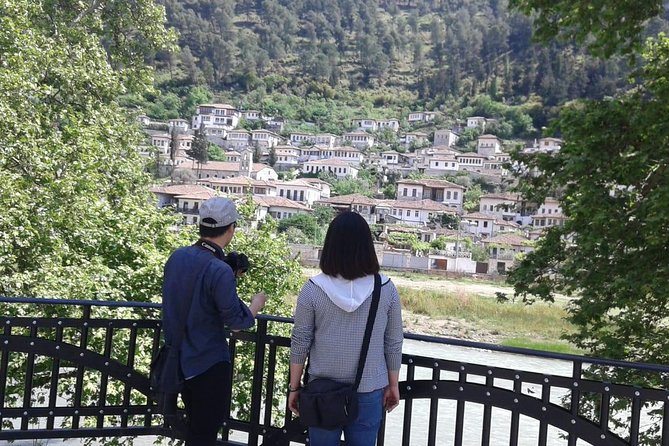
Berat is often called the town of 1001 windows, and the nickname fits. The old quarter sits across steep slopes, and the medieval houses stack visually because of the way the architecture developed for hillside living. You’ll walk through stone lanes where the windows seem layered, and you’ll learn that residents still live inside the old castle walls.
Then you’ll move to Berat Castle for a compact but meaningful overview: medieval churches and mosques, a lively lower town below steep hillsides, an old stone bridge, museums, and references to the communist era. The itinerary time here is short, so you’re meant to get the big picture and then keep moving.
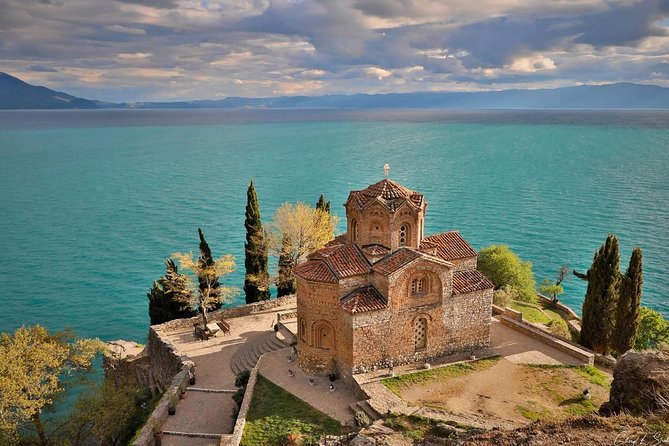
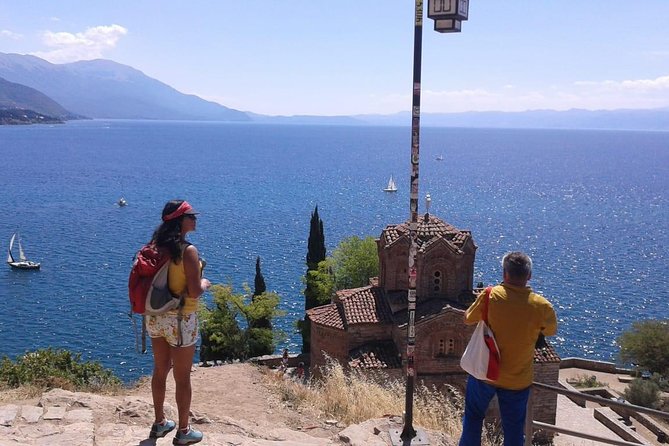
After Berat, you drive to Ohrid. Ohrid and Lake Ohrid are UNESCO World Heritage, and the vibe is different from the inland city feel. The highlight viewpoint is the Church of St. John at Kaneo, where the lake view gives you instant context for why Ohrid became important for Orthodox believers during Byzantine times.
The tour also mentions Ohrid’s claim of 365 Orthodox churches (one for each day of the year). Whether you treat the number as symbolic or literal, it signals how church life shaped the city’s identity. Ottoman-era housing patterns also come up through details like narrow streets, tunnels, and tiny yards built into hillsides.
You’ll end the day with the National Workshop for Handmade Paper Ljupcho Panevski, Ohrid’s paper museum stop. You’ll learn how handmade paper is made using techniques traced back to the era of Gutenberg, and you can buy handmade paper as a souvenir that actually feels connected to place.
If you like stops that go beyond photo ops—this is one of your best days.
Day 4: Skopje’s bridges and statues, then Prizren’s Ottoman stops
Skopje starts Day 4, and it’s a city you feel in your photos first. The itinerary points out European, Ottoman, and even Asian influences, which is why Skopje can look like multiple eras were stitched together.
You’ll walk the Old Bazaar, described as the biggest in the Balkans. The day also includes a key trio of photo and walk points: the Stone Bridge, the Alexander the Great statue in the center area, and the Art Bridge leading toward the archaeological museum. Bridge-lining street lanterns and statues of Macedonian artists and musicians add color to what could otherwise be a quick transit stop.
A bigger “city symbol” moment is the cross on the mountain above Skopje, visible for kilometers and treated as a landmark for the city. Then you’ll have enough time to wander and get the street feel of the bazaar before you move on.
After Skopje, you drive toward Prizren, described as the cultural capital of Kosovo. The old town sits along the river, so it’s a walk-and-bridge city—bridges crossing the river through the heart of the area.
You’ll visit the Sinan Pasha Mosque for a short but focused stop. If you like patterned interiors and decorative design, this is one of those “choose one” mosque moments. Then you’ll reach Kalaja Fortress for a hilltop panorama—ideal for seeing how rivers, streets, and steep terrain fit together.
This day is a lot of walking in different cities, but it’s also varied enough to stay interesting. The bridges and viewpoints break up the pace.

Day 5: slow food farm time and Shkodra’s arts-and-heritage stops
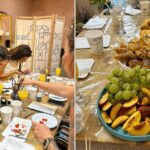
Day 5 gives you a taste of the Balkans outside the city center. Your first stop is Mrizi i Zanave (Restorant Agroturizëm), a slow-food agro-tourism experience. The itinerary frames it as one of the top agrotourism spots in the region, and the farm story is part of the attraction: it created jobs for more than 400 people in the surrounding area, with bio fresh local products and preservation efforts.
You’ll tour the farm and also learn how the business adapted older communist buildings for storage. Then you get free time to enjoy a traditional lunch or buy fresh produce products. This is the part of the trip where you can slow down. If you’re tired of sprinting from viewpoint to church, this is your breather.
In the afternoon you drive to Shkodra (Shkodër). The itinerary ties the city to deep habitation history and to the Illyrian king Gent in a specific Roman historian reference. You’ll hear that the oldest wall of Shkodra Castle dates to the 1st millennium BCE. That’s the kind of timeline detail that makes the city feel older than your gut expects.
Next comes the Venice Art Mask Factory visit in Shkodra. It’s inspired by Venetian traditions, but the key is that masks are handmade papier-mâché and painted by hand. Each mask is decorated individually, and you’ll see classic carnival styles alongside more modern ideas.
This day is for people who like craft and food as part of culture, not just as an optional add-on.
Day 6: Lake Skadar National Park birds, Virpazar coffee, and Podgorica evening
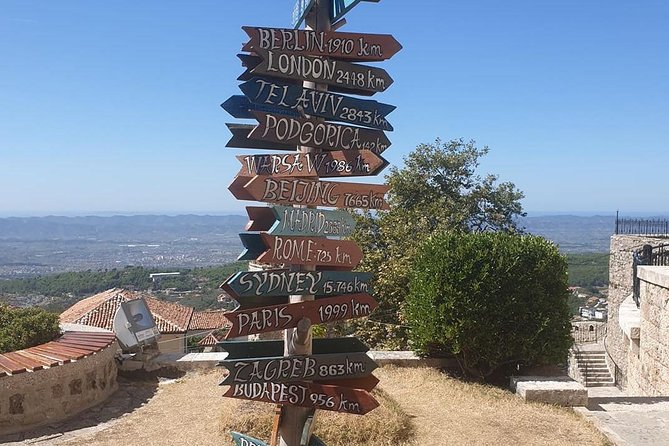
Day 6 is your nature reset. After breakfast, you drive north toward the Montenegro border. You’ll spot rolling green hills and villages, then see glimpses of Shkodra Lake (Lake Skadar).
Shkodra Lake is described as the largest lake in the Balkans and a protected national park with over 260 bird species, including pelicans and herons. It’s built for photographers, bird watchers, and anyone who wants a quieter moment away from cities. Even if you don’t spot every species, the idea of “protected habitat” changes how you experience the lake—less like a backdrop, more like a living place.
You then reach Virpazar, a lakeside village often described as a gateway to the national park. You’ll have time for a stroll, a local market look, or a coffee or glass of local wine while overlooking the water. This is a good place to do a slow walk and just watch boats and shoreline life.
Finally, you drive to Podgorica, Montenegro’s modern and lively capital. The itinerary keeps the evening flexible—explore main attractions like the Millennium Bridge, Old Ribnica River, and Independence Square, or just find dinner in one of the city’s restaurants.
Day 6 is balanced by design: wildlife first, then a gentle city finish.
Day 7: Blagaj spring waters and Mostar’s Old Bridge UNESCO icon
Crossing into Bosnia & Herzegovina sets a new vibe. You’ll visit Blagaj, just outside Mostar, an Ottoman-era town under a cliff with blue waters in front and the imposing spring of the river Buna. Even with limited time, the location does the work—this is one of those places where nature and architecture are joined.
Then you continue to Mostar, the city that practically runs on its landmark bridge. Your first stop is Stari Most (Old Bridge), UNESCO-listed and built in a typical Islamic architectural style in the 16th century. You’ll also wander the Old Bazaar with colorful streets and a lively atmosphere.
The itinerary adds a respectful detail: stones with Don’t Forget are placed around the town as commemoration. That turns the walk from “pretty streets” into “this place carries memory,” which matters in a city with a complex past.
You’ll also visit Bišćevića Kuća, one of the finest examples of Ottoman residential architecture. Built in the 17th century and preserved as a riverside home, it’s the kind of stop that helps you picture daily life for a wealthy Ottoman family—how close daily living was to the river and how the house was designed for that environment.
Mostar is a highlight day, but it also depends on timing and logistics. In at least one real-world situation, vehicle trouble forced a change and the team adjusted so the group would not miss Mostar. That adaptability is worth noting because this itinerary relies on moving smoothly.
Day 8: The road-trip wrap back toward Dubrovnik
Day 8 keeps it simple: your tour leader takes you to the Croatian border, and then the local representative shuttles you back to your Dubrovnik hotel. It’s the final handoff that helps you avoid the end-of-tour stress of figuring out routes and timing on your own.
The whole week’s theme—medieval centers, Ottoman architecture, and lakeside nature—lands here. You’ll likely leave with two things: a stack of photos you actually understand, and a better mental map of where these cultures overlap across borders.
Price and logistics: where the value really shows
At $3,434.13 per person for an 8-day, semi-private tour, you’re paying for structure. The big value isn’t just transportation. It’s that your itinerary includes private transportation, a professional guide, and hotel pickup/drop-off in Dubrovnik (or Kotor). You’re also getting entry tickets for the sites that are visited and covered in the plan.
You also get BB (accommodation and breakfast) for all overnights, plus tourist taxes, international car insurance, road taxes, and petrol. Breakfast is listed for 6 days, which suggests you’ll start most mornings set up for travel rather than hunting for food.
What’s not included is where your personal budget decisions show up: lunches, dinners, drinks, and snacks are on you, as are souvenirs and personal spending. If you like to eat well, factor that in. If you like to keep costs down, you can still do it, but you’ll need a plan instead of assuming everything is handled.
Room setup is calculated based on double/twin/triple/quadruple occupancy in 3-star hotels. Single room occupancy is possible for an extra €50 per night per person. If you’re traveling solo, this matters because the price structure changes quickly.
In plain terms: this tour is worth it if you want the guide-led connections and don’t want to manage borders, timing, and multiple independent bookings. If you’d rather DIY and control everything down to each museum hour, it will probably feel expensive.
Hotels, breakfasts, and room expectations on a multi-country route
This itinerary uses 3-star hotels with breakfast included. That works for most road-trip styles of travel: you get a bed, breakfast fuel, and a base for the night. You should still expect variety in room sizes. Some properties can feel tighter, and breakfast quality can vary day to day.
One review experience flagged that, while the tour itself was interesting, the hotel situation and breakfast could be disappointing. That lines up with what you should expect when you’re moving across multiple countries in a week and using consistent categories rather than luxury properties.
My advice: pack light and use the room like a room. Spend your “energy budget” on the walking days and viewpoints, not on waiting for the perfect breakfast spread.
Transport reality: private car comfort, but stay flexible
The tour includes private transportation, and that’s a plus. It means you’re not just sharing vehicles with strangers for hours like a typical mass tour. It also makes border crossings more efficient than public transit hopping.
Still, this route can be affected by real-world issues. One traveler experience mentioned an e-car that created friction when charging stations and availability interfered with the itinerary. Another mentioned car trouble on the first day, which was handled by switching to a different car and guide for one day so Mostar would still happen.
So here’s the mindset I’d use: assume the plan is strong, but stay flexible. If you’re the kind of person who gets stressed when the day runs 30 to 60 minutes later, pick a different travel style. If you can roll with it, you’ll be fine.
Who should book Pearls of the Balkans, and who shouldn’t
This tour fits best if you want:
- guided old-town walking and UNESCO stops in a tight schedule
- a mix of Ottoman-era sites and modern city centers
- nature time that’s still part of the itinerary (Lake Skadar and Virpazar)
- small-group attention with a guide who can explain details, not just point at sights
It may not fit you if:
- you want a fully relaxed pace with minimal driving
- you expect meals to be included beyond breakfast
- you’re picky about hotel room size and consistent breakfast quality
Think of it as a curated road-trip. You’re buying time saved and context gained.
Should you book this tour?
If your dream trip is seeing how cultures overlap across borders—medieval coastal towns, inland castles, lake churches, and Ottoman architecture—this itinerary is built for you. The pricing makes sense when you add up the real cost of private transport, guide time, entry tickets, and covered breakfasts across eight days.
I’d book it if you’re comfortable with an active schedule and you can handle the occasional hiccup that comes with multi-country driving. I’d skip it if you want slow travel, fixed meal plans, and zero surprises from vehicle logistics.
FAQ
What time is the Dubrovnik pickup?
Pickup starts at 7:30 am in Dubrovnik. On request, you can also be picked up at 9:00 am in Dubrovnik (free of charge) if arranged at least 12 hours before departure.
Where does the tour start and end?
It starts in Dubrovnik, Croatia. It ends back at the meeting point, with a shuttle back to your Dubrovnik hotel after reaching the Croatian border on the last day.
What’s included in the tour price?
Included items are BB (accommodation and breakfast) for all overnights, private transportation, a professional tour leader, hotel pickup and drop-off in Dubrovnik or Kotor, entry tickets for the visited sites, tourist taxes, international car insurance, road taxes, and petrol, plus breakfast for 6 days.
Are lunches and dinners included?
No. Lunches, dinners, drinks, and snacks are not included, along with souvenirs and personal spending.
Can I get a single room?
Yes, single room occupancy is possible for an extra charge of €50 per night per person in a 3-star hotel accommodation.
How large is the group?
The tour has a maximum of 10 travelers. English is offered as the tour language.