REVIEW · DUBROVNIK
Small Group Tour; Balkans & Central Europe – Dubrovnik to Vienna
Book on Viator →Operated by Choose Balkans · Bookable on Viator
Two days of alpine trails then big-city history. This Dubrovnik-to-Vienna small-group route mixes UNESCO sights, Ottoman-to-Habsburg contrasts, and a standout Komani Lake and Valbona Valley hiking block with meals and overnight stays. I especially liked how the trip pairs famous landmarks like Mostar’s Stari Most with moments that feel more human, like Sarajevo’s WWI story at Latin Bridge and the everyday pace of café stops.
My other big win is the guide setup. You travel with a professional tour leader and, on the hiking days, a local guide, so you’re not just watching scenery go by. One thing to consider: it’s a lot of moving parts over 10 days—expect long transit days, early starts (like the 7:00am Dubrovnik pickup), and uneven walking at several stops.
In This Review
- Key highlights to know before you go
- From Dubrovnik pickup to Vienna drop-off: the trip’s rhythm
- Mostar’s Stari Most and Blagaj Tekija: a fast culture switch
- Sarajevo’s Latin Bridge and war-scarred streets
- Zvornik to Belgrade: the Drina riverside pause
- Sremski Karlovci wine streets and Petrovaradin’s fortress energy
- Subotica’s Austro-Hungarian details, then Budapest’s Danube lights
- Bratislava: medieval gates, a castle hill viewpoint, and coffee time
- Komani Lake and Valbona Valley: the two-day Albanian Alps hiking block
- Guides, group size, and why the small details matter
- Price and comfort: is this Dubrovnik-to-Vienna route worth it?
- Should you book this Dubrovnik to Vienna small-group tour?
- FAQ
- What is the start time and meeting point for the tour?
- How long is the tour, and where does it end?
- What is the group size?
- What kind of fitness level do I need?
- Are meals included?
- What kind of hotels will I stay in?
- Are entrance fees included?
- Is transportation included?
- Is a mobile ticket provided?
- Is tipping required?
- Is this tour refundable?
Key highlights to know before you go
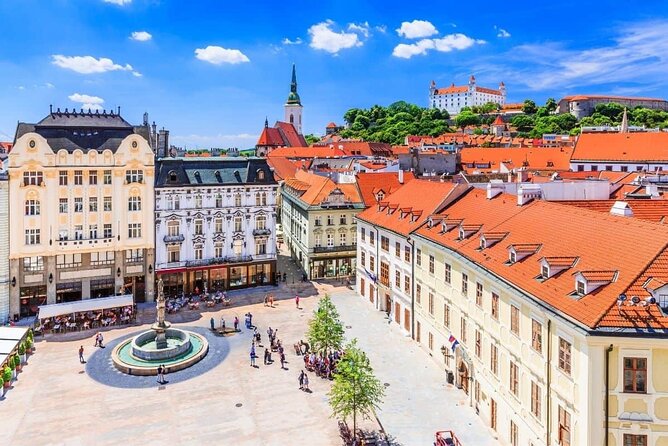
- Komani Lake and Valbona Valley hiking days: nature views plus food and overnight included
- Mostar’s Stari Most and Old Bazaar time: UNESCO landmark with Ottoman-era atmosphere nearby
- Sarajevo history walk: Latin Bridge and reminders of the Yugoslav War included in the route
- Belgrade Fortress + Kalemegdan: river confluence viewpoints and classic fortress-city views
- Budapest evenings with free time: see the big sights, then wander on your own
- Small group size (up to 10): a calmer pace than the big-bus tours
From Dubrovnik pickup to Vienna drop-off: the trip’s rhythm
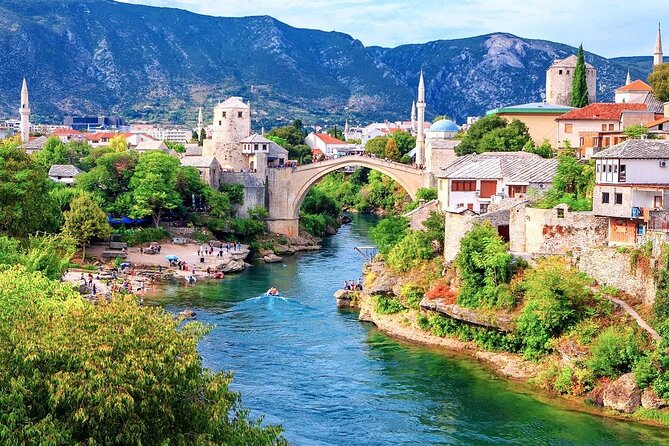
This tour runs as a true route, not a single-city weekend. You start in Dubrovnik with hotel pickup at 7:00am, then spend the next 10 days moving north and west through the Balkans and Central Europe, ending with a hotel drop-off in Vienna.
The “small group” promise matters more than it sounds. With a maximum of 10 travelers, you’re more likely to hear details without yelling over everyone and you’ll have smoother logistics at busy places. It also helps for free time: when your group isn’t huge, your guide can actually point you toward good choices instead of just waving in the general direction of the old town.
Accommodation is 3-star hotels with breakfast included (BB). That’s a good fit if you want clean, comfortable rooms and a base to explore, not a “hotel vacation” where the room is the main event. Expect to pay for your own lunches and dinners, since those aren’t included.
You can also read our reviews of more tours and experiences in Dubrovnik.

Mostar’s Stari Most and Blagaj Tekija: a fast culture switch
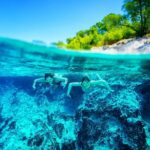
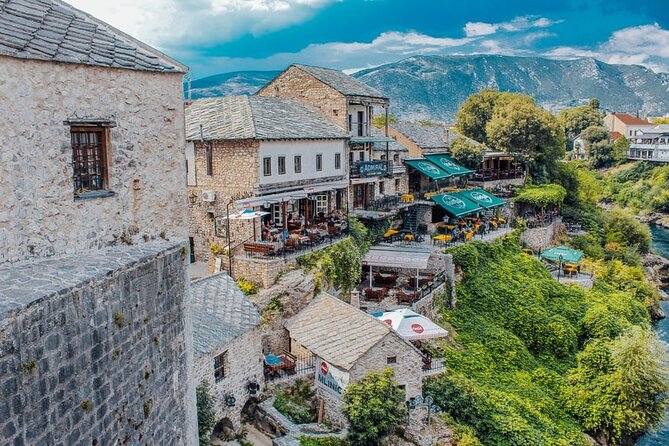
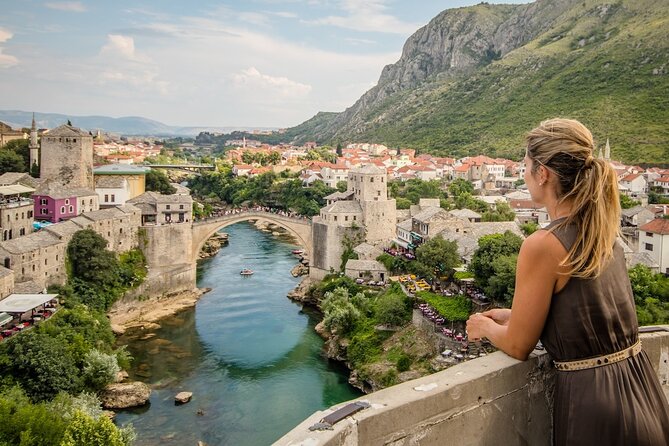
Day 1 brings you to Mostar right after crossing into Bosnia & Herzegovina. The first stop is the Old Bridge (Stari Most), the UNESCO site built in the 16th century in a traditional Islamic architectural style. If you want the quick version of Mostar’s appeal, it’s this: one landmark that anchors the whole town’s identity, plus a surrounding old-town texture you can feel in your feet.
Next comes a stroll through the Old Bazaar area, where you’ll see colorful lanes and lively street life. You also get the chance to spot the town’s “Don’t Forget” memorial elements, which quietly layer meaning onto what could otherwise feel like just sightseeing.
Then you move a bit outside the city to Blagaj tekija, a monastery at the foot of a cliff with striking blue water in front. It’s described as an Ottoman medieval settlement tied to the spring of the river Buna, and that setting is the point: you’re not just ticking off a building, you’re getting a sense of how people built religious and daily life around water and terrain. Practical note: this is a stop where good shoes pay off, because the walkways can be uneven.
Sarajevo’s Latin Bridge and war-scarred streets
Sarajevo is the kind of place where “what happened here” is visible even when you don’t look for it. The route includes walking on uneven terrain, with ruins and physical reminders of the Yugoslav War such as bullet holes and cannon marks. It’s heavy material, but it’s also history you can understand by seeing it firsthand rather than treating it like an abstract chapter in a book.
The tour is structured around Sarajevo’s layered identity: you’ll visit both Ottoman and Austria-Hungary-era parts. That means you can compare how different eras shaped the markets, bazaars, religious architecture, and street layout. It’s one of those trips where you start noticing patterns fast—what changed, what survived, and what people kept building on top of.
You also visit Latin Bridge, known for the story of how WWI was triggered there. The bridge’s name connects it to the Catholic quarter once called Latinluk, so you’re not just seeing a pretty spot. You’re learning how neighborhoods and language tied into the politics of the early 1900s.
You’ll then have free time to eat Sarajevo’s famous meat dishes and desserts at your own pace. This is one of those days where the best plan is simple: follow your nose, keep an eye on what looks local, and don’t overpack your schedule with extra stops.
Zvornik to Belgrade: the Drina riverside pause
The trip doesn’t go straight into Belgrade on Day 3. Before that, you stop in Zvornik, on the banks of the Drina River. It’s a calmer, more scenic break before the larger-city energy hits. You get free time for lunch and walking, which is exactly what you need after border travel and earlier touring days.
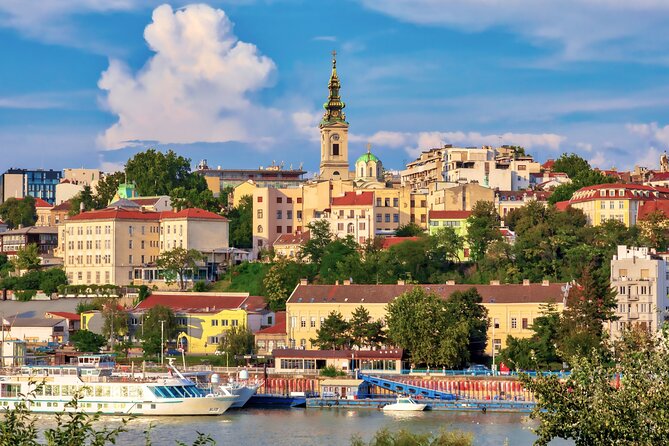
Then it’s on to Belgrade, starting with Belgrade Fortress and Kalemegdan Park. Belgrade’s fortress sits above the confluence of the Sava and Danube, so the views are a major part of the experience. Even if you’re not obsessed with fortifications, you’ll understand why armies cared about this location.
Inside the fortress area, you visit the Pobednik monument (with a history dating to 1913) and then walk through key central streets like Knez Mihailova toward Republic Square. This is a classic “get your bearings fast” city layout: park-to-fortress-to-streets in a way that makes the city feel navigable.
Sremski Karlovci wine streets and Petrovaradin’s fortress energy
Day 4 is built around Sremski Karlovci, a Serbian town tied to wine production and Baroque-era heritage. You’ll tour the area and hear about the 18th-century culture of winemaking, plus the feel of the town’s center as a “museum town” experience—every corner seems to carry a story.
One fun detail tied to the town: a legend about the Four Lions fountain in the city center. If you drink from it, the story says you’ll return and get married there. It’s the kind of local superstition that doesn’t need to be tested with a stopwatch—just know you’ll likely see the fountain and hear the lore.
After the tour, you get free time to taste wine specialties and enjoy vineyard views. This is also where you’ll want to manage expectations: this isn’t a full wine-country tour with wineries everywhere. It’s more of a cultural introduction with tastings and scenery, so you’ll leave with the vibe, then decide later if you want a deeper wine trip.
The next day goes to Novi Sad, known as the cultural capital of northern Serbia. You’ll see how the city reflects its history at the border between Ottoman and Austria-Hungarian influences, especially in the Baroque architecture. A highlight is the Petrovaradin Fortress, often called the Gibraltar on the Danube—and the nickname makes sense once you’re looking down over the river.
You’ll also walk through pedestrian streets such as Zmaj Jovina and Dunavska, then get free time to explore and enjoy Novi Sad on your own. Overnight in Novi Sad means you’re not racing across it in a day, which helps.
Subotica’s Austro-Hungarian details, then Budapest’s Danube lights
Day 6 shifts to Subotica, a city known for Austro-Hungarian-era wealth reflected in the architecture. Here’s the interesting part: the center isn’t dominated by a single cathedral or church, but by the City Hall and the big square around it. That changes the feel of the place—you’re more in a civic-life mood than a purely religious landmark loop.
You’ll visit the Cathedral of St. Teresa of Avila and the Synagogue, then have time for coffee and casual wandering. Subotica’s reputation for relaxed atmosphere and good food shows up in how this day is paced: less “grab the next ticket, next stop” and more “look around.”
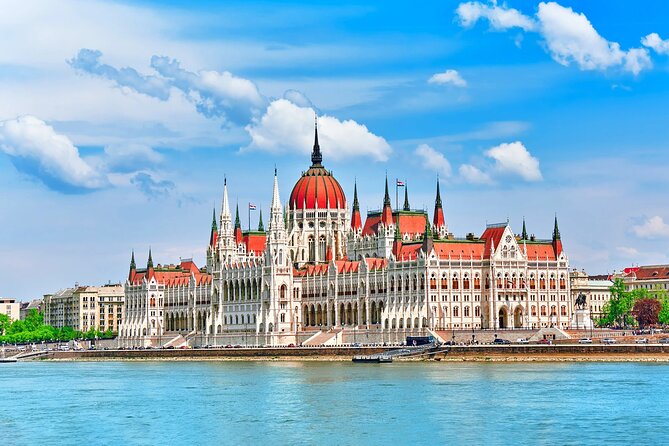
Then you cross into Budapest. On Day 7, you tour the city as the Queen of the Danube, with architecture spanning Baroque, Neoclassical, and Art Nouveau. The route includes Saint Stephen’s Basilica, the Opera, Parliament, and Heroes’ Square, plus Fisherman’s Bastion for city views.
Then comes Buda Castle, a UNESCO World Heritage symbol of Budapest. This is a part of the city where you should allow time for photos and slow looking. Your eyes will catch on details faster than your camera can keep up.
You also get a free evening to explore at your own pace and enjoy Budapest at night. That’s when the trip turns from “tour mode” into “you get to be a person in the city.”
Bratislava: medieval gates, a castle hill viewpoint, and coffee time
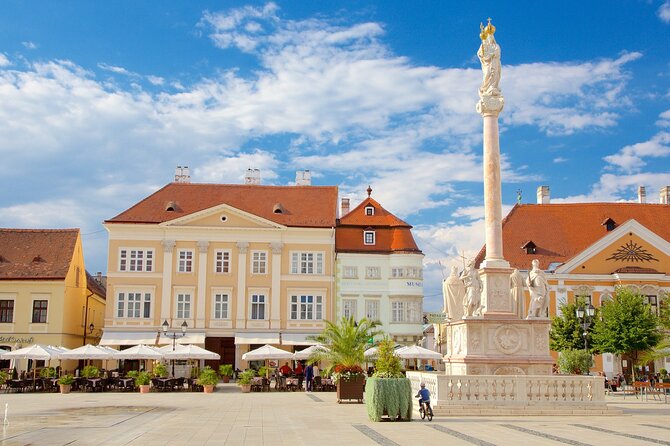
Day 8 takes you through Győr, often described as a city of rivers. You’ll see Baroque architecture and walk central streets, with a stop at Győr Town Hall and its 59-meter tower topped with a green cap. There’s also Cathedral of The Virgin Mary from the 11th century in Roman style, plus the Győr Synagogue with its large grey dome that inspired other synagogues.
You then stroll Baross Gábor Street, a pedestrian zone full of cafes and shops. One detail here that I love as a travel shortcut: the mention of blueberry beer. It’s not a must-try item, but it’s the kind of local twist that makes free time feel specific instead of random.
After that, you drive to Bratislava.
On Day 9, you get Bratislava Old Town, including the Old Town Hall and the medieval feel with churches and institutions. Then it’s Michael’s Gate, the only preserved medieval gate from the fortifications, which makes it a compact “time travel” stop.
The day ends with the hill walk to Bratislava Castle, built in the 9th century, with views over the Danube. In the afternoon, you return to the city center for café time. Bratislava is good for coffee culture, and having this as structured free time keeps the day from becoming a nonstop sprint.
Komani Lake and Valbona Valley: the two-day Albanian Alps hiking block
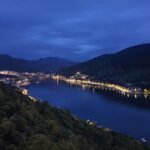
The Albanian portion is the emotional peak of the trip. Even when the rest of the route is packed with forts and bridges, this is the part that changes your pace. You spend two days hiking in and around Komani Lake and Valbona Valley with a local guide, with meals and overnight accommodations included.
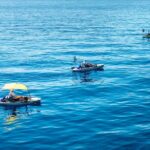
From the way this section is described, you should picture a mix of Albanian Alps views and time to actually look at what you’re walking through, not just march past it. The lake setting is a major draw, and a boat ride on Komani Lake is called out as a highlight. If you’re the type who remembers a trip by “that one view,” this is the view.
Valbona Valley is where the terrain and scenery do the talking. Reviews and tour descriptions both point to the green color around Komani Lake and the striking mountain views in Valbona Valley. That tells me the hiking days aren’t just about exercise—they’re about payoff.
One practical consideration: you’ll need to be ready for moderate physical fitness, and at the very least, pack for uneven trails. Also plan for layers. Mountain weather can shift, and you’ll enjoy the day more when you’re not battling cold or heat the whole time.
Guides, group size, and why the small details matter
The tour’s value isn’t only in where you go. It’s also in how you move through it, and that comes down to your guide.
Named guides connected to this tour experience include people like Bilbil, Mira, Sokol, Ani, and Armando. The common thread in how they’re described is simple: friendly, professional, and willing to point you toward good choices during free time. If you like having a plan but also want room to wander, that guide style matters.
Hotel pickups also reduce stress. Instead of juggling meet-up points, you’re picked up in Dubrovnik and dropped in Vienna. In a route like this, that’s a real quality-of-life upgrade.
And yes, the tour includes a mobile ticket option. It’s a small thing, but when your day is full of borders, gates, and timed visits, small friction adds up fast.
Price and comfort: is this Dubrovnik-to-Vienna route worth it?
At $3,773.83 per person, the sticker price is serious, so you should judge it by what you’re actually getting. This isn’t just a sightseeing bus trip. You get:
- small group size (max 10)
- a professional tour leader across multiple countries
- hotel stays in 3-star hotels with breakfast
- included entry tickets for the visited sites
- hotel pickup in Dubrovnik and drop-off in Vienna
- and the standout: two days of hiking in Albania with meals and overnight included
For many travelers, the two-day hiking block is the best “value engine” in the price, because it includes logistics that are usually extra: guide time, meals, and overnight. Add in that most of your major sights (bridges, castles, fortress areas) have at least some included admission, and the trip starts to look less like “pay for transportation only” and more like “pay for the whole experience package.”
Still, it’s not a luxury tour. You’re in 3-star hotels, and you’ll be paying for lunch and dinner. If you want a slower pace, bigger-city downtime, and private transfers, this may feel like too many places in too little time.
Should you book this Dubrovnik to Vienna small-group tour?
Book it if you:
- want a guided route that strings together UNESCO sights and major city history
- enjoy structure but also want free time to eat and wander on your own
- are excited by the Albanian Alps hiking days around Komani Lake and Valbona Valley
- prefer a small group over large tour buses
Skip or rethink if you:
- dislike long travel days and lots of walking, even at a moderate level
- expect meals beyond breakfast to be included throughout
- need a fully flexible schedule every day (the itinerary can shift due to external forces like weather or closures)
If you’re the type who likes traveling with a plan but still wants room to enjoy local food stops and viewpoints, this is a strong fit. The payoff is big: bridges, fortresses, castles, and then those mountain days where the scenery actually slows you down.
FAQ
What is the start time and meeting point for the tour?
The tour starts with hotel pickup in Dubrovnik at 7:00am.
How long is the tour, and where does it end?
The trip lasts about 10 days and ends with a hotel drop-off in Vienna (Austria).
What is the group size?
This experience has a maximum of 10 travelers.
What kind of fitness level do I need?
The tour requires moderate physical fitness. Some walking involves uneven terrain, and the Albania hiking days also require stamina.
Are meals included?
Breakfast is included with your hotel stays. The hiking portion includes meals and overnight accommodations, while lunch, dinner, drinks, and snacks are not included.
What kind of hotels will I stay in?
You’ll stay in 3-star hotels with breakfast included for the overnights.
Are entrance fees included?
Entry tickets for the sites that will be visited are included.
Is transportation included?
Yes. You get hotel pickup in Dubrovnik, and you’ll be transferred during the tour. The tour also includes hotel drop-off in Vienna.
Is a mobile ticket provided?
Yes, a mobile ticket is included.
Is tipping required?
Tips are not a must in the Balkans, but it’s recommended as an international practice to tip the tour leader/driver for good service.
Is this tour refundable?
No. The experience is non-refundable and cannot be changed for any reason.