REVIEW · DUBROVNIK
Walls of Dubrovnik: Small-Group 2-Hour Tour With a Local
Book on GetYourGuide →Operated by Dubrovnik Local Guides · Bookable on GetYourGuide
Dubrovnik’s walls tell stories in stone. This 2-hour small-group walk blends breathtaking views with clear, human stories about how the city defended trade and survived pressure from bigger powers. The big catch: it includes more than 700 stairs, so it is not for slow mobility days or anyone who panics at heights.
You’ll start near Fort Revelin and move along key stretches of the walls—harbor views, towers, forts, and classic angles over Old Town and the Adriatic. I like that the group stays small (up to eight), which makes it easier to ask questions and keep the pace right for the route. One more consideration: the tour price does not include the city walls entrance ticket, so budget for that add-on if you don’t have a Dubrovnik Pass.
In This Review
- Why This Wall Tour Feels Different From a Standard Sight Walk
- Key Highlights You’ll Actually Notice on the Route
- Price and Value: Is $36 a Good Deal Here?
- Meeting Point, Timing, and What 2 Hours Means in Real Life
- Starting at Harbour Viewpoint: The Harbor Story First
- Fort Revelin and the Northern Walls: Defending the Eastern Approach
- Minčeta Fortress: Best Views, Strong Engineering Details
- Stradun Photo Moment: Seeing Old Town From a Different Angle
- Western Walls and the Pile Gate: Forts Lovrijenac and Bokar
- Southern Walls: Oldest and Youngest Sections + Venice vs. Ottoman Pressure
- The Human Factor: Small Group Pace and Guides Who Keep You Thinking
- Fitness and Comfort: The Stair Reality Check
- Who Should Book This Tour (and Who Might Skip It)
- Should You Book This Walls Tour?
- FAQ
- Is the city walls entrance ticket included in the tour price?
- How much is the city walls ticket if I don’t have a Dubrovnik Pass?
- How long is the tour?
- How many people are in the group?
- What language is the tour guide?
- Where do I meet the guide?
- Does the tour include Fort Revelin and Minčeta Fortress?
- Are there stairs during the tour?
- Is this tour suitable for people with mobility impairments or wheelchair users?
- Is the tour suitable for kids?
- What if I need to cancel?
Why This Wall Tour Feels Different From a Standard Sight Walk
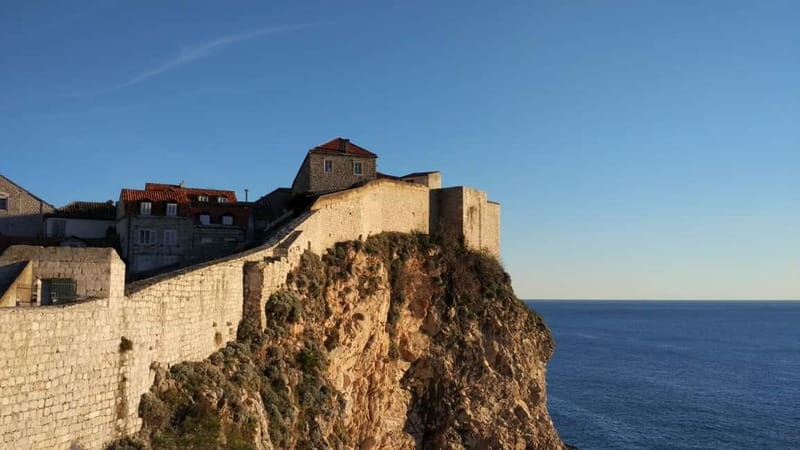
This isn’t a random “look at the view” stroll. It’s a guided wall walk that treats Dubrovnik’s defenses like a living map—what each fort protected, why certain towers mattered, and how seafaring and diplomacy shaped everyday safety for the Dubrovnik Republic.
What makes it work is focus. You’re not stuck with long lectures. The stories connect to what you’re standing on: the harbor below, the shape of the approach, and the weak spots that defenders had to solve. And with a local licensed guide (English-speaking), you get an on-the-ground voice rather than a generic script.
Key Highlights You’ll Actually Notice on the Route
- Up to eight people per guide means you get time for questions and a smoother pace on the stairs
- Fort Revelin to Minčeta gives you two of the best “why these walls matter” viewpoints
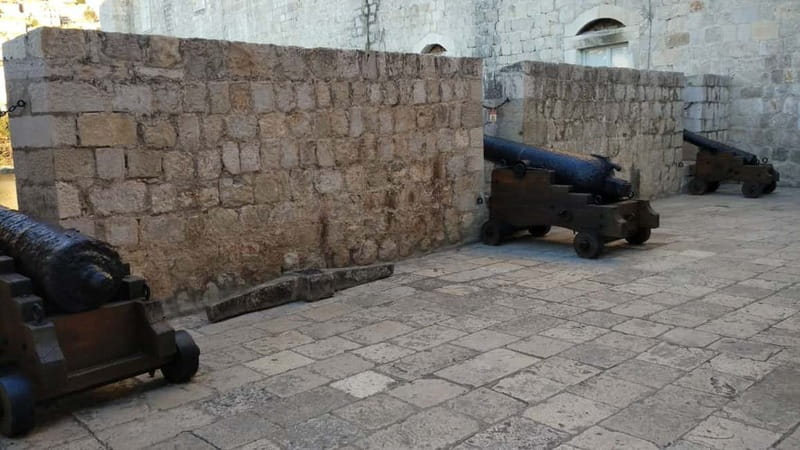
- Minčeta Fortress includes details tied to architect Michelozzi, plus the old gun foundry and cannons
- A photo moment frames Stradun from an unusual angle while you’re still learning how the city works
- You’ll hear concrete examples of siege thinking, from bows-and-arrows to siege tactics and thick defensive walls
You can also read our reviews of more tours and experiences in Dubrovnik



Price and Value: Is $36 a Good Deal Here?
At $36 per person, the tour itself is a solid value for what you’re getting: a licensed English-speaking guide, a planned route around major wall sections, and a walkthrough that’s built around military and maritime strategy—not just sightseeing.
But here’s the math you shouldn’t ignore: the city walls entrance ticket is not included. If you don’t have a Dubrovnik Pass, plan on buying the ticket at the entrance:
- 40 Euros for the single ticket (regular price)
- 20 Euros in January, February, November, and December
- 15 Euros for students with ISIC and for under-18s
If you do have a Dubrovnik Pass, you can enter the walls for free and skip the line, which can make the full experience feel like a bargain.
Also keep in mind what you’re paying for. You’re paying for guided interpretation of the walls as a defense system. If you’re the type who likes to understand why a place is built the way it is, the guide’s role is the real value.
Meeting Point, Timing, and What 2 Hours Means in Real Life
You meet in a square near the Ploče Gate, at the corner by a cannon, with your guide holding a red-and-white flag. The tour runs about 2 hours, and it follows a route with short walking segments and regular stops for explanations.
Two hours sounds short—until you realize you’ll be climbing. This is not a “shuffle along” kind of tour. You should expect a steady pace with stops for viewpoints and key forts, and you’ll cover major stretches of the walls rather than just one section. If you want a gentle day, pair this with a slower afternoon afterward. If you’re in decent shape and okay with stairs, you’ll feel like you used your time well.
Starting at Harbour Viewpoint: The Harbor Story First
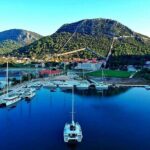
The best way to understand Dubrovnik’s walls is to start with the harbor. Your first viewpoint is the Harbour Viewpoint area, where your guide sets the stage with why this city leaned so hard on maritime trade and seafaring.
This is where the tour gets practical. The harbor wasn’t just a pretty postcard. It was the economic engine of the Dubrovnik Republic, so defending it meant defending the city’s lifeline. From up high, you can actually picture what attackers would target and why the walls mattered beyond aesthetics.
Then you’ll begin ascending the walls and walking along the northern stretch. This is a great start for photos too, especially if you like wide views showing the relationship between harbor, ships, and Old Town.
Fort Revelin and the Northern Walls: Defending the Eastern Approach
One of the first big stops is Fort Revelin, which guarded the eastern approach to the Old Town for centuries. Standing near this fort helps you grasp how defense worked like layered protection, not one single wall.
Your guide talks through medieval warfare ideas—everything from bows and arrows to siege tactics using stone boulders. The point isn’t to memorize weapons. It’s to understand how defenders tried to control distance, deny access, and slow down any attempt to force entry.
You’ll also hear the tour’s thread about strategy versus brute force. At a tower stop, the story connects Dubrovnik’s relationship with the Ottoman Empire, including how diplomacy often had to work alongside military readiness. That makes the defense story feel less like fantasy and more like real political survival.
Practical note: this part of the route starts the climb. If you tend to get breathless, plan to take the stops as offered rather than trying to power through everything in one go.






Minčeta Fortress: Best Views, Strong Engineering Details
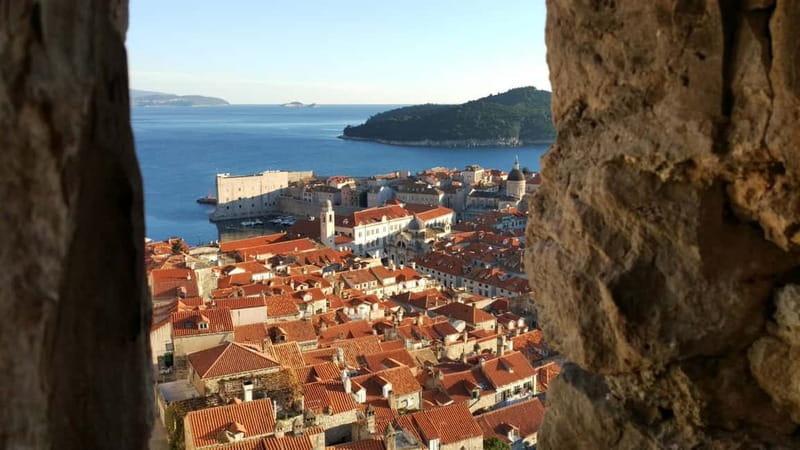
At Minčeta Fortress, you’ll get a big highlight: some of the most iconic wall-top views in Dubrovnik. If the lighting is right when you go, this is the moment you’ll understand why people photograph the city from the walls.
Your guide also brings in specific architectural context tied to Italian architect Michelozzi. You’ll learn about the old gun foundry and the array of cannons used to defend the fortress. This part helps you connect the “story” to the physical design: where forces would have stood, where equipment and defense roles would have been positioned.
This stop is a favorite because it combines a strong viewpoint with concrete details. You get to look out first, then learn what you’re actually looking at in defensive terms.
Stradun Photo Moment: Seeing Old Town From a Different Angle
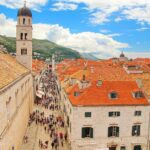
Midway through the walk, you’ll reach a photo opportunity that frames Stradun—Dubrovnik’s main street—from above and at an unusual vantage point.
This is more than a camera break. It’s a useful moment for orientation. From the wall-top perspective, you can understand how the city’s layout and the walls relate to daily life. You’ll start to see the walls not just as a boundary, but as part of how the city operated.
If you’re choosing which photos to take, take the ones here. The angle tends to make Stradun look distinct from the street-level views you’ll likely see later.
Western Walls and the Pile Gate: Forts Lovrijenac and Bokar
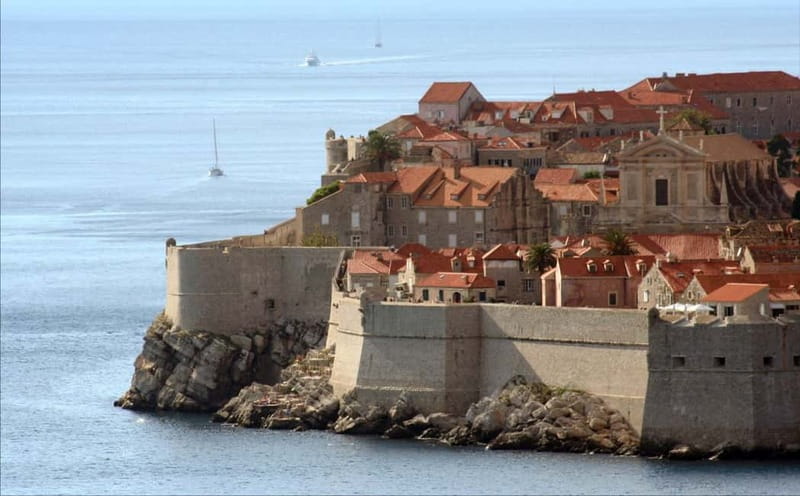
As the route continues along the western stretch, your guide brings in the forts that protected the Pile Gate area. Two names you’ll hear more than once: Forts Lovrijenac and Bokar.
This part of the tour gets to a specific kind of engineering logic. You’ll learn an impressive fact: some sections of Lovrijenac’s walls reach 12 meters thick. That detail matters because it shows the walls weren’t made to look impressive. They were built to resist.
If you like military stories with real constraints—how heavy walls, careful placement, and defensive positions reduce the chance of a successful siege—this is where the tour pays off.
Southern Walls: Oldest and Youngest Sections + Venice vs. Ottoman Pressure
On the southern stretch, you’ll hear about both the oldest and youngest wall sections. That time span helps you understand that Dubrovnik’s defenses weren’t one-and-done. They evolved as political and military threats changed.
The tour also highlights Dubrovnik’s historical ties with Venice and the long rivalry between maritime powers. And it folds the Ottoman relationship into the same theme: the city’s survival wasn’t just about fighting. It was about choosing when to negotiate, when to strengthen defenses, and how to keep trade flowing while external pressures pushed back.
This is the part where the guide’s storytelling can turn the walls from static stone into a timeline you can walk through.
The Human Factor: Small Group Pace and Guides Who Keep You Thinking
The experience is built around a small group size—up to eight participants per guide. That matters. It’s easier to move as a unit on uneven stone paths and stairways, and it’s easier to hear explanations without feeling like you’re shouting over a crowd.
The guide quality also comes through strongly. In particular, Marko is highlighted for an engaging, witty style that keeps people interested for the full two hours. One of the best signs of a strong guide is simple: the ability to keep a 10-year-old engaged while still delivering real information. That same energy—plus a local perspective—makes the tour feel like you’re learning from someone who has lived around these walls, not just read about them.
Also, your guide may keep you active with quick questions along the way, which helps the history stick instead of sliding off after the first viewpoint.
Fitness and Comfort: The Stair Reality Check
Let’s talk honestly: this tour has more than 700 stairs. There’s no elevator or escalator, and it requires a moderate fitness level.
It’s not suitable for:
- people with mobility impairments or wheelchair users
- people afraid of heights
- anyone with low fitness levels
- children under 12
If you’re traveling with a friend who struggles on stairs, this is one you should skip or swap for a flatter option around Old Town.
If you’re okay with stairs, bring practical habits:
- wear shoes with good grip
- take breaks at the planned stops rather than pushing past discomfort
- carry water if you need it, because walking high and open can feel warm fast
Who Should Book This Tour (and Who Might Skip It)
You should book if you want:
- a guided explanation of Dubrovnik’s walls as a defense system
- strong views plus stories that explain why the city was built the way it was
- a small group with time for questions
- a military and maritime angle, including diplomacy and strategic thinking
You might skip it if you:
- can’t handle steep steps and exposed areas
- want a low-effort walking day
- need an accessible route for mobility needs (this one doesn’t offer an elevator option)
Should You Book This Walls Tour?
If you’re in Dubrovnik and you want to understand what you’re seeing, this is one of the most efficient choices. The combination of wall-top views, specific fort stops like Fort Revelin and Minčeta Fortress, and the concrete military and political explanations makes the two hours feel focused rather than rushed.
I’d book it when:
- you’re physically able to manage stairs
- you want a guide to translate stonework into strategy
- you can handle the extra wall entrance cost (or you have a Dubrovnik Pass)
I’d hesitate if:
- you’re sensitive to heights or dealing with mobility limits
- you’re trying to keep the day very easy and flat
If you match the fitness profile, you’ll leave with a different mental picture of Dubrovnik—one where the walls feel like a system built to protect trade, control access, and keep a small city-state alive.
FAQ
Is the city walls entrance ticket included in the tour price?
No. The tour does not include the city walls entrance ticket. You can buy it at the entrance, or use a Dubrovnik Pass to enter for free and skip the line.
How much is the city walls ticket if I don’t have a Dubrovnik Pass?
The single ticket is 40 Euros. In January, February, November, and December the ticket costs 20 Euros. Students with a valid ISIC card and under-18s pay 15 Euros.
How long is the tour?
The tour lasts about 2 hours.
How many people are in the group?
It is a small-group tour limited to up to eight participants per guide.
What language is the tour guide?
The guide provides an English-language tour.
Where do I meet the guide?
Meet in the corner of the square by the cannon, with your guide holding a red-and-white flag.
Does the tour include Fort Revelin and Minčeta Fortress?
Yes. The route includes Fort Revelin and a stop at Minčeta Fortress.
Are there stairs during the tour?
Yes. There are more than 700 stairs, and there is no elevator or escalator.
Is this tour suitable for people with mobility impairments or wheelchair users?
No. The tour is not suitable for people with mobility impairments or wheelchair users.
Is the tour suitable for kids?
It is not suitable for children under 12 years old.
What if I need to cancel?
Free cancellation is available up to 24 hours in advance for a full refund.