REVIEW · DUBROVNIK
Walls Of Dubrovnik: Small-Group Walking Tour With A Local
Book on Viator →Operated by Dubrovnik Local Guides · Bookable on Viator
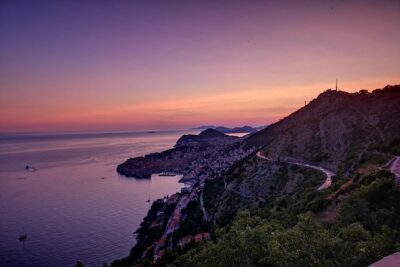
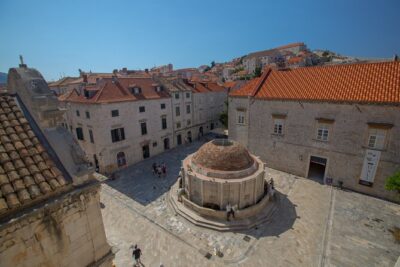
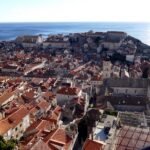
Dubrovnik’s walls reward you fast. This small-group walking tour takes you along the city walls and up into key fort spots, with a guide who tells you what you’re actually seeing. You’ll get rooftop views over the Old Town and the harbor, plus story-driven stops that make the defenses feel real.
I especially like the small-group setup (capped at eight), which keeps the pace human and the questions welcome. I also love the way the route mixes the big wall walk with climbs like Minčeta for panoramic viewpoints, plus quick fortress moments such as Revelin, Bokar, St. John’s, and Lovrijenac. Guides like Marko, Marco, Bruno, and Lucija bring that local, lived-in detail.
One consideration: the tour price covers the guide, but entrance tickets are extra. And it’s a stair-heavy outing along about 1.2 miles of walls, so if heights or endurance are a concern, you’ll want to think carefully (even though there’s been flexibility for mobility needs).
In This Review
- Key things I’d plan for
- Why Dubrovnik’s Walls look better with a guide
- The small-group size (8 max) and what it changes
- Price that makes sense: guide cost plus the wall ticket
- Your 2 hours on the wall: what you’ll actually do
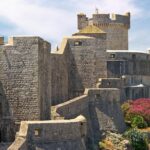
- Stop 1: City Walls (the main walk + the big views)
- Stop 2: Revelin Fortress (a quick climb with a defensive purpose)
- Stop 3: Minčeta Tower (the highest point for Old Town views)
- Stop 4: Fort Bokar (brief but distinctive architecture)
- Stop 5: St. John’s Fortress (harbor views + quarantine context)
- Stop 6: Lovrijenac Fortress (thick walls + Latin details)
- What makes the fort stops feel worth it
- Pacing, photos, and comfort on a stair-heavy route
- How to pair this with the rest of your Dubrovnik day
- Weather reality: when rain helps and when it cancels
- Who should book this tour
- Should you book the Walls Of Dubrovnik tour?
- FAQ
- What is the duration of the Walls of Dubrovnik small-group tour?
- Is the entrance fee included in the tour price?
- How many people are in the group?
- What language is the tour offered in?
- Is the tour physically demanding?
- Where does the tour start and end?
- What if the weather is bad?
- Do I need separate tickets for Lovrijenac Fortress?
Key things I’d plan for
- Max 8 people keeps the experience from feeling like a conveyor belt.
- Stairs along the walls make this less suitable for limited mobility or strong fear of heights.
- City walls entrance is not included (€40 per person), so budget for the total.
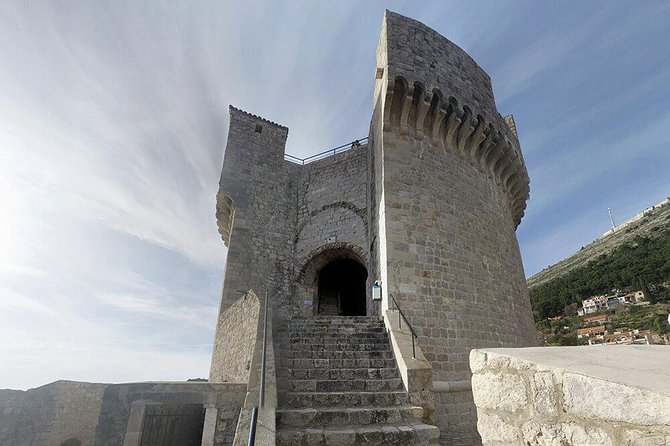
- Fortress viewpoints are real highlights: Revelin Fortress and Minčeta Tower bring the best angles.
- Lovrijenac gets special mention and you may use your city walls ticket for that fort visit on your own.
- Licensed English-speaking local guides (like Marko, Marco, Bruno, and Lucija) add context as you walk.
Why Dubrovnik’s Walls look better with a guide
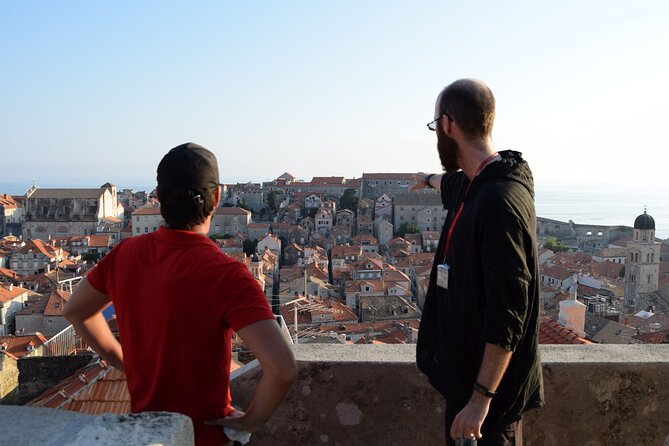
Seeing Dubrovnik’s walls from street level is one thing. Walking them is another. From the top, you understand the city as a system—where people could watch, move, and defend, and how the fortifications link together.
A guide turns the wall path into something you can read. Instead of just photo points, you learn what each stretch of stone was built to do and why certain towers were so important. That matters because the walls can feel repetitive if you’re only guessing.
This tour also helps you orient quickly. The route is built around major wall zones and fort stops, so by the time you’re done, you’ll know where you are inside the Old Town maze. That’s useful later when you’re wandering on your own.
You can also read our reviews of more walking tours in Dubrovnik
The small-group size (8 max) and what it changes
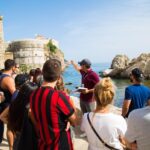
A capped group is not a luxury here—it affects the whole feel of the walk. When there are fewer people, you get more breathing room for stops, photos, and questions. It also means the guide can adjust the pacing to the group.
That small size showed up in real ways too. One group had to work around major mobility limits, and the guide team offered an alternative approach that avoided the most demanding climbing while still delivering history and views. If you’re the kind of traveler who worries about being stuck in a long line, this format reduces that risk.
It’s also why early starts often feel better. With fewer people on the wall, you’re more likely to enjoy the views without feeling rushed.
Price that makes sense: guide cost plus the wall ticket
The tour guide cost is $43.08 per person, and entrance to the walls is not included. The city walls ticket is listed at €40 per person. That means your practical total is guide fee plus the €40 entry.
Is that still good value? In Dubrovnik, yes—if you want more than a self-guided stroll. You’re paying for:
- a licensed English-speaking guide,
- a structured route around key fort areas,
- and commentary that explains what you’re seeing.
You should also watch what your ticket covers. You’ll be reminded to keep the city walls tickets because they’re also good for a visit to Lovrijenac on your own afterward. That’s a smart way to get extra value without paying twice for the same fort area later.
Your 2 hours on the wall: what you’ll actually do
The walk is set up as a loop: City Walls first, then a series of fortress and tower stops. Expect roughly 2 hours to 2 hours 20 minutes, depending on pacing and timing between viewpoints.
The big core is the wall walk itself—about 1.2 miles with lots of stairs. It’s not just steps; it’s also the up-and-down feel of moving between towers, casemated areas, and viewpoints. If you’re comfortable climbing, you’ll likely enjoy the rhythm. If you’re not, you’ll feel it.
Here’s how the tour “lands” at each stop:
Stop 1: City Walls (the main walk + the big views)
This is the heart of the experience: walking on top and around the walls with lots of historical anecdotes along the way. Two hours packed into viewpoints sounds intense, but the guide breaks it up with story cues and practical orientation—where to look, what you’re seeing, and why it matters.
The wall walk is also where you get the strongest sense of height and scale. That’s why people who love dramatic viewpoints tend to rate this so highly.
The drawback is simple: this is the segment that most strongly tests stamina. Plan your footwear like you’re walking city-stair all day.


Stop 2: Revelin Fortress (a quick climb with a defensive purpose)
After you’re already “in wall mode,” you climb up to Revelin Fortress. The guide explains how it was constructed and what role it played in hard times. This stop is short—think minutes, not an all-day museum visit—but it adds meaning to the wall walk.
This is one of those places where you can see the logic of defense. Even if you’re not a history person, you’ll likely understand why this spot exists once the guide connects it to the surrounding walls.
Stop 3: Minčeta Tower (the highest point for Old Town views)
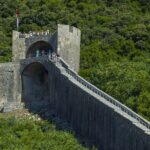
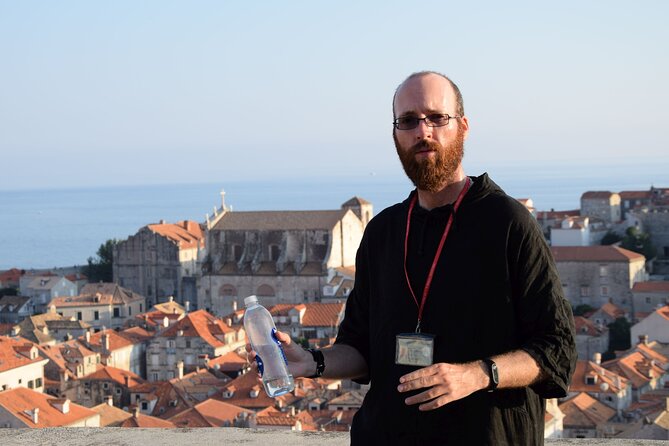
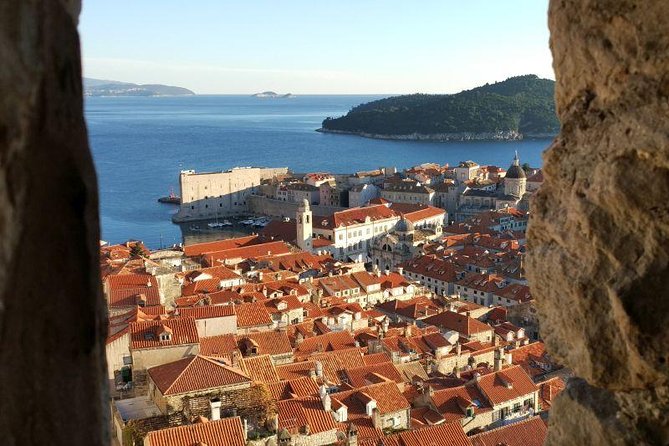
Minčeta is the highest point on the walls on this route, and you’ll go up to Minčeta Tower for major Old Town views. The time on the tower is listed at about 10 minutes, but it usually feels longer because you’re pausing for photos and looking out over the rooftops.
This is also a good stop for understanding how Dubrovnik used height. Once you see the sweep of the Old Town from above, the walls stop being a border and start feeling like a watch system.
If you have a fear of heights, this is the stop to think about most carefully.
Stop 4: Fort Bokar (brief but distinctive architecture)
Next is Fort Bokar, described as one of the first casemated forts in Europe, built by Florentine architect Michelozzi. Even with a short visit, this is a useful stop because it adds architectural detail you won’t pick up from casual walking.
Casemates can sound abstract, but on the wall, the shape and design become easier to picture. It’s a quick dose of “how the defense was built,” not just “what it looks like.”
Stop 5: St. John’s Fortress (harbor views + quarantine context)
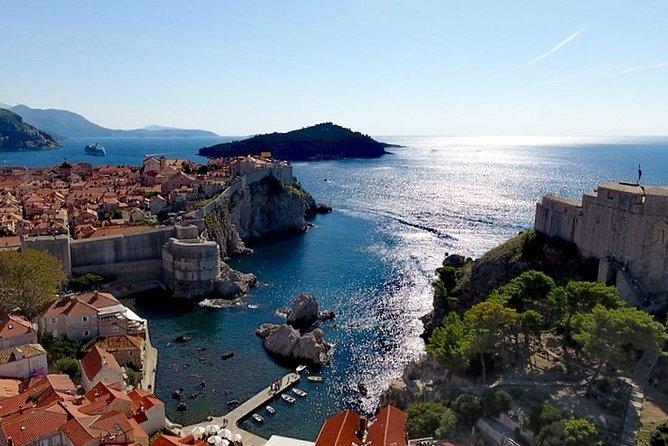
From there you reach St. John’s Fortress, with views toward the old harbor and references to Lokrum Island and old quarantine. This is one of the stops that helps you understand Dubrovnik as a trading and arrival city, not only a fortified capital.
Even though the stop is brief, the payoff is good: you get to connect the harbor geography to the city’s security logic.
Stop 6: Lovrijenac Fortress (thick walls + Latin details)
Finally, you reach Lovrijenac Fortress, described as the strongest and most impressive. The guide shares intriguing points, including details about wall thickness and some Latin words connected with the fort.
There’s also a practical tip here: keep your city walls tickets, since they’re good for visiting this fort on your own later. That’s valuable if you want extra time at Lovrijenac after the guided portion ends.
What makes the fort stops feel worth it
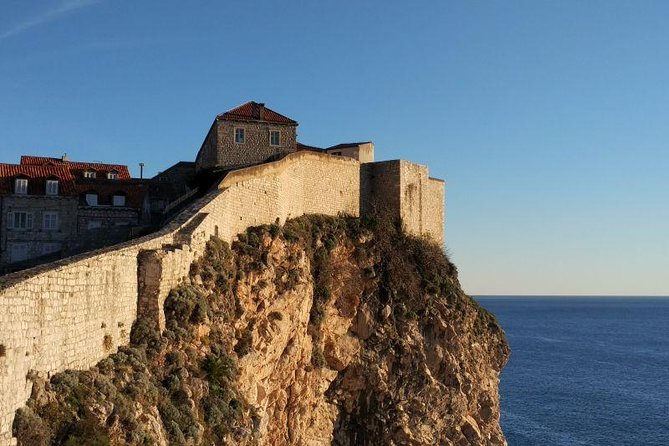
A lot of wall tours hit the same pattern: walk, look, take a photo, repeat. This one adds contrast. You’re not only moving along the top line; you’re also popping up into tower and fortress spaces that change how the view looks.
That change matters because Dubrovnik’s defenses aren’t just one flat wall. They are layers:
- towers for height and observation,
- fortresses for protection and control,
- and harbor-side points that relate to arrivals.
The guide’s job is to connect those layers. In practice, you’ll notice the difference when you’re looking outward and suddenly know what you’re seeing and why a particular location was chosen.
Pacing, photos, and comfort on a stair-heavy route
This tour includes lots of stairs along the 1.2-mile wall stretch, and it’s recommended for travelers with moderate physical fitness. That means it’s doable for many people who can walk uphill, but it’s not the type of activity to “power through” without planning.
If you tend to get winded on stairs, slow yourself early. You’re climbing multiple times. The tour also includes different elevations, so your breathing and balance both matter.
Photo-wise, plan on stopping at the tower and viewpoint moments. That’s when the tour’s structure pays off: Minčeta and the major wall sections give you angles that are hard to recreate from the streets.
One small practical note from real-world experience: if you buy refreshments at the first selling point, prices can feel high, and you may find cheaper options at the next spot. Bring water if you like, and don’t assume you’re locked into the first price you see.
How to pair this with the rest of your Dubrovnik day
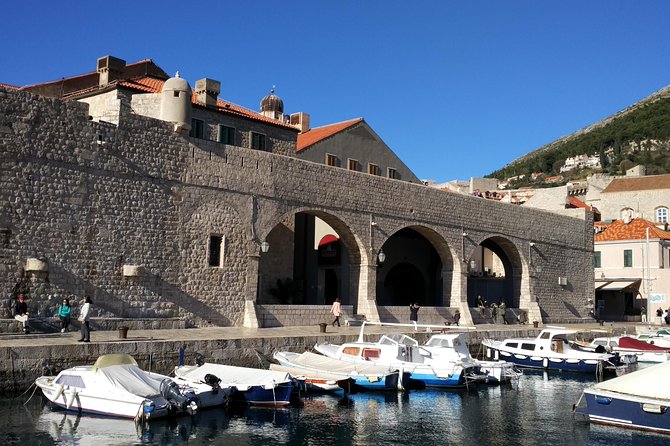
The tour ends near the entrance to the walls on St. Dominic Street (Ulica Svetog Dominika). From there, you’re in the Old Town area, which makes it a great way to start your sightseeing.
A smart plan: do this early in your trip so you can use it as a map in your head. After walking the wall line with explanations, the later wandering feels less random. You’ll recognize where you already stood above the streets.
You’ll also understand which fort areas you might want to revisit on your own. Since Lovrijenac can be revisited using your city walls ticket, you can decide afterward if you want extra time there without paying an extra admission.
Weather reality: when rain helps and when it cancels
This experience requires good weather. If poor weather hits, you’re offered a different date or a full refund. In Dubrovnik, the winds and rain can make stone stairs slippery, so it’s fair that the operator treats weather seriously.
That said, one memorable moment was a rainy day where the walls were very quiet and the guide had the group to themselves. Even with rain, the tour can still deliver the core experience—views, stories, and an easier time getting around—if conditions are manageable.
If you’re booking around a forecast, pick a day you can be flexible with. Dubrovnik weather can change fast.
Who should book this tour
Book it if you:
- want a structured way to understand Dubrovnik’s defenses,
- like views that come from real height (not just street-level angles),
- and enjoy history that’s tied to what you’re seeing right now.
You should think twice if you:
- have a strong fear of heights or struggle on stairs,
- or have limited mobility and can’t take a long stair-heavy walk.
And one reassuring point: guides can show flexibility. If someone in the group has to adjust mobility, the guide may offer an alternate route that reduces the most demanding climbing while still keeping the tour meaningful.
Should you book the Walls Of Dubrovnik tour?
If your goal is to see Dubrovnik from above and understand why the walls are where they are, this is a solid first pick. The small group matters, and the mix of City Walls plus fortress climbs gives you more than a generic wall stroll.
Just budget the total cost: you’ll pay the $43.08 guide fee plus the €40 city walls ticket. And be honest about your comfort level with stairs and heights. If you’re good with uphill walking, you’ll likely feel like you got more value per minute than many other sightseeing options.
If you want, tell me your travel dates and whether anyone in your group has stair or height limits, and I’ll suggest the best way to fit this into your day plan.
FAQ
What is the duration of the Walls of Dubrovnik small-group tour?
The tour lasts about 2 hours to 2 hours 20 minutes.
Is the entrance fee included in the tour price?
No. Entrance to the City Walls costs €40 per person and is not included.
How many people are in the group?
The group is capped at a maximum of eight travelers.
What language is the tour offered in?
The tour is offered in English.
Is the tour physically demanding?
Yes. It includes lots of stairs along the 1.2-mile long city walls and is recommended for moderate physical fitness.
Where does the tour start and end?
It starts at Harbour Viewpoint, Ul. Svetog Dominika bb, Dubrovnik. It ends at the entrance to the walls on St. Dominic Street, Ulica Svetog Dominika.
What if the weather is bad?
The experience requires good weather. If it’s canceled due to poor weather, you’ll be offered a different date or a full refund.
Do I need separate tickets for Lovrijenac Fortress?
You should keep your City Walls tickets, since they are also good for visiting Lovrijenac Fortress on your own.