REVIEW · DUBROVNIK
Dubrovnik Fun Facts and History: 1 or 2hr Tour with Antonio
Book on GetYourGuide →Operated by Antonio: Republic of Dubrovnik TourGuide · Bookable on GetYourGuide
Dubrovnik’s tiny republic played big politics. In this 1–2 hour walking tour with Antonio, you get independence stories that turn old stones into real cause-and-effect, plus street-level anecdotes you won’t find in most guidebooks. It’s history with pace, not a lecture.
My favorite part is how Antonio mixes big forces with human details, especially around the Republic’s diplomacy and the way the city rebuilt itself after 1667. One consideration: it’s a walking tour on uneven historic streets, so it’s not suitable for wheelchairs or mobility limits.
In This Review
- Key Highlights Worth Your Time
- Where Dubrovnik’s History Becomes Personal
- Start at Revelin Fortress: Views First, Then Context
- Tiny Republic vs. Big Empires: The Independence Game
- What the Republic Did First: Governance, Math, Astronomy, and More
- The 1667 Earthquake: When Buildings—and Power—Changed
- Coffee Break Inside the Walls: A Pause That Feels Local
- How the Tour Actually Feels: Pace, Questions, and Group Style
- Price and Value: Why $28 Can Make Sense
- Who This Tour Suits Best
- Should You Book Antonio’s Republic of Dubrovnik Tour?
- FAQ
- How long is the tour?
- Where does the tour start?
- Is there a coffee stop?
- How much does it cost?
- What languages are available?
- Is the tour suitable for wheelchair users or mobility impairments?
- What should I bring, and are there any rules?
Key Highlights Worth Your Time
- 450-year independence through diplomacy and trade: why Dubrovnik stayed independent while bigger powers circled.
- Why the Republic was ahead of its time: smart practices tied to governance, maritime work, math, astronomy, and diplomacy.
- 1667 earthquake, rebuilding, and power shifts: how disaster changed both buildings and control.
- Coffee break inside the walls with a local couple: a real pause, not a tourist trap.
- Antonio’s storytelling voice: geopolitical context for the Balkans, plus fun facts for now and then.
Where Dubrovnik’s History Becomes Personal
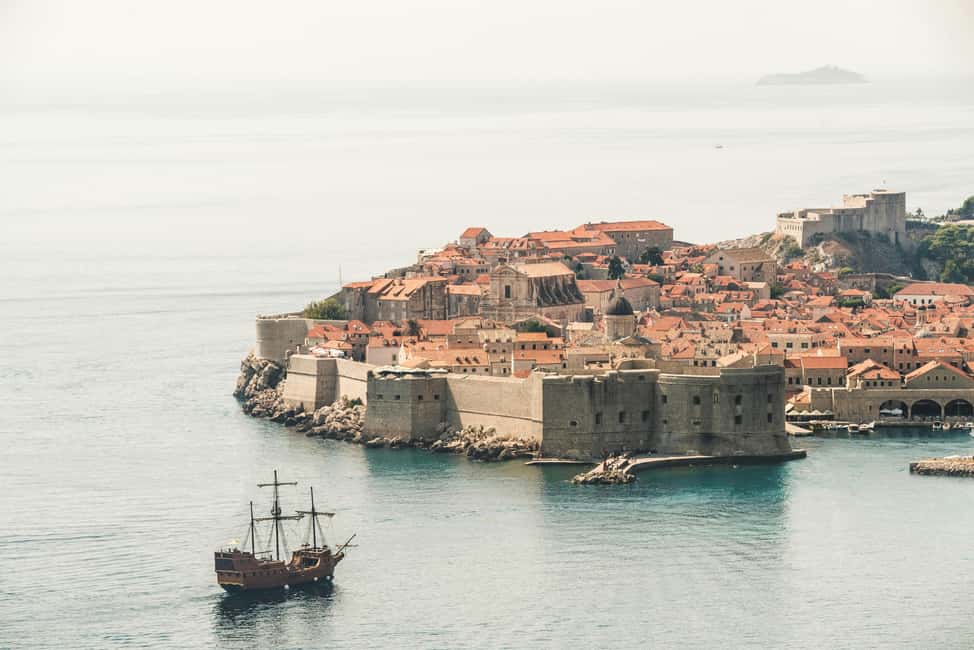
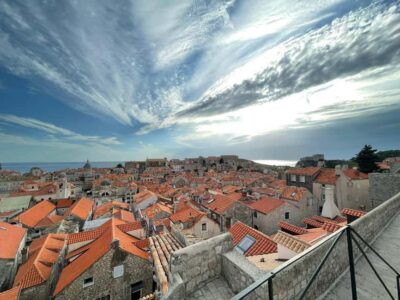
Dubrovnik can look like a perfectly preserved postcard. Antonio’s tour helps you see the machinery behind that postcard. You start by understanding the Republic as a small political actor with limited military muscle, so it had to rely on strategy—especially diplomacy and trade—to keep its independence for almost half a millennium.
I like that the tour treats history as something you can reason through. You don’t just get dates. You get the questions that people in Dubrovnik had to answer: How do you survive when empires want a slice? How do you keep autonomy when the world keeps moving? That’s the thread Antonio follows through the streets.
And because it’s a local resident guiding you, the city feels less like a museum and more like a living place. Antonio also welcomes questions about today, so you can connect the old Republic to what Dubrovnik feels like now—without turning it into a debate club.
You can also read our reviews of more historical tours in Dubrovnik
Start at Revelin Fortress: Views First, Then Context
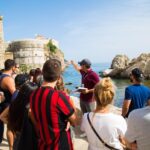
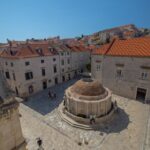
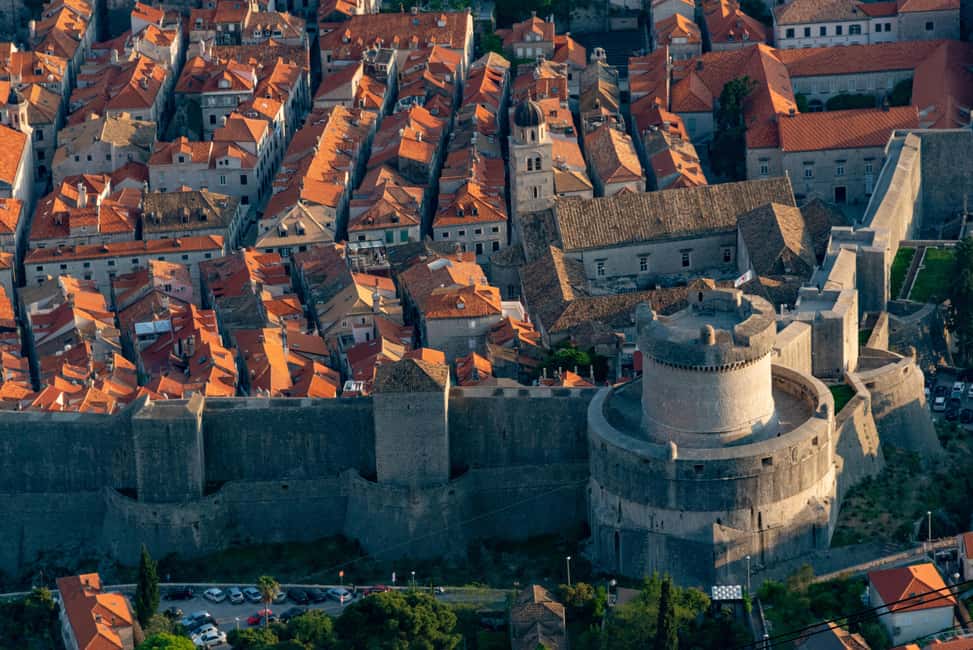
The walk begins in the shade of a small square right next to Revelin Fortress. From there, you get a view out toward the Old Harbour. That opening moment matters. It sets your bearings fast, and it reminds you that Dubrovnik’s story isn’t only about walls and kings—it’s also about ships, routes, and money moving through the Adriatic.
After the meeting point, you head into historic streets where the Republic’s story starts making sense in your feet. This is not a stop-and-read-only tour. You’ll move through the Old Town at a pace that lets you look up, ask questions, and connect landmarks to the bigger political picture.
A small practical note: comfortable shoes are a must. Dubrovnik’s Old Town is beautiful, but it’s still walking-first terrain. If your feet handle uneven stone well, you’ll be fine.
Tiny Republic vs. Big Empires: The Independence Game
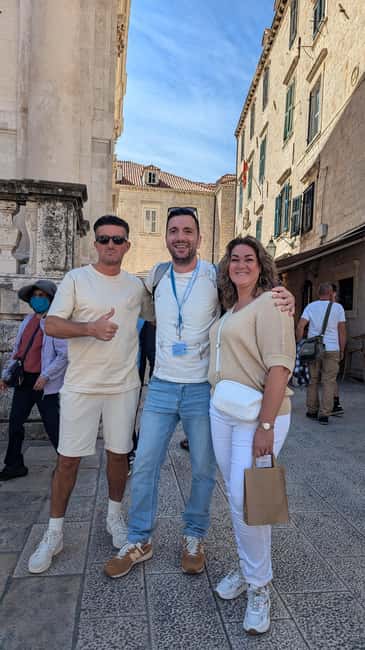
This tour is built around one central idea: Dubrovnik survived because it was smart. Not because it was big. Not because it had an unbeatable army. Antonio frames the Republic as a political operator that played carefully between larger colonial powers, using diplomacy and trade as its main tools.
You’ll hear how a small city-state could maintain independence for roughly 450 years, and how that wasn’t luck. The stories focus on decisions: who to negotiate with, what to offer, and when to stay flexible. You’ll also get a sense of how the Balkans’ shifting politics affected Dubrovnik’s choices—without drowning you in a textbook.
I appreciate that Antonio doesn’t act like Dubrovnik was perfect. It was ambitious and strategic, but it also had to respond to real threats and real pressures. That makes the Republic feel believable, not mythologized.
If you like history that explains the why behind the what, this section is the heart of the value. The streets become an argument.
What the Republic Did First: Governance, Math, Astronomy, and More
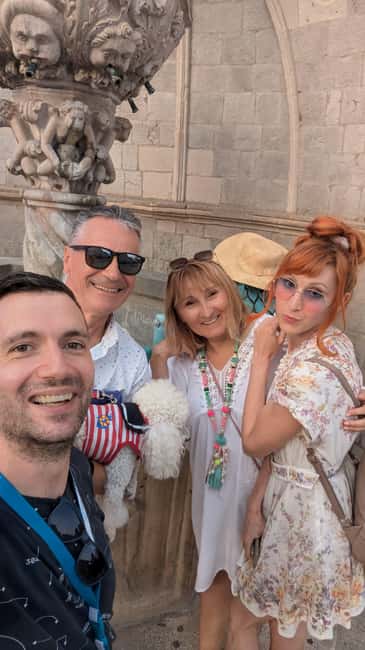
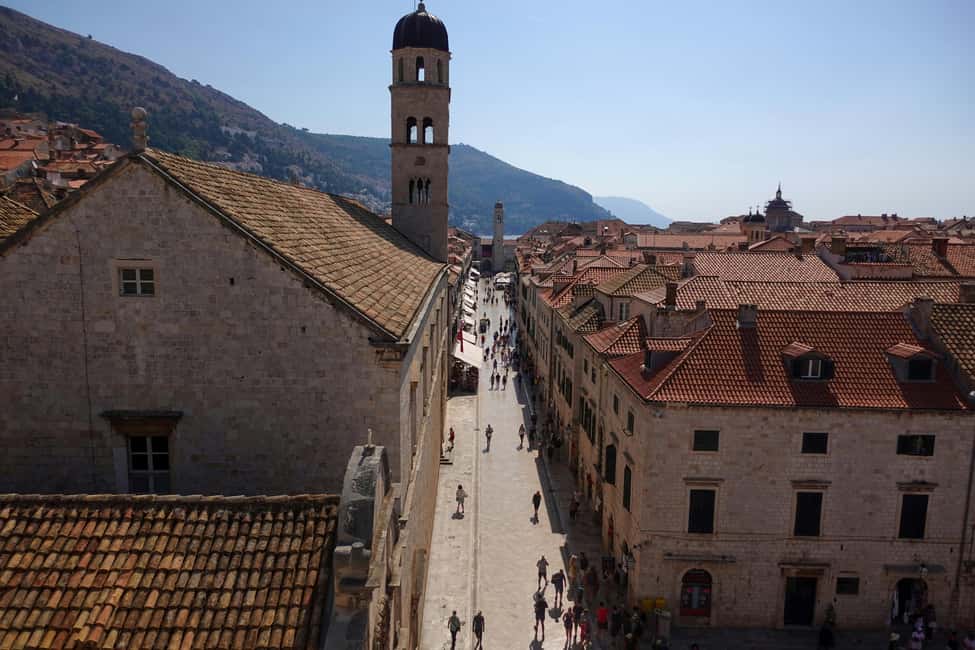
One of Antonio’s themes is that the Republic of Dubrovnik, and the people within it, were not only practical builders and traders. They were known for being early in areas that go beyond politics: governance, maritime practices, mathematics, astronomy, diplomacy, and other skills that supported life at sea.
You don’t need to be a math person to enjoy this. Antonio links these topics back to the practical needs of a trading republic. Maritime work requires measurement and planning. Governance requires systems. Astronomy and math show up because navigation and calendars matter when you’re running routes and managing risk.
This is where the tour can surprise you—in a good way. You’ll realize that Dubrovnik wasn’t only surviving from one crisis to the next. It was also setting methods and standards that shaped how people handled the world around them.
For me, this part is a reminder that cities don’t only make history by fighting. Sometimes they make history by organizing.
The 1667 Earthquake: When Buildings—and Power—Changed
No Dubrovnik story feels complete without the earthquake of 1667. Antonio uses it as a turning point that reshaped the city physically and politically. You’ll revisit what the earthquake meant for everyday life and how rebuilding affected the Republic’s structure and division of power.
This is not just architectural sightseeing. The tour connects the reconstruction to governance decisions. When a disaster hits, who makes choices first? Who controls resources? How do priorities shift? Antonio uses the earthquake to show how the Republic adapted, and how the city’s identity took a visible new form after the damage.
If you’re the kind of traveler who stares at old walls and wonders what happened underneath them, you’ll enjoy this portion. It gives the stones a timeline. And it helps you understand why certain parts of Dubrovnik look the way they do today.


Coffee Break Inside the Walls: A Pause That Feels Local
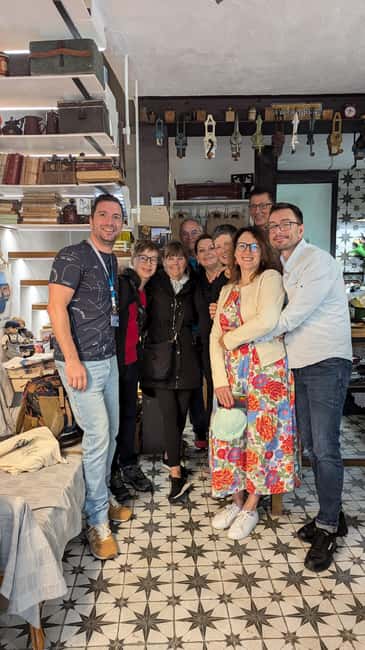
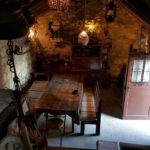
Around the 1-hour mark, you’ll take a short coffee break during the 2-hour version of the tour. Antonio plans it at a truly tucked-in spot inside the walls: a charming small shop owned by a local couple.
This break is valuable for two reasons. First, it gives you a mental reset. Second, it’s part of the experience, not a random detour. You’re not just refueling—you’re stepping into a place that feels like Dubrovnik’s daily life, even inside the tourist-packed environment.
You’ll have a chance to chat with Antonio during the pause too. The conversation usually turns practical—how Dubrovnik works now, what locals pay attention to, and which old stories still shape the city’s identity.
If you’re doing Dubrovnik in a tight schedule, this small timing detail helps. Two hours is long enough to cover big themes, but short enough that you won’t feel wrecked afterward.
How the Tour Actually Feels: Pace, Questions, and Group Style
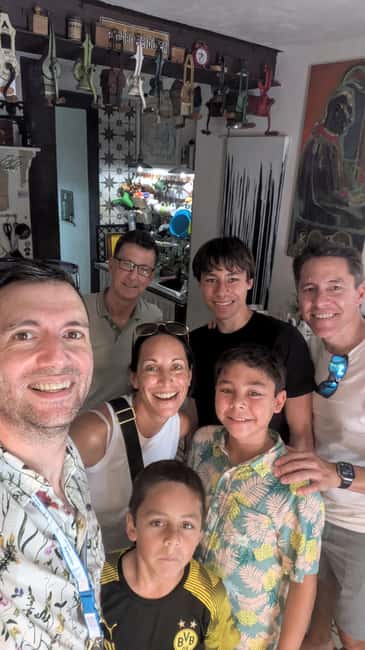
This is a walking tour designed for conversation. Antonio encourages questions about the present day. If you want to talk about what Dubrovnik looks like through local eyes—housing, tourism pressures, traditions, everyday routines—you’re welcome to steer the talk.
The tour is also built to fit two lengths: 1 hour or 2 hours. That matters because Dubrovnik’s Old Town can be intense. If you want a quick orientation and story hits, choose the shorter option. If you want breathing space, the coffee stop in the 2-hour format adds a lot of comfort.
As for group size, you’ll likely feel it in the way Antonio guides you between viewpoints and streets. With the style described, the tour feels personal, not like mass transit with trivia.
One more consideration: it’s not suitable for people with mobility impairments or wheelchair users, and it’s not designed for very young babies. It also isn’t aimed at people over 80. If that describes you, it’s worth looking for a different format that’s easier to manage on foot.
Price and Value: Why $28 Can Make Sense
At $28 per person, this tour sits in the category of paid walking history. The real question is value: are you paying for stories, expertise, and time—or just for someone to point at buildings?
Here, the included elements help justify the cost. You get a Dubrovnik County licensed tour guide who is also a local resident. You get either 1 or 2 hours of sightseeing with history and fun facts built in. If you choose the 2-hour option, you also get the coffee break at the shop inside the walls.
But the best value isn’t the coffee or even the licensing. It’s the way Antonio teaches. He shares geopolitical context of Dubrovnik and the Balkans, not just local legends. And he gives you “things you won’t read on Google,” which is exactly what you want from a guide.
In plain terms: if you care about understanding how Dubrovnik stayed independent and what the earthquake changed, and you want that explained by a resident who clearly loves the city, $28 feels fair.
Who This Tour Suits Best
You’ll enjoy this tour most if you like:
- History that explains cause and effect, not just dates
- Small-city politics and diplomacy
- Thinking about how disasters change cities
- A guide who answers questions and talks like a person, not a script
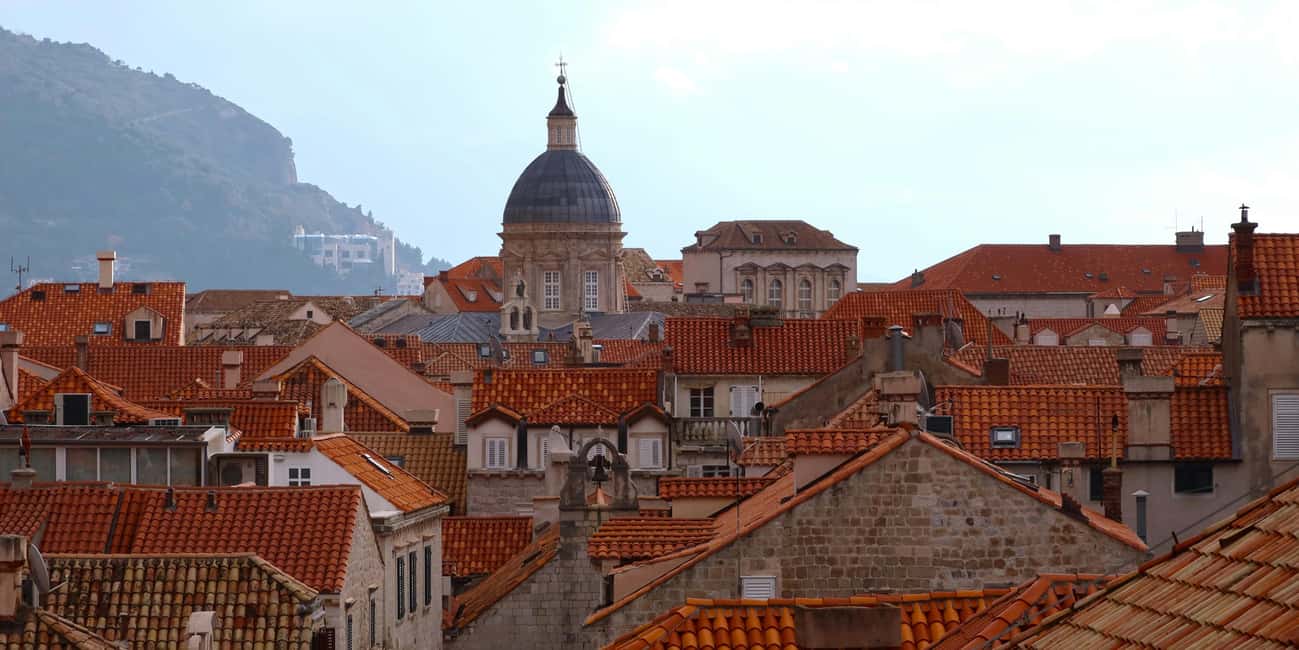
It also works well if you’re visiting Dubrovnik for the first time and want a clean framework. The tour gives you a storyline you can carry as you explore on your own afterward.
If you’re the kind of traveler who skips guided tours entirely, you might find it unnecessary. But if you usually get more out of a walk with a good storyteller, this is a strong match.
Should You Book Antonio’s Republic of Dubrovnik Tour?
Yes, if you want Dubrovnik with context. Antonio’s approach connects the Republic of Dubrovnik’s diplomacy, trade, and governance to the physical city you’ll walk through. The 1667 earthquake section adds real weight, and the coffee stop inside the walls in the 2-hour option is a nice break that still feels tied to the city.
Book it especially if you want to leave Dubrovnik understanding how a small republic could stay independent for nearly 500 years—and why that still matters when you look at the city today.
FAQ
How long is the tour?
It’s offered as either a 1-hour or a 2-hour walking tour.
Where does the tour start?
The tour starts in the shade of a small square right next to Revelin Fortress, with a view toward the Old Harbour.
Is there a coffee stop?
A coffee break is included in the 2-hour version of the tour at a small shop inside the walls.
How much does it cost?
The price is $28 per person.
What languages are available?
The tour is available in Croatian and English.
Is the tour suitable for wheelchair users or mobility impairments?
No. It is not suitable for people with mobility impairments or for wheelchair users.
What should I bring, and are there any rules?
Bring comfortable shoes, comfortable breathable clothes, and a reusable water bottle. Audio recording isn’t allowed, and alcohol and drugs are not allowed. Littering and explosive substances are also not allowed.