REVIEW · DUBROVNIK
Dubrovnik Old City Walls Private Tour
Book on Viator →Operated by My Dubrovnik Tours · Bookable on Viator
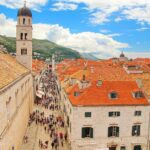
The walls are Dubrovnik’s best classroom. You’ll walk the ramparts with a private guide and learn why this city survived storms, sieges, and politics. It’s 2 hours 30 minutes of city-scale views from stone bastions, with stops that connect the fortifications to real life in the old streets below.
I especially like the private pacing. When you’re on the wall, you can linger for photos or slow down when the stairs feel like they’re auditioning for a workout video.
One thing to consider: the Old City Walls entrance fee isn’t included, and the tour needs good weather to run smoothly.
In This Review
- Key things to know before you go
- Private Dubrovnik City Walls: what you’re really paying for
- Meeting at Ulica Vrata od Ploča and finishing at Luža
- Revelin Fortress to the City Walls entrance: start strong, get oriented fast
- City Harbor views and Buža Gate: where the strategy meets the drama
- Minceta Fortress and Minčeta Tower: the climb that pays off
- Franciscan Church, Onofrio’s Fountain, Stradun, and Pile Gate
- Fort Bokar to the seaward walls: the water-level story
- Church of St. Ignatius, Buža areas, and views toward Lokrum Island
- St. John’s Fortress and the quarantine-era breakwaters
- Cathedral of the Assumption, Treasury, Bishop’s Palace, and Ponta Gate
- Rector’s Palace and Luža Square: the political heart
- Guides like Mia, Tea, Viktor, Paolo, and Vlaho: pacing and story matter
- Practical tips: tickets, weather, and what to wear
- Is this the right Dubrovnik Old City Walls private tour for you?
- FAQ
- How long is the Dubrovnik Old City Walls private tour?
- Is the tour private or shared?
- Where does the tour start and where does it end?
- Is the Old City Walls entrance fee included?
- What language is the tour offered in?
- Do I get a ticket on my phone?
- What happens if the weather is bad?
- What’s the cancellation policy?
Key things to know before you go
- Private guide only for your group, so you can ask questions and move at your pace
- Game of Thrones filming location views worked into the wall route
- Harbor and fortress viewpoints give you the big-picture defense system, not just dates
- Mobile ticket makes day-of check-in simpler
- Old City Walls entrance fee not included, plan for that extra cost
- Guides you might get include Mia, Tea, Viktor, Paolo, and Vlaho, and they’re big on story-driven explanations
Private Dubrovnik City Walls: what you’re really paying for
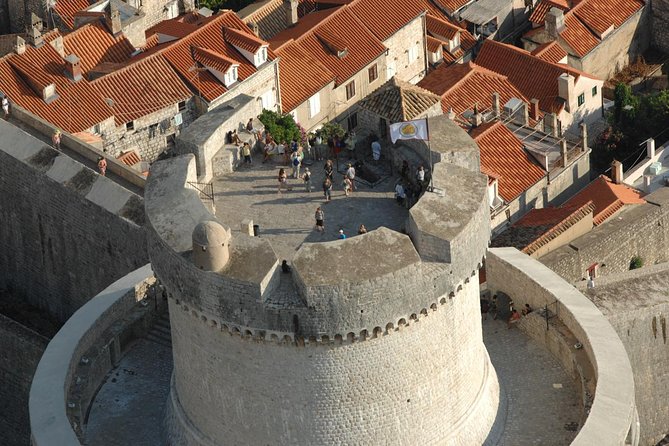
Dubrovnik’s Old City Walls aren’t just a pretty walkway. They’re the reason the city could project power and stay standing when Europe’s edges were getting pushed around. Paying for a private tour here is mostly about turning a long, scenic route into an understandable one.
At $132.45 per person for about 2.5 hours, you’re buying three things: guidance, context, and flexibility. A wall-walk without a guide can turn into a lot of “nice view” and not much “why it matters.” With a private guide, you get defense strategy, political history, and practical help navigating the route while keeping the mood relaxed.
You’ll also notice the value in the details. This tour is offered in English, uses a mobile ticket, and stays just for your group. That matters on Dubrovnik walls, where you can otherwise spend more time scanning for your guide than appreciating the view.
You can also read our reviews of more city tours in Dubrovnik
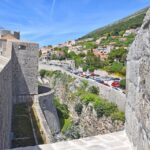
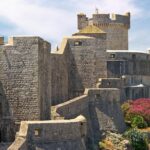
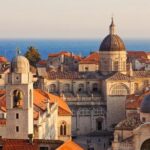
Meeting at Ulica Vrata od Ploča and finishing at Luža
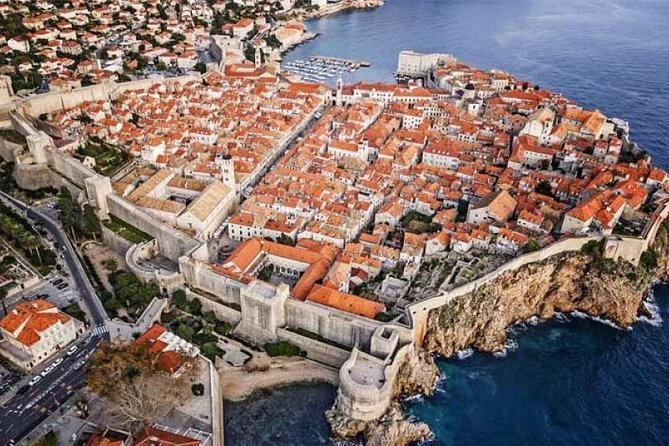
The tour starts at Ulica Vrata od Ploča (20000 Dubrovnik), and it ends in the main square area called Luže (Luza Square) by the Church of St. Blaise at the east end of the Stradun/Placa. This is a helpful setup because Stradun is where you naturally reconnect with cafés, browsing, and the easy walking heart of the old town.
Plan on being ready to begin near the city gate area rather than deep inside the old streets. And since the tour ends at Luža Square, it’s convenient for continuing your day without backtracking across town.
Revelin Fortress to the City Walls entrance: start strong, get oriented fast
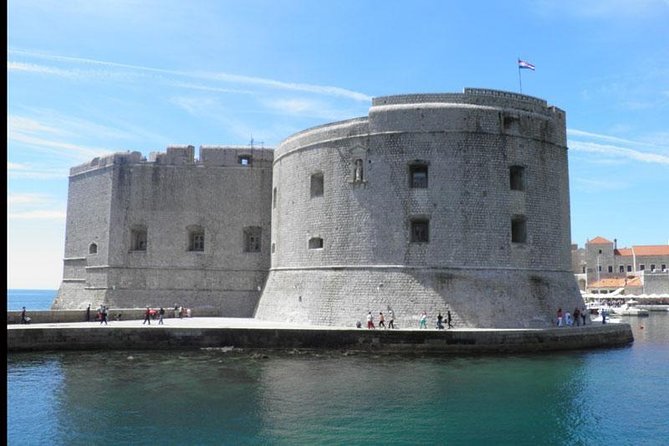
You begin at Revelin Fortress for a short meet-and-greet and an intro to Dubrovnik. This is a smart opener because the walls can feel like one long loop if you don’t understand how the defenses are staged. Even early on, you’ll get the story behind why Dubrovnik’s fortifications were built the way they were.
From there, you proceed toward the City Walls entrance and start walking the walls. One important practical note: the walls entrance fee is not included. So you’ll want to budget for that separately, and it can be worth planning your timing around entry to keep your wall time from feeling rushed.
In this first stretch, I like how the tour sets the “defense logic” so the later viewpoints don’t feel random. You’ll know what you’re looking for before you reach the best spots.
City Harbor views and Buža Gate: where the strategy meets the drama
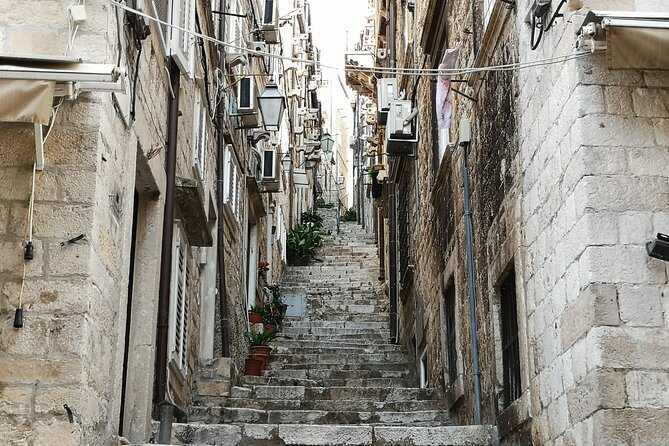
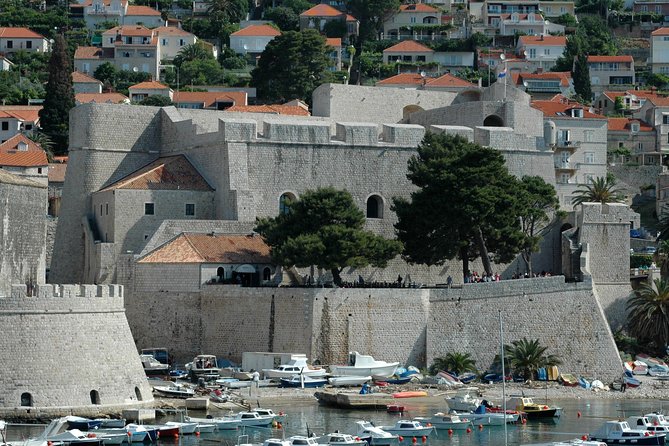
Next up, you move along the wall with a focus on the old harbor area. You’ll see key fortress and monastery landmarks from the high line, including the Fortress of St. John, fortifications of St. Luke, and the Dominican Monastery. From the walls, the harbor is more than scenery—it’s the city’s front door.
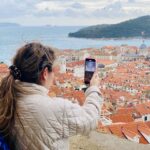
Then you head toward Buza Gate. This section matters because it shows the wall not just as a wall, but as a living system: streets feeding into gates, a moat area, and the roofs of the old city stretching below. On a private tour, you can pause when the view suddenly clicks—harbor below, defenses above, and the city’s layout turning into a map you can actually read.
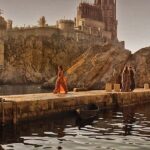
And yes, this is also where Game of Thrones filming location sightlines come into play. You’ll catch those references while still keeping your focus on Dubrovnik itself—where the filming used the city’s real power and shape.
Minceta Fortress and Minčeta Tower: the climb that pays off
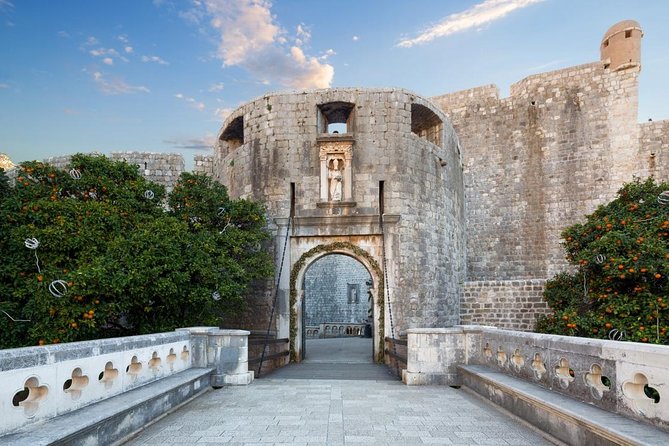
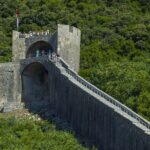
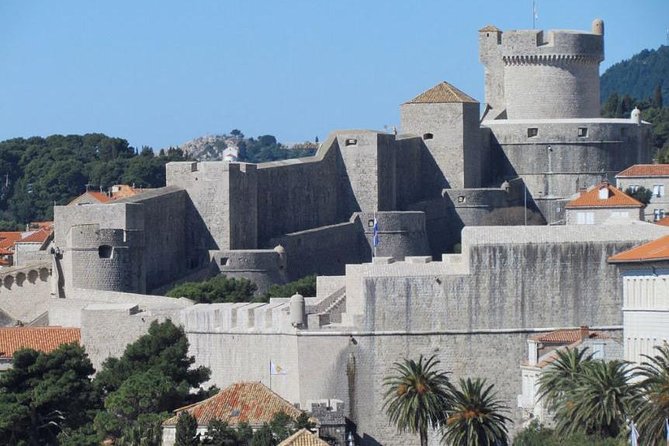
One of the most memorable stops is Minceta Fortress, including Minčeta Tower, described as the highest point on the walls. You also get views tied to details like the aqueduct, plus references around the Upper Corner.
This is a good moment to decide how you want to handle pacing. If you’re traveling with kids, it helps that the route naturally turns into “question time” when you reach viewpoints. If you’re traveling as adults only, you’ll probably want the guide to talk more about how the fortifications handled threats from multiple angles—because from the top, it’s easier to understand what attackers would have had to overcome.
The key value here is that you’re not just looking out—you’re learning to look strategically. Dubrovnik’s walls weren’t built for walking. They were built for surviving.
You can also read our reviews of more private tours in Dubrovnik



Franciscan Church, Onofrio’s Fountain, Stradun, and Pile Gate
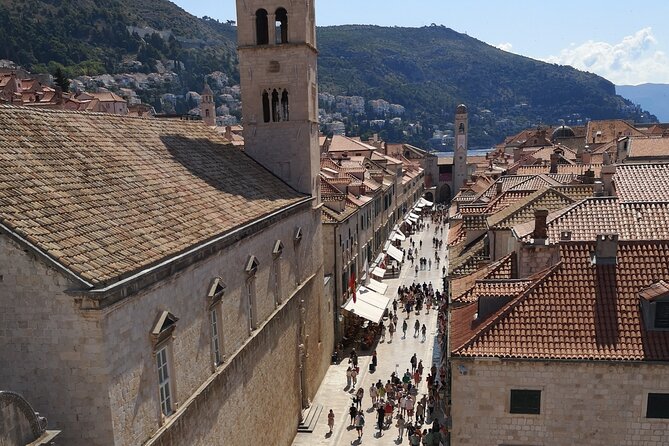
After the wall climbs and harbor viewpoints, you’ll reach a classic old-town transition area: The Franciscan Church and Monastery and nearby highlights like Large Onofrio’s Fountain and Church of the Holy Saviour. You’ll also pass points connected to Stradun, Dubrovnik’s main street, and Pile Gate on the west side.
This part of the experience is where the wall route connects back to everyday life. You get the sense of how a place designed for defense still had room for spiritual centers and daily movement. The tour also gives you a way to “read” Stradun later, because you’ll understand how that street fits into the overall city structure.
Some of these stops have additional entry fees, so if you want to go inside specific buildings, you’ll want to plan based on what you’re interested in. From the information you have here, not everything is included for entry—so treat this section as a mix of exterior viewpoints and optional interior time.
Fort Bokar to the seaward walls: the water-level story
Then the tour turns toward the seaside wall story with a stop at Fort Bokar and surrounding features. You’ll also see St. Clara Monastery, Fortress of St. Lawrence, Kolorina Bay, Park Gradac, and the Penatur Rocks.
This is one of those stretches where a private guide helps a lot. The coastline views are gorgeous, but the real win is understanding why the city also needed layered defense along the waterline. Instead of thinking of the walls as a simple ring, you start to see them as a set of working edges—some higher, some tighter, each one reacting to what ships and sea access could threaten.
This part also gives you a breather from the busiest central streets. If you’re trying to dodge the heaviest crowds, the wall route and waterfront viewpoints can feel like a more balanced Dubrovnik experience.
Church of St. Ignatius, Buža areas, and views toward Lokrum Island
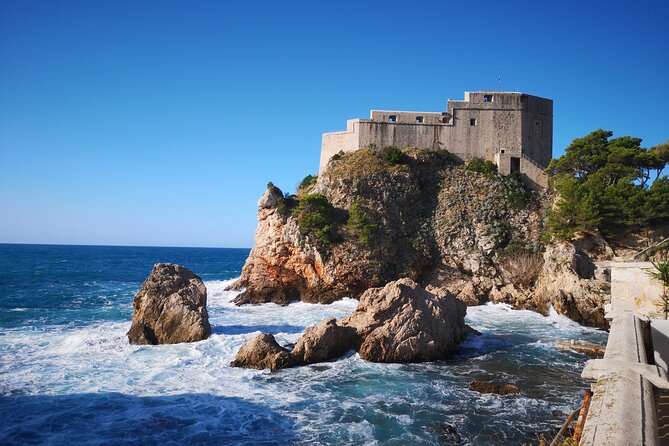
You’ll then reach a cluster around Church of St. Ignatius of Loyola, plus spots tied to the Minor and Major Buža areas. The tour also references Lokrum Island, and you’ll spot bastion names like St. Peter, St. Margarita, St. Steven, and the Holy Saviour.
Even if you don’t memorize every bastion name, you’ll get the point: the walls were built to coordinate visibility and coverage. On a private tour, you can ask the guide to explain how the wall positions change the field of fire and observation. That’s the kind of detail that makes a defensive city feel real, not like a postcard.
Also, don’t underestimate the practical value of stopping for quick photos here. The lighting and angles can shift fast on Dubrovnik walls, and a guide can help you choose the moment to get your shot without turning it into a two-hour detour.
St. John’s Fortress and the quarantine-era breakwaters
You’ll reach St. John’s Fortress and see the Church of St. Carmen, plus areas connected to quarantine. The tour mentions breakwaters Kaše and Porporela, and also looks out toward Banja and St. Jacob’s beaches.
This is a strong stop because it links defense to public health and movement control. Dubrovnik’s walls aren’t only about war. They were also about regulating who and what came through—because fear doesn’t only travel as soldiers.
If you enjoy when history has a human side, you’ll likely appreciate stories you hear from the guide at this stage. Guides on this tour style often share personal touches, not just timelines. One example from the tour’s guide stories: Tea is known for ending the experience with a little bit of heart when something unexpected needs attention.
Cathedral of the Assumption, Treasury, Bishop’s Palace, and Ponta Gate
As you approach the older civic-and-religious core, you’ll visit views connected to the Cathedral of the Assumption of the Blessed Virgin Mary, the Treasury of the Republic, Bishop’s Palace, and Ponta Gate.
This is where Dubrovnik’s identity becomes clear. The city didn’t just defend itself. It governed itself and funded cultural institutions. When you pair cathedral-area landmarks with what you learned on the walls, the whole city starts to make sense as one system.
Again, entry costs can vary by building. Some stops are listed as not included for admission, so think about what you want: exterior views and storytelling are included, but specific interior experiences may cost extra.
Rector’s Palace and Luža Square: the political heart
Near the end, you’ll pass Rector’s Palace, tied to the government of the Republic of Dubrovnik. Then you finish in Luža Square with the Clock Tower, Small Onofrio’s Fountain, City Hall, and Church of St. Blaise.
This ending is practical and satisfying. It brings you into the main public space where the city’s authority and identity were on display.
You’ll also have the chance to visit the Homeland War Memorial Room in the Sponza Palace. That stop adds a modern layer to the story, and it helps connect old defensive walls to more recent struggles that shaped Dubrovnik’s identity.
Guides like Mia, Tea, Viktor, Paolo, and Vlaho: pacing and story matter
The biggest common thread in this tour style is how the guides handle engagement and pacing. Names you might encounter include Mia, Tea, Viktor, Paolo, and Vlaho. Across these guides, the approach is consistent: you don’t just hear facts—you get explanations you can picture.
Mia is noted for strong English and for guiding families effectively, including keeping kids interested with questions. Viktor is described as passionate about regional history and adds family stories that make the city feel personal. Paolo brings big-picture context and also makes photo stops easier. And if you’re the type who likes when a guide shows small moments of personality, Tea’s story about saving a pigeon shows the kind of human touch this tour can include at the end.
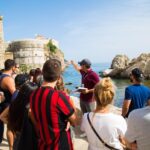
The private format matters because you won’t be competing with noise from a huge group. You can ask for a photo pause, a second explanation, or a moment to look longer at the harbor. That freedom is part of the “why this is worth it” argument.
Practical tips: tickets, weather, and what to wear
A few practical points can make or break the day.
- Budget for the Old City Walls entrance fee: it’s not included here, and it’s the main additional cost you need to plan.
- Good weather is required: the tour depends on it, and if it’s canceled due to poor weather, you should expect a new date or a full refund.
- Expect a walk with climbing: stops like Minčeta Tower involve climbing up, so wear shoes you’d trust on stone steps and uneven surfaces.
- Mobile ticket means you’ll want your phone charged.
- There’s an optional wireless tour guiding system available on request for an extra charge. If you have hearing needs or you want extra clarity, it’s worth asking.
Also, since Dubrovnik is popular and this tour tends to get booked ahead (it’s commonly reserved well in advance), I’d plan early rather than waiting for last-minute flexibility.
Is this the right Dubrovnik Old City Walls private tour for you?
Book this tour if you want the walls to feel like a story, not just exercise. It’s especially good for:
- Couples and small groups who want a slower pace and better photo moments
- Families who benefit from interactive explanations (questions and engagement can be built in)
- History-minded visitors who like defense systems, governance, and how geography shapes events
- Anyone mixing Dubrovnik landmarks with Game of Thrones references without losing the real context
Skip it (or at least adjust expectations) if:
- You don’t want to pay extra for the walls entrance fee and optional building entries
- You’re traveling when the forecast is unstable and you hate plan changes
- You’re looking for a super casual “wandering” tour with minimal structure; this has a clear route and focused stops
FAQ
How long is the Dubrovnik Old City Walls private tour?
It’s listed at about 2 hours 30 minutes.
Is the tour private or shared?
This is a private tour/activity. Only your group participates.
Where does the tour start and where does it end?
It starts at Ulica Vrata od Ploča and ends at Luža Square near the Church of St. Blaise (east end of the main street Placa/Stradun).
Is the Old City Walls entrance fee included?
No. The City Walls entrance fee is not included.
What language is the tour offered in?
The tour is offered in English.
Do I get a ticket on my phone?
Yes. It uses a mobile ticket.
What happens if the weather is bad?
The tour requires good weather. If it’s canceled due to poor weather, you’ll be offered a different date or a full refund.
What’s the cancellation policy?
Cancellation is free up to 24 hours in advance for a full refund. Less than 24 hours before start time isn’t refunded.
Would you like me to tailor advice for your group (adults only vs family, fitness level, and whether you plan to add cathedral or Sponza interior time)?