REVIEW · DUBROVNIK
Dubrovnik Private Small-Group Walking Tour in Spanish
Book on GetYourGuide →Operated by Turistički Obrt " Patricia" · Bookable on GetYourGuide
Dubrovnik becomes simple once you start walking. This private 2-hour tour gives you a clean path through the UNESCO Old Town, with Spanish explanations that make the sights click fast.
I especially love the way the guide handles the pace and questions. I also love the tour’s balance of big monuments and small, local-feeling stops like the Lokrum Island viewpoint moment from Buza.
One consideration: this tour is in Spanish, so if you need English support, double-check what works for your group.
In This Review
- Key things to love about this Dubrovnik walking tour
- Why this 2-hour private format feels worth it
- Pile Gate start: getting your bearings in minutes
- Stradun: Dubrovnik’s main promenade, from monastery to church
- What to look for as you walk Stradun
- City walls: Renaissance architecture and practical photo lines
- The classic landmarks: fountains, palaces, and towers in one walk
- Santa Maria and Buza: the Dubrovnik you rarely get in cruise-day rush
- A quick reality check about crowds
- Ulica od Puca: jewelry shops, an old barber shop, and tiny churches
- Guide quality is the real difference here
- What’s included, what’s not, and how to plan your day
- Price and value: when $117 per group makes sense
- Should you book this Dubrovnik walking tour
- FAQ
- FAQ
- Is this Dubrovnik walking tour private?
- What language is the guide?
- How long is the tour?
- Where does the tour start?
- What is included in the price?
- What is not included?
Key things to love about this Dubrovnik walking tour
- Private small-group time (up to 3 people), so questions and photo stops don’t feel rushed
- Stradun with context, pairing the main promenade with the key landmarks at each end
- UNESCO Old City walls in the story, including the idea of the tower-at-each-corner layout
- Santa Maria + Buza, where you get the more local Dubrovnik feel
- Lokrum Island views from the St. Stjepan door moment
- Spanish guidance from real people, with guides like Patricia and Ankica known for clear explanations and extra time
Why this 2-hour private format feels worth it
Dubrovnik Old Town can overwhelm you. It’s compact, but everything feels important: walls, palaces, churches, towers, plus the constant parade of ships and cruise-day crowds. This tour’s strength is that it’s short enough to stay focused and structured enough to prevent aimless wandering.
You’re paying for a guided route, not just “someone walking with you.” At $117 per group (up to 3 people) for about 2 hours, the value depends on how you travel. If you’re two or three people, the price works out more like a shared service than a solo splurge. If you’re solo, it can still be a smart buy if you want less planning work and more explanation.
The tour is also private, which matters in Dubrovnik. You can move at your pace, pause where you care, and ask follow-ups without feeling like you’re holding up a bigger group.
You can also read our reviews of more walking tours in Dubrovnik
Pile Gate start: getting your bearings in minutes
You meet at the Armerling Water Fountain (Brsalje), right by Pile Gate, which is basically the front door of the Old Town. That’s a helpful start point because your guide can orient you immediately: where the main street runs, how the walls shape movement, and why certain landmarks line up the way they do.
This is one of those details that makes a difference. If you arrive and start walking without direction, you often end up doubling back. Starting at Pile Gate helps you build a route that flows instead of zig-zags.
Stradun: Dubrovnik’s main promenade, from monastery to church
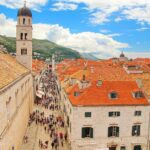
Stradun is Dubrovnik’s central spine. Walking it with a guide changes it from scenery into a story. The tour takes you down the centuries-old main promenade, and along the way you hit the big anchors on both ends.
One end is the Franciscan Monastery, including its cloister, which you’ll get to experience as more than a pretty courtyard. You learn what makes the cloister feel so inspiring: the way it creates calm inside a city that’s otherwise all stone lines and defensive walls.
At the other end of Stradun, you see St. Blaise, and the tour also includes major stops that sit along this same axis. Expect the tour to weave in places like Sponza Palace and the Orlando’s Column area, plus the civic and religious landmarks that define Old Town’s identity.
This part of the tour is ideal if you want the classic Dubrovnik view cues without turning your day into a checklist.
What to look for as you walk Stradun
You’ll get the best results if you use your eyes, not just your ears. Notice how the buildings frame street-level movement, and how the big civic structures sit close to the religious ones. Dubrovnik’s layout makes the city feel designed, not random.
City walls: Renaissance architecture and practical photo lines
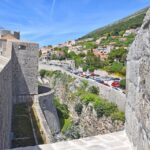
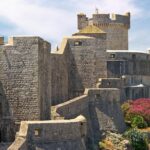
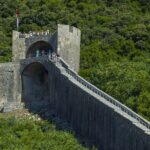
Dubrovnik’s walls aren’t just for dramatic Instagram photos. They’re part of how the city functioned, and the tour gives you the architecture context behind why people call them a masterpiece of Renaissance work.
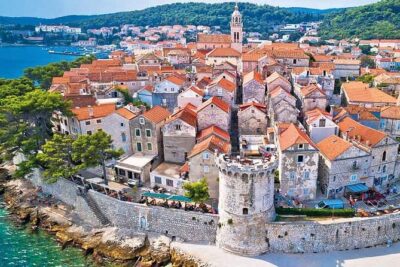
You’ll hear the basic idea that the Old City is surrounded by more than a mile of walls, with towers at corners. Even if you don’t spend the whole tour on the walls themselves, knowing the system helps you understand what you’re looking at as you move through town.
And you’ll still get plenty of view logic. When your guide explains where key buildings sit relative to the walls and where the sightlines open up, you start noticing composition. That means better photos even when you’re standing still in a crowded square.
You can also read our reviews of more private tours in Dubrovnik


The classic landmarks: fountains, palaces, and towers in one walk
The tour’s heart is a well-paced collection of Dubrovnik’s most recognizable historic stops. You can think of this as the “core understanding” section: once you grasp these places, the rest of the city makes more sense.
Here are the highlights you’ll encounter as you work through Old Town:
- Onofrio’s Fountains: you’re not just seeing a landmark; you’re seeing a piece of how the city supported everyday life in earlier centuries
- Sponza Palace: a civic heavyweight that helps explain Dubrovnik’s administrative and trading identity
- Orlando’s Column and the surrounding public space: good for learning how authority and culture showed up in public areas
- The Bell Tower and nearby church architecture: useful when you want the religious side of Dubrovnik explained clearly
- Rector’s Palace and Cathedral: big-name stops that feel more connected when you have context, not just captions
The practical value here is that your guide connects dots in a way that feels fast. You don’t have to be an architecture student to follow along; you just need someone to point out what matters and why.
Santa Maria and Buza: the Dubrovnik you rarely get in cruise-day rush
After you work through the main monuments, the tour shifts tone. You head to Santa Maria, the oldest district in Dubrovnik. This isn’t just a geographic change. It’s a change in texture.
Santa Maria helps you slow down and notice the difference between “main street Dubrovnik” and the lived-in corners locals prefer. You’ll also explore a smaller area known as Buza, described as a hidden quarter where locals spend time more than visitors.
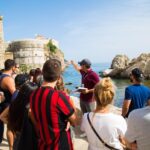
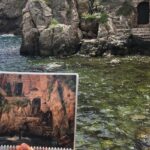
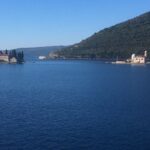
Then comes one of the most memorable moments: the door of St. Stjepan opens to reveal a view over white rocks and blue sea with Lokrum Island in the frame. This is the kind of stop that feels like a reward for walking through the earlier official sites. It turns the tour from history into atmosphere.
If you care about authenticity, this is where you’ll feel it.
A quick reality check about crowds
Dubrovnik can be busy. Santa Maria and Buza can still feel calmer than Stradun, but timing matters. If you want the most relaxed experience, ask your guide about the best times to linger during your route.
Ulica od Puca: jewelry shops, an old barber shop, and tiny churches
On the way back along Stradun, the tour includes a stop on Ulica od Puca, a street known for traditional jewelry shops, an old barber shop, and small churches.
This part works because it gives your day variety. After major monuments and viewpoint moments, a street like this lets you experience Dubrovnik at ground level. You can browse if you like, or just let the guide’s explanations add context to what you’re seeing.
Even if shopping isn’t your thing, small lanes and side streets are where you start to understand how the Old Town actually functions between landmarks.
Guide quality is the real difference here
The listed highlights are strong. Still, the guide is the engine behind why the tour earns consistently high marks.
I like that this experience is presented with a human approach. Guides such as Patricia and Ankica are described as attentive, clear, and willing to go beyond the strict plan when it makes the experience better. In practice, that shows up in a few ways: answering questions thoroughly, offering suggestions for how to see more of Dubrovnik, and adjusting the pace so the walk doesn’t feel like a production.
One theme that stands out is time. People note that guides sometimes spend a bit longer than expected to make sure everything feels complete. There’s also mention of helpful photo-taking during the stroll, which is a smart touch in a city where views are great but “find someone to take our picture” can be frustrating.
There’s another practical detail I appreciate: some guides bring materials like brochures or take-home items, which can help you plan what to do after the tour without starting from scratch.
What’s included, what’s not, and how to plan your day
This tour includes:
- A private walking tour with a guide
- Tourist brochures and maps
What’s not included:
- Transfers
- Food and beverages
- Souvenirs
So you’ll want to handle your own arrival and departure, since this is set up around meeting inside the Old Town area near Pile Gate. And because food isn’t included, plan your timing so you’re not hungry and rushed at the end.
A small planning tip: if your Dubrovnik day includes a lot of walking beyond this tour, keep your schedule realistic. Two hours in Old Town is easy to add to, but it’s also easy to underestimate when you stack it with other sights.
Price and value: when $117 per group makes sense
Let’s talk value in real terms.
At $117 per group up to 3 for 2 hours, you’re paying for:
- A private route through the most important highlights
- Spanish explanation throughout
- A guide who helps you avoid dead ends and missed context
- Extra attention to questions and pacing
If you’re traveling as a couple or a small trio, this often feels like a good deal because you’re splitting the cost of guidance. If you’re solo, it’s not “cheap,” but it can still be worth it if you know you’ll enjoy learning and you want structure in a dense, high-impact city.
The best value scenario is simple: you want the classic highlights, but you also want the local-feeling stops like Santa Maria and Buza, plus that Lokrum viewpoint moment.
Should you book this Dubrovnik walking tour
Book it if:
- You want a fast, guided route through Dubrovnik’s UNESCO Old Town highlights
- You like learning as you walk, especially in Spanish
- You want more than Stradun photos, with time for Santa Maria and Buza
- You care about the city walls and landmark context, not just sightseeing
Consider skipping or pairing it with something else if:
- You need transfers arranged for you
- You’re hoping for a long, wall-walking adventure (this is focused on walking the Old Town route)
- Spanish isn’t comfortable for your group
FAQ
FAQ
Is this Dubrovnik walking tour private?
Yes. It’s a private group tour, priced per group up to 3 people.
What language is the guide?
The live tour guide speaks Spanish.
How long is the tour?
The duration is 2 hours.
Where does the tour start?
You meet at the Armerling Water Fountain (Brsalje), located meters from Pile Gate at the entrance to the Old Town of Dubrovnik.
What is included in the price?
The tour includes a private walking tour with a guide plus tourist brochures and maps.
What is not included?
Transfers, food and beverages, and souvenirs are not included.