REVIEW · DUBROVNIK
Guided Tour to Kupari From Holiday Resort to War Zone
Book on Viator →Bookable on Viator
Kupari is Dubrovnik’s haunting detour. This guided outing takes you from holiday-era sunbathing to the reality of the war-scarred Adriatic coast, in a way that’s factual, personal, and easy to follow. You spend about 2 hours walking the resort area and hearing how Kupari was destroyed and left unrestored.
What I like most is the way you get real place-based history, not just broad facts. I also love that guides such as Vedran (and sometimes Kendra) bring a human perspective while keeping the tone respectful, so you understand what you’re seeing without getting lost.
One thing to consider: parts of Kupari have been affected by redevelopment over time, so it’s smart to double-check the day-of meeting/route details with your provider if anything looks changed.
In This Review
- Key things to know before you go
- Why Kupari Still Feels Stopped in Time
- Getting There: The 9:00 Meeting at Sheraton Riviera
- Stop 1: Kupari’s Abandoned Hotels and the War You Can Still See
- What you’ll likely notice (with help)
- Why this stop is worth your time
- Possible drawback to keep in mind
- Stop 2: Beach Kupari—From Vacation Grounds to Military Resort Logic
- What to expect from the beach stop
- The Guide Can Make or Break This Tour: Vedran and Kendra’s Approach
- Time, Group Size, and How to Get the Most From Two Hours
- Practical Tips: What to Bring and How to Prepare
- Price and Value: Is $60.01 Worth It?
- Who This Tour Suits Best (and Who Might Skip)
- Should You Book This Kupari War-Zone Tour?
- FAQ
- How long is the Kupari guided tour?
- Where does the tour start?
- What time does the tour begin?
- Is the tour in English?
- Are admissions included for the stops?
- What group size should I expect?
- Can I cancel for a full refund?
- Do I need a paper ticket?
Key things to know before you go
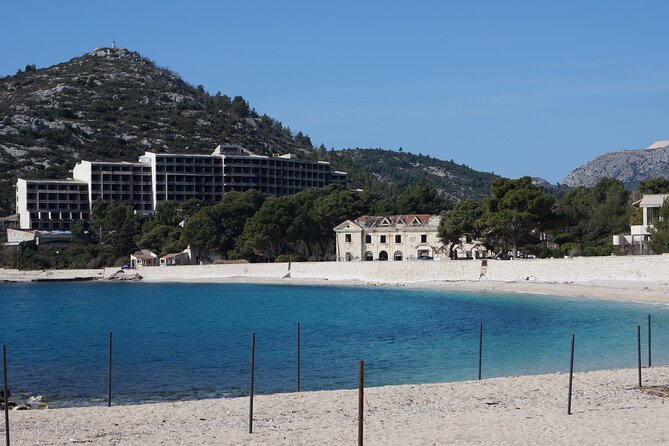
- Kupari is still largely unrestored, so the ruins are the point of the visit.
- You’ll have a clear 2-stop plan: Kupari first, then a shorter Beach Kupari break.
- Small-group feel with a maximum of 30 travelers.
- English-speaking guide who connects the site to the region’s war years.
- Bring bug spray if you’re prone to getting bitten (the outdoor conditions can surprise you).
- Expect a guided interpretation—the site makes more sense with a person explaining it.
Why Kupari Still Feels Stopped in Time

Kupari is one of those places where beauty and loss sit side by side. From the outside, it looks like an ordinary Adriatic resort zone. Up close, you learn quickly that the buildings weren’t just abandoned—they were shattered and then left that way.
This tour is interesting because it explains why Kupari became a resort in the first place and why it ended the way it did. You’re not only looking at empty hotel blocks. You’re learning the story behind the empty rooms, the broken structure lines, and the missing “normal life” that should have returned.
I also like that the tone tends to stay grounded. Guides described as able to explain the trauma of the war years without drifting into melodrama helps you take it in at a human pace.
You can also read our reviews of more guided tours in Dubrovnik



Getting There: The 9:00 Meeting at Sheraton Riviera
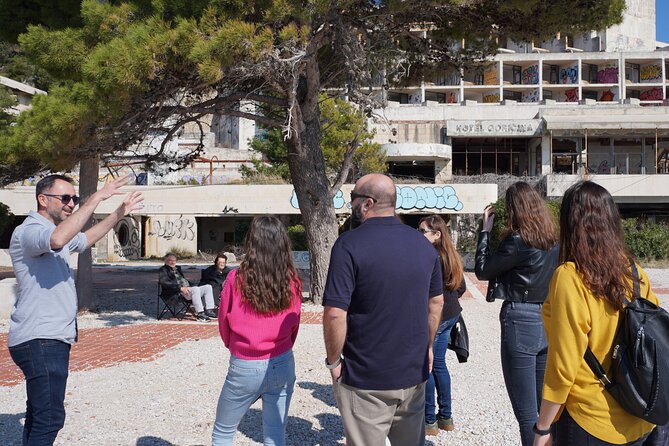
You start at the Sheraton Dubrovnik Riviera Hotel (Šetalište Dr. F. Tuđmana 17, 20207, Srebreno, Croatia). The tour begins at 9:00 am, and it ends back at the same meeting point.
This is practical for two reasons. First, you avoid the stress of arranging your own transport to a specific, semi-out-of-the-way site. Second, the early start gives you a calmer window to absorb what you’re seeing—especially if you’re visiting Dubrovnik in peak summer heat.
The tour runs in English and uses a mobile ticket, so plan to have your phone charged enough for check-in. And because it’s near public transportation, you’re not totally locked into one option if you’re coming from elsewhere in the region.
Stop 1: Kupari’s Abandoned Hotels and the War You Can Still See
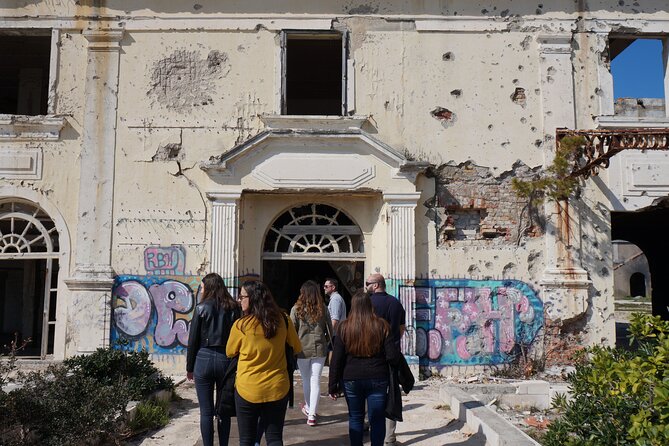
Your first stop is Kupari, with about 1 hour on site. The core idea here is simple: Kupari was a famous tourist resort, then it was devastated during and after the war, and it has not been restored to this day.
That context changes how you look at everything. A ruined reception area isn’t just “cool photography.” With the explanation you get, you understand how the resort functioned before the destruction—and why it matters now.
What you’ll likely notice (with help)
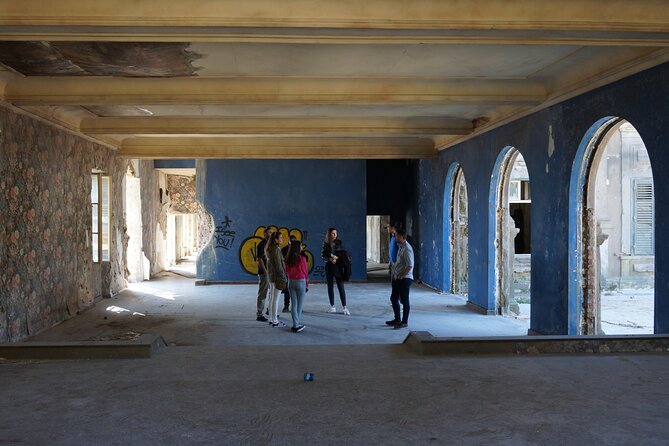
On the guided walk, you’ll typically see original resort features that make the history concrete. One guide-style walkthrough described seeing reception desks, bars, and even an Olympic-sized swimming pool that remains part of the visible structure. Another account highlighted shell damage still showing on the buildings, which is exactly the kind of detail that turns a “history lesson” into a “place lesson.”
Why this stop is worth your time
If you only visit Dubrovnik’s Old Town, you get the coastal glamour side. Kupari shows the other side—the part of the Adriatic story that many people never see, because it’s outside the usual postcard route.
Guides also help you make sense of the site’s layout and purpose. One walkthrough included background that Kupari’s earlier industrial roots included tile production, supplying red tiles used on Dubrovnik roofs. Learning that kind of detail makes the whole area feel tied to the region, not like an unrelated ruin field.






Possible drawback to keep in mind
Because the site has been subject to changes and redevelopment, you should keep expectations flexible. If you arrive and find access looks different than you expected, the guided explanation becomes even more important—so you can understand what you can see now, and not what you hoped you’d see.
Stop 2: Beach Kupari—From Vacation Grounds to Military Resort Logic
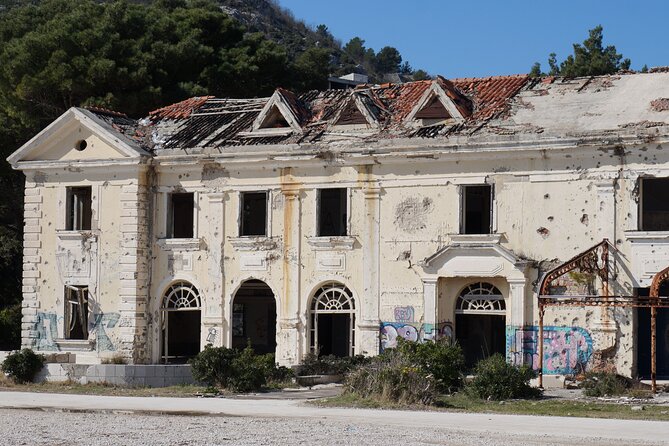
Next you head to Beach Kupari for about 30 minutes, and the stop is ticket-free. After World War II, Kupari became a resort intended first and foremost for use by military personnel—mainly officers of the Yugoslav National Army.
That matters because it reframes the beach. It’s not just a place where people relaxed. It’s tied to a system of power and status, and the architecture and resort organization reflect that.
What to expect from the beach stop
This portion is shorter by design, so it’s less about a long break and more about giving your eyes and body a breather. The time on the beach can also help you visualize what Kupari must have felt like in its working days—sun, sea, and the rhythm of a functioning resort.
If you’re hoping to swim, keep in mind that conditions aren’t described here. I’d treat this as a chance to cool off, dip if it’s safe and comfortable, and enjoy the contrast between the ruined hotel zone and the still-beach setting.
The Guide Can Make or Break This Tour: Vedran and Kendra’s Approach
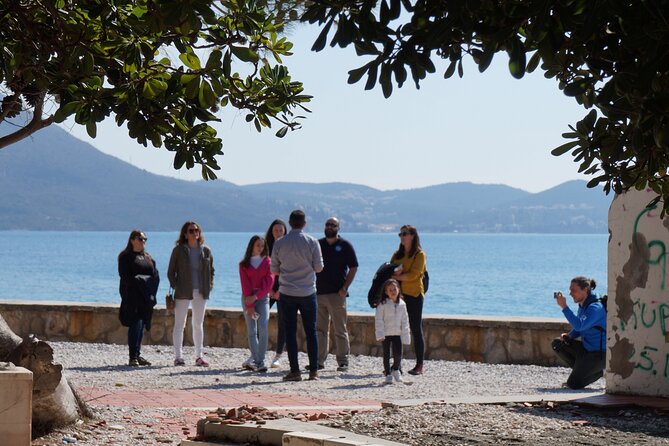
This experience leans heavily on the quality of interpretation. The best versions of this tour center on guides who can connect the physical site to the human story behind it.
Names that come up clearly include Vedran and Kendra. Both are described as able to explain the area’s history in a way that feels personal and grounded. One account emphasizes first-hand understanding of the Homeland War years from a guide who grew up there as a teenager. That kind of perspective doesn’t change the facts—it changes how you absorb them.
I also like that the stronger guide approach doesn’t turn the tour into pure tragedy. Instead, it keeps the explanation steady: why Kupari was built, who it served, what happened in the conflict, and why the place never returned to normal.
If your goal is to understand the “what happened here” story, don’t skip the guided part. At Kupari, ruins are readable only up to a point. A good guide gives you the missing captions.
Time, Group Size, and How to Get the Most From Two Hours

The whole tour runs about 2 hours and caps at 30 travelers. For a site like Kupari—ruined structures, outdoor walking, and a story that needs context—that group size feels like the right scale. Large enough to run smoothly, small enough that you’re not just being herded.
English service is also a plus in Dubrovnik, where you can find yourself bouncing between languages on your own. Here, you’re getting a single spoken thread, timed to match what you’re seeing.
Keep your pace realistic. You’re on foot for portions of the visit, and Kupari is outdoors. Think of it as a walking history stop plus a quick beach segment, not a full-day hike or photo safari.
Practical Tips: What to Bring and How to Prepare
Here are the things that make your time easier based on what you can expect at this kind of outdoor ruin-and-beach combination.
- Wear insect protection if you’re sensitive to bites. One visitor specifically called out being caught off guard and wished they’d had bug spray.
- Bring water. Even with only 2 hours, Dubrovnik-area sun can add up fast.
- Wear shoes you trust. You’ll be moving around uneven resort surfaces.
- Have a charged phone for the mobile ticket.
- Bring curiosity, not just a camera. The value is in understanding what the site represents.
One more smart prep move: before you go, decide how you want to handle the emotional side. The tour context includes devastation during and after the war. If you prefer a lighter day, this might be too heavy for your mood. If you want real understanding, this is the kind of stop that helps the rest of your trip click into place.
Price and Value: Is $60.01 Worth It?
At $60.01 per person for about 2 hours, the price feels fair if you see Kupari as more than a photo stop. The money goes toward guiding—someone explaining what you’re looking at and why it matters.
You also get a couple of built-in value signals:
- Admission is ticket-free for both Kupari and Beach Kupari in this tour plan.
- You’re not paying for entry into multiple paid venues.
- You’re paying for interpretation and getting there from the Dubrovnik area with a structured route.
If you’d otherwise visit Kupari by yourself, you’d likely spend time figuring out what each ruined area used to be. With a guide, that time gets replaced by understanding. For most people, that’s the difference between seeing ruins and actually learning from them.
Who This Tour Suits Best (and Who Might Skip)
This is a great fit if you want Dubrovnik beyond beaches and walls. If you’re interested in how the region’s recent history shaped everyday life—and how that history can still be seen—you’ll probably enjoy this stop a lot.
It also suits travelers who like guided storytelling. The site is hard to interpret on your own, and multiple accounts highlight that the human touch matters. If you want a calm, guided pace rather than wandering, this works.
It may be less ideal if:
- you want a purely carefree vacation vibe for the day,
- you dislike topics connected to war and destruction,
- or you’re expecting a restored, fully functioning resort experience.
Should You Book This Kupari War-Zone Tour?
I’d book it if you want your Dubrovnik trip to include the Adriatic’s harder chapter, explained with a guide who can keep it respectful and clear. The guided context is the real value here, especially because the resort is still largely unrestored and you’ll otherwise miss meaning in what looks like “abandoned hotels.”
I’d also book it if you enjoy contrast: Old Town history and then a coastal site that shows what happened to tourism and normal life much more recently than people expect.
One last decision aid: if you hate surprises, check details close to departure since parts of the site have had change and redevelopment pressure over time. If you’re okay with that and ready to learn, this tour is a strong use of a short block of time.
FAQ
How long is the Kupari guided tour?
It’s listed at about 2 hours.
Where does the tour start?
The meeting point is the Sheraton Dubrovnik Riviera Hotel, Šetalište Dr. F. Tuđmana 17, 20207, Srebreno, Croatia.
What time does the tour begin?
The start time is 9:00 am.
Is the tour in English?
Yes, it’s offered in English.
Are admissions included for the stops?
The tour information lists admission ticket free for both Kupari and Beach Kupari.
What group size should I expect?
The tour has a maximum of 30 travelers.
Can I cancel for a full refund?
Yes. You can cancel up to 24 hours in advance for a full refund.
Do I need a paper ticket?
No. You receive a mobile ticket, and you’ll get confirmation at the time of booking.
—
If you tell me your travel dates and whether you prefer light sightseeing or heavier history, I can help you decide if Kupari fits your exact Dubrovnik plan.