REVIEW · DUBROVNIK
Jewish History of Dubrovnik Old Town Private Walking Tour
Book on GetYourGuide →Operated by ROSOTRAVEL Croatia · Bookable on GetYourGuide
Dubrovnik has a Jewish side most people miss. This private 2-hour walk through the Old Town connects major landmarks with the lived story of Jewish communities in the city, including what happened during the Holocaust. You’ll start at Pile Gate and end at Dubrovnik Cathedral, with a guide who explains what you’re seeing and why it matters.
I especially like that the tour is built around the Dubrovnik Synagogue area and the nearby street, not just random stops. I also like the private format with a licensed guide fluent in your language, so questions don’t get swallowed by a big crowd. One thing to consider: synagogue entry and attraction tickets are not included, so if you want to go inside specific sites, you’ll need to plan and pay separately.
In This Review
- Key Highlights You’ll Remember
- Why Jewish Dubrovnik’s Old Town Story Still Matters
- Your 2-Hour Route: From Pile Gate to Dubrovnik Cathedral
- Pile Gate and Onofrio’s Large Fountain: Your Story Starts at the Threshold
- Žudioska ulica: The Jewish Street You Can Actually Walk
- Dubrovnik Synagogue Area: Seeing One of Europe’s Oldest Synagogues
- Ploče Gate, Sponza Palace, and the Rector’s Palace: Power Shapes Daily Life
- Dubrovnik Cathedral Finish: Art, Architecture, and Jewish Legacy Connections
- Holocaust Remembrance and Rescue Stories on the Walk
- Guide, Languages, and the Real Value of Private Time
- Price and What You’re Really Buying (160 USD per Person)
- Practical Planning: Shoes, Weather, and Entrance Tickets
- Who This Tour Is Best For (and Who Should Rethink)
- Should You Book This Private Jewish History Tour of Dubrovnik Old Town?
- FAQ
- Where is the meeting point for the tour?
- How long is the Jewish History of Dubrovnik Old Town private walking tour?
- Is entry to the synagogue included in the price?
- What languages does the live guide speak?
- Is this a private group or a shared tour?
- What should I wear for the tour?
Key Highlights You’ll Remember

- Pile Gate to Cathedral in 2 hours: a focused route that fits a tight Dubrovnik schedule
- Žudioska ulica: a walk through the Jewish street that helped define daily life here
- Dubrovnik Synagogue focus: you’ll see one of Europe’s oldest synagogues from the outside and learn the story around it
- Sponza Palace and Rector’s Palace context: how politics and power shaped the city residents lived through
- Holocaust remembrance and rescue stories: not just dates, but human actions and resilience
- Small private group (1–20): better listening, more chances to ask questions, clearer commentary
Why Jewish Dubrovnik’s Old Town Story Still Matters
Jewish history in Dubrovnik isn’t a side note. It’s part of how the city worked, traded, governed itself, and survived big shocks. On this tour, I like how it keeps the focus on people and practical details: where the community lived, what the city’s major landmarks meant, and how Jewish life changed over time.
What makes the approach feel real is the way it links architecture to lived experience. You’re not just looking at pretty stone. You’re learning why certain places became meaningful for Jewish residents, and how the wider city environment influenced what was possible. The tour also doesn’t stop at older centuries. It includes the Holocaust and the remarkable stories of individuals who helped protect fellow citizens during dark times.
If you want a Dubrovnik Old Town walk that goes beyond postcards, this hits the mark. The guide’s commentary is aimed at helping you connect dots you’d otherwise miss, especially around the Jewish street and synagogue area.
You can also read our reviews of more walking tours in Dubrovnik

Your 2-Hour Route: From Pile Gate to Dubrovnik Cathedral
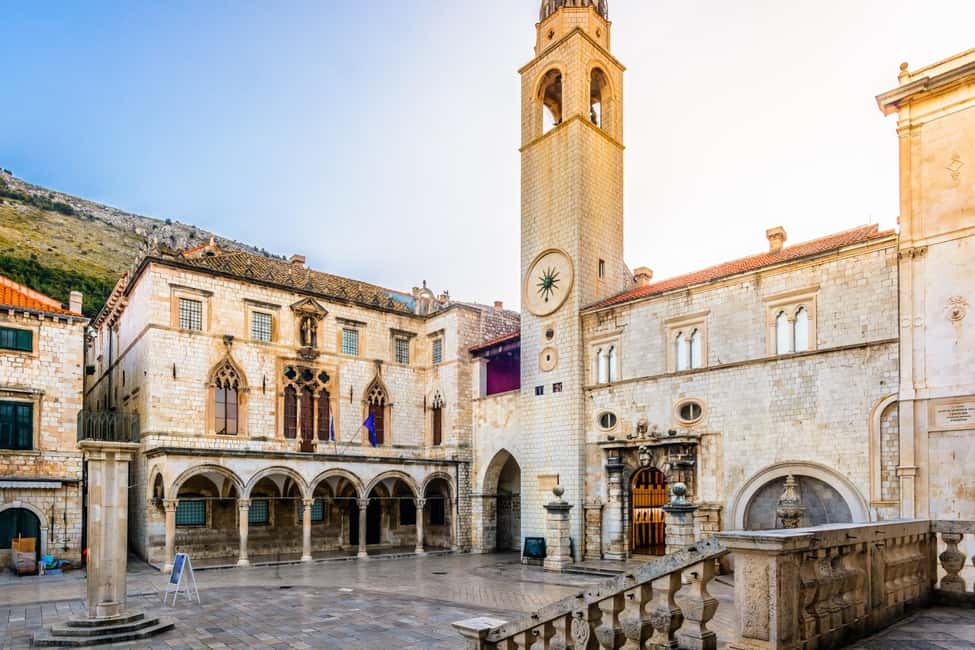
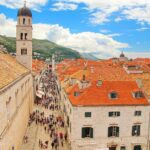
This is a compact private walk, designed to cover key Old Town points without dragging you through the entire city. You’ll move through the historic core with stops that make sense in sequence, starting at Pile Gate and ending at the Cathedral area.
In the time allotted, you’ll cover:
- The symbolic entry into the Old Town (Pile Gate)
- A major engineering landmark (Onofrio’s Large Fountain)
- The Jewish street (Žudioska ulica)
- The synagogue area (Dubrovnik Synagogue)
- City gates and civic landmarks (Ploče Gate, Sponza Palace)
- Power and governance sites (Rector’s Palace)
- The final connection at Dubrovnik Cathedral
Because it’s only 2 hours, the guide tends to keep momentum. That’s a plus if you like efficient sightseeing. The trade-off is that the tour is not meant to replace long museum time.
Pile Gate and Onofrio’s Large Fountain: Your Story Starts at the Threshold
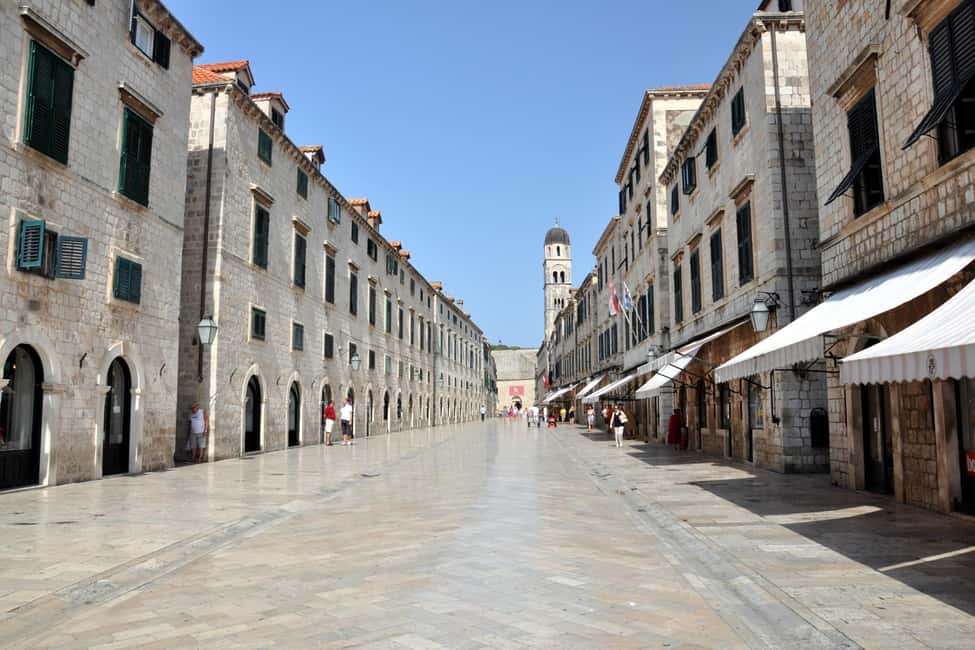
Meeting begins at Gelateria Dubrovnik, Stradun 17. Do not go inside the gelateria—staff won’t know about the tour. Once you meet your guide outside, you start walking immediately toward Pile Gate, the iconic entrance to the medieval Old Town.
Pile Gate works like a prologue. From here, the guide sets the stage: Dubrovnik’s history as a city shaped by walls, movement, and who could move in and out. It’s the right starting point because Jewish history here is tightly connected to a city that was both open enough to connect with the wider world and guarded enough to protect itself.
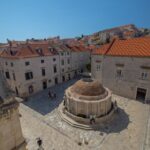
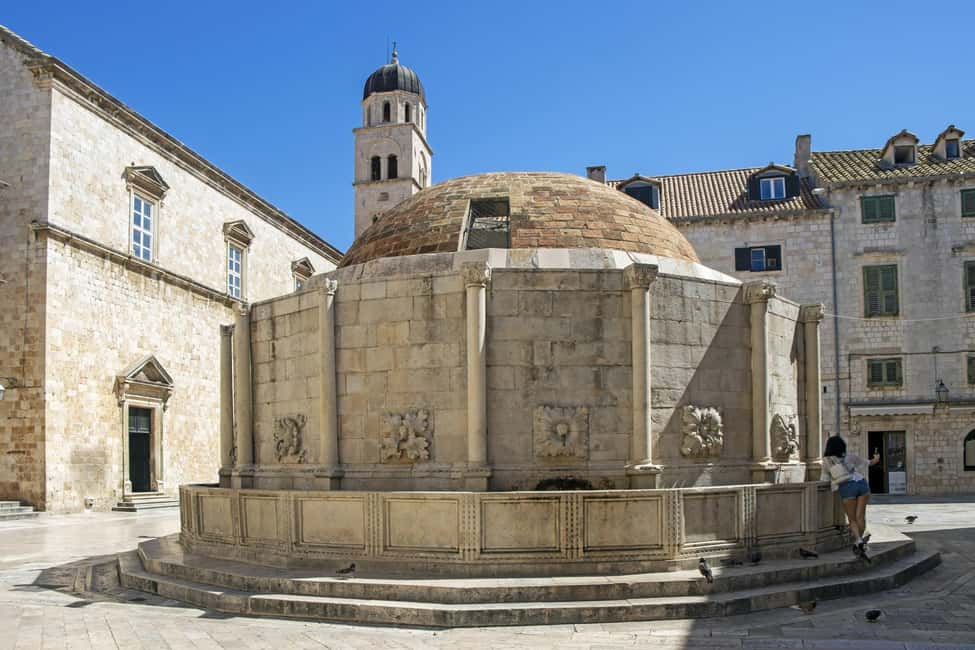
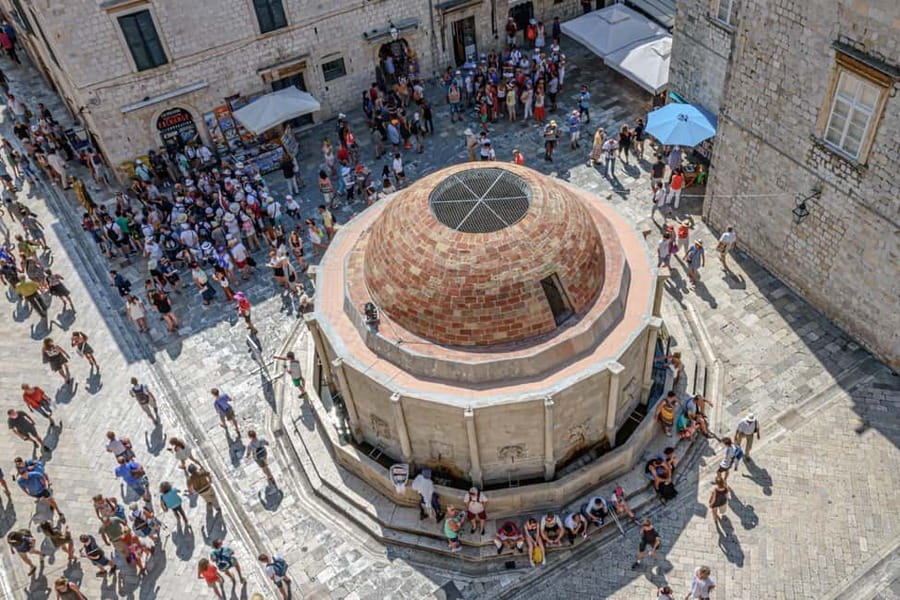
Not long after, you reach Onofrio’s Large Fountain, a 15th-century engineering marvel. This stop is more than a photo moment. You’ll get facts that help you understand how practical needs—like water—supported daily life and community routines. It’s an early reminder that history isn’t only big politics. It’s also systems that let real people live.
Žudioska ulica: The Jewish Street You Can Actually Walk
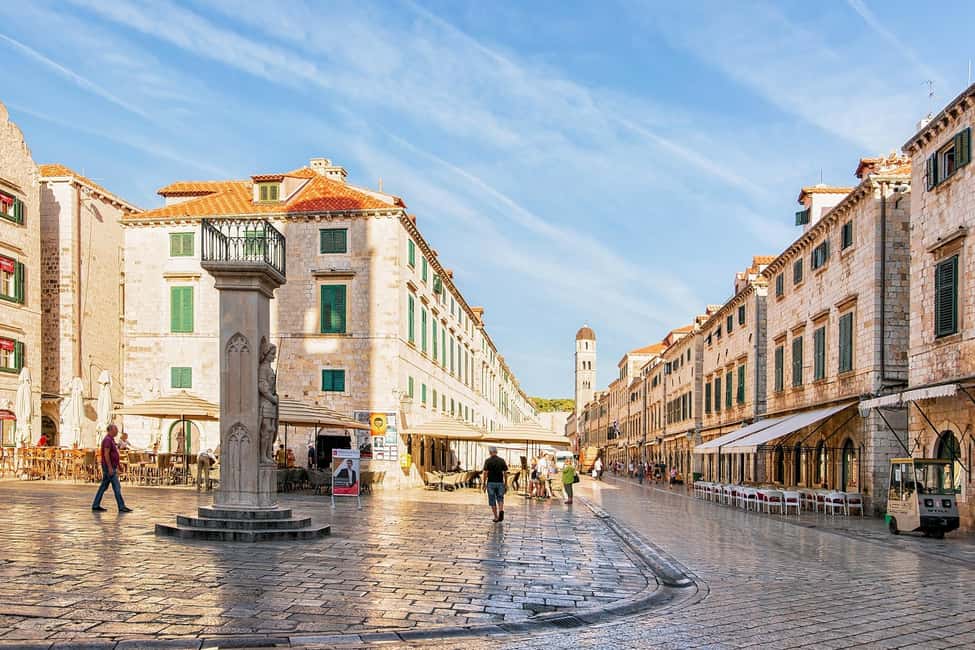
Next comes Žudioska ulica, the street tied directly to Dubrovnik’s Jewish heritage. This is one of the strongest parts of the tour because you’re physically moving along a corridor of memory. Even if you’ve never studied Jewish history before, the guide’s narration helps you understand what street-level life would have been like.
The advantage here is simple: many tours skip the “where everyday life happened” section and jump straight to major monuments. This one slows down just enough to make the street feel like a place, not a label on a map.
You’ll also learn how the community left an imprint on the city over time. That’s especially important in Dubrovnik, where Old Town architecture and layout can make it easy to assume the past looked exactly like today. The guide’s facts help you see the difference between what remains and what has changed.
Dubrovnik Synagogue Area: Seeing One of Europe’s Oldest Synagogues
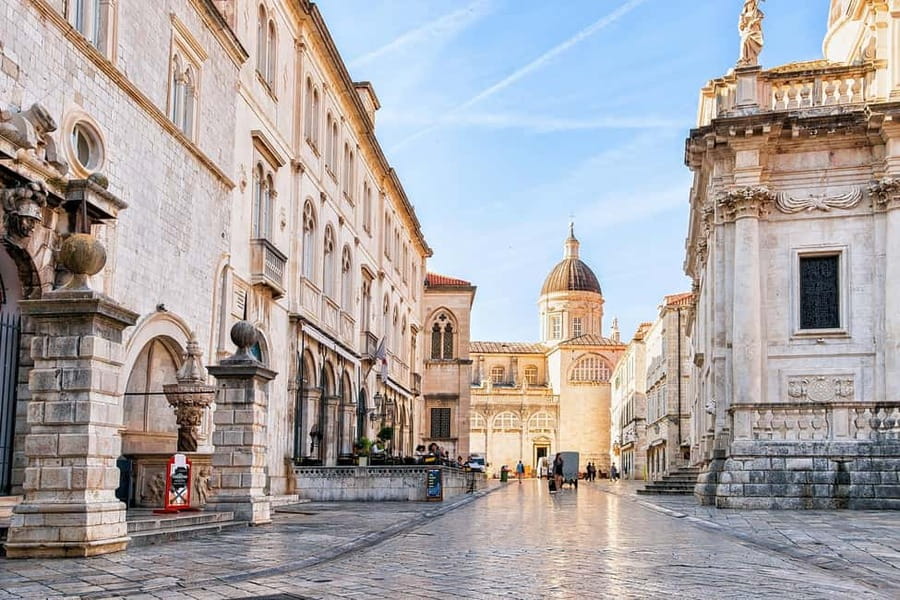
The tour pauses in front of the Dubrovnik Synagogue, described as one of Europe’s oldest synagogues. Even without entering, this stop can be powerful because it ties the building to the idea of community endurance. You’re not just looking at a structure; you’re learning why such a place mattered.
Important: entry to synagogues is not included, so you’ll likely spend your time observing and listening from outside. If you want to go inside, you’ll need to buy tickets separately. I’d treat this tour as the storytelling framework, then add any inside access if that’s a priority for you.
The way the guide frames this synagogue stop is also useful for first-timers. You get context on how Jewish life in Dubrovnik persisted through shifting eras, and how community structures supported resilience even when broader circumstances were difficult.
If you prefer tours that respect your pace, this is a good sign. A good guide knows when to slow down and let the place speak.
You can also read our reviews of more private tours in Dubrovnik




Ploče Gate, Sponza Palace, and the Rector’s Palace: Power Shapes Daily Life
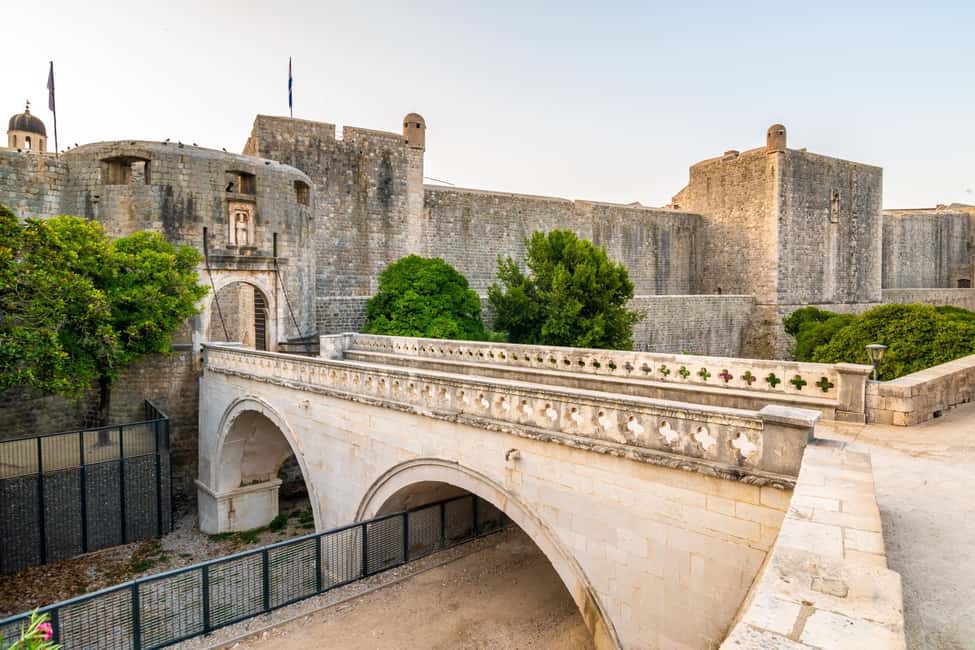
After the Jewish street and synagogue area, you move outward to major Old Town landmarks that help explain how Dubrovnik functioned. The route includes Ploče Gate, Sponza Palace, and the Rector’s Palace.
Here’s why this matters for your understanding. Jewish communities in historical cities weren’t influenced only by their own institutions. They also lived inside the city’s political and economic reality. When you stand at Sponza Palace, you’re in the civic heart of the Old Town. The guide’s commentary connects architecture to governance, trade, and the pressures that shaped who could live where and how.
Then comes Rector’s Palace, a site linked to power and politics. Even if you’re not a “history by the book” person, it helps to see how the leadership of the city created the rules of the environment everyone shared. On this tour, you’re not learning these buildings as isolated facts. You’re learning them as the backdrop to community life.
The potential drawback: because you’re in an outdoor walking format, you won’t get the deeper interpretive content you might find inside major buildings. But the guide compensates by explaining what to look for from street level.
Dubrovnik Cathedral Finish: Art, Architecture, and Jewish Legacy Connections

The tour concludes at Dubrovnik Cathedral. This stop is positioned as a final connection point, where you’ll see not only stunning art and architecture, but also how the Jewish community’s enduring legacy is woven into the city’s broader story.
Because the tour ends here, it’s a good moment to pause and reset your brain. You’ve just walked through gates, a Jewish street, civic palaces, and a synagogue area. Ending at the Cathedral gives you a kind of landing spot, where everything feels tied together rather than scattered across unrelated stops.
Like the synagogue stop, this part of the tour is about context. You may not have time for full interior exploration, especially if there are additional factors in the city. Still, the guided connection is what makes the ending feel more than just another “big church” moment.
Holocaust Remembrance and Rescue Stories on the Walk
One of the most serious elements of the tour is how it addresses the Holocaust, along with the stories of individuals who played vital roles in protecting their fellow citizens during dark times. This isn’t included as a vague mention. The tour is set up so you understand it as part of Dubrovnik’s longer human story.
I appreciate this because it avoids two extremes: it doesn’t turn the past into a checklist of dates, and it doesn’t skip the hard parts. When a guide brings this subject into a place-based tour, it can feel heavy—but also more real than reading a page in a book.
If you’re bringing family members, I’d consider the emotional tone. The tour is only 2 hours, but the subject matter is significant. For many adults, it becomes one of the most memorable segments.
Guide, Languages, and the Real Value of Private Time
The biggest “why this is worth it” piece is the guide. You get a 5-star licensed guide fluent in one of these languages: English, German, French, Italian, Spanish. And because it’s private, you’re not trying to hear over other groups.
Your group size is capped at 1–20 guests per guide, which is a big deal in a place like Dubrovnik’s Old Town. Narrow streets and busy areas can make listening hard even when you think you’re close. Here, the format is built to keep the experience coherent and allow questions.
The guide also includes interesting facts about Jewish history and culture, plus insider tips for what to do next in Dubrovnik, including restaurant, cafe, and pub recommendations. That last part is practical. It saves you from the usual scramble of trying to guess what’s good after you’ve been walking for hours.
Price and What You’re Really Buying (160 USD per Person)
At $160 per person for 2 hours, this is not a budget group tour. So here’s how I’d judge the value.
You’re paying for:
- A private walking format (not shared with strangers)
- A licensed history-focused guide who works in your chosen language
- A route that connects specific Jewish-related locations with civic landmarks
- Additional help after the walk, including restaurant/cafe/pub recommendations
If you’re two or three people traveling together and you want accurate context around the Jewish quarter and synagogue area, the math often starts to look fair. The bigger the group, the more you can benefit from the private time without losing quality.
Where the price may feel steep is if you only want a quick overview and you don’t care much about guided interpretation. In that case, you might prefer a self-guided approach plus a separate synagogue visit.
Practical Planning: Shoes, Weather, and Entrance Tickets
This is a walking tour. You’ll want comfortable shoes. Dubrovnik’s Old Town streets can be uneven, and you’ll be moving steadily between stops.
Weather-wise, you’re covered. The tour will take place in sun or rain, so check the forecast and dress for it. Also, check your email the day before the tour for important updates.
Budget note: entry to synagogues, attraction tickets, food, and drinks are not included. So even though you’re paying for the guide and route, you may still want to set aside money for any inside visits you choose to add.
Meeting detail is also important: you meet in front of Gelateria Dubrovnik on Stradun 17. Don’t enter the restaurant; the staff isn’t informed about the tour.
Who This Tour Is Best For (and Who Should Rethink)
This tour fits best if you:
- Want Jewish history in Dubrovnik explained on foot, with context tied to actual landmarks
- Prefer a private guide who can answer questions in your language
- Like tours that include serious historical material, not just sightseeing
- Value practical guidance after the tour, like where to eat nearby
You might rethink booking if you:
- Want a long, inside-heavy program with lots of museum time (this is 2 hours, and key entries aren’t included)
- Are strictly budget-focused and don’t plan to use the guide’s context to plan the rest of your trip
- Are traveling with someone who may find Holocaust-era topics difficult to handle in a short walking format
Should You Book This Private Jewish History Tour of Dubrovnik Old Town?
I’d book it if you want a smarter, more meaningful Dubrovnik walk. The combination of a licensed guide, the focus on the Jewish street and synagogue area, and the way the tour connects older eras with the Holocaust makes it more than a standard Old Town stroll.
It’s also a strong choice when you care about accuracy. Places like the synagogue area and surrounding streets are easy to misunderstand if you just glance at them. With a guide, you get the why behind the where.
If you’re unsure, use this simple checklist:
- Are Jewish history sites part of what you came to Dubrovnik for? If yes, book.
- Do you want a short, guided route with clear stops from Pile Gate to Cathedral? If yes, book.
- Do you want synagogue entry included automatically? If that’s a must, you may need to plan extra tickets yourself.
FAQ
Where is the meeting point for the tour?
Meet your guide in front of Gelateria Dubrovnik, Stradun 17, 20000, Dubrovnik, Croatia. Please do not enter the restaurant; it’s only a meeting point.
How long is the Jewish History of Dubrovnik Old Town private walking tour?
The tour lasts 2 hours.
Is entry to the synagogue included in the price?
No. Entry to synagogues is not included, and you’ll need tickets separately if you want to go inside.
What languages does the live guide speak?
The live guide is available in English, German, French, Italian, and Spanish.
Is this a private group or a shared tour?
This is a private group experience.
What should I wear for the tour?
You’ll be walking, so wear comfortable shoes. The tour takes place regardless of weather, so check the forecast and dress appropriately.