REVIEW · DUBROVNIK
Authentic Garden to Table Cooking Class in Dubrovnik Countryside
Book on Viator →Operated by Kameni Dvori - Holiday Village Konavle · Bookable on Viator
Dough and garden eggs in Konavle. This hands-on cooking class sends you from Dubrovnik into the countryside, where you’ll knead traditional homemade bread and tour the family garden to gather fresh ingredients like eggs. I love how it feels personal, led by hosts such as Ivo and Katarina, and how the food stays tied to what’s growing right then. One thing to consider: it’s a working homestead, so expect uneven ground and a more hands-on pace than a sit-down workshop.
You’ll also get stories with your meal. Over dinner, the family shares 500-year family tree stories, and if the dessert includes milk, the host may offer the extra experience of milking a goat. It’s a great fit if you want real Mediterranean cooking and Croatian heritage without the crowds.
In This Review
- Quick Highlights Before You Go
- Dubrovnik Countryside Cooking Starts with Bread and a Warm Welcome
- The 5-Hour Flow: From Dough to Garden Harvest to Dinner
- 1) Arrival at the homestead and the day’s plan
- 2) Kneading homemade bread, the traditional way
- 3) Garden time: learn cultivation and gather what you’ll cook
- 4) Back to the kitchen: cooking together, course by course
- 5) Goat milking may be offered (it depends on dessert)
- 6) Family stories while the food cooks
- 7) Time to eat: homemade wine and the meal you helped make
- What You’ll Cook: A Seasonal Konavle Menu Built Around Local Ingredients
- Starter: cured meat, homemade cheese, and warm bread
- Main 1: Lovorno skewer with potatoes and seasonal sides
- Main 2: farm-grown chicken stew with homemade pasta
- Dessert: grandma’s cake (and that milk link to goat milking)
- The Family Tree Stories: Why the Culture Feels Real at the Table
- Price and Value: Is $208 Worth It?
- Pickup, Timing, and Meeting Point Without the Stress
- Dietary Needs: Vegan, Vegetarian, and Gluten-Free Are Handled
- Who Should Book This Farm-to-Table Class (and Who Might Not Love It)
- A Few Extras You May Get on the Day
- Should You Book This Dubrovnik Countryside Cooking Class?
- FAQ
- FAQ
- How long is the Dubrovnik countryside cooking class?
- What is the group size?
- Is pickup available from Dubrovnik?
- Is this experience taught in English?
- Do I receive a mobile ticket?
- Does the menu stay the same or change by season?
- Is wine included with the meal?
- Can the class accommodate vegan, vegetarian, or gluten-free diets?
- Is goat milking included?
- What is the cancellation policy?
Quick Highlights Before You Go
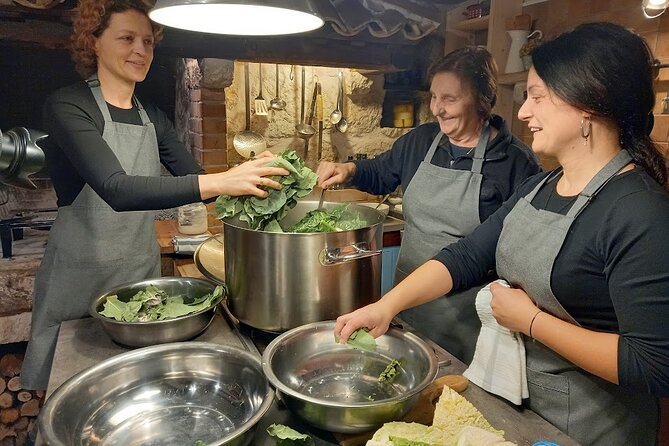
- Small group size (max 8) means more time at the cutting boards and fewer people watching from the sidelines
- Knead your own bread using a traditional recipe, not just a demo
- Garden-to-kitchen harvest: you’ll collect seasonal ingredients (including fresh eggs) and learn how they grow them
- Seasonal menu with two mains and dessert plus homemade red or white wine
- Goat milking can happen if the dessert involves milk
Dubrovnik Countryside Cooking Starts with Bread and a Warm Welcome
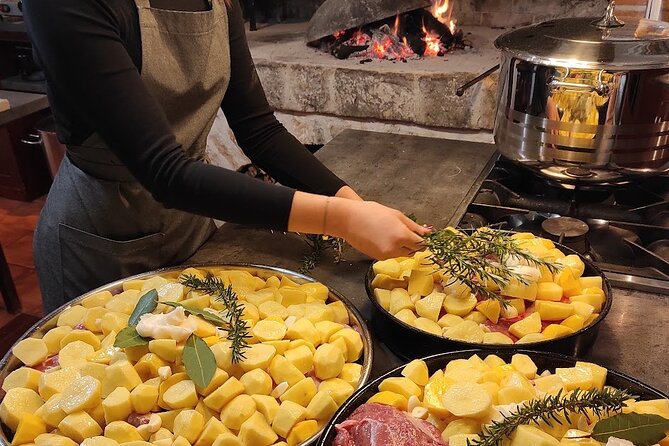
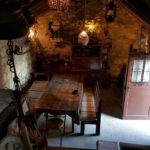
This is one of those Dubrovnik experiences that actually moves you out of the city rhythm. After you arrive at the family’s homestead, you’ll be greeted with a welcome drink and introduced to what the day will include. The program is season-based, so you’re not repeating a script that never changes.
I like that it’s not a bus-and-bite stop. You’re working on food you helped shape—from bread dough to ingredients gathered in the garden—so you leave with a clearer idea of Mediterranean cooking as a daily habit, not a one-time stunt.
Also, the family involvement is real. In the stories and the way the hosts explain things, you can feel that the homestead isn’t a stage set. It has been in the family for many generations, and that shows in how they talk about the land and the food.
You can also read our reviews of more cooking classes in Dubrovnik
The 5-Hour Flow: From Dough to Garden Harvest to Dinner
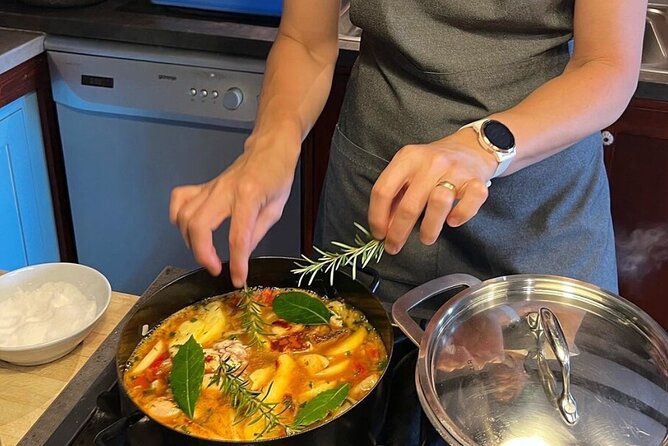
The whole experience runs about 5 hours. That time goes fast because you’re constantly switching gears: prep, harvest, cooking, then eating.
1) Arrival at the homestead and the day’s plan
You start at the homestead (with optional pickup available). Once you’re there, the host lays out the sequence for the day, and you’ll settle in before any cooking starts. It’s a relaxed start, but it also sets expectations so you know what you’ll be making.
If you go with pickup, the transfer vehicles display a sign reading Cooking class. That small detail matters. Dubrovnik can be confusing for arrivals, so it’s helpful to have an obvious meeting point.
2) Kneading homemade bread, the traditional way
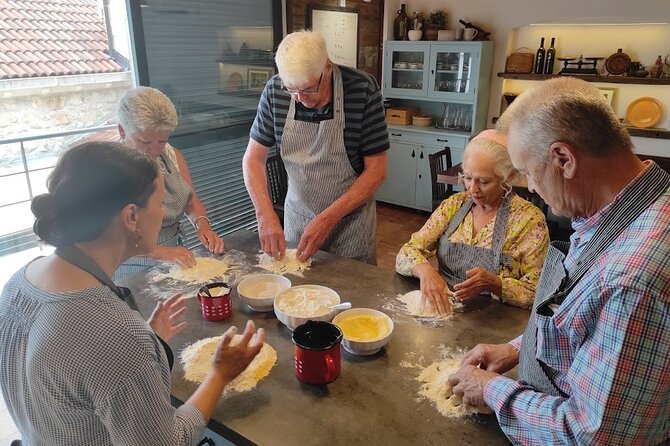
Next comes the bread. Everyone participates in making homemade bread using the traditional recipe, and you’ll knead your own dough. This is the kind of skill you remember because your hands do the work.
You’ll likely see how the recipe connects to local habits—bread as a foundation for the meal, not a side dish. And when the warm bread finally hits the table later, you’ll understand why it matters.
3) Garden time: learn cultivation and gather what you’ll cook
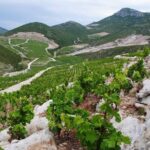
After bread, you head into the garden. You’ll get a presentation of the cultivation method, and then you help collect ingredients. Fresh eggs are part of what you gather, and the rest depends on what the season offers.
This is more than sightseeing. You’re learning how ingredients fit together: what’s ready now, what’s used for oil and preserves, and how seasonal produce drives the menu. If you care about sustainable food, this is where it becomes practical.
You can also read our reviews of more tours and experiences in Dubrovnik
4) Back to the kitchen: cooking together, course by course
Once you return, you shift into cooking. You’ll prepare the dishes that become your meal, with guidance from the family. The day isn’t just about one dish—it typically builds through a starter, two mains, and dessert.
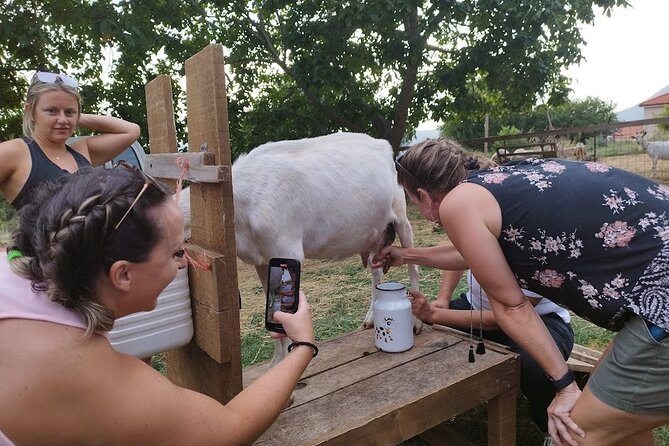
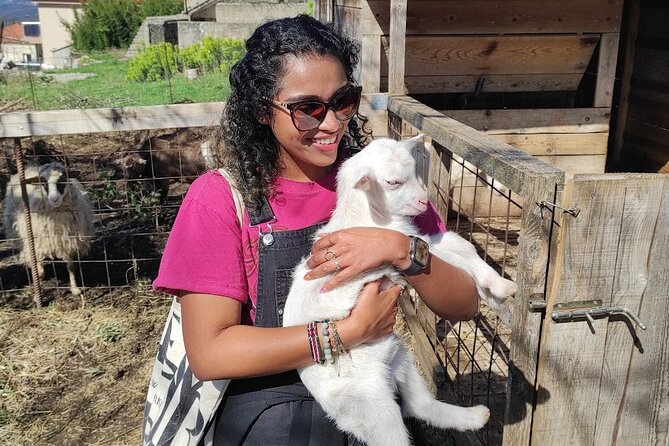
5) Goat milking may be offered (it depends on dessert)
If milk is part of the dessert, the host may offer the experience of milking a goat. This is one of those “you came to a real farm” moments, not a novelty photo op.
If that’s not your thing, you can still enjoy the rest of the program. But I’ll be honest: if you’re squeamish about animals or farm tasks, this part is something you should mentally prepare for.
6) Family stories while the food cooks
While everything finishes, the hosts share family tree stories—described as covering centuries of family history. Names like Ivo and Katarina come up as hosts, and their family involvement feels central to how the day unfolds.
It’s a nice pacing tool, too. Food in a traditional cooking setup often takes longer than a restaurant timeline, so the stories help fill the waiting time in a meaningful way.
7) Time to eat: homemade wine and the meal you helped make
Finally, you sit down to taste what you made, with homemade red or white wine. This is where the “farm to table” idea becomes obvious: the meal tastes like it belongs to the place.
The wine isn’t an afterthought either. It’s served as part of the full table experience—food, bread, and the seasonal courses all together.
What You’ll Cook: A Seasonal Konavle Menu Built Around Local Ingredients
The exact menu depends on the season and what’s available in the garden. Still, the typical flow includes a starter, two mains, and dessert.
Here are the sample dishes you may make and eat:
Starter: cured meat, homemade cheese, and warm bread
You’ll start with cured meat and homemade cheese, served with warm bread, pickled vegetables, spreads, and homemade olive oil. This kind of starter makes sense on a farm table: it’s flavorful, filling, and uses ingredients that keep well.
Main 1: Lovorno skewer with potatoes and seasonal sides
The menu often includes a dish like Lovorno skewer, featuring pork meat cooked on bay leaf branches, served with country-style potatoes. You’ll also see boiled vegetables seasoned with homemade olive oil and a seasonal salad.
The bay leaf branch detail is a useful reminder: in this cooking style, herbs and woodsy aromatics aren’t garnish. They’re part of how the flavor gets built.
Main 2: farm-grown chicken stew with homemade pasta
Another common main is farm-grown chicken stew made with fresh vegetables and fruits. It’s cooked with wine and served with homemade pasta.
This is classic Mediterranean logic—sweet fruit flavors meeting savory stew, with wine adding depth. It’s the kind of dish that tastes comforting, but it also carries that local, seasonal character.
Dessert: grandma’s cake (and that milk link to goat milking)
Dessert can include grandma’s cake. If it uses milk, that’s when you may get the goat-milking experience.
So if you want the full farm moment, this dessert is your hinge point. If milk isn’t involved, you’ll still get dessert—just without the milking part.
The Family Tree Stories: Why the Culture Feels Real at the Table
The storytelling is built into the cooking rhythm. As you wait for dishes to finish, the host shares 500-year family tree stories, giving context for the farm and the food.
What I find valuable here is not “history as trivia.” It’s history as explanation: why they do things the way they do, how the family adapted farming and cooking over time, and how food stays connected to identity.
You’ll hear names tied to the day—often Ivo and Katarina—plus the sense that multiple generations and family members help run the homestead. That multi-generational involvement shows up in the way tasks are shared and in how the day feels like a living household rather than a scripted attraction.
Price and Value: Is $208 Worth It?
At $208 per person, this class isn’t the cheapest way to eat in the Dubrovnik area. But it also isn’t just a meal. You’re paying for a full experience: transportation support (when you choose pickup), hands-on cooking time, garden ingredient gathering, wine with the meal, and storytelling built into the schedule.
Here’s what makes it feel like value:
- You do the work (bread kneading, gathering ingredients, cooking courses), not just taste
- Multiple courses are included, typically with two mains and dessert
- Homemade wine is part of the tasting
- The group is small (max 8), which keeps it personal
If you’re the type of traveler who enjoys learning by doing, you’ll probably feel the price is fair. If you only want a quick meal with no active participation, a standard restaurant dinner may be simpler. But for a “get out of the city and learn real food habits” day, this lands in the sweet spot.
Pickup, Timing, and Meeting Point Without the Stress
The meeting point is at Kameni Dvori – Holiday Village Konavle, Lovorno 11, 20215, Gruda, Croatia. If you’d rather not drive or navigate, pickup is offered, and the transfer vehicles display a Cooking class sign.
This matters because Dubrovnik’s streets and timing can be tricky, especially if you’re trying to avoid wasting daylight. With pickup, you can focus on arriving ready to cook.
The class duration is about 5 hours, so plan your day accordingly. I suggest you avoid stacking tight tours right afterward, since you’ll finish with food and wine.
Dietary Needs: Vegan, Vegetarian, and Gluten-Free Are Handled
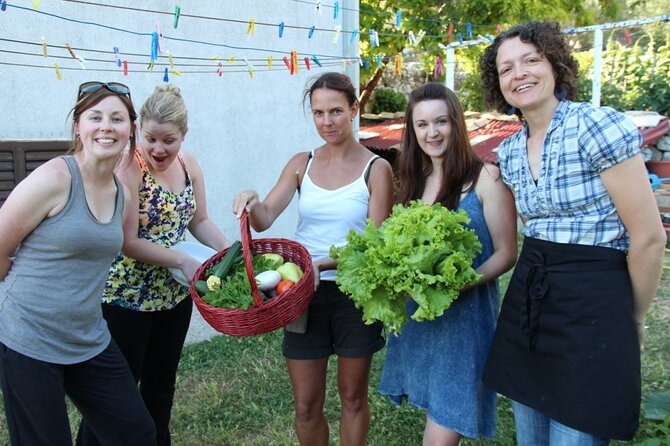
If you’re planning around dietary restrictions, this is a strength of the experience. Vegan and vegetarian meals are available, and gluten-free meals are also available.
The good part is that they say they can accommodate flexible dietary restrictions. That doesn’t guarantee every edge case, but it’s a signal that they take planning seriously rather than telling you to “figure it out on the day.”
If you have dietary requirements, message them when you book so they can adjust the menu. It’s one of those small prep steps that makes the day smoother.
Who Should Book This Farm-to-Table Class (and Who Might Not Love It)
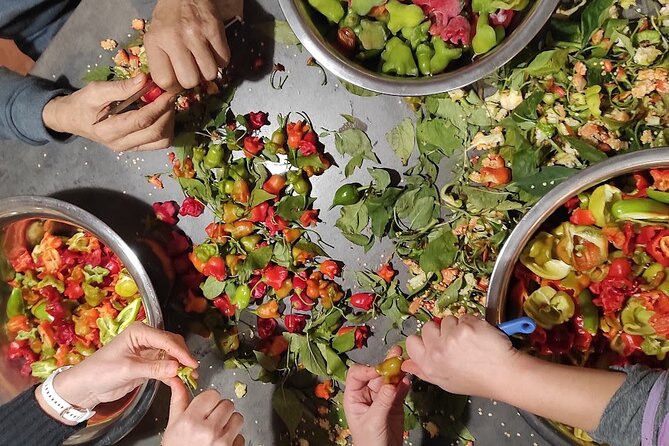
This class fits best if you want:
- A hands-on food experience rather than a viewing-only tour
- A break from Dubrovnik crowds for a few hours in the Konavle countryside
- Real Croatian table cooking tied to seasonal ingredients
- A blend of food and culture through storytelling
You might not love it as much if you:
- Prefer highly structured, fast-paced itineraries
- Dislike farm tasks like gathering ingredients or the possibility of goat milking
- Want a big group party atmosphere
One more note from how the family runs the day: it can feel like you’re visiting a household. You’re not just buying a ticket; you’re joining a workflow.
A Few Extras You May Get on the Day
The core program is consistent, but there can be additional moments depending on how the day shapes out. For example, one account described a countryside bicycle ride with a family member and a stop connected to wine sampling. That kind of added countryside time may not be guaranteed every day, but it hints at how generously the family treats the experience when schedules align.
Either way, you’ll definitely get the cooking, the garden harvest, the family storytelling, and the meal with homemade wine as the main event.
Should You Book This Dubrovnik Countryside Cooking Class?
If you’re choosing between a standard Dubrovnik food stop and a real farm-to-table day, I’d lean toward this one. It’s built around bread making, garden harvesting, and cooking multiple courses with a small group. The price reflects that time and participation, and the small-group feel keeps it from becoming rushed.
Book it if you:
- Want an authentic Konavle experience away from the city
- Like learning through action (kneading dough beats watching hands)
- Care about seasonal cooking and sustainability in a practical, real-world way
Skip it if:
- You’re looking for a quick, low-effort meal
- You strongly dislike farm chores or animal-related activities
FAQ
FAQ
How long is the Dubrovnik countryside cooking class?
The experience lasts about 5 hours.
What is the group size?
The class has a maximum of 8 travelers.
Is pickup available from Dubrovnik?
Pickup is offered. The transfer vehicles display a sign that reads Cooking class.
Is this experience taught in English?
Yes, it’s offered in English.
Do I receive a mobile ticket?
Yes, the experience includes a mobile ticket.
Does the menu stay the same or change by season?
The dishes depend on the season and the available ingredients in the garden.
Is wine included with the meal?
Yes. At the end, the meal is ready for tasting with homemade red or white wine.
Can the class accommodate vegan, vegetarian, or gluten-free diets?
Yes. Vegan and vegetarian meals are available, and gluten-free meals are available too. The team can accommodate flexible dietary restrictions.
Is goat milking included?
It’s offered if the dessert includes milk. The host will offer the experience of milking a goat in that case.
What is the cancellation policy?
You can cancel for a full refund if you cancel up to 24 hours in advance. If you cancel less than 24 hours before the experience starts, the amount paid is not refunded.