REVIEW · DUBROVNIK
Traditional Dalmatian Cooking Class from Dubrovnik
Book on GetYourGuide →Operated by Dubrovnik FOOD Story · Bookable on GetYourGuide
Dalmatia tastes different after you cook it. This full-day traditional Dalmatian cooking class takes you from Dubrovnik to a country estate outside the city, where you learn by doing. You start with a welcome drink, get cooking tools and instructions, then work your way into a proper multi-course meal with your hosts.
I especially like the hands-on feel of the day. You’re not just watching from the sidelines. You’ll get your fingers into bread mixtures, taste spices as you go, and put together a seasonal menu that reflects what the family actually has on the property.
One consideration: this tour is not recommended for vegans, and it isn’t designed for mobility needs. If that applies to you, it’s worth looking for a different style of food tour.
In This Review
- Key Highlights You’ll Feel in Your Hands
- Getting Out of Dubrovnik and Into the Real Working Kitchen
- The 4-Course Meal: Why Cooking Beats Just Eating
- Dalmatian Specialties You Might Make: Peka, Menestra, and More
- The Farm-to-Table Parts: Garden Picking, Goat Milking, and Fresh Cheese
- The People Running the Day: Guides, Hosts, and Friendly Pace
- Wine, Spirits, and the Long Meal at the End
- Price in Context: What $235 Covers (and What You’re Paying For)
- Who This Dalmatian Day Suits Best
- Should You Book This Dalmatian Cooking Class?
- FAQ
- Where does this cooking class take place?
- What will I cook and eat during the day?
- Is the tour suitable for vegans?
- What’s included in the price?
- What should I bring and wear?
- Is it wheelchair accessible or suitable for mobility impairments?
- What is the cancellation policy?
Key Highlights You’ll Feel in Your Hands
- A country estate day outside Dubrovnik with a welcome drink and all tools provided for cooking
- A full 4-course meal made by you, based on seasonal ingredients
- Dalmatian classics in the mix, like peka, menestra, stews, and meat skewers
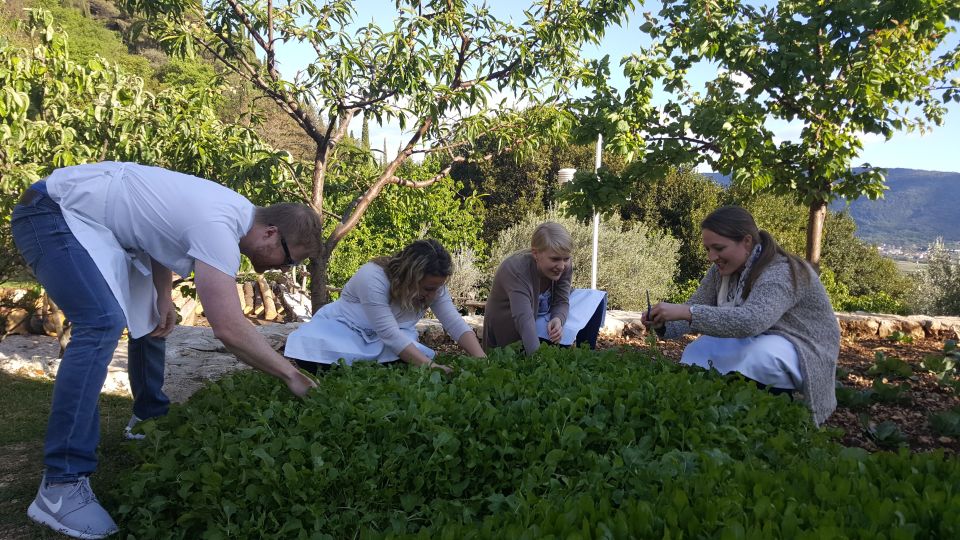
- Farm time beyond the kitchen: picking produce, learning goat milking, and sampling fresh cheese
- Wine and spirits with the meal (wine, liquors, brandy, juice, and water included)
- Real people leading the day, with licensed guides such as Oliver, Marija, and Miho, plus hands-on hosts like Nike and Ba Ba on some departures
Getting Out of Dubrovnik and Into the Real Working Kitchen
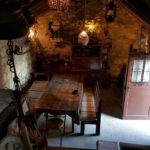
The day starts with transportation by an air-conditioned vehicle, picking you up in Dubrovnik and taking you to the countryside on the outskirts. You’ll arrive at a traditional country house with a welcome drink and everything set up so you can cook without hunting for tools or figuring out logistics.
If your schedule is packed with Dubrovnik sights, this is a smart reset. You trade crowded streets for real routines: ovens, fires, produce, and the rhythm of a family estate. You’ll also get practical guidance right away, so even if you’re not a confident cook, you can still contribute.
On some departures, you might stop along the way at a rural food site such as an old olive mill before reaching the main property. It’s a nice touch because it explains where local ingredients come from, not just what ends up on your plate.
Wear comfortable shoes and practical clothes. You’ll be on your feet, working near heat sources, and using your hands. High heels aren’t allowed, so choose stability over style.
You can also read our reviews of more cooking classes in Dubrovnik
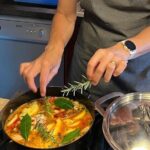
The 4-Course Meal: Why Cooking Beats Just Eating
The big value here is that the menu is not something you simply order. You make it. Your day is structured around a seasonal 4-course menu, and you’ll be involved enough that you can name what you made and why it tastes the way it does.
Here’s what that typically means in practice:
- You prep and cook multiple dishes, not just one starter
- You taste along the way, including wild spices and flavor components
- You end with a long sit-down meal where everything comes together
Food tours can sometimes feel like a guided snack. This one feels like a workday on a family property—just a fun one. By the time you sit down to eat, you understand the process, not only the final flavor.
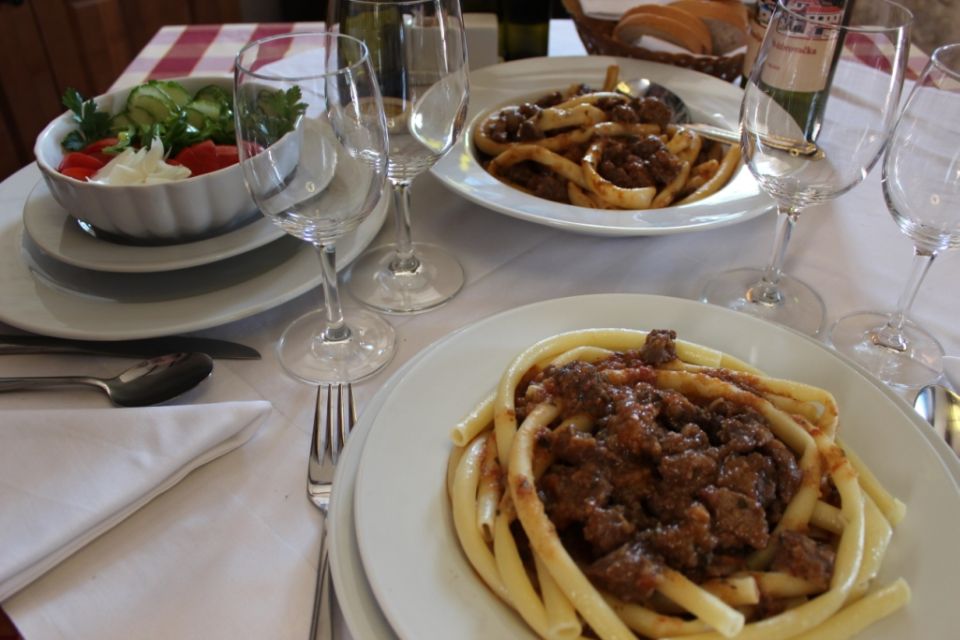
And you’ll likely eat a lot. The meal is described as an epic feast, and the menu tends to include breads, savory mains, and desserts. Several past participants pointed out the portions were generous, so plan for a full day of eating.
Dalmatian Specialties You Might Make: Peka, Menestra, and More
Dalmatian cuisine is built on coastal ingredients meeting hearty countryside cooking. During your class, you’ll learn dishes that match that mix. The exact dishes vary by season and what’s available on the estate, but you can expect examples like these:
Peka
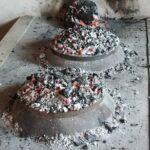
This is a lamb or veal dish traditionally baked under an iron bell. It’s classic Dalmatia because it’s practical and flavorful: slow heat, tender meat, and a method that belongs to family kitchens and countryside gatherings.
Menestra
A cabbage and potato stew that shows how the region turns humble vegetables into something deeply satisfying. It’s the kind of dish you can imagine eating often, not just on special occasions.
Meat skewers and stews
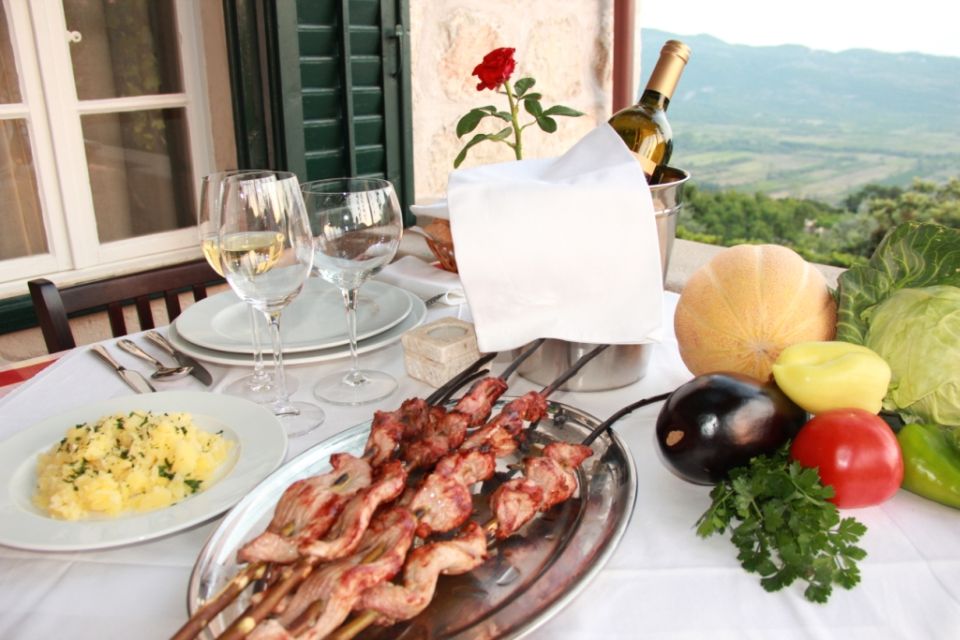
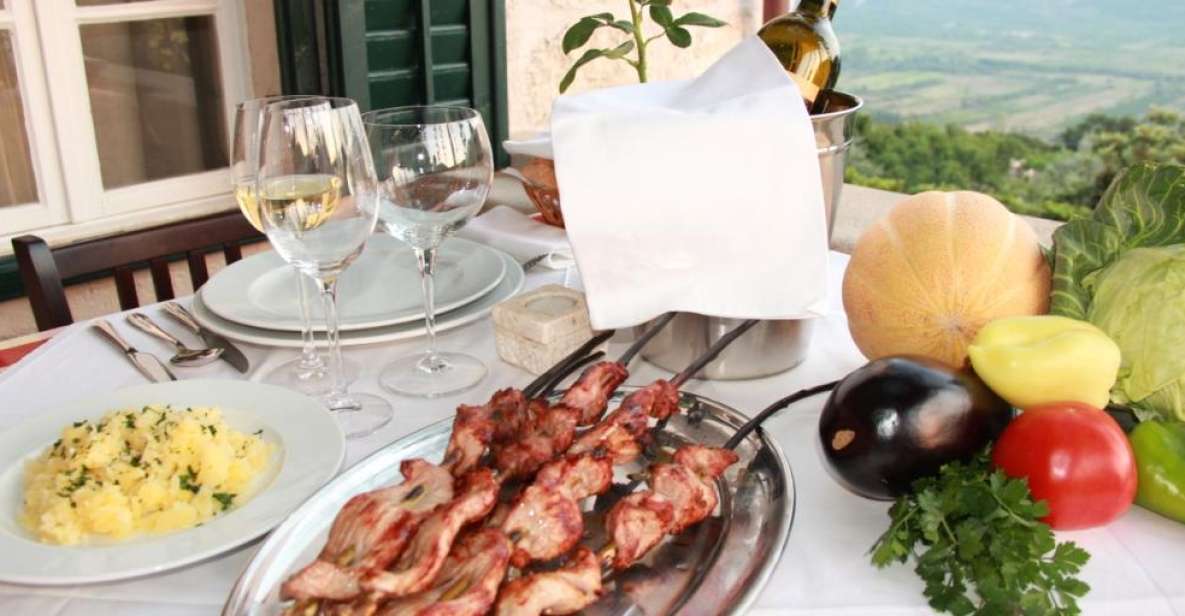
You might make traditional meat skewers and/or a Dalmatian chicken stew. One participant described pork skewers cooked over an open fire on bay leaves, which is the sort of detail that explains the region’s love of cooking with scent and smoke.
Rustic bread and seasonal desserts
You’ll learn homemade bread in a rustic style, and you may also make local sweets or desserts depending on the day’s menu. At minimum, dessert is part of the seasonal 4-course plan.
One useful mindset: treat this as a cooking fundamentals day for Dalmatian flavors. Even if you don’t leave with exact recipes you’ll reproduce perfectly, you’ll learn how the family thinks—seasonal ingredients, bold spice handling, and comfort-food technique.
The Farm-to-Table Parts: Garden Picking, Goat Milking, and Fresh Cheese
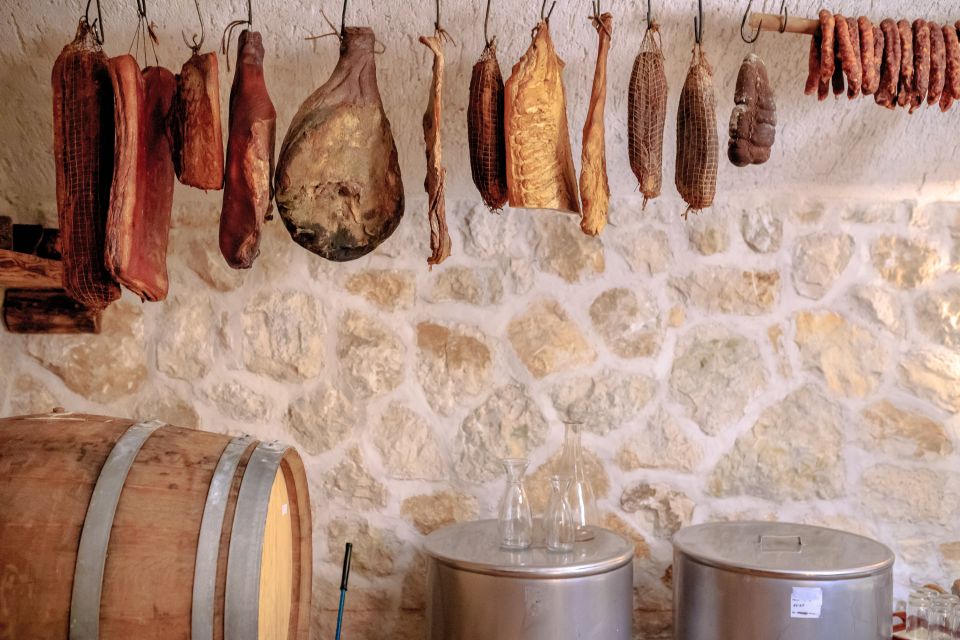
A lot of cooking classes say farm-to-table. This one actually includes farm work on the property.
Expect time for picking fresh veggies and fruit right from the garden. It’s more than a photo moment. When you pick the ingredient yourself, you notice it—texture, ripeness, and how it changes once it hits the kitchen.
You may also learn farm tasks such as milking a goat and getting fresh cheese from the farm. That matters because it connects the dish to a real system of care and labor. You’re not learning food theory; you’re learning how living ingredients become meals.
If you enjoy “how things work” more than formal culinary technique, you’ll likely have a great time here. Several people highlighted that the host family also shared their lifestyle and property history, so you’re getting cultural context while you’re actively cooking.
You may also cook and prepare food in an outdoor, traditional setting, including open-fire cooking depending on the day’s setup. Again, exact conditions can vary, but the hands-on approach is consistent.
The People Running the Day: Guides, Hosts, and Friendly Pace
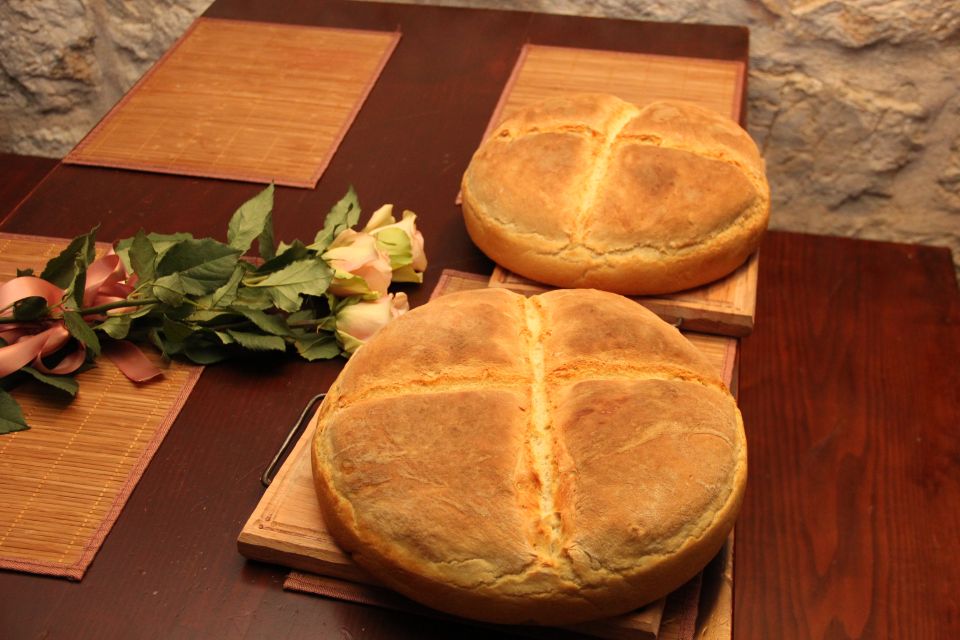
This is a licensed-guide style tour, with English instruction. The best part is how hands-on the hosts and guides tend to be. You’re guided step-by-step, then pulled into the process instead of hovering around the edge.
You may be led by different guides on different days. Past participants specifically named people like Oliver, Nike (in a host role during the class), Miho, and Marija, and mentioned hosts such as Ivo and Ba Ba. Even with different names, the pattern is the same: the family-style hospitality and active involvement.
On the ride, some guides also share background on Croatia—history, food culture, and what life on the estate looks like. One tip from that kind of conversation: ask simple questions when something makes sense to you. When they describe spices, wines, or farm practices, a good follow-up question often turns into a mini lesson.
You can also read our reviews of more tours and experiences in Dubrovnik
Wine, Spirits, and the Long Meal at the End
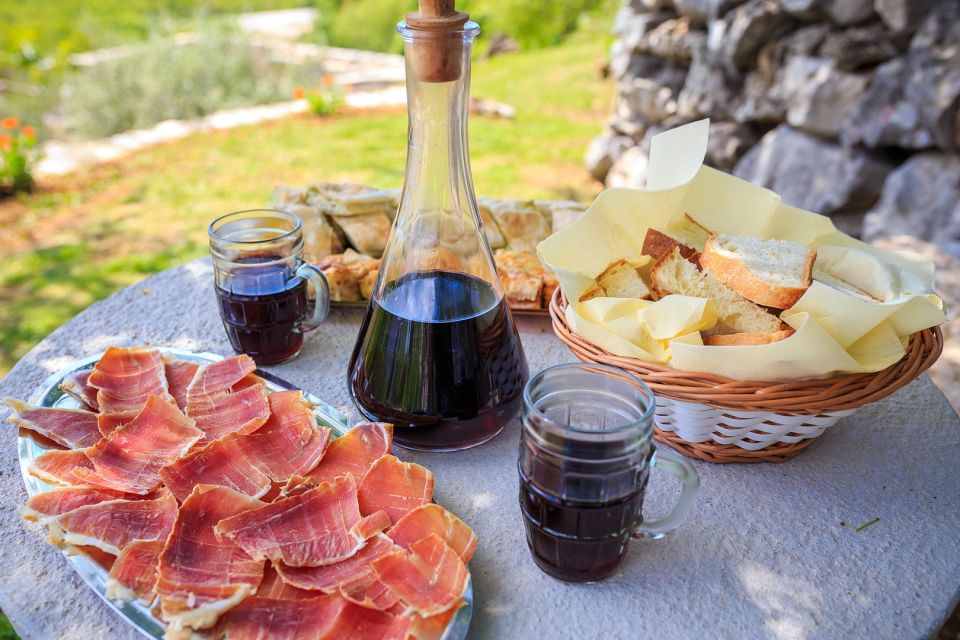
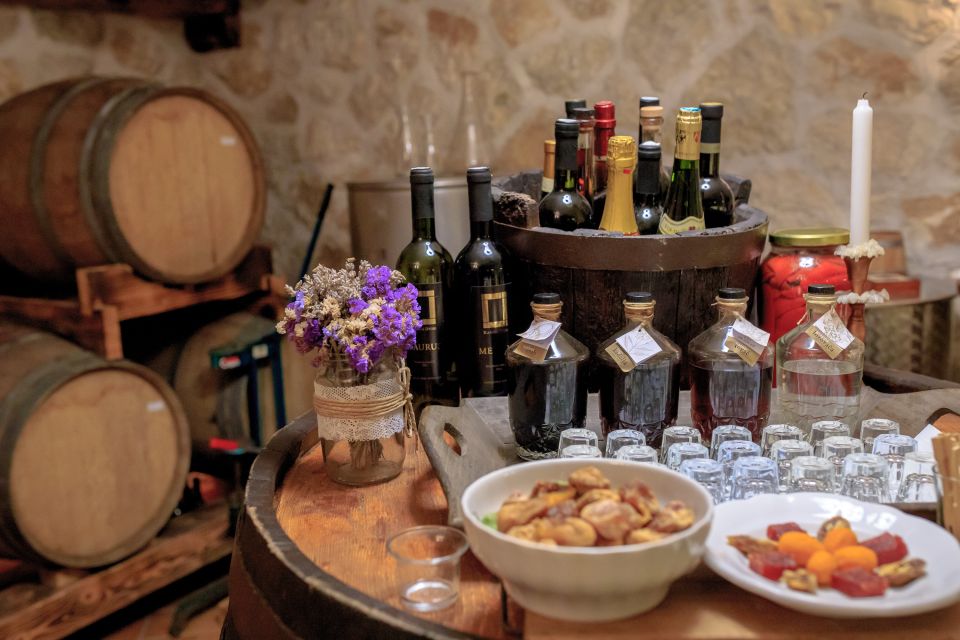
You’ll have drinks included with the meal: wine, liquors, brandy, juice, and water. That’s a big part of what makes the day feel like a celebration, not just a classroom.
The goal isn’t to turn it into a party. It’s more like this: the family finishes cooking, pours drinks, and welcomes you to eat the results together. It’s a social tradition, and the drinks are part of that shared table.
If you want to pace yourself, do it early. Start with the meal while you’re still clear-headed, and keep water coming between courses. You’ll be on a full-day schedule, and you’ll want your energy for the farm activities too.
Price in Context: What $235 Covers (and What You’re Paying For)
At $235 per person, this is not a budget lunch. But it also isn’t a simple restaurant meal with a guide.
Here’s what you’re paying for, based on what’s included:
- Transportation by air-conditioned vehicle
- A licensed guide
- Cooking equipment
- A seasonal 4-course menu you help prepare
- Drinks including wine, liquors, brandy, juice, and water
- Access to the family estate activities like garden picking and farm tasks
When you break it down, the price makes more sense. You’re not just buying food. You’re buying a day on a family property with instruction, ingredients, drinks, and structured cooking support. That’s closer to a cultural workshop than a tasting menu.
The most common mismatch I see with tours like this is taste preference. If you eat a lot of vegetable-forward food and prefer vegan cooking, this isn’t built for you. If you’re comfortable with meat and dairy and you like real cooking practice, the value improves quickly.
Who This Dalmatian Day Suits Best
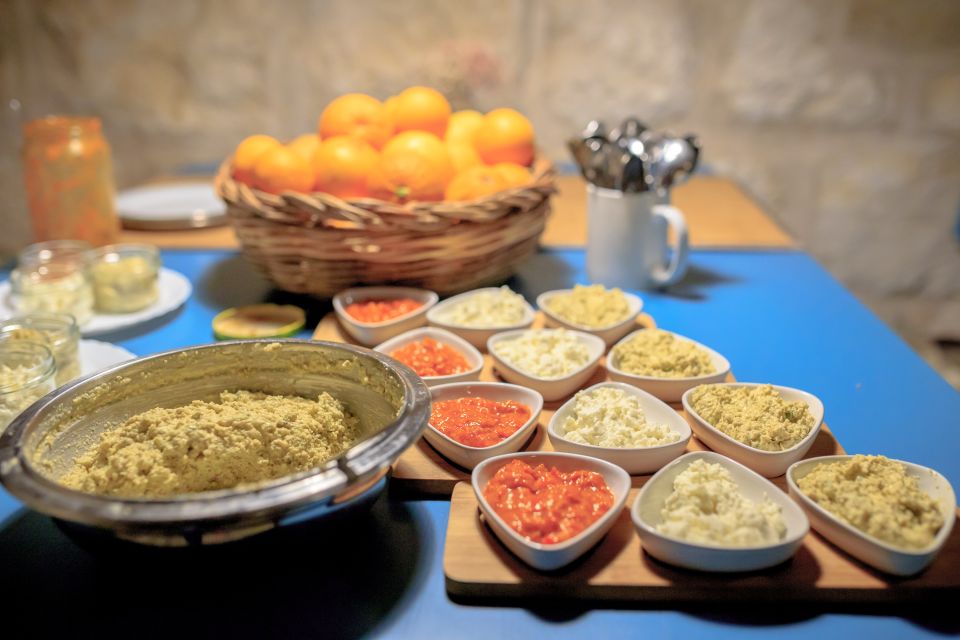
Choose this tour if you want:
- A hands-on Dubrovnik food day that feels rural and local
- Dalmatian classics like peka and menestra in a practical, learn-by-doing format
- Farm-to-table activities that go beyond a quick garden walk
- A meal that includes wine and a sit-down feast at the end
Skip it (or at least don’t force it) if:
- You follow a vegan diet, since it’s not recommended for vegans
- You need wheelchair access or mobility-friendly routing, since it’s not suitable for people with mobility impairments
Also, if you’re arriving right before or after a crowded sightseeing day, set expectations. This one is active. Comfortable shoes aren’t optional.
Should You Book This Dalmatian Cooking Class?
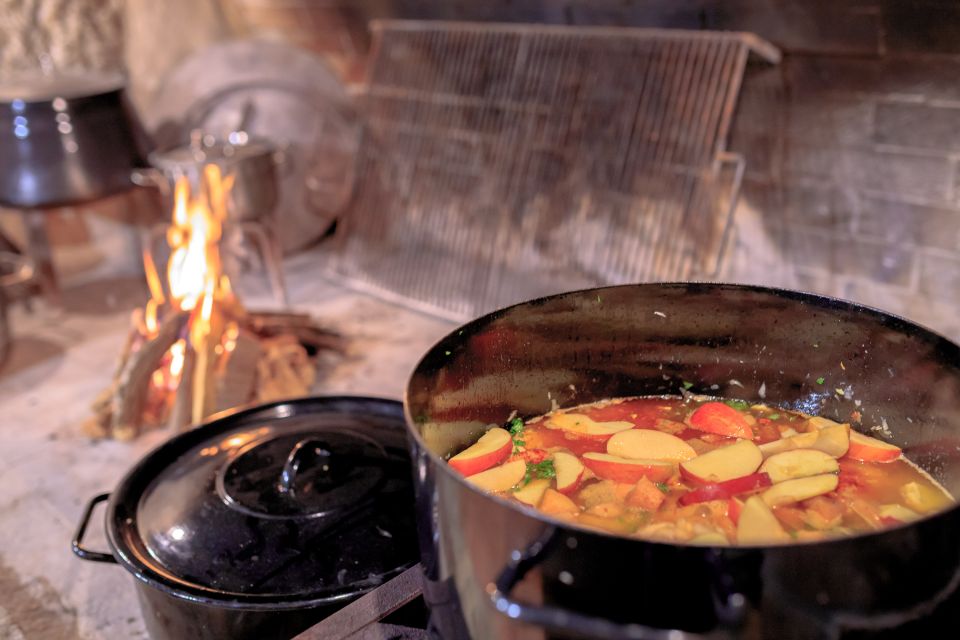
If you’re the type of traveler who remembers meals by the hands-on process, this is a great pick. You’ll come away with Dalmatian cooking skills, a better sense of how an estate runs, and a meal you genuinely helped make.
Book it when you want to trade Dubrovnik crowds for a full day with a local family in the countryside. If your diet has strict limits like vegan preferences or you need accessible support, you’ll likely be happier choosing a different format.
FAQ
Where does this cooking class take place?
It takes place in Dalmatia, Croatia, with time at a typical country house on the outskirts of Dubrovnik. You’ll be transported there by air-conditioned vehicle.
What will I cook and eat during the day?
You’ll enjoy a seasonal 4-course menu and help prepare dishes that may include Dalmatian peka, menestra, meat skewers, Dalmatian chicken stew, rustic-style bread, and desserts. The menu can change based on what’s fresh and in season.
Is the tour suitable for vegans?
No. The tour is not recommended for vegans.
What’s included in the price?
Transportation by air-conditioned vehicle, a licensed guide, cooking equipment, and drinks including wine, liquors, brandy, juice, and water are included. The seasonal 4-course menu is also included.
What should I bring and wear?
Bring comfortable shoes and comfortable clothes. High-heeled shoes are not allowed.
Is it wheelchair accessible or suitable for mobility impairments?
No. It is not suitable for people with mobility impairments and it’s not for wheelchair users.
What is the cancellation policy?
You can cancel up to 24 hours in advance for a full refund.