REVIEW · DUBROVNIK
Dubrovnik: City Walls, Old Town Walking Tour & Adriatic View
Book on GetYourGuide →Operated by OceanAir Travels · Bookable on GetYourGuide
Old walls, sharp stories, sea views. This small-group tour strings together Dubrovnik’s top sights from Pile Gate to the City Walls with guided history you can actually picture, plus lots of photo time. I especially like how you move from postcard views to real details, like the ancient fountain water and Franciscan pharmacy stop. One thing to plan for: the City Walls entrance ticket (40€) is not included in the tour price.
You’ll walk the spine of Dubrovnik’s Old Town, starting on Stradun and working your way toward the walls for sweeping Adriatic panoramas. Guides (I’ve seen names like Divo, Ivan, Indira, and Dubravka) tend to be animated and practical, and they’ll help you find the best angles for photos—plus pace things if someone’s a bit nervous on heights. It’s a 2.5-hour outing that runs rain or shine, so wear comfortable shoes and expect lots of steps.
In This Review
- Key highlights that make this tour worth it
- From Nautika to Pile Gate: getting your bearings in Dubrovnik
- Pile Gate and Stradun: the Old Town’s main stage
- Onofrio’s Fountain and the small details you’ll miss alone
- Cathedral of the Assumption and the Jesuit Stairs views
- Luža Square and the Clock Tower moment
- St. Saviour and the city’s survival stories
- Franciscan Monastery and the pharmacy: a memorable optional ticket
- Old City Harbor walk: where the sea stops being background
- City Walls (UNESCO): the 80-minute sea-view payoff
- City Walls ticket cost (and how to budget)
- How the guide helps you enjoy heights
- Photo tip you can use right away
- Who this tour fits best (and who should think twice)
- Price and value: what you really pay for
- Should you book this Dubrovnik Old Town + City Walls tour?
- FAQ
- How long is the tour?
- What does the $25 price include?
- Are City Walls entry tickets included?
- Is the Franciscan Monastery included?
- Where do I meet the guide?
- What languages are available?
- Does the tour run in bad weather?
- Is the tour suitable for wheelchair users?
Key highlights that make this tour worth it

- Pile Gate to Stradun in one go: you get oriented fast, then learn what you’re looking at as you walk.
- Fountain photo stop with a story: you sip history at the Large Onofrio’s Fountain and learn what to notice nearby.
- Franciscan Monastery pharmacy visit (optional ticket): the chance to see the world’s oldest operating pharmacy is a strong payoff.
- Cathedral, Jesuit Stairs, and Luža Square: you’ll hit the iconic viewpoints, then get context behind them.
- UNESCO City Walls with real sea panoramas: about 80 minutes on the walls, guided to the best sections and viewpoints.
- Small-group feel: better Q&A and more time at the good photo spots than you’d get on a huge bus-group crawl.
From Nautika to Pile Gate: getting your bearings in Dubrovnik

The tour starts at Nautika Restaurant, behind the statue of Aphrodite and Pan. That’s a handy meeting point because once you’re moving, the walking takes you right into Dubrovnik’s old-school layout—narrow lanes, key squares, and view corridors that keep appearing around corners.
The big win here is orientation. Dubrovnik can feel like a maze until someone points out the rhythm of the town: where Stradun sits, how the squares connect, and why certain buildings matter when you’re looking toward the sea. In a short 2.5 hours, you’ll feel like you can navigate on your own afterward.
You can also read our reviews of more walking tours in Dubrovnik
Pile Gate and Stradun: the Old Town’s main stage
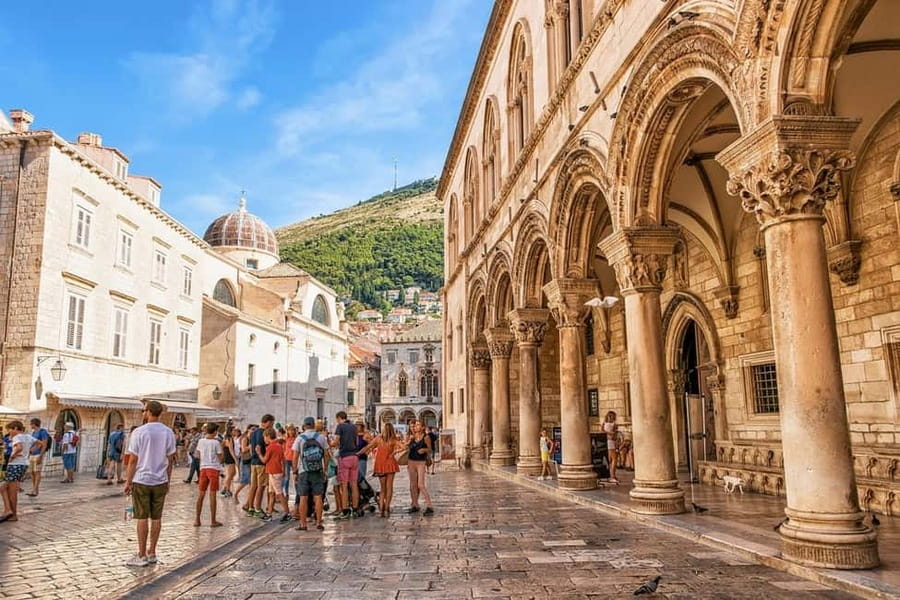
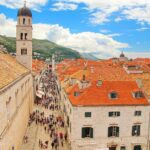
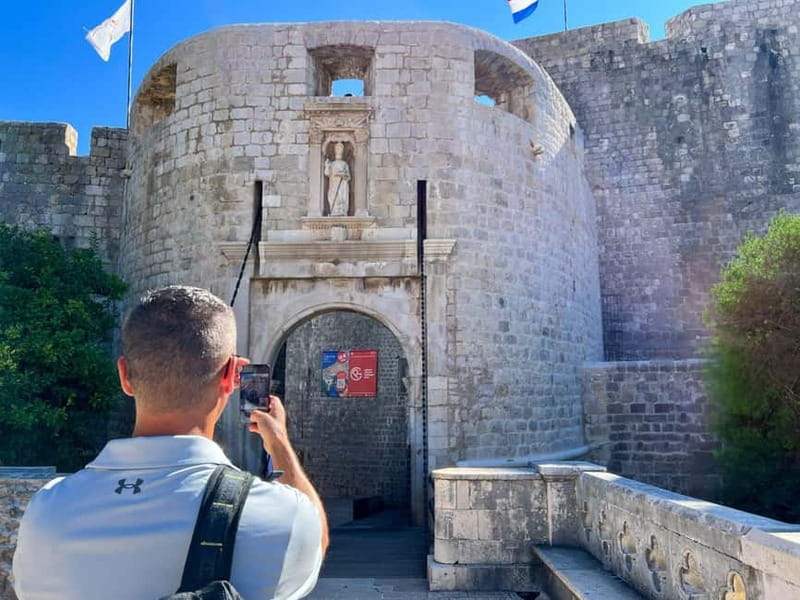
You enter through Pile Gate, Dubrovnik’s classic start point for anyone who wants the city walls experience to feel like a journey, not just a tick-box stop. From there, the tour heads down to Stradun, the lively main street that acts like the town’s spine.
Stradun is where you’ll understand Dubrovnik’s scale and geometry. Buildings line both sides, the street opens into squares, and you’ll start noticing the mix of everyday life with monumental architecture. This is also where your guide’s stories make the place click—war, rebuilding, and how the city kept its character even after major shocks.
Practical tip: if you like photos, pay attention to what your guide points out as you walk. The best shots on this route usually come from small turns and specific spots, not from random stopping.
Onofrio’s Fountain and the small details you’ll miss alone
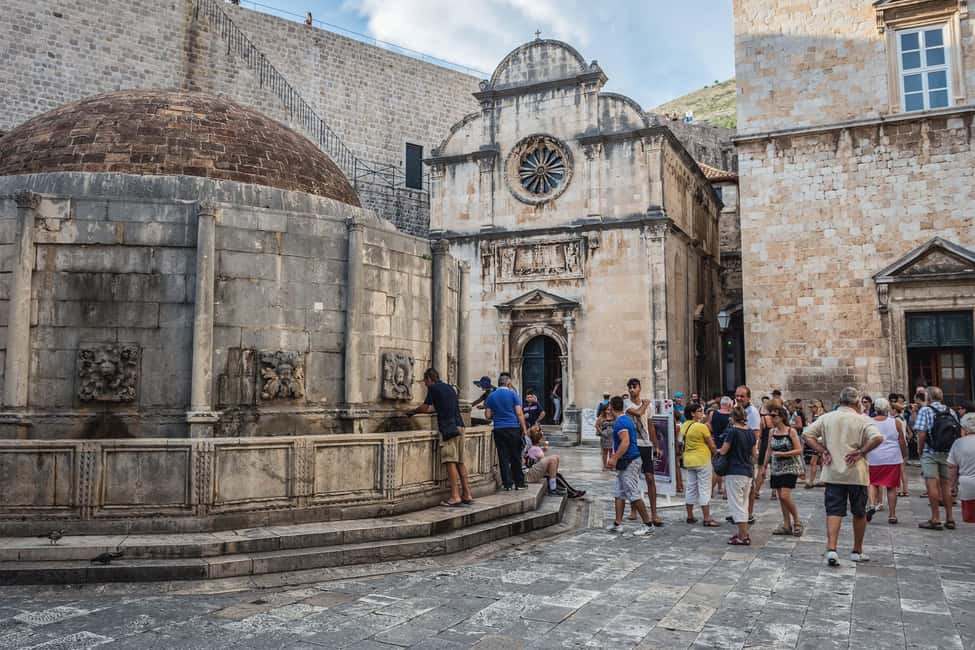
Next comes Large Onofrio’s Fountain, one of those Dubrovnik sights that looks simple until you learn what it means. You’ll have a photo stop here, and the tour includes the story of drinking from the fountain—another reminder that this city wasn’t built for postcards alone. It was built for daily life, and that daily life has history layered into it.
Right after, the itinerary passes Dubrovnik Natural History Museum. It’s not a long stop, but it’s a good example of how this tour keeps you moving while still giving you a sense of what surrounds the headline sights.
Cathedral of the Assumption and the Jesuit Stairs views
Dubrovnik’s main church, the Cathedral of the Assumption, is next with a guided visit. The value here isn’t just seeing the building—it’s learning what to notice while you’re standing in front of it, including how different parts of the complex connect to the city’s identity over time.
Then you’ll hit the Jesuit Stairs. You’ll get a photo stop and guided time here, and this is one of the places where you feel the famous Dubrovnik “look up” effect. The stairs make you earn the view, and on a clear day the panorama starts to feel like a reward rather than a chore.
Luža Square and the Clock Tower moment
You’ll spend time in Luža Square, including the area around the Clock Tower. This stop works because squares are where Dubrovnik slows down naturally. Even if you’re moving as part of a walking tour, the space gives you a chance to regroup: look around, take in rooftops, and connect what you saw earlier with what’s ahead.
If you’re the type who likes to understand city layout, Luža Square is a good anchor point. You’ll see how the streets funnel movement, and how the city’s key landmarks line up along sightlines.
You can also read our reviews of more city tours in Dubrovnik
St. Saviour and the city’s survival stories
A tour like this earns its keep when it’s not only architectural. You’ll learn about Dubrovnik’s resilience, including stories tied to major moments like the War of Independence and the earthquake. That context changes how you look at the stonework. Instead of thinking only about beauty, you start thinking about repair, survival, and why certain places were rebuilt the way they were.
Even better: the tone stays human. Guides tend to explain the why behind events, then connect it to what you can still see today.
Franciscan Monastery and the pharmacy: a memorable optional ticket
One of the most talked-about stops on this route is the Franciscan Monastery, where you can see one of the world’s oldest operating pharmacies. The catch: the monastery is optional ticketed. You can purchase entry on site, or it may be covered if you have a valid DU Pass.
This is worth planning around because the pharmacy element isn’t a typical “look at a church, move along” stop. It’s a story about continuity—how a place keeps serving people across centuries. When you’re deciding whether to pay the optional ticket, this is the kind of stop that can make your whole walk feel more specific to Dubrovnik.
Old City Harbor walk: where the sea stops being background
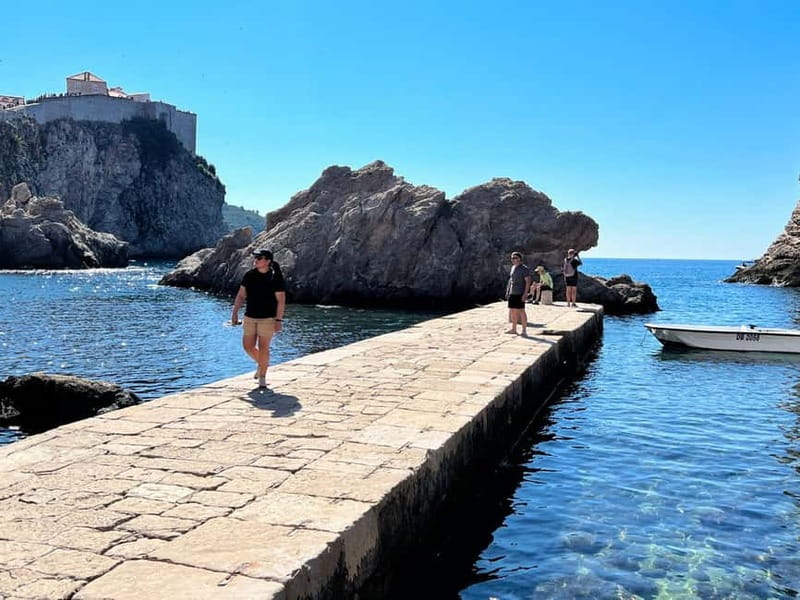
Before the City Walls, you’ll get a scenic walk along the Old City Harbor. It’s a smart transition. The harbor walk is flatter and more open, so you get to feel the coastline, then you’re ready for the walls section where everything gets higher and more dramatic.
This part is also where the timing matters. If the light is good, you’ll get the sense that the Adriatic isn’t just scenery—it’s part of Dubrovnik’s defensive logic and its day-to-day life.
City Walls (UNESCO): the 80-minute sea-view payoff
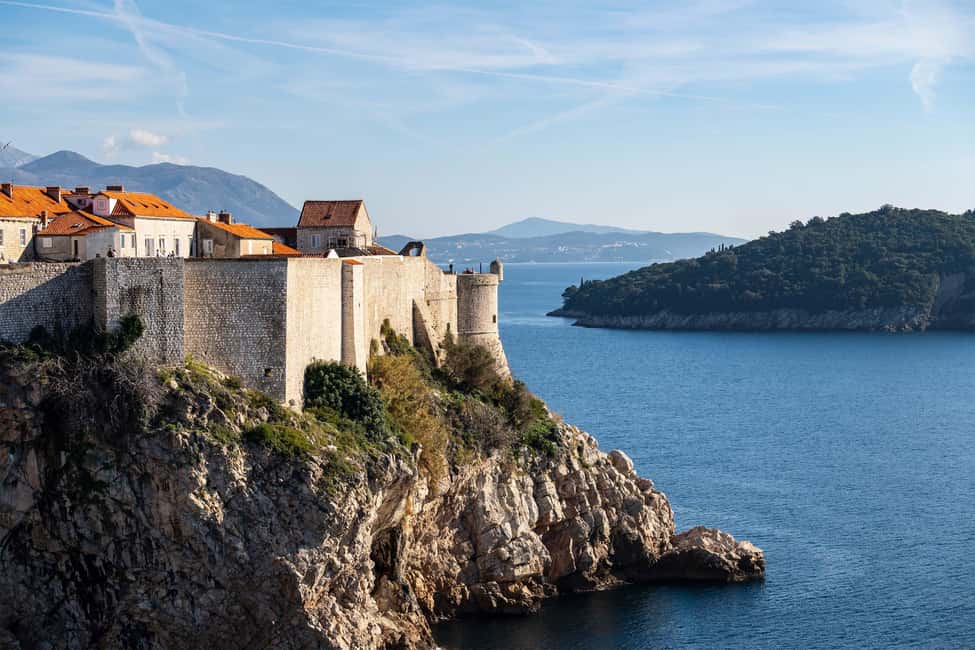
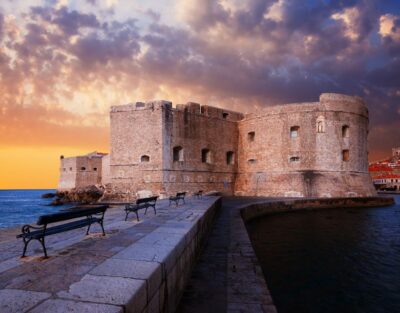
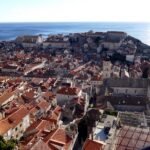
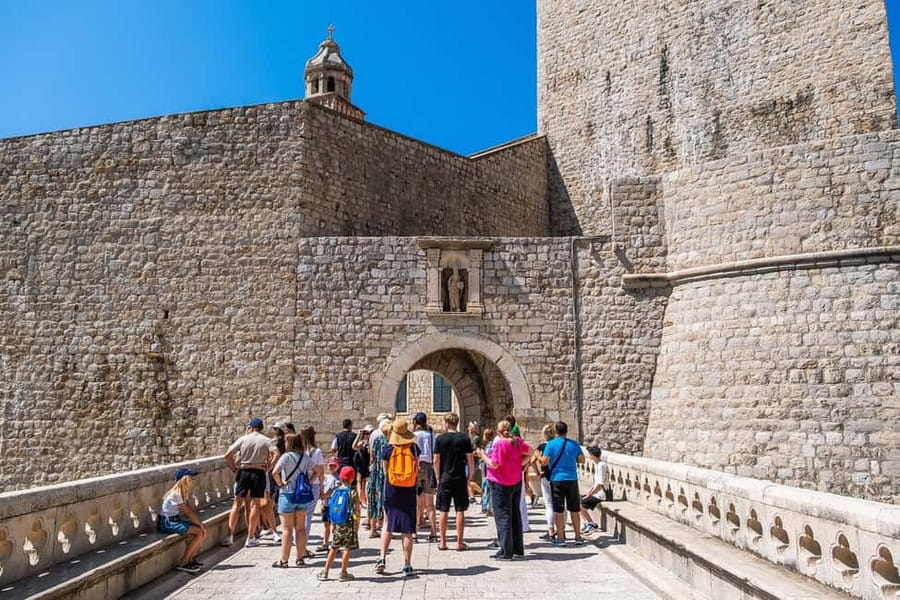
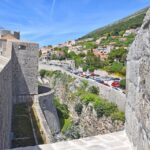
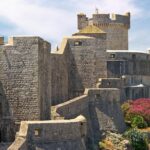
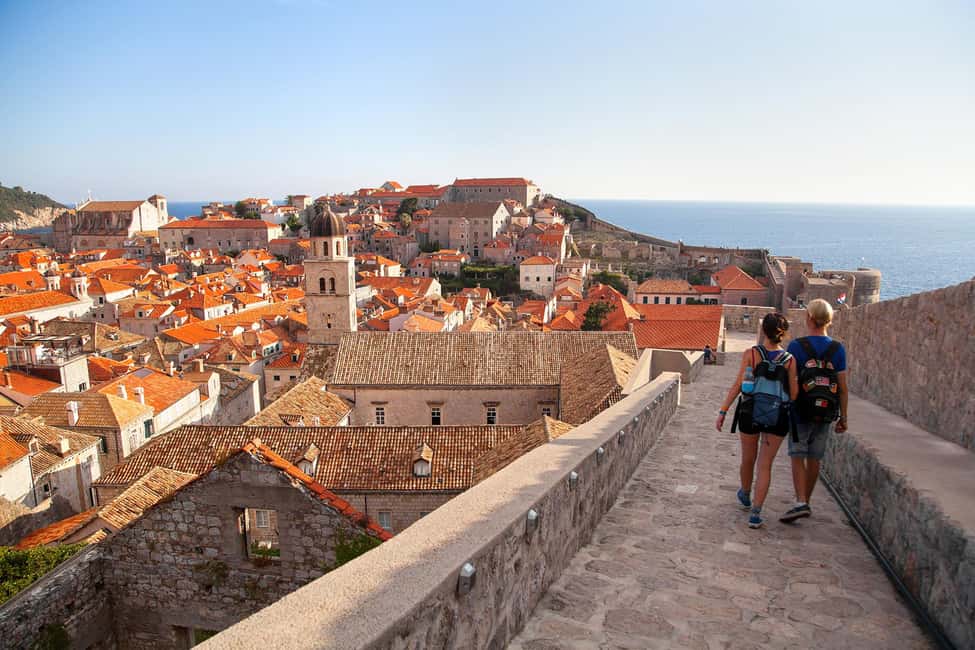
The tour’s big finale is the UNESCO-listed City Walls, with about 80 minutes on the walls for guided sightseeing. This is the portion you’ll remember later, because you can look down at rooftops, up at stone, and out toward the open sea all at once.
City Walls ticket cost (and how to budget)
Here’s the practical math: the tour price is listed as $25 per person, but City Walls entrance is 40€ if you buy it on site. If you have a DU Pass, the walls entrance can be free. If you don’t, you’re still paying a fair price for a guided, photo-friendly route plus a proper introduction to the walls’ best sections.
How the guide helps you enjoy heights
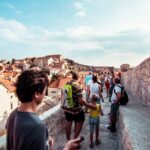
This walls section can be intense if you’re not used to heights. One highlight from guide feedback is how they help keep nervous people comfortable—through pacing and guidance. So if you’re worried, don’t assume you’ll be left behind. A good guide manages the flow.
Photo tip you can use right away
Your guide will show you the best spots for photos, and that matters because the walls offer dozens of angles. If you simply wander, you might miss the viewpoints that match the sea-view “signature” angles. Pay attention when they point at a stretch of wall, because that’s often where the view lines up with the city’s shape.
Who this tour fits best (and who should think twice)
This tour is best for you if you want a guided orientation plus serious sightseeing in a tight timeframe. It also suits people who like history that connects to what they see—war, rebuilding, and the way Dubrovnik’s identity shows up in stone and street layout.
It’s not a fit for wheelchair users and it’s not suitable for people with mobility impairments, mainly because you’re walking a historic Old Town with stairs and uneven areas. Also, it runs rain or shine, so plan for wind and damp conditions.
If you’re traveling solo or as a couple, a small group makes a big difference. You get more back-and-forth with the guide, and you’re less likely to feel rushed at the key photo pauses.
Price and value: what you really pay for
At $25 per person, you’re paying for a certified local guide and the structure that turns random landmarks into a coherent walk. The added 40€ City Walls ticket is the main extra cost, and it’s not a surprise—this is a walls-focused experience, so plan the budget accordingly.
You also have an optional cost at the Franciscan Monastery, which can be purchased on site or covered with a DU Pass. If you’re watching your spending, you can prioritize the walls and consider the monastery based on your interests in historical pharmacy and religious heritage.
In plain terms: if you want the walls views but don’t want to figure out the best route and stories on your own, this is a solid deal.
Should you book this Dubrovnik Old Town + City Walls tour?
Book it if you want the easiest path to feeling oriented in Dubrovnik fast—Pile Gate to Stradun to walls—with a guide who gives you context, not just directions. It’s also a great choice if you care about photo spots; the guide-led pauses make a real difference, and the stories give you something to say when you later look at your pictures.
Skip it (or adjust expectations) if you dislike heights, since the City Walls section is a major part of the experience. And budget for the City Walls entrance if you don’t have a DU Pass.
If you’re doing Dubrovnik for the first time and you want one walking tour that hits the big icons and the reasons behind them, this is a smart way to spend 2.5 hours.
FAQ
How long is the tour?
The tour lasts about 2.5 hours.
What does the $25 price include?
It includes a certified local guide and the Old Town walking tour in a small group.
Are City Walls entry tickets included?
No. City Walls entrance tickets are 40€, and they can be free with a valid DU Pass.
Is the Franciscan Monastery included?
The monastery visit is tied to an optional ticket. You can purchase entry on site, or it may be free with a valid DU Pass.
Where do I meet the guide?
Meet your guide in front of Nautika Restaurant, behind the statue of Aphrodite and Pan.
What languages are available?
The live guide is available in German, English, and Spanish.
Does the tour run in bad weather?
Yes. The tour operates rain or shine.
Is the tour suitable for wheelchair users?
No. It is not suitable for wheelchair users, and it’s also marked not suitable for people with mobility impairments.