REVIEW · DUBROVNIK
Dubrovnik: Insider 90-Minute Walking Tour With a Local
Book on GetYourGuide →Operated by Dubrovnik Local Guides · Bookable on GetYourGuide
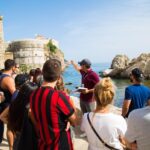
Dubrovnik clicks faster with a local guide. In 90 minutes, you get a max-8 group and a licensed English-speaking Dubrovnik guide who turns the Old Town from pretty walls into a living story. You’ll start just inside the eastern entrance at Ploče Gate and head straight into the places that shaped the city.
I especially like the mix of Old Port Ragusa trade talk plus hands-on, playful moments. You’ll go to Dubrovnik Cathedral (and hear how it was rebuilt after devastating earthquakes), then join a game about Saint Blaise statues scattered around town. One possible drawback: it’s still a walking tour—so if you’re hoping to linger in every doorway, you’ll feel the time limit at a few stops.
In This Review
- Key highlights you’ll feel on the walk
- Where you meet and how the tour starts inside Dubrovnik
- Ploče Gate, a monastery stop, and the Old Town mood shift
- Old Port: Ragusa between East and West
- Dubrovnik Cathedral: Baroque beauty plus earthquake survival
- Church of Saint Ignatius and the stops that add texture
- Gundulić Square: produce, souvenirs, and a bit of theater
- Rector’s Palace: the seat of power, plus the cats
- Sponza Palace and the architecture clues you can reuse later
- Saint Blaise Church and the statue hunt effect
- Onofrio’s Fountain: the finish that slows you down
- Price and value: is $32 worth 90 minutes?
- Guides you might meet and what they bring to the walk
- Who this tour suits best (and who should consider another option)
- Should you book this Dubrovnik Old Town walking tour?
- FAQ
- How long is the Dubrovnik walking tour?
- How big is the group?
- Where do I meet the guide?
- Is the tour in English?
- What’s included in the price?
- What will we see during the walk?
- Is there an interactive element on the tour?
- Can I cancel and get a full refund?
Key highlights you’ll feel on the walk
- Small group energy (max 8) means real conversation, not just head-down listening
- Old Port Ragusa stories explain why Dubrovnik thrived between bigger powers
- Dubrovnik Cathedral rebuild context makes the architecture hit harder
- Saint Blaise statue hunt adds a fun way to remember the details
- Local-life pointers and food ideas help you plan the rest of your day fast
Where you meet and how the tour starts inside Dubrovnik
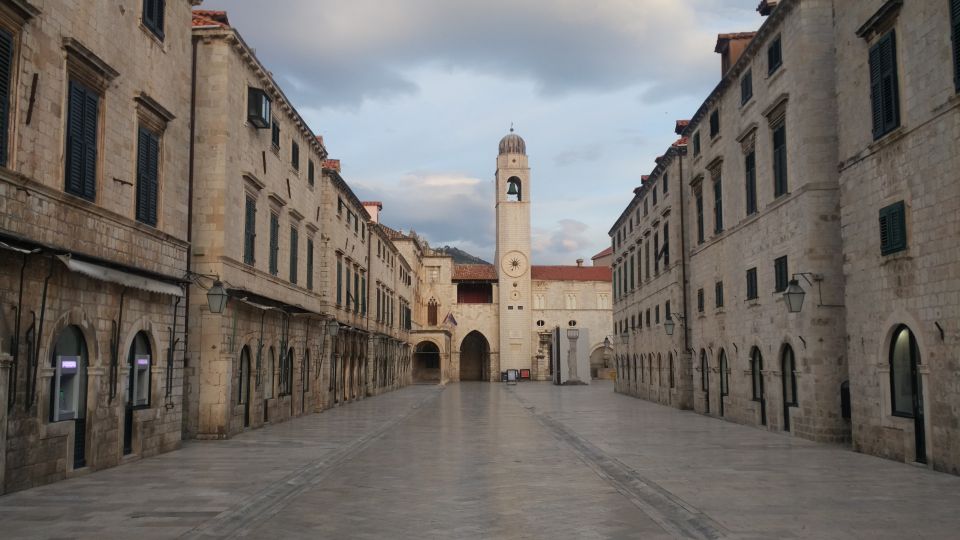
You meet in the corner of the square in front of Revelin fort, just inside Ploče Gate, holding a red and white flag by the cannon. That matters because it drops you into the Old Town through one of the main entry points, so you’re not crisscrossing town just to begin.
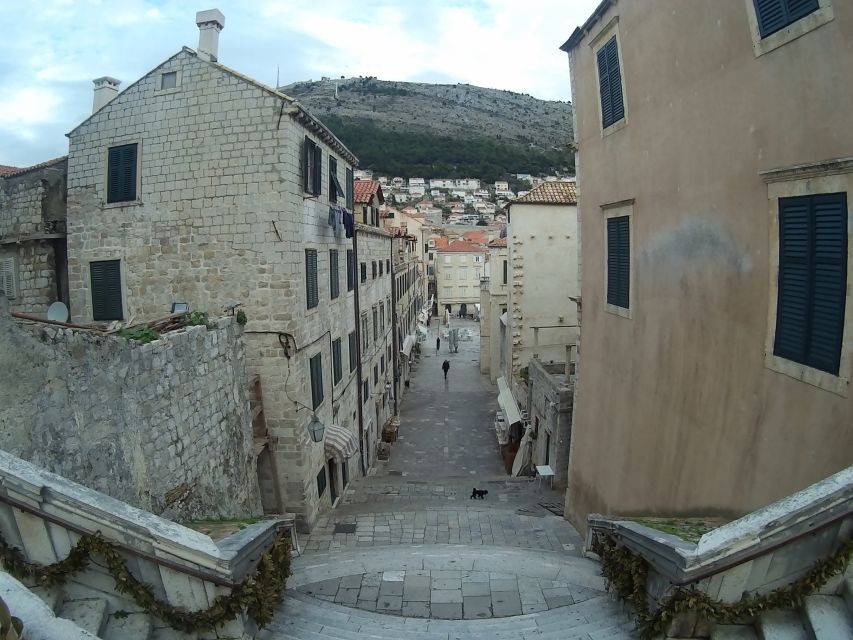
From the first minutes, the pacing is built for orientation. Dubrovnik can feel like one long loop of walls and stone, but your guide gives you a mental map: where the city’s power centered, where daily life spills into the streets, and how the buildings connect.
If you’re the type who likes to ask questions, this tour’s format helps. A small group means you’re more likely to get direct answers—especially when you want clarity on confusing street layouts or dates.
You can also read our reviews of more walking tours in Dubrovnik
Ploče Gate, a monastery stop, and the Old Town mood shift
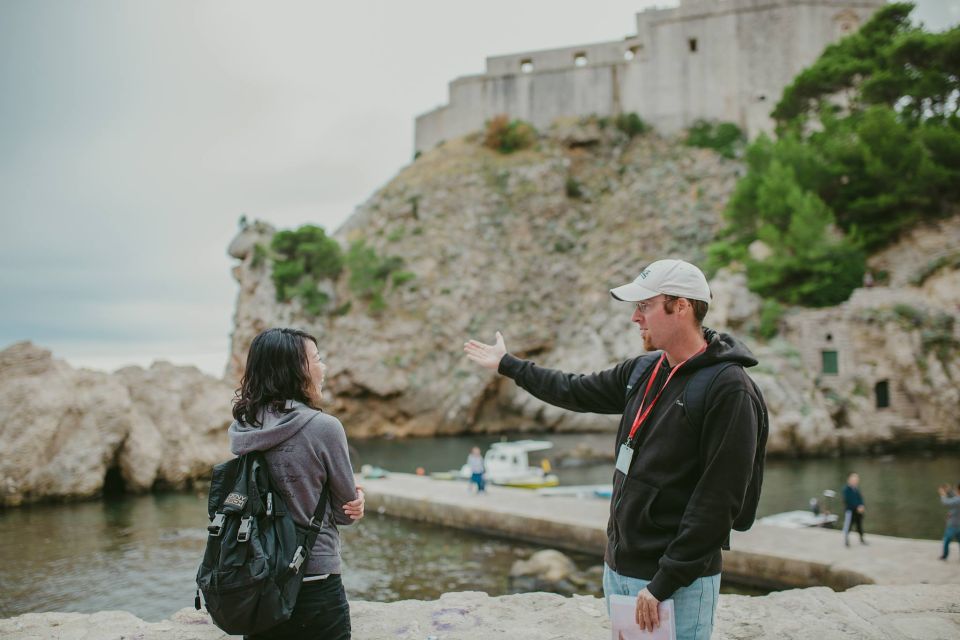
The walk begins with a short stop at Ploče Gate. It’s a quick hit of structure and defense, then you move on into the Old Town’s quieter corners.
Soon after, you’ll see the Dominican Monastery and Museum area. Even with only a brief window, this stop is useful because it signals that Dubrovnik isn’t only about medieval walls and grand squares. Religious institutions shaped education, culture, and community rhythms, and your guide uses architecture to connect those dots.
This is also where you’ll start noticing the “why” behind what you see. Instead of you just taking photos, you’re learning what features to look for next—stone styles, building functions, and how changes over time show up on the street.
Old Port: Ragusa between East and West
The Old Port stop is one of the big reasons to do this tour early in your visit. You’ll hear how the old Republic of Ragusa became a major maritime trading power—positioned between East and West, and competing with heavier hitters like Venice and the Ottoman Empire.
The guide’s storytelling angle is key here. It’s not only dates and names. You’ll picture galleys setting out with trade goods, then connect that to why Dubrovnik’s wealth and influence took the architectural forms you can still see today.
One practical benefit: once you understand the city’s trading logic, the Old Town feels less random. Streets, buildings, and public spaces stop looking like a film set and start looking like decisions made by people who depended on ships, routes, and reputation.
Dubrovnik Cathedral: Baroque beauty plus earthquake survival
Next up is Dubrovnik Cathedral, a Baroque masterpiece that your guide frames as both artistic and resilient. You’ll look at details up close enough to feel the craftsmanship, then hear the story of how the cathedral was rebuilt after devastating earthquakes.
That earthquake context changes how you read the building. Instead of seeing it as a single “wow” moment, you understand it as a survivor—an important reminder that Dubrovnik’s beauty came through rebuilding, not just original grandeur.
You’ll also get the city’s spiritual anchor through Saint Blaise. Your guide doesn’t just mention him; you’ll play an interactive game tied to Saint Blaise statues around town. It’s a clever way to break the usual tour pattern of “look, listen, move on,” and it helps you remember what you saw.
Church of Saint Ignatius and the stops that add texture
As you continue through the center, you’ll pass by Crkva sv. Ignacij (Church of Saint Ignatius). Even when time is tight, this kind of stop is valuable because it adds variety to the architectural story.
Without this, Dubrovnik Old Town can start to blur into one sweeping “ensemble.” With a few well-chosen churches in the mix, you understand how different faith and civic influences left visible marks—styles, details, and what each building likely represented for daily life.
The tour’s short stops keep you moving, but they still give you enough orientation to notice differences rather than just admiring everything equally.


Gundulić Square: produce, souvenirs, and a bit of theater
Gundulić Square is where the tour shifts from monuments to everyday flow. You’ll move through a lively marketplace feel, where local produce and souvenirs make the space feel like it’s still used—not just frozen for tourists.
Your guide also brings in culture and language play. You’ll learn about Ivan Gundulić and you might try pronouncing Croatian with the group. It’s not a formal lesson, but it’s a fun way to stop treating the city like a museum you’re passing through.
This stop also includes a very practical part of the experience: recommendations for where to go for lunch, dinner, snacks, and drinks. That’s worth real attention. Dubrovnik can be easy to overpay in, so having a local suggest options helps you spend smarter after the tour.
If you enjoy local life details—how people actually use the space this hour, not just how the city looked centuries ago—this is where you’ll feel it most.
Rector’s Palace: the seat of power, plus the cats
Rector’s Palace is where the Republic of Ragusa story turns into something you can see. Your guide explains that this was once the seat of government—where aristocrats met and made political decisions that shaped the city-state.
Then the guide makes it human. There are cats around the palace that many people notice during visits, and your tour leans into them as part of the atmosphere. It’s a small moment, but it gives you a pause that turns the building from “history text” into “place.”
This is also a good stop to ask yourself a question: what did power look like in a city built on trade? The palace helps you connect the dots between wealth, governance, and how the city presented itself to the world.
Sponza Palace and the architecture clues you can reuse later
Sponza Palace is another highlight, and it helps you learn how to read Dubrovnik like an architectural puzzle. Your guide ties features of the building to the broader story of Ragusa and civic life, so it doesn’t feel like another “pretty building” stop.
Here’s why that matters for your trip. If you later walk the Old Town on your own, you’ll recognize patterns faster—what looks like civic function, what signals wealth or administration, and what feels like a spiritual or cultural center.
Sponza Palace also sits in a place where you naturally watch people move through the space. That’s a bonus: you get context while still enjoying the visual beauty.
Saint Blaise Church and the statue hunt effect
The tour includes a stop at the Church of Saint Blaise. This is the payoff moment for everything your guide has been setting up: the patron saint theme, the city identity, and the practical way the game works.
You’ll likely leave with a better sense of where statues and symbols repeat around the town. That repetition is one reason Dubrovnik feels memorable. It isn’t just random decoration; it’s civic messaging tied to belief and protection.
The best part is how you’re learning while walking, not stopping to study. Even if you’re not the type who loves tours, the interactive element keeps you mentally engaged.
Onofrio’s Fountain: the finish that slows you down
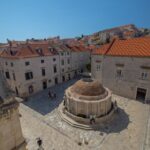
The large Onofrio’s Fountain is a strong way to close. It’s a recognizable Old Town landmark, but what makes it satisfying on this specific walk is how you understand it as part of public life, not just a photo stop.
By the time you reach it, you’ve already heard enough about how the city worked—trade, governance, rebuilding after disasters, and religious identity. So the fountain lands as one more piece in a larger urban system: shared resources, public space, and the daily routines that made Dubrovnik function.
Also, it’s a good moment to regroup. If you’ve been walking fast, you’ll feel your shoulders drop a notch here. It’s the kind of stop where you can take a breath and plan your next move.
Price and value: is $32 worth 90 minutes?
At $32 per person for 90 minutes, this tour is priced in a way that usually makes sense for Dubrovnik—especially because you’re not getting a generic script. You’re getting a small group capped at eight, a licensed English-speaking guide, and an experience built around architecture + daily-life context.
You’re also getting interactive structure (the Saint Blaise game and the language attempts), plus guidance that can save money and time later. A good “where to eat and what to skip” suggestion can easily offset the cost if it keeps you out of the most tourist-priced traps.
Time is the one tradeoff. Ninety minutes is quick, and you won’t be lingering for long. But for a first taste of the Old Town—especially if you’re juggling cruise timetables, short stays, or heat—you’ll likely find it a good value.
Guides you might meet and what they bring to the walk
You may encounter different guides, and the tone tends to stay consistent: local, story-driven, and built for questions.
In past walks, names like Marko and Bruno show up, with compliments for humor, strong historical context, and clear explanations tied to architecture. Lucija, also known as Lucy, is another name you might meet; her approach has included patience with questions and added context about the Homeland War and more recent changes too.
That range is actually useful. Dubrovnik has layers: medieval power, Baroque rebuilding, and modern realities. When a guide can connect those layers without turning everything into a lecture, the city feels more understandable.
One caution from a different perspective: if you’re the type who wants a single continuous story thread from stop to stop, you may find that some guides lean more on quick facts per landmark than one long narrative arc. The architecture-and-insider-life elements can still be worth it—you’ll just want to bring your own curiosity and ask follow-up questions if something feels disconnected.
Who this tour suits best (and who should consider another option)
This tour fits you if:
- You want a strong orientation fast and a guide who can point out what to notice.
- You like short stops tied to explanations, not long museum-style pacing.
- You value a small group because it’s easier to ask questions.
- You’re visiting the Old Town for the first time and want the main sights connected by context.
You might want something longer or different if:
- You hate walking on uneven stone and want lots of sit-down time.
- You prefer deep museum time or guided interior access for a handful of places, rather than many exterior/stop highlights.
Should you book this Dubrovnik Old Town walking tour?
If you’re trying to make your Old Town day feel coherent, I’d book it. The price is reasonable for Dubrovnik, and the small group size plus the mix of architecture, Ragusa maritime stories, and the Saint Blaise game gives you more than a standard sightseeing loop.
It’s also a smart move if you’re short on time. You’ll see the core anchors—Ploče Gate area, Old Port, Cathedral, Rector’s Palace, Sponza Palace, Saint Blaise Church, and Onofrio’s Fountain—while getting practical local recommendations that help you plan the hours after you finish.
FAQ
How long is the Dubrovnik walking tour?
The tour lasts 90 minutes.
How big is the group?
The group is limited to a maximum of 8 participants.
Where do I meet the guide?
Meet your guide in the corner of the square in front of Revelin fort, just inside Ploče Gate (the eastern entrance to the Old Town). The guide will be waiting by the cannon holding a red and white flag.
Is the tour in English?
Yes. The tour is guided in English.
What’s included in the price?
The price includes a professional licensed English-speaking guide.
What will we see during the walk?
You’ll pass major Old Town highlights such as Ploče Gate, Dominican Monastery and Museum area, Old Port, Dubrovnik Cathedral, Crkva sv. Ignacij (Church of Saint Ignatius), Ivan Gundulić Monument, Rector’s Palace, Sponza Palace, Church of Saint Blaise, and Large Onofrio’s Fountain.
Is there an interactive element on the tour?
Yes. You’ll play an interactive game related to Saint Blaise statues around the town.
Can I cancel and get a full refund?
Yes. You can cancel up to 24 hours in advance for a full refund.