REVIEW · DUBROVNIK
Dubrovnik Old Town Walking Tour
Book on Viator →Operated by Dubrovnik Tours - Horizon · Bookable on Viator
Dubrovnik’s Old Town is tight, dramatic, and easy to get lost in. This 1.5-hour walking tour helps you get oriented fast, with a guide who connects the dots from Pile Gate to Luža Square. I love how much you cover in one outing, and I like that the tour mixes landmark explanations with real street-level details you’d otherwise miss.
One thing to consider: there aren’t any museum or church interior visits planned, so if you’re craving inside-the-building moments (or City Walls access), you’ll want to pair this with other stops.
In This Review
- Key Takeaways Before You Go
- How a 1.5-Hour Old Town Walk Gets You Oriented
- What You Pay, and Why It Feels Like Good Value
- The Route: Pile Gate, Stradun, and Luža Square
- Pile Gate: where the city begins
- Inside Old Town: Ragusa life, water, medicine, and religion
- Old Town port: ships, trade, and the shift from old power to new
- Stradun: the city’s main spine
- Onofrian Fountain: the story lands again
- Church exteriors: St. Ignatius and the Cathedral area
- Rector’s Palace, Sponza Palace, Bell Tower, and Luža Square
- Ragusa Stories, Film Locations, and the Big-Picture Context
- Comfort in Heat: Crowds, Shade, and Footwear
- Who Should Book This Tour (and Who Might Want More)
- Should You Book Dubrovnik Tours – Horizon?
- FAQ
- How long is the Dubrovnik Old Town walking tour?
- What is the price per person?
- Is the tour offered in English?
- What group size can I expect?
- Where does the tour start and where does it end?
- Are museum tickets included?
- Are City Walls tickets included?
- Is there a mobile ticket?
- Do I need to bring anything from the confirmation?
- Is free cancellation available?
Key Takeaways Before You Go

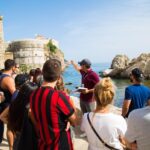
- A small group (max 16) keeps the pace human and makes it easier to ask questions.
- English narration plus film-location trivia (think Game of Thrones, Robin Hood, Star Wars).
- Ragusa Republic context: you’ll hear how daily life worked, not just what to photograph.
- Onofrio’s fountain + Franciscan medicine: two stops that explain why this city mattered beyond views.
- No museum or City Walls tickets included, so it’s built for walking and seeing exteriors.
- Moderate fitness required and Dubrovnik’s stone streets can feel long in the heat.
How a 1.5-Hour Old Town Walk Gets You Oriented
Dubrovnik Old Town can feel like one long photo stop, especially if you arrive and start wandering. This tour is designed to prevent that. In about 1 hour 30 minutes, you move through the core area you’ll want anyway—Old Town entry, the main street spine, and the big squares—while someone explains what you’re actually looking at.
I also like the structure. You’re not just dropped into a crowd and told to follow along. The tour starts at a clear landmark (Pile Gate), then works inward so you gradually understand the layout: where the city begins, where power shows up, and where the religious and civic buildings sit in relation to everyday life.
The pace is also flexible. You can usually choose morning or afternoon departure times, which matters here because midday sun can be intense. If you time it well, you’ll spend less of the tour squinting and more of it learning.
You can also read our reviews of more walking tours in Dubrovnik
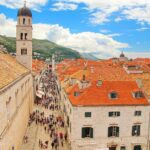

What You Pay, and Why It Feels Like Good Value
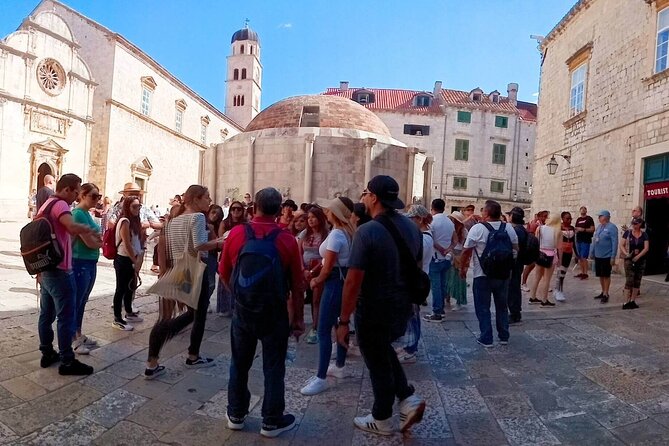
At $30.04 per person for roughly 90 minutes, the cost is pretty reasonable for Dubrovnik—especially if you’re there for a short stay. What makes it feel like value is what’s included: a professional guide who talks you through the Old Town story while you’re already walking it.
Also, there’s a practical benefit: this tour is booked well in advance (around 70 days on average), and the group size is capped at 16. In peak season, that small-group setup can be the difference between an enjoyable tour and a chaotic one.
Finally, the stops are largely “look and learn” moments, not ticketed museum time. That means you’re paying for interpretation and route guidance, not for expensive admissions. If you come prepared to pay for any optional add-ons later (like City Walls or museums), this is a smart, efficient way to spend your first Old Town afternoon—or your last.
The Route: Pile Gate, Stradun, and Luža Square
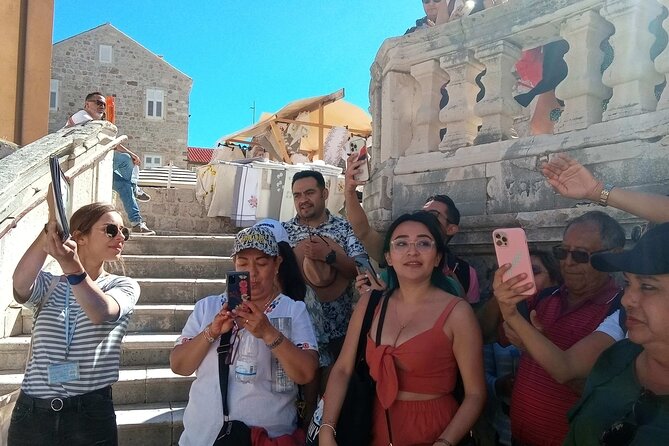
Your tour meets at Amerling Fountain (Ul. Svetog Đurđa, 20000, Dubrovnik) and heads toward the main entry into the Old Town. It ends at Saint Blaise’s Church (Rkt. crkva sv. Vlaha, Luža ul. 2, 20000, Dubrovnik), right on Luža Square—exactly where you’ll want to be to keep exploring on your own.
Pile Gate: where the city begins
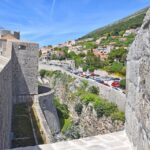
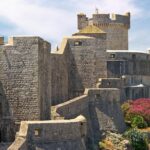
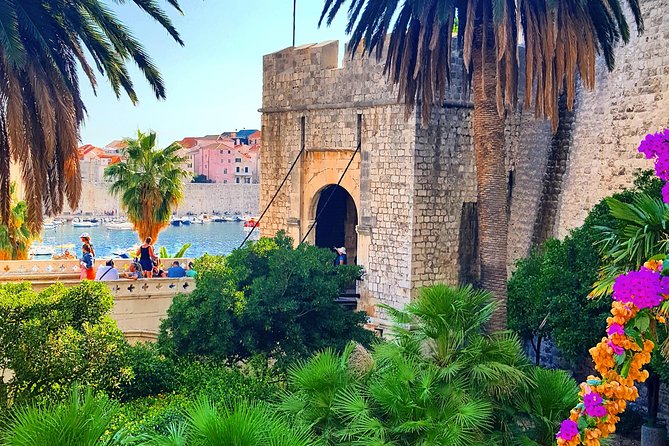
The tour’s first stop is Pile Gate, the main entrance to Old Town. This is more than a dramatic arch. Your guide uses it like a threshold to explain how Dubrovnik functioned: where travelers entered, where rules applied, and how the city’s defenses shaped everyday movement.
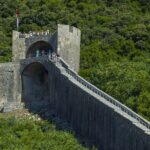
Before you even step deep into Old Town, you get views and context tied to what’s just outside the walls—like fort Lovrijenac and Bokar—so you understand the city as a system, not a set of isolated buildings.
Inside Old Town: Ragusa life, water, medicine, and religion
Once you pass through Pile Gate, the tour quickly shifts from “what you see” to “what it meant.” You’ll learn about the Republica Ragusa—the historic civic identity behind the look of the streets and squares.
Key moments in this stretch include:
- Onofrio’s Fountain (you’ll also see it later, but it’s introduced early): it was the city’s main source of drinkable water until the beginning of the 20th century. That detail changes how you look at the fountain—from decoration to infrastructure.
- Franciscan medicine and the oldest functioning pharmacy in the Franciscan monastery: this is one of the most interesting “why it’s here” stories on the route. Instead of treating monasteries as background, the guide connects them to real-world healing and knowledge.
- Walking toward the Cathedral area: you’ll get the religious geography of the center laid out clearly, even though no church or museum interior visits are planned.
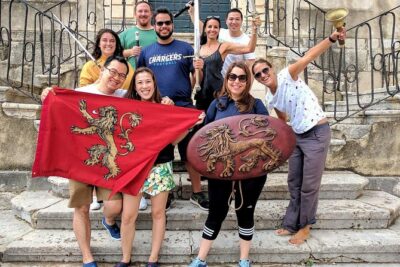
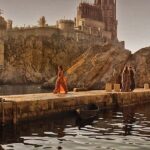
And yes, Dubrovnik’s pop-culture footprint shows up too. Your guide points out Game of Thrones, Robin Hood, and Star Wars filming locations, but it’s folded into the city story rather than tossed in as random trivia.

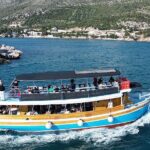



Old Town port: ships, trade, and the shift from old power to new
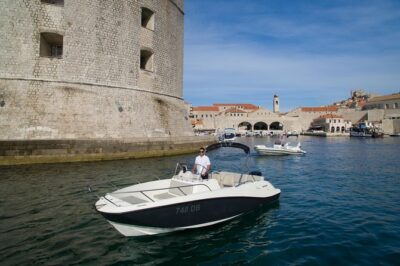
When the tour reaches the Old Town harbor area, you’ll see how the city’s relationship to the sea changed. One of the standout explanations here is the contrast between traditional wooden sailing galleys and the modern fleet that took primacy. It’s a simple comparison, but it helps you understand why Dubrovnik’s location mattered so much.
Stradun: the city’s main spine
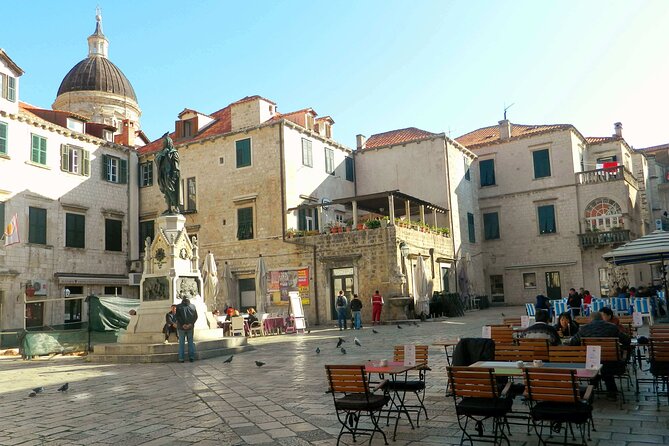
You then hit Stradun, the famous main street. For first-time visitors, Stradun can feel like a blur of stone and crowds. With the guide’s context in your head, it clicks: this is where the city’s center of gravity lives.
This is also a good time to slow down. The tour keeps moving, but the guide’s explanation helps you decide what’s worth revisiting later once you’re walking without narration.
Onofrian Fountain: the story lands again
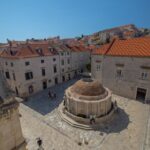
You’ll stop again at Onofrio’s Fountain. Seeing it twice (once as a concept, once as an actual pause) makes the point stick. You’ll get the historical importance of the water supply, which is a theme throughout Dubrovnik: practical systems built into beautiful stone.
Church exteriors: St. Ignatius and the Cathedral area
The route includes Church of St. Ignatius and the Cathedral of the Assumption of the Virgin Mary. Important detail: the tour is not planned around entering churches or museums. So expect to look, listen, and get orientation from the outside—still meaningful, especially if you’re learning how civic power and faith show up in the streetscape.
Rector’s Palace, Sponza Palace, Bell Tower, and Luža Square
As you work toward the finish, the tour points out the civic landmarks that frame Luža Square:
- Rector’s Palace: you’ll walk by and learn what it represented in how the city governed itself.
- Sponza Palace: another power-and-commerce symbol where the city’s wealth and administration feel visible even without stepping inside.
- Bell Tower: the vertical reference point that helps you re-orient later when you’re wandering.
Finally, you end at Luža Square with a wrap-up connecting Rector’s Palace, St. Blaise, and Sponza Palace. From there, you can naturally continue down Stradun on your own with a much clearer sense of where you are.
Ragusa Stories, Film Locations, and the Big-Picture Context
What makes this tour worth your time is the way the guide interprets the city. I like history tours that explain what changed and why—and this one does that while staying grounded in physical places you can point to.
A couple of themes show up repeatedly:
- Daily life links to survival: the fountain story isn’t just old trivia; it explains how water shaped the city.
- Knowledge and health had institutions: the Franciscan medicine story ties learning to the monastery and its pharmacy role—an angle you don’t always get on quick sightseeing walks.
- Politics isn’t abstract here: the Republica Ragusa references, plus the rector and civic building explanations, help you read the city’s layout as governance made visible.
On the lighter side, guides like Enis and Dorotea/Dorothea (names I’ve seen attached to this experience) tend to balance seriousness with humor, which makes long stone streets feel less exhausting. That matters when you’re under sun and you’re surrounded by crowds.
Comfort in Heat: Crowds, Shade, and Footwear
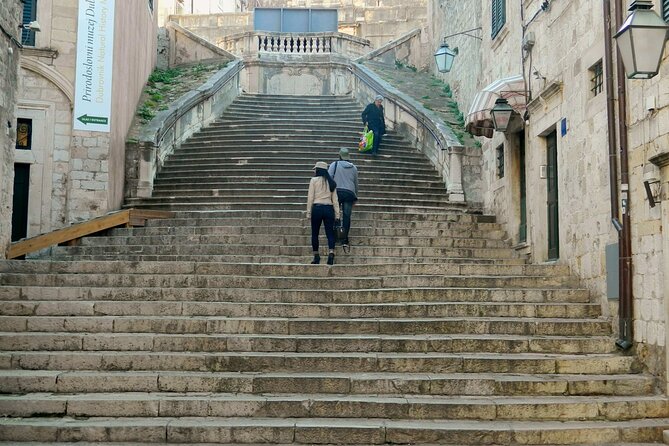
Dubrovnik can roast you. Even when the tour is only 90 minutes, you’re standing in sun pockets and walking on stone. If you’re visiting in peak summer, wear shoes that won’t punish you by hour one.
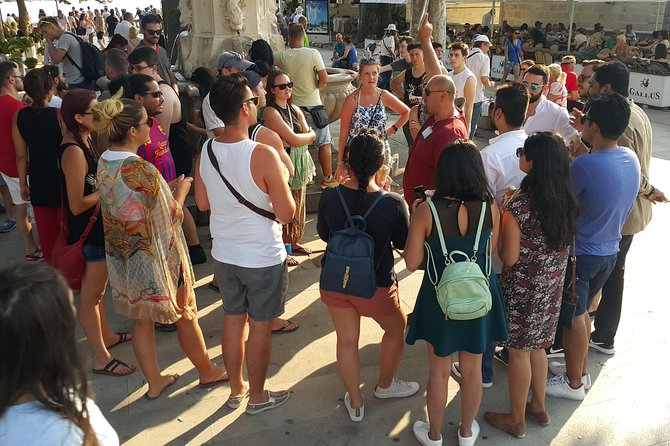
It also helps to plan your body position. The tour is guided for up to 16 people, which usually keeps it manageable, but you still want to stand where you can hear clearly. One practical point: the tour info doesn’t mention listening devices, so if you’re sensitive about audio, pick a spot closer to the guide early.
A smart tip for hotter days is timing. The availability of morning or afternoon departures gives you a real option—choose the part of the day that won’t turn your walk into a squinting contest.
Who Should Book This Tour (and Who Might Want More)

This tour fits best if you want:
- A fast orientation to Old Town’s core landmarks
- Straightforward explanations in English
- A small-group experience (max 16)
- Film-location stops without losing the thread of history
It may not be the best match if you want to do lots of inside visits. No museum or church interior visits are planned, and entrance to City Walls (and museum fees) is not included. If you’re aiming to spend time inside museums or walk the full walls circuit, you’ll need extra time and add-on tickets.
It’s also good to match expectations around fitness. The tour asks for moderate physical fitness, which usually means you should be comfortable walking uneven stone and handling a steady pace.
Should You Book Dubrovnik Tours – Horizon?
I’d book this if you’re spending a day (or less) in Dubrovnik and you want the Old Town to make sense quickly. The $30.04 price is easier to justify when you factor in the guide, the focused route, and the fact that you end in Luža Square—right where you can keep exploring confidently.
Skip it only if your must-dos are all ticketed interiors or the City Walls circuit. In that case, you’d get more out of a plan built around those paid experiences first, then add a short walking intro later.
FAQ
How long is the Dubrovnik Old Town walking tour?
It runs about 1 hour 30 minutes.
What is the price per person?
The price is $30.04 per person.
Is the tour offered in English?
Yes, it’s offered in English.
What group size can I expect?
The tour has a maximum of 16 travelers.
Where does the tour start and where does it end?
It starts at Amerling Fountain and ends at Saint Blaise’s Church on Luža Square.
Are museum tickets included?
No. Entrance to museums is not included, and no visit to churches or museums is planned.
Are City Walls tickets included?
No. Entrance to City Walls and any museum entrance fees are not included.
Is there a mobile ticket?
Yes, you’ll get a mobile ticket.
Do I need to bring anything from the confirmation?
You should print the whole confirmation document with all details, not just the ticket.
Is free cancellation available?
Yes, you can cancel for a full refund up to 24 hours before the experience starts.