REVIEW · DUBROVNIK
Explore Dubrovnik Old Town Walking Tour
Book on Viator →Operated by Experience Dubrovnik · Bookable on Viator
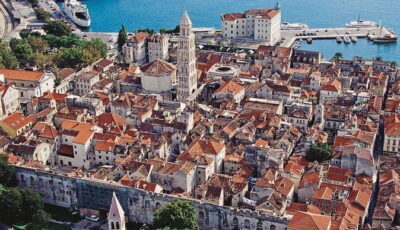
Old Town in Dubrovnik is built for stories. This walled walking tour gives you the backbone of Ragusa, with guides tying together UNESCO-era life and the city’s rebuild after disasters and wars.
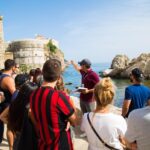
I like that it’s focused but not rushed: you hit major anchors like Pile Gate and Sponza Palace, then you get side-street context in the lanes most people skip. It also has a small group limit (up to 20), which makes it easier to ask questions and actually understand what you’re seeing.
One thing to consider: it’s still a one-hour on-foot experience with moderate walking, mostly on uneven stone streets. If you’re sensitive to heat, plan smart and bring water even though the tour doesn’t include drinks.
In This Review
- Key highlights you’ll feel right away
- Stepping through Dubrovnik’s walls at Pile Gate
- Stradun: the main spine from fountain to monastery
- Prijeko Street: where the Old Town feels lived-in
- Luza Square and Sponza Palace: the city’s busy crossroads
- Back to Stradun for the Cathedral area
- Ragusa stories you’ll carry past the tour
- Pace, group size, and what it means for your comfort
- Tickets, what you pay for, and whether it’s worth $26.38
- How to get more out of a 1-hour orientation
- Where the walk starts and ends (so you don’t waste time)
- Should you book this Dubrovnik Old Town Walking Tour?
- FAQ
- How long is the Dubrovnik Old Town Walking Tour?
- How much does it cost?
- What’s included in the ticket price?
- What is the group size limit?
- Where do I meet the guide, and where does the tour end?
- What time does the tour start?
- Is hotel pickup included?
- What should I bring or plan for?
- What if the weather is bad?
- Can I cancel for a full refund?
Key highlights you’ll feel right away

- Pile Gate orientation fast: you start at the main entrance so everything later makes more sense
- Stradun walk with landmarks: Franciscan monastery and Onofrio’s fountain get explained in plain language
- Prijeko Street lanes: narrow streets that show how real daily life works inside the walls
- Luza Square focus: Sponza Palace plus St. Blaise Church tie together politics, faith, and daily rhythm
- Local guide storytelling: guides like Sonya, Jelena, Ivanka, Ana Litre, Stela, Andrea, Marco, and Desa are known for clear answers and entertaining history
Stepping through Dubrovnik’s walls at Pile Gate

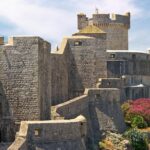
Dubrovnik’s Old Town can feel like a postcard until someone puts it in order for you. Starting at Pile Gate helps because this is the town’s main entrance, tied to the drawbridge and the idea of defense first, everything else second.
You’ll spend a short moment here to get bearings fast, and the guide’s job is to connect the physical space to the bigger picture. Think: why the walls matter, how the city’s maritime identity shaped daily life, and why the rebirth after catastrophe became part of Dubrovnik’s identity.
This stop also sets the tone for the guide style. Several local guides who have led this walk are praised for being funny and easy to follow, including Sonya and Jelena. If you like history that doesn’t drag, this is where you usually feel it click.
Practical note: the tour includes admission at stops (including this one), so you’re not juggling tickets while you’re trying to understand what you’re looking at.
You can also read our reviews of more walking tours in Dubrovnik

Stradun: the main spine from fountain to monastery
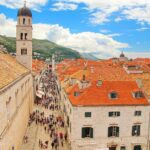
From Pile Gate you’ll move onto Stradun, the iconic main street that runs like a backbone through the walled city. This section is great because it’s not just photo time; you get told what you’re seeing and why it matters.
Here you’ll hear about the Franciscan monastery and see Onofrio’s fountain, which locals treat as more than scenery. The guide helps you notice details you might otherwise miss: the way the street organizes movement, and how religious and civic life share space inside the walls.
In plain terms, Stradun is your map. Once you understand how it functions, it becomes easier to choose where to wander next after the tour. That’s one reason the tour works so well as a first-day activity. Ana Litre is one of the guides mentioned by name in past experiences, and the common thread is clear, organized explanations that make you feel oriented instead of overwhelmed.
Small drawback to keep in mind: Stradun can be busy depending on the day and season. Even so, the value here is learning the story behind the landmarks before you later tackle the quieter lanes.
Prijeko Street: where the Old Town feels lived-in
After the main spine, you’ll slip into Prijeko Street, where Dubrovnik looks more like a set of neighborhood streets than a museum hallway. This is the moment when the tour starts to feel more personal, because narrow lanes change your pace and your attention.
You’ll be walking through a different rhythm: less open space, more turns, and more chances to spot how buildings sit close to the street. The guide’s commentary helps you connect these everyday-feeling streets back to the city’s bigger past—how a maritime republic shaped trade, housing, and civic priorities.
This part is also where questions tend to get fun. Some guides are noted for being flexible when the group is small, so if you want a quick look into a church or pause for a detail, you may have more room to do it.
That flexibility is a big deal. You’re not stuck staring at the front of a church or moving like a metronome. You’re learning while still being able to look around at your own speed.
Luza Square and Sponza Palace: the city’s busy crossroads
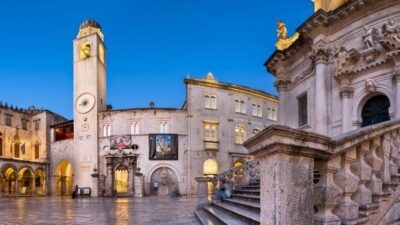
Next comes Luza Square, often the geographic and emotional center of Old Town sightseeing. It’s called out on purpose because Sponza Palace and St. Blaise Church sit here, and the guide can connect them in a way that sticks.
In many cities, landmarks feel separate: palace over here, church over there. Here, they feel like they’re part of the same system. You’ll get explanations that help you understand how religion, power, and maritime commerce overlap in the Ragusa story.
If you’re also a fan of pop-culture references, keep your ears open. Past tours specifically note that guides give Game of Thrones tips, and Luza Square is the kind of place where those references tend to make extra sense. Even if you’re not a fan, it gives you another way to remember what you saw.
Tip: this is a good time to ask one or two targeted questions. Your guide’s local knowledge tends to be strongest when you connect what you’re looking at with what you want to do later—like where to go for a slower walk or which corners matter most.
Back to Stradun for the Cathedral area

The tour returns to Stradun again, and this time it’s pointed toward the Cathedral of Dubrovnik. Re-walking Stradun sounds repetitive on paper, but it isn’t. The second pass feels different because you’ve already absorbed the street’s logic.
Now you can see the “spine” more clearly, and you understand how the cathedral area fits into the town’s layout. The guide’s goal is to make you leave with a mental model: where major institutions sit and how people would have moved between civic life, religious life, and the pulse of daily commerce.
This is the stop where first-time visitors usually start to feel confident. You’ve seen the most important monuments inside the walls, and you’ve heard enough context to start choosing what to explore more deeply. That’s exactly the purpose of a 1-hour orientation tour.





Ragusa stories you’ll carry past the tour

What makes Dubrovnik special isn’t only that it has famous buildings. It’s that the city’s story includes destruction and rebuild, and you can feel that in the way the guide narrates the place.
Expect explanations that cover Dubrovnik’s rebirth after major catastrophes—earthquakes, wars, and the fall of Yugoslavia—plus what that meant for daily life and the city’s modern culture. UNESCO status is more than a label here; the guide helps you understand why it matters and what you should pay attention to while walking.
Another highly praised element is how clearly guides answer questions. Some guides are mentioned as being exceptionally knowledgeable and professional, and several are described as humorous or passionate in a way that makes the time fly. Ivanka and Marco are two names that come up with that kind of enthusiastic, question-friendly delivery.
If you want history you can actually use, pay attention to how the guide links past events to present-day streets. When you understand why a waterfront merchant city rebuilt the way it did, you stop treating Old Town as scenery and start seeing it as a functioning place with memory.
Pace, group size, and what it means for your comfort

This is an hour (approx.) walking tour with a moderate physical fitness requirement. That usually means: expect steady walking, uneven stone in places, and you’ll want comfortable shoes more than anything fancy.
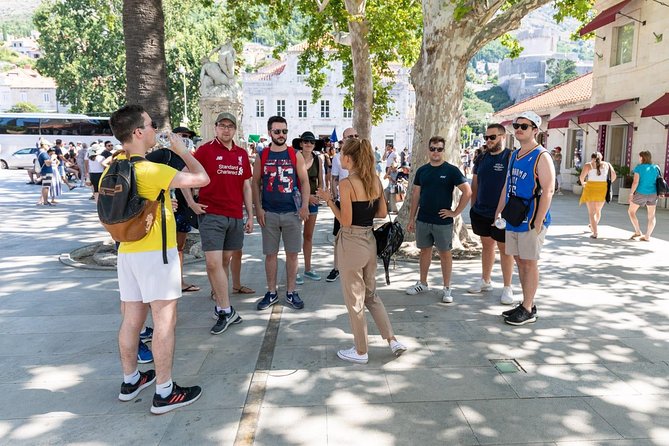
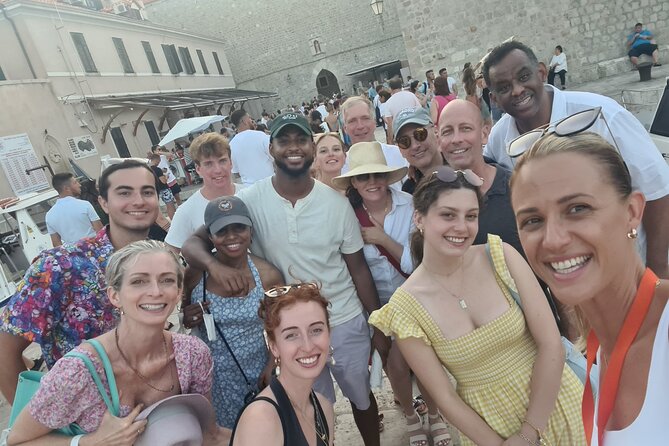
Group size is capped at 20 travelers, which is the sweet spot for a tour like this. Large groups can turn a learning experience into a shuffle. With a smaller group, the guide can keep the pace understandable and respond to what you ask.
Past experiences also describe moments where, in very small groups, the guide lets you step into churches or linger briefly when you wish. That’s not guaranteed, but it’s a good sign: the tour isn’t run like a rigid conveyor belt.
Heat matters. One guide-specific tip that shows up in past experiences: starting early can help you avoid the worst summer heat. If you can choose times, 8:00 a.m. is suggested as a smart option in warmer months.
Tickets, what you pay for, and whether it’s worth $26.38
The price listed is $26.38 per person, and you get a licensed local guide plus local taxes. Each major stop is shown as having an admission ticket included, which is a quiet value point.
A 1-hour orientation might sound short, but in Dubrovnik that’s often the right length. If you try to self-tour without context, you spend time wandering while missing why buildings matter. Paying for a guide here buys you direction, story, and a shortlist of what to return to when you have more time.
Also consider the schedule reality: this tour is commonly booked about 6 days in advance on average. If you’re traveling in peak season or have a tight plan, booking earlier is a way to avoid getting stuck with your second-best option.
What’s not included is drinks and food, plus hotel pickup and drop-off. You’ll want to handle that yourself. The best approach is to eat before you start and keep snacks for after, especially if you plan to keep exploring the Old Town right after.
How to get more out of a 1-hour orientation
You’ll get the most value if you treat this like a scouting mission, not a final tour. When you finish, you want a clear sense of where to go next and why.
Here’s how I’d do it:
- Wear comfortable walking shoes because Old Town surfaces aren’t smooth and forgiving.
- Come with one or two questions in mind, like how the city rebuilt after destruction, or what trade shaped life as Ragusa.
- Bring a water bottle. The tour doesn’t include drinks, and heat can sneak up fast.
- If you want quieter photos later, take notes during the guide’s explanation. Knowing what matters helps you plan when to return.
If you’re the kind of traveler who likes crossovers between history and pop culture, keep an ear out for Game of Thrones tips. They’re not the core of the tour, but they can help you remember locations and create an extra layer of fun.
Where the walk starts and ends (so you don’t waste time)
You’ll meet at Brsalje ul. 2, 20000 Dubrovnik and finish at Ul. Pred Dvorom 4, 20000 Dubrovnik. Start time is listed as 10:00 am. A mobile ticket is provided, so you won’t be scrambling for paper.
This start/end setup matters because you’ll likely continue exploring after the tour ends. Ending near another cluster of sights can save time and reduce backtracking inside the walls.
Should you book this Dubrovnik Old Town Walking Tour?
Yes, if you want a fast, guided way to understand what you’re seeing and where to go next. This tour is especially useful for first-timers because it covers the key landmarks inside the medieval walls and pairs them with the stories that explain Dubrovnik’s rebuild and identity.
I’d also book it if you care about having a guide who answers questions clearly and tells the city’s story in a way that actually clicks. Past guide experiences highlight people like Sonya, Jelena, Ivanka, Ana Litre, Stela, Andrea, Marco, and Desa for strong explanations and local perspective.
Skip it only if you already know the city well and prefer a long self-guided walk. With only about an hour, this is best as an orientation and a springboard, not as your entire Old Town plan.
FAQ
How long is the Dubrovnik Old Town Walking Tour?
The tour lasts about 1 hour.
How much does it cost?
It’s priced at $26.38 per person.
What’s included in the ticket price?
The tour includes a professional licensed guide, local taxes, and admission tickets at the listed stops.
What is the group size limit?
The tour has a maximum of 20 travelers.
Where do I meet the guide, and where does the tour end?
Meet at Brsalje ul. 2, 20000 Dubrovnik and end at Ul. Pred Dvorom 4, 20000 Dubrovnik.
What time does the tour start?
The start time is 10:00 am.
Is hotel pickup included?
No, hotel pickup and drop-off are not included.
What should I bring or plan for?
Wear shoes suitable for moderate walking, and plan for food and drinks on your own since they are not included.
What if the weather is bad?
If poor weather cancels the tour, you’ll be offered a different date or a full refund.
Can I cancel for a full refund?
Yes. You can cancel up to 24 hours in advance for a full refund.